Do You Need Insurance To Get A Loaner Car? Quick Answer
In most cases, yes, you will need some form of insurance to drive a loaner car. This is often covered by your existing auto insurance policy. Dealerships or repair shops typically require proof of insurance.
This protects them and you. It’s best to check with your provider and the loaner provider beforehand.
Understanding Loaner Car Insurance
When your car is in the shop, a loaner vehicle feels like a lifesaver. It keeps you moving. But what about the insurance for that car?
Most people think their regular car insurance covers everything. That’s often true, but not always. It’s important to know the rules.
Your personal auto insurance policy is designed to cover you in various situations. This includes driving other cars. This can extend to rental cars and loaner vehicles.
The key is that your policy follows you, not just your car. So, if you have comprehensive and collision coverage, it often transfers.
However, there are details to watch out for. Loaner cars are not the same as rental cars. Rental car companies often push their own insurance options.
Dealerships or repair shops usually rely on your existing coverage. They need to make sure someone is financially responsible if an accident happens.
The main goal is protection. Protection for you, for the loaner car, and for the business providing it. Without proper insurance, you could be liable for expensive damage or injuries.
This is why checking ahead is so important. You don’t want surprises when you least expect them.
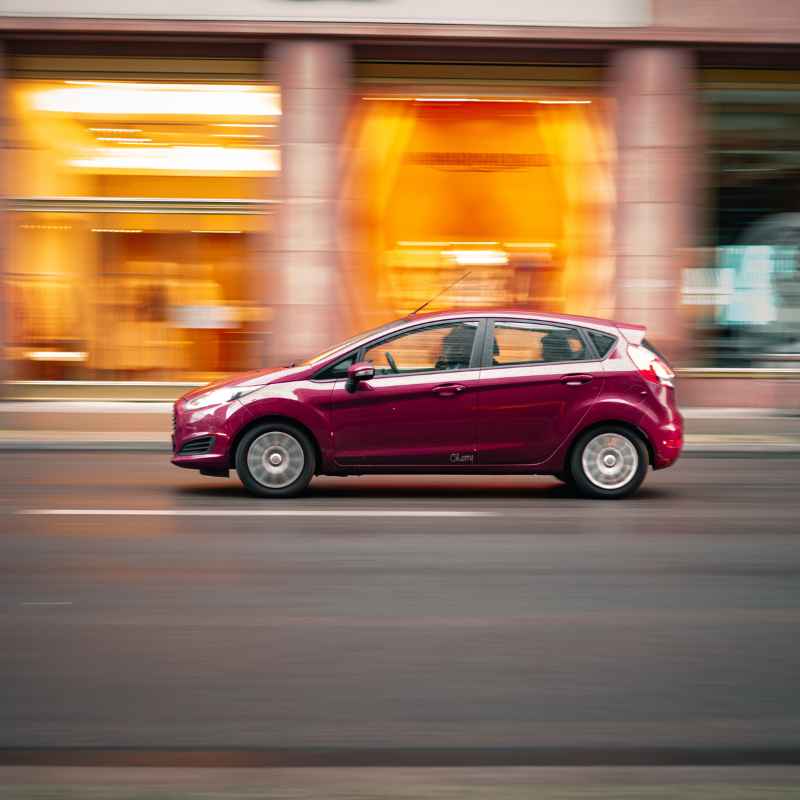
My Experience: The Day My Car Went Kaput
I remember it clearly. It was a Tuesday morning. My trusty old sedan started making a weird clunking sound.
It got worse with every mile. I pulled over, a bit panicked. The car wouldn’t move much after that.
My mechanic said it needed a big repair. He offered me a loaner.
It was a small, practical sedan. It wasn’t fancy, but it would get me to work. As I was about to drive off, the service advisor handed me a form.
He asked for my insurance card. My mind raced. Did my policy cover this?
What if something happened? I felt a knot of worry in my stomach.
He explained that my own insurance should cover it. But he also said to call my insurance company. Just to be sure.
That slight doubt, that moment of not knowing for sure, was stressful. I called my agent right then. Luckily, they confirmed my coverage extended to loaner vehicles.
But that initial worry was real.
It taught me a valuable lesson. Always ask about insurance before you take the keys. Don’t just assume.
That day, the relief I felt was huge. It allowed me to focus on the car repairs, not on potential financial disasters. It’s a small step that makes a big difference.
Loaner Car Insurance: Key Points
- Your Policy is Key: Often, your personal auto insurance covers loaner cars.
- Check Your Coverages: Make sure you have comprehensive and collision.
- Ask Ahead: Always confirm with the loaner provider and your insurer.
- Understand Limits: Your policy limits apply.
- No Policy? This is a bigger issue. You may need temporary coverage.
Why Dealerships and Shops Require Insurance
Think about it from the dealership’s or repair shop’s point of view. They are lending you a car. This car is a valuable asset.
It has a cost. If you get into an accident, who pays for the damage? Without insurance, you might not be able to.
This would leave them with a damaged vehicle and no compensation.
Most shops and dealerships want to avoid this risk. They are not insurance companies. They don’t have the resources to absorb major repair costs from accidents caused by their loaner vehicles.
So, they require you to prove you have coverage. This is a standard business practice.
It also protects you. Imagine you cause an accident in a loaner car. Without insurance, you could be personally responsible for the other driver’s car, medical bills, and property damage.
This could lead to huge financial trouble. Your insurance acts as a shield against these liabilities.
The requirements can vary slightly. Some places might offer their own limited coverage. This is less common for dealerships and more common for rental agencies.
But for loaners, they generally rely on your existing policy. It’s a matter of risk management for them and financial safety for you.
Loaner Car vs. Rental Car Insurance
Loaner Cars:
- Provided by dealerships or repair shops.
- Usually covered by your existing personal auto insurance.
- Focus is on your policy’s collision and liability coverage.
Rental Cars:
- Rented from dedicated rental agencies.
- Often push their own insurance options (CDW, LDW, etc.).
- Your personal insurance may cover it, but rental companies prefer you buy theirs.
What Kind of Insurance Do You Need?
The type of insurance you need for a loaner car usually mirrors what you have for your own vehicle. Here’s a breakdown:
Liability Coverage: This is crucial. It covers damage or injuries you cause to others. If you hit another car or a pedestrian, your liability coverage pays for their expenses.
Most states require a minimum amount of liability insurance by law.
Collision Coverage: If you have collision coverage on your policy, it typically extends to the loaner car. This pays for damage to the loaner vehicle itself if you hit another car or object. This is what protects you from paying for significant repairs to the loaner.
Comprehensive Coverage: This covers damage to the loaner car that isn’t from a collision. Think theft, vandalism, or damage from falling objects. Like collision, this often transfers from your policy.
What if you don’t have these? If your personal policy doesn’t include comprehensive and collision coverage, you might be in a tough spot. You could be responsible for paying for any damage to the loaner car. Some dealerships might offer a limited damage waiver, but it’s not guaranteed.
It’s always a good idea to look at your insurance documents. Know your coverage limits and deductibles. Your deductible is the amount you pay out-of-pocket before your insurance kicks in.
If you have a high deductible, that’s still what you’ll pay if you need to file a claim on the loaner.
Coverage Check: Do You Have This?
- Liability: Essential for covering others.
- Collision: Covers damage to the loaner if you hit something.
- Comprehensive: Covers non-collision damage (theft, etc.).
- Deductible: The amount you pay first.
Scenario: What Happens If You Don’t Have Enough Insurance?
This is a scenario nobody wants to face. Let’s say your car is being repaired. You get a loaner.
Then, unfortunately, you get into an accident. You only have liability insurance on your personal policy. You don’t have collision coverage.
The accident damages the loaner car. Your liability insurance will cover the other person’s damages. But it won’t pay for the repairs to the loaner car.
In this situation, the dealership or repair shop will likely bill you directly for the damage. This could be thousands of dollars.
Some businesses might have a limited damage waiver. This is like a basic insurance for their own vehicle. But it often has strict conditions and high fees.
It might not cover everything. For example, it might not cover damage caused by reckless driving or if you violate the agreement.
Another risk is if your liability limits are too low. If the accident causes severe injuries or property damage, your liability coverage might not be enough. The excess amount could then be sought from you personally.
This is why understanding your policy limits is so vital. Always err on the side of caution.
Myths vs. Reality: Loaner Car Insurance
Myth: The dealership’s insurance always covers loaner cars.
Reality: Usually, they rely on your personal auto insurance.
Myth: If I don’t have car insurance, I can still drive a loaner.
Reality: Most places will not let you take a loaner without proof of insurance.
Myth: My credit card insurance covers loaner cars.
Reality: Credit card coverage typically applies to rentals, not loaners. Always verify.
Steps to Take Before You Drive Away
To avoid any confusion or stress, it’s smart to take a few proactive steps. This ensures you’re covered and prepared.
1. Check Your Insurance Policy: Before you even go to the repair shop, call your insurance agent or company. Ask specifically: “Does my policy cover me when I drive a loaner car provided by a dealership or repair shop?” Confirm if your collision and liability coverage extends to these vehicles.
2. Understand Your Coverage Limits: While you’re on the phone, ask about your coverage limits and deductibles. Know the maximum amount your insurance will pay.
Also, know how much you’ll have to pay out-of-pocket if you file a claim.
3. Ask the Loaner Provider: When you arrange for your car repair, ask about their policy for loaner vehicles. Inquire about insurance requirements upfront.
What documentation do they need from you? Do they offer any supplemental coverage options?
4. Inspect the Loaner Car: Before you accept the loaner, do a quick walk-around. Note any existing damage.
Take pictures or videos with your phone. This helps protect you from being blamed for pre-existing scratches or dents. Make sure the service advisor notes this damage on the paperwork you sign.
5. Keep Paperwork Handy: Have your insurance card and driver’s license ready. The loaner provider will need these.
Keeping them accessible saves time and avoids last-minute fumbling.
Quick Checklist Before Driving a Loaner
Insurance Confirmed? Yes / No
Know Deductible? Yes / No
Loaner Policy Understood? Yes / No
Car Inspected for Damage? Yes / No
Paperwork Ready? Yes / No
What If You Don’t Have Auto Insurance at All?
This is a more complex situation. If you don’t own a car and therefore don’t have your own auto insurance policy, getting a loaner can be challenging. Most dealerships and repair shops will not allow you to drive a loaner without some form of insurance or a signed waiver accepting full liability.
Options:
- Non-Owner Car Insurance: If you occasionally drive cars that aren’t yours, you can get a non-owner policy. This provides liability coverage. It can often extend to loaner cars. It’s a good idea for people who drive infrequently or don’t own a car but borrow them.
- Dealership/Shop Waiver: In some rare cases, a dealership might have a specific waiver you can sign. This means you accept full financial responsibility for any damage or liability. This is very risky. It could leave you owing a lot of money.
- Temporary Insurance: Some insurers offer short-term car insurance policies. This might be an option if you anticipate needing a loaner for a while.
If you are in this situation, discuss it openly with your mechanic or dealership. Be honest about your insurance status. They might be able to guide you on their specific requirements or what options you have.
It’s better to find out before you need the car.
When Is It NOT Your Insurance?
While your personal insurance usually covers loaner cars, there are exceptions. These are situations where another party’s insurance might be primary, or you might need to consider other options.
1. Specific Dealership Agreements: Some large dealership groups might have their own fleet insurance policies that are primary for loaners. However, they still often require you to have your own insurance as a backup or to meet their terms.
2. Business Use vs. Personal Use: If you are using the loaner for business purposes and not just personal errands, your personal auto insurance might not cover it.
Business use often requires a commercial auto policy.
3. Gross Negligence or Illegal Acts: If you cause an accident due to drunk driving, reckless behavior, or other illegal activities, your insurance policy may deny the claim. In such cases, you would be personally liable for all damages.
4. Out-of-State or International Loaners: If the loaner car is from a different state or country, there might be specific coverage rules or limitations. Always confirm this with your insurer.
5. Rental vs. Loaner Confusion: Remember, rental car companies have different insurance structures.
If you mistakenly think a rental car is a loaner and vice-versa, you could misunderstand who is responsible for what coverage.
Always clarify the terms. When in doubt, ask both your insurance company and the provider of the loaner car for written confirmation of their policies.
The Deductible Dilemma
Your deductible is an important factor. Let’s say you have a $500 deductible on your collision coverage. If you have an accident in a loaner car and the repairs cost $3,000, your insurance would pay $2,500.
You would pay the first $500. This is how deductibles work.
Some people worry about using their insurance for a loaner car. They fear their rates might go up. This is a valid concern.
However, in the event of an accident where you are at fault, your insurance is there to protect you from massive out-of-pocket expenses. Weigh the cost of a potential rate increase against the cost of car repairs.
If your deductible is very high, say $1,000 or $2,000, and the damage to the loaner is less than that, it might be cheaper to pay for the damage yourself without filing a claim. But if the damage is substantial, filing a claim is usually the right move, despite the deductible.
It’s also worth noting that some insurance policies have a “disappearing deductible.” This means your deductible reduces each year you don’t file a claim. This can be a nice perk. But it doesn’t change the initial amount you owe if you do need to use your insurance.
Final Thoughts on Loaner Car Coverage
Getting a loaner car should be a relief, not a source of anxiety. Understanding insurance is key to that peace of mind. Your personal auto insurance is usually your best bet.
It’s designed to cover you, even when you’re not in your own car.
Always check with your insurance provider beforehand. Confirm that your collision and liability coverages extend to loaner vehicles. Don’t be afraid to ask the dealership or repair shop about their policies and requirements.
A few minutes of checking can save you a lot of trouble.
Being prepared means you can focus on getting your car fixed. You can continue with your daily life without worrying about unexpected financial burdens. It’s all about knowing the steps and asking the right questions.
This makes the loaner car experience much smoother.

Frequently Asked Questions
Do I need to get my own insurance if the dealership offers insurance for the loaner car?
Often, dealerships rely on your existing auto insurance. While they may offer supplemental coverage, it’s usually best to confirm if your personal policy covers the loaner. Check with your insurance provider first to understand your existing coverage for loaner vehicles.
What happens if I get a ticket in a loaner car?
Traffic tickets received in a loaner car are typically your responsibility. The dealership or repair shop will likely be notified by the authorities. They will then contact you to pay the ticket or provide your information to the issuing agency.
Your insurance generally doesn’t cover traffic tickets.
Is the insurance coverage the same for a rental car and a loaner car?
Not always. Rental car companies often push their own insurance products. Loaner cars provided by dealerships or repair shops usually fall under your personal auto insurance policy.
It’s important to verify the specifics for each situation.
What if the loaner car is damaged? Will my insurance rates go up?
If you are at fault for the damage and file a claim, it’s possible your insurance rates could increase. However, your insurance is designed to protect you from large repair bills. Weigh the cost of potential rate increases against the cost of repairing the loaner car.
Can a dealership refuse to give me a loaner car if I don’t have insurance?
Yes, most dealerships and repair shops require proof of valid auto insurance before they will let you drive a loaner vehicle. This is to protect them from liability and damage costs. If you don’t have insurance, they may refuse to provide a loaner.
Does my credit card insurance cover a loaner car?
Generally, credit card rental car insurance coverage applies to vehicles rented from rental car companies, not loaner cars provided by dealerships or repair shops. It’s always best to check the terms and conditions of your credit card benefits and confirm with both your insurance provider and the loaner provider.
Conclusion
Navigating the world of loaner cars and insurance can seem tricky. But by understanding your coverage and asking the right questions, you can drive with confidence. Your auto insurance is your safety net.
Make sure it’s ready to catch you, even when you’re behind the wheel of a temporary ride.
Products related to this article
Sponsored / affiliate links. As an Amazon Associate I earn from qualifying purchases. I may earn additional commission from eligible campaigns.
 Car A/C Repair Kit, 270PCS Rubber O-Ring Seal Kit + 40PCS Car Air Conditioner Valve Core Kit for R12 R134a A/C with Remover & Install Tool+10pcs R134a AC Valve Caps, Fix Refrigeration System
 16.9 Fl Oz Quick Effect Coating Agent for Car, Ceramic Coating Spray with Towel & Nano Sponge, Hydrophobic Wax Ceramic Coating, High Gloss Car Polish, Easy Apply for All Surfaces