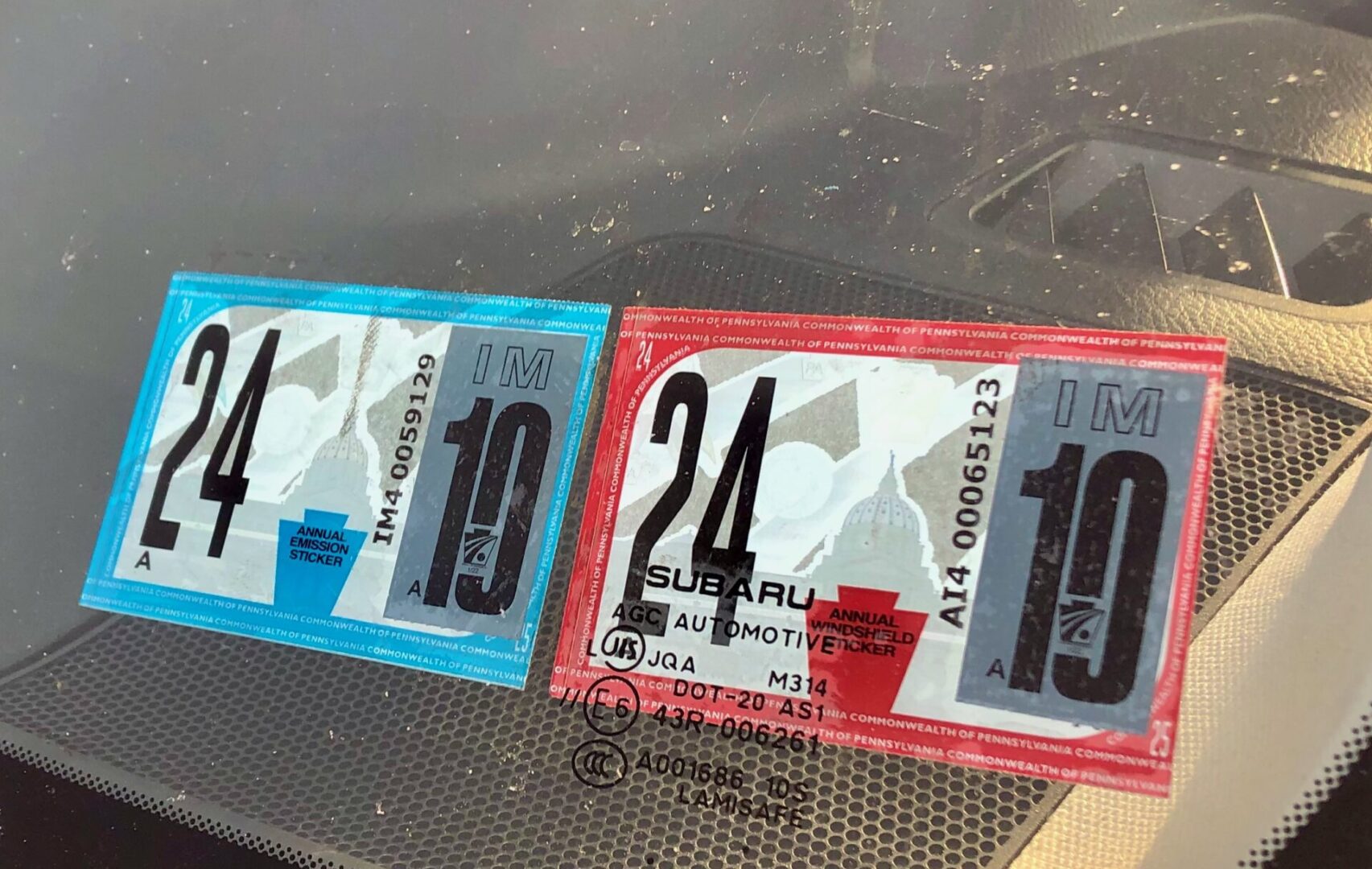
Does a 20 Year Old Car Need Emissions in Pa: Essential Guide
Yes, a 20-year-old car often needs emissions testing in Pennsylvania. The state requires vehicles to pass emissions to ensure they meet environmental standards.
This rule applies to cars registered in specific counties. Driving a classic or older car can be a cherished experience. But keeping it on the road involves understanding state laws about emissions testing. In Pennsylvania, emissions tests are crucial to maintaining air quality.
They help reduce pollution and keep cars running smoothly. Owners of older cars may wonder if their vehicle needs an emissions test. The requirements might seem confusing at first. But knowing the rules can save time and hassle. This blog will guide you through Pennsylvania’s emissions laws for older cars. Stay informed and ensure your vehicle complies with state regulations.
Credit: docmerit.com
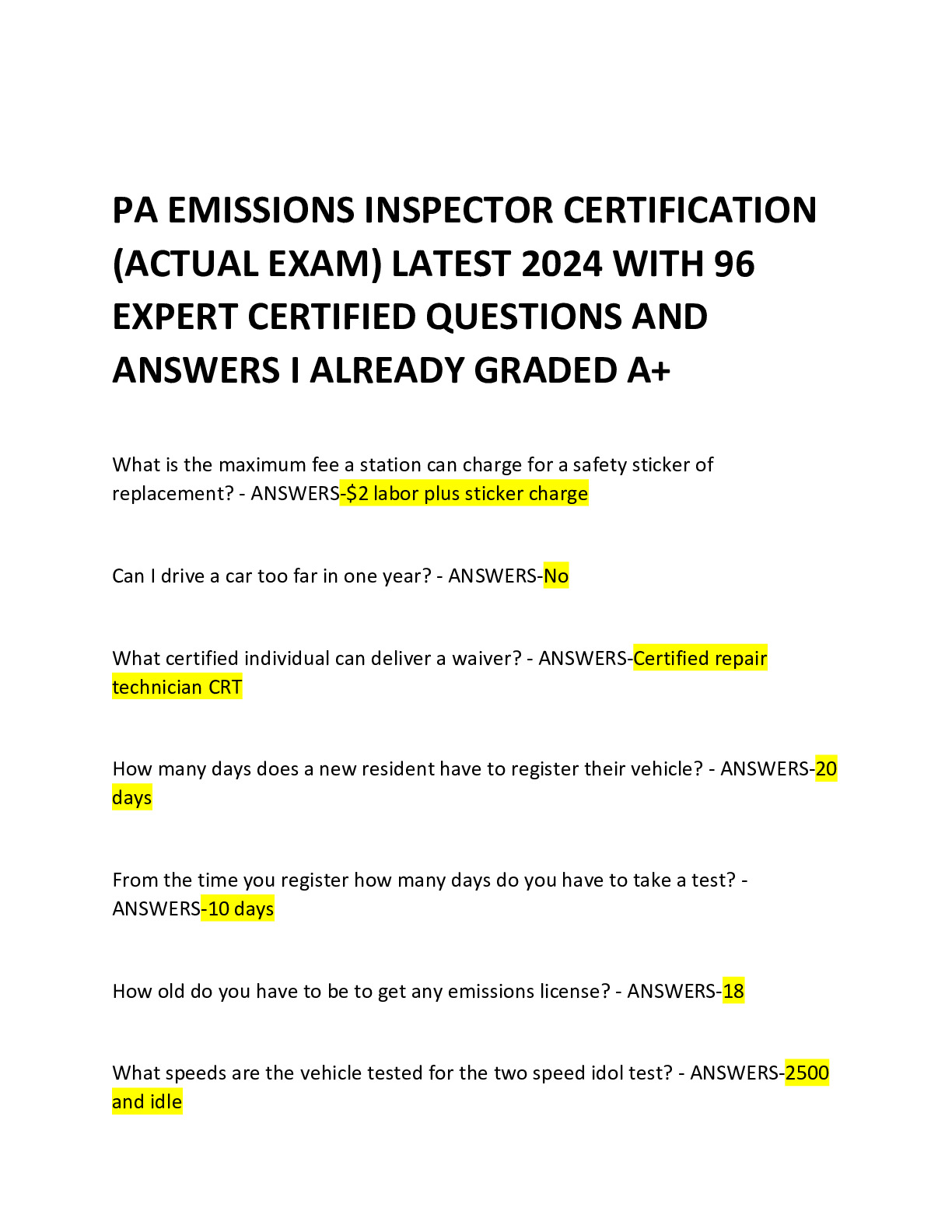
Emissions Testing In Pennsylvania
Emissions tests ensure cars are not polluting too much. They help keep the air clean. Old cars might pollute more. That’s why they need testing. Testing checks for harmful gases. Carbon monoxide and nitrogen oxides are examples. Safe cars pass the test. If a car fails, it needs fixing. Fixing reduces pollution. Tests happen every year. This keeps cars in check. It’s good for the environment. And it’s good for health too.
Pennsylvania has rules for emissions testing. These rules depend on the car’s age. Cars older than 20 years have different rules. Some might need tests. Others might be exempt. The state decides based on pollution levels. Each area has its own rules. Not all places require tests. Urban areas often have stricter rules. This is because they have more cars. More cars can mean more pollution. It’s important to know your area’s rules.
Credit: kleinmanenergy.upenn.edu
Exemptions For Older Cars
In Pennsylvania, some older cars might be exempt from emissions tests. Cars older than a certain age may not need these tests. The age limit for exemption can vary by region.
Specifics For 20-year-old Vehicles
A car that is 20 years old is often considered for exemption. These cars might be seen as classic or antique. The car’s condition and usage also matter. If it runs less often, it might be exempt. Each region may have different rules for these cars.
Impact Of Car Age On Emissions
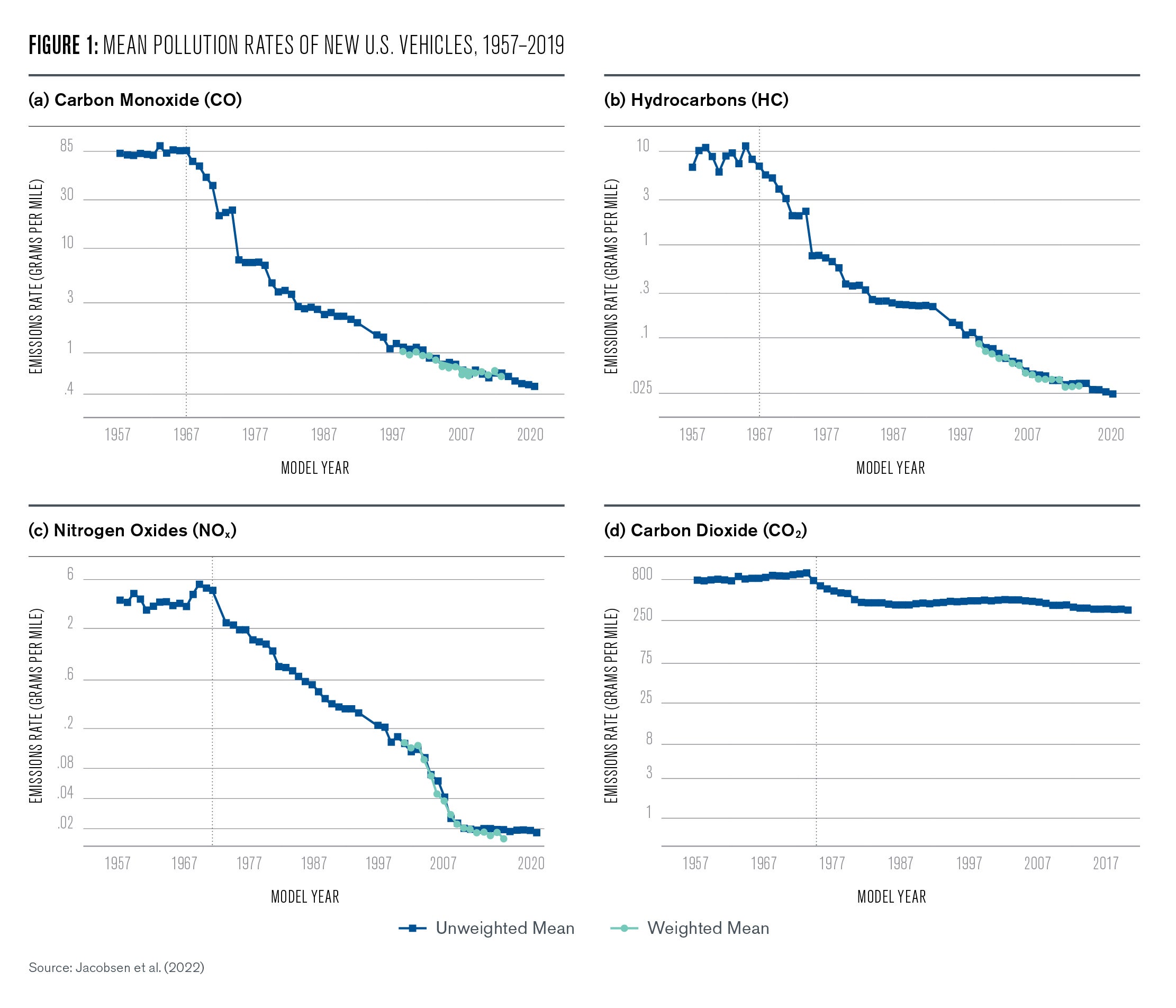
Older cars often produce more emissions. This is due to outdated technology. Newer cars have better emission controls. They use advanced systems to reduce pollution. Older models lack these improvements. So, they can emit more harmful gases.
Many older vehicles have poor emission standards. These cars can pollute more. Over time, their parts wear out. This increases emissions. Maintaining these cars can help. Regular checks can reduce their pollution levels. But they still might not match newer cars.
Old cars have limited technology. Their engines are less efficient. This results in higher emissions. New tech helps reduce this. But not all old cars can upgrade. Some parts are not available for older models. This limits improvements in emissions.
Credit: www.autoshippers.co.uk
Environmental Concerns
Older vehicles can affect the air quality. Many of these cars lack modern emission controls. This leads to higher pollution levels. Smog and harmful gases come from these cars. Air quality can get worse because of this. More pollutants mean less clean air. Health risks increase for everyone. Breathing becomes harder for some people. Emissions play a big role in pollution. Cars that are 20 years old may have more emissions. Newer cars have better technology. They reduce harmful gases better.
Older cars have different mechanisms. These mechanisms affect emissions. Many parts may be worn out. Engine efficiency is lower in old cars. This leads to more pollution. Technology has improved over the years. Newer cars have less impact on the environment. Old cars may not have modern controls. These controls help reduce pollution. Without them, old cars pollute more. Regular maintenance can help reduce emissions. It keeps the car in better shape. But still, older cars may not be very clean.
Legal And Compliance Requirements
A 20-year-old car must pass an emissions test in Pennsylvania. The car owner needs certain documents. These include the vehicle registration and insurance proof. It’s important to have a valid driver’s license too. Without these, the test cannot happen. It’s always best to prepare these documents in advance. This saves time and stress. Keep them in a safe place. Easy to find when needed.
Skipping the emissions test can lead to fines. The car could face registration suspension. Driving without proper registration is illegal. It might also cause trouble with insurance claims. Keeping the car in compliance avoids these issues. Always ensure the car meets state laws. It keeps you safe from penalties. And ensures the car is roadworthy.
Inspection Process
First, the car is checked for obvious defects. This includes broken lights or mirrors. Then, the emissions system is tested. A special tool measures the pollution from the car. If the car passes, it gets a sticker. This sticker shows the car is safe. If not, the car needs repairs.
Many cars fail due to exhaust leaks. These leaks let harmful gases escape. Another common failure is a broken catalytic converter. This part helps clean the car’s emissions. Sometimes, the engine light stays on. This can also lead to failure. Regular maintenance can help avoid these issues. Check your car often. It will keep it running well.
Cost Of Emissions Testing
Emissions testing can cost from $25 to $50. This fee depends on the testing center. Some centers charge less. Others may charge more. Always check for discounts. Some places offer them. They might have special deals. Especially during certain months.
Different factors affect the test cost. Vehicle age is one. Older cars might cost more. Test type also matters. Some tests are more detailed. Detailed tests may cost extra. Location can change the price too. Urban areas might charge higher. Rural areas could be cheaper. It’s good to ask around.
Alternatives To Emissions Testing
Pennsylvania requires emissions testing for vehicles over 20 years old, depending on the county. Some areas may offer exemptions. Always check local regulations to ensure compliance with emissions laws.
Voluntary Emissions Programs
Car owners can choose voluntary emissions programs to help the environment. These programs help check if cars are clean. They are not required by law. But they can make cars run better. Car owners can also learn new ways to keep their cars clean. It’s a smart choice for those who care about the air.
Retrofits And Upgrades
Older cars can get new parts to make them cleaner. This process is called a retrofit. It helps cars meet today’s standards. New parts can include better filters or engines. Upgrades can also help save fuel. They make cars safer for the planet. These changes can be a good choice for old cars. They help old cars become like new in some ways.
Future Of Emissions Regulations
Pennsylvania’s emissions regulations impact older vehicles. Cars over 20 years old may have different rules for inspections. Emissions testing requirements vary, sometimes exempting classic cars from stringent checks. Understanding local laws helps vehicle owners comply and avoid penalties.
Potential Changes In Legislation
New laws might focus more on environmental impact. Old cars could face new rules. These cars are less efficient than newer models. Lawmakers might want stricter tests. This could lead to higher costs for owners. Updating old cars can be expensive. New parts are often needed. Special equipment might be required. Some cars may not pass new tests. Owners might need to buy newer cars.
Impact On Older Vehicles
Old vehicles might need modifications. These changes can be hard for old cars. Parts might be hard to find. Costs can be high. Some owners could face big expenses. New regulations can make old cars less valuable. Selling them might be harder. Keeping them can be costly. Owners need to think about future changes. Planning ahead is smart. Keeping cars updated might help them pass tests.
Frequently Asked Questions
How Old Does A Vehicle Have To Be To Be Exempt From Emissions In Pa?
Vehicles in Pennsylvania are exempt from emissions testing if they are 25 years old or older.
Does A 20 Year Old Car Need To Be Inspected In Pa?
Yes, a 20-year-old car in Pennsylvania requires an annual safety inspection. Emissions testing may also be needed. Requirements depend on the vehicle’s location and type. Check local regulations to ensure compliance with state laws.
How Do You Pass Emissions With An Old Car?
Maintain your car with regular tune-ups and oil changes. Replace spark plugs, air filters, and oxygen sensors. Use fuel additives to clean emissions systems. Ensure tires are properly inflated. Check for leaks and repair exhaust system. These steps enhance performance and increase chances of passing emissions tests.
Do You Have To Inspect A 25 Year Old Car?
Yes, a 25-year-old car usually requires inspection. Check local regulations, as requirements vary by region. Regular inspections ensure safety and compliance with environmental standards. Always maintain your vehicle to pass inspections and enjoy a smooth driving experience.
Conclusion
A 20-year-old car in Pennsylvania may need an emissions test. Rules depend on the area. Check local requirements for clarity. Some places have stricter standards. Older cars often face different rules. Keeping your car in good shape helps. Regular maintenance can reduce emissions.
Always stay informed about local laws. It ensures your car stays road-legal. Understanding these rules saves time and money. Take care of your vehicle and the environment.