Does Coolant Affect Heat in Car: Essential Guide
Yes, coolant is absolutely essential for regulating your car’s temperature and preventing overheating. It absorbs excess engine heat and transfers it away, ensuring your engine stays within its optimal operating range. Without proper coolant levels and condition, your car’s heat system will fail, leading to potential damage.
Ever feel like your car’s temperature gauge is playing a guessing game? Sometimes it’s perfectly normal, and other times it creeps towards that dreaded red zone. It can be a worrying sight, especially if you’re not sure what’s causing it. The good news is, it’s often a solvable issue, and understanding how your car’s coolant works is key. Coolant, often called antifreeze, is the unsung hero of your engine’s temperature control system. It’s not just there to keep things from freezing in the winter; its primary job in warmer months is to prevent your engine from boiling over. If you’ve ever wondered, “Does coolant affect heat in my car?”, the answer is a resounding yes! Let’s dive into how this magical fluid works and what you need to know to keep your engine running cool and reliably.
How Your Car’s Cooling System Works with Coolant
Imagine your car’s engine as a powerful heart. Like any hard-working muscle, it generates a lot of heat. If this heat isn’t managed, it can quickly cause serious damage. This is where the cooling system and coolant come into play. It’s a clever, closed-loop system designed to maintain a precise temperature for your engine.
The Role of Coolant (Antifreeze)
Coolant is a special mixture, typically made of water and a type of alcohol (like ethylene glycol or propylene glycol), along with additives. These additives are crucial for preventing rust and corrosion inside your engine’s components. The primary function of coolant is twofold:
- Heat Absorption: As the engine runs, combustion creates a tremendous amount of heat. Coolant flows through passages in the engine block and cylinder head, directly absorbing this heat.
- Heat Transfer: Once the coolant has absorbed the heat, it circulates to the radiator. The radiator acts like a heat exchanger, where the hot coolant flows through a series of thin tubes and fins. Air passing through the radiator cools the coolant down, and then the cooler coolant circulates back into the engine.
The Cooling System Components
For coolant to do its job effectively, it needs the help of several other parts:
- Radiator: The main component where heat is dissipated into the air.
- Water Pump: This pumps the coolant through the engine and radiator. Think of it as the heart of the cooling system.
- Thermostat: A valve that controls the flow of coolant. It stays closed when the engine is cold to help it warm up faster and opens when the engine reaches its optimal temperature, allowing coolant to flow to the radiator.
- Cooling Fan: This fan (electric or engine-driven) pulls air through the radiator, especially when the car is moving slowly or stopped.
- Hoses: These flexible tubes carry the coolant between the engine, radiator, and other components.
When everything works together, your engine stays at a stable temperature, whether it’s a chilly morning or a hot summer day. But if the coolant isn’t right, this whole system can falter.
Does Coolant Affect Heat in a Car Engine? Yes, Here’s How!
The direct answer is a definite yes! The coolant’s properties and its circulation are fundamentally tied to how your car handles heat. Let’s break down how its condition and level directly impact your engine’s temperature.
Coolant Level and Engine Temperature
Perhaps the most straightforward way coolant affects heat is through its quantity. If your coolant level is too low, there simply isn’t enough fluid to effectively absorb and transfer all the heat your engine is producing. This leads to:
- Engine Overheating: The most common and dangerous consequence. Without sufficient coolant, the engine temperature will rapidly rise above its safe operating range.
- Hot Spots: In areas with low coolant, “hot spots” can develop, leading to localized overheating and potential damage to engine components like the head gasket.
- Reduced Heater Performance: Your car’s heater works by drawing hot coolant from the engine and passing it through a small radiator inside your cabin. If coolant levels are low, there won’t be enough hot coolant to warm your car effectively.
A low coolant level can be caused by leaks in the system or simply unnoticed evaporation over time. Regularly checking and topping up your coolant is a vital maintenance task that directly impacts heat management.
Coolant Concentration and Boiling/Freezing Points
The mixture of coolant and water is critical. It’s not just about having some coolant; it’s about having the right concentration. Most manufacturers recommend a 50/50 mix of antifreeze and distilled water. Here’s why this ratio matters:
- Boiling Point Elevation: Pure water boils at 212°F (100°C) at sea level. However, when mixed with antifreeze, the boiling point is significantly raised, often to around 265°F (130°C). This higher boiling point prevents the coolant from turning into steam, which would severely impede its ability to absorb and transfer heat.
- Freezing Point Depression: Antifreeze also lowers the freezing point of the coolant, preventing it from freezing and expanding in cold weather, which could crack the engine block or radiator.
If your coolant mix is too weak (too much water), it will boil at a lower temperature, leading to overheating. If it’s too concentrated (too much antifreeze), it might not transfer heat as efficiently, and it could even freeze at colder temperatures than intended, though this is less common in typical driving conditions.
Coolant Quality and Additives
The additives in coolant play a crucial role beyond just boiling and freezing points. They are essential for the long-term health of your cooling system:
- Corrosion Inhibitors: Modern engines are made of various metals (iron, aluminum, copper, brass). These inhibitors prevent rust and corrosion from forming on these surfaces, which could clog passages or weaken components.
- Scale Prevention: They help prevent mineral deposits from forming, ensuring that coolant can flow freely and heat can be transferred efficiently.
Over time, these additives can become depleted. Old, degraded coolant loses its protective properties, leading to corrosion and blockages. This can reduce the cooling system’s efficiency, causing the engine to run hotter than it should, even if the coolant level and concentration are correct.
Coolant Flow and Blockages
A properly functioning cooling system relies on the unobstructed flow of coolant. Several issues can impede this flow, directly affecting heat dissipation:
- Clogged Radiator: Internal corrosion or debris can block the fine tubes of the radiator, preventing coolant from cooling down effectively.
- Blocked Hoses: Hoses can sometimes collapse internally or become blocked by debris, restricting coolant movement.
- Failing Water Pump: If the impeller within the water pump wears out, it won’t push coolant effectively, leading to slow circulation and overheating.
- Stuck Thermostat: If the thermostat fails in the closed position, coolant won’t circulate to the radiator at all, causing rapid overheating.
When coolant can’t flow properly, it can’t carry heat away from the engine. This makes the engine run hotter, even if there’s plenty of the right kind of coolant in the system.
Signs Your Coolant Might Be Affecting Engine Heat
Your car will often give you signals when something is wrong with its cooling system and how it’s managing heat. Being aware of these signs can save you from costly repairs.
Warning Signs to Watch For:
- Temperature Gauge Spikes: The needle climbing into the red zone is the most obvious sign of overheating.
- Steam from Under the Hood: This often indicates a significant leak of very hot coolant. Pull over safely and turn off the engine immediately.
- Sweet Smell: A sweet, syrupy smell often means coolant is leaking. This smell is from the glycol in the antifreeze.
- Puddles Under Your Car: Especially if the liquid is brightly colored (green, pink, orange, or yellow), it’s likely coolant from a leak.
- Reduced Heater Performance: If your car’s heater isn’t blowing as hot as it used to, it could be a sign of low coolant or air in the system.
- Warning Lights: Your dashboard might display a “check engine” light or a specific temperature warning light.
If you notice any of these symptoms, it’s a good idea to have your cooling system checked. Ignoring them can lead to much more severe engine damage.
| Symptom | Possible Cause Related to Coolant | What It Means for Engine Heat |
|---|---|---|
| Temperature gauge in red | Low coolant level, coolant leak, wrong concentration, or coolant flow issue. | Engine is overheating, risking damage. |
| Steam from under hood | Major coolant leak, especially from a burst hose or radiator cap. | Immediate and severe overheating risk. |
| Sweet smell | Coolant is leaking onto hot engine parts. | System is losing coolant, leading to overheating. |
| Bright colored puddles | Coolant leak from hoses, radiator, water pump, or seals. | Coolant is escaping, reducing its effectiveness in cooling. |
| Weak heater | Low coolant level, air in the system, or a restricted flow. | Less hot coolant circulating, potential for engine to run cooler (initially) or less efficiently, but in a larger problem, it indicates a system fault that can lead to overheating. |
Checking and Maintaining Your Car’s Coolant
The good news is that checking your coolant is a relatively simple task that most car owners can do themselves. Proper maintenance ensures your coolant is always in optimal condition to manage engine heat.
How to Check Your Coolant Level
Safety First! Never open a hot radiator cap. The system is pressurized, and hot coolant can spray out, causing severe burns. Wait for the engine to cool down completely (at least a few hours after driving).
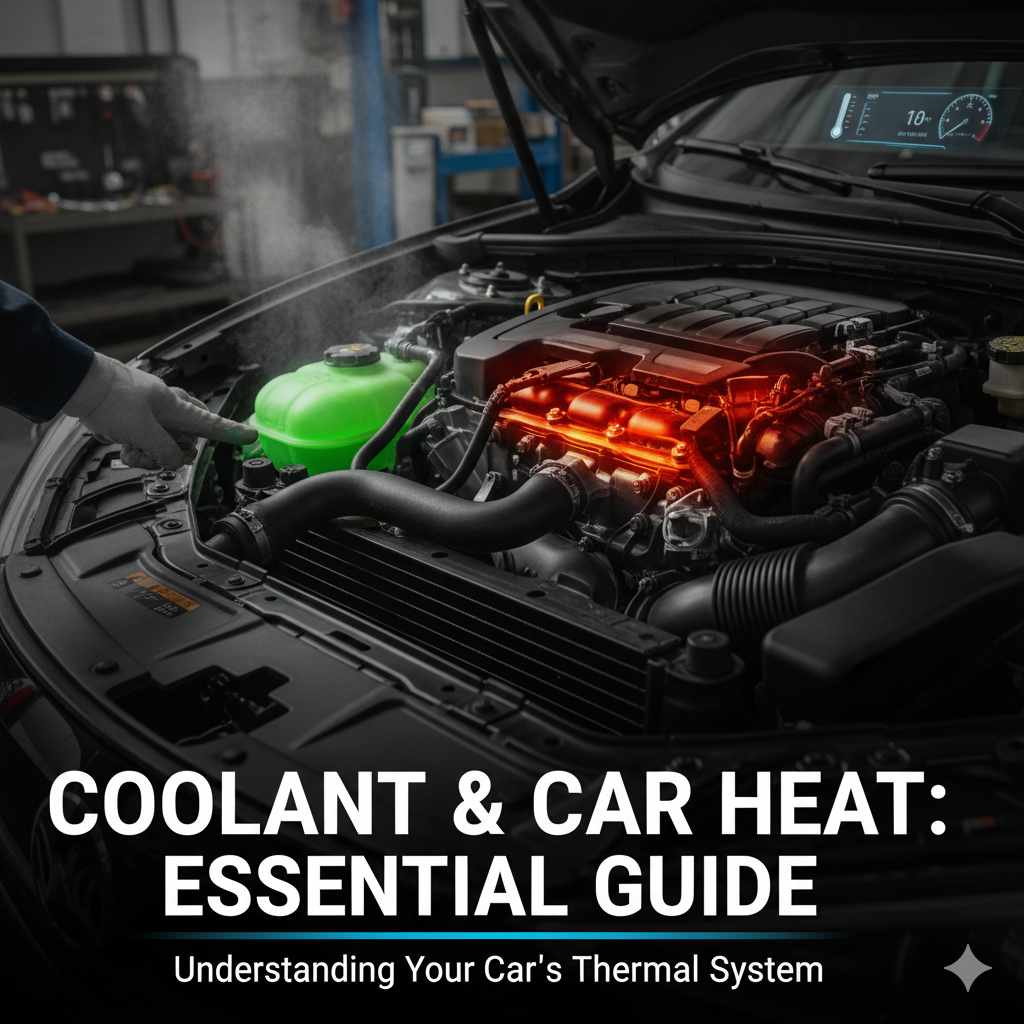
- Locate the Coolant Reservoir: This is usually a translucent plastic tank with “MAX” and “MIN” lines marked on it. It’s connected to the radiator.
- Check the Level: Look at the coolant level in the reservoir. It should be between the “MIN” and “MAX” marks.
- Check the Radiator (if needed): If the reservoir is empty or very low, carefully open the radiator cap (again, only when the engine is COLD). The coolant should be right up to the neck of the radiator.
How to Top Up Coolant
If your coolant level is low, you’ll need to add the correct type of coolant. Always refer to your owner’s manual for the specific type recommended for your vehicle. Using the wrong type can cause damage.
- Open the Reservoir Cap: With the engine COLD, slowly unscrew the cap of the coolant reservoir.
- Add Coolant/Water Mixture: If you’re topping up slightly, a 50/50 mix of pre-diluted coolant is easiest. If you’re adding a lot, you might buy concentrated antifreeze and mix it with distilled water in a clean container before adding. Distilled water is important because tap water contains minerals that can cause deposits and corrosion. Follow the 50/50 ratio for best results.
- Fill to the ‘MAX’ Line: Do not overfill.
- Replace the Cap: Securely tighten the reservoir cap.
- Run the Engine: Start the engine and let it run for a few minutes. Watch the temperature gauge and check for any leaks around the reservoir cap. You can also turn on your heater to help circulate the new coolant and remove any air pockets.
When to Flush and Replace Coolant
Coolant doesn’t last forever. The additives degrade over time, and contaminants can build up. This is why manufacturers recommend periodic coolant flushes and replacements. The service interval varies by vehicle, but it’s typically every 30,000 to 60,000 miles, or every 2-5 years.
A coolant flush involves draining the old fluid, cleaning the system to remove debris and scale, and then refilling it with fresh coolant at the correct concentration. This process ensures that your cooling system is free of obstructions and that the coolant has all its protective properties. You can often find information about flushing intervals in your owner’s manual.
Types of Coolant (Antifreeze)
Not all coolants are the same! Modern vehicles often require specific types of coolant, and using the wrong one can cause significant problems. Coolants are generally categorized by their chemical makeup and color, though color isn’t always a reliable indicator.
Common Coolant Technologies:
- Inorganic Additive Technology (IAT): This is the traditional green coolant. It works by using silicates and phosphates to protect metal surfaces. It needs to be changed more frequently than newer types.
- Organic Acid Technology (OAT): Often orange or red. These last much longer than IAT coolants because they use organic acids that form a protective layer only where needed, allowing for better heat transfer.
- Hybrid Organic Acid Technology (HOAT): These combine IAT and OAT. They are often yellow, gold, or even blue and provide a good balance of protection and longevity. Many newer domestic and import vehicles use HOAT.
Always check your owner’s manual! It will specify the G-number (e.g., G11, G12, G30) or the specific type of coolant your car needs. Mixing different types of coolants can cause chemical reactions that reduce their effectiveness, create sludge, and damage your cooling system components.
DIY vs. Professional Coolant Service
Checking and topping up coolant can easily be a DIY task. However, a complete flush and refill can be a bit messier and requires proper disposal of old fluids. If you’re not comfortable with it, or if you suspect a leak or blockage, it’s best to take your car to a trusted mechanic.
Professional services use specialized equipment to ensure the system is thoroughly flushed, properly refilled, and all air pockets are removed. They can also diagnose any underlying issues like worn water pumps or leaky hoses.
Frequently Asked Questions About Coolant and Engine Heat
Q1: How often should I check my car’s coolant?
You should check your coolant level at least once a month, and especially before long road trips. It’s also a good idea to check it after any significant temperature fluctuation.
Q2: Can I use just water in my radiator if I’m out of coolant?
In an emergency, for a very short trip, you can use plain water to get you to a repair shop. However, water alone does not protect against freezing or boiling as effectively as a proper coolant mix and lacks the necessary corrosion inhibitors. It’s a very temporary fix.
Q3: What happens if my coolant is too low?
If your coolant level is too low, your engine will not be able to dissipate heat effectively, leading to overheating. This can cause severe damage to the engine, including a blown head gasket or even a seized engine.
Q4: Is it okay to mix different colors of coolant?
No, it’s generally not recommended to mix different colors or types of coolant. While some colors are similar, their chemical compositions can differ, and mixing them can lead to reduced effectiveness, corrosion, or sludge formation in your cooling system.
Q5: Why does my car overheat even with enough coolant?
If your coolant level is correct and you’re still overheating, it could be due to several factors: a faulty thermostat not opening, a failing water pump not circulating coolant properly, a clogged radiator, a malfunctioning cooling fan, or a leak in the cooling system that is losing coolant faster than you can see.
Q6: How long does coolant last?
The lifespan of coolant depends on its type. Traditional green coolant (IAT) typically lasts 2-3 years or 30,000 miles. Longer-life coolants like OAT and HOAT can last 5 years or 100,000 miles, or even longer in some cases. Always consult your owner’s manual for the recommended service interval for your specific vehicle.
Q7: Can a dirty radiator affect engine heat?
Yes, a dirty radiator can significantly affect engine heat. Debris on the outside (like leaves and bugs) can block airflow, reducing its ability to cool the coolant. Internal contaminants or corrosion can block the radiator’s tubes, restricting coolant flow and heat transfer, leading to overheating.
Conclusion
So, to circle back to our main question: does coolant affect heat in your car? Absolutely! Coolant is the lifeblood of your engine’s temperature regulation system. It’s responsible for absorbing excess heat and dissipating it, keeping your engine running smoothly and preventing catastrophic damage from overheating. From its ideal concentration and quality to its consistent flow through the system, every aspect of your coolant directly impacts how well your car manages heat.
By understanding the signs of coolant issues, performing regular checks, and adhering to maintenance schedules, you can ensure your engine stays at its optimal operating temperature. Whether it’s topping up the reservoir, flushing the system, or ensuring you’re using the correct type of coolant, these simple steps are vital for your car’s health, performance, and your peace of mind on the road. Think of it as giving your engine a refreshing drink to keep it cool under pressure!