Does My Car Insurance Cover Me Driving Another Car: Find Out
Imagine you’re at a friend’s house and they offer you their car keys, asking if you can drive their car to a nearby store. You might hesitate, wondering, “Does my car insurance cover me driving another car?”
This question is more common than you might think, and finding the answer is crucial for your peace of mind. As a responsible driver, you want to ensure that you’re protected no matter whose car you find yourself behind the wheel of.
We’ll dive into the specifics of your insurance coverage, unraveling the layers of policies and exceptions that might apply. We will address your concerns directly, offering clarity on how your insurance works in these situations. Keep reading to discover the truth behind your policy, and gain the confidence to make informed decisions whenever you find yourself in the driver’s seat of a car that isn’t yours.
Car Insurance Basics
Car insurance is important. It protects you and your car. There are different types. Liability insurancecovers damage you cause to others. Collision insurancehelps repair your car after an accident. Comprehensive insurancecovers non-collision events like theft or fire.
Insurance has many options. Basic coverage is common. It includes liability insurance. This is the minimum you need. Some choose more protection. Uninsured motorist coverageprotects against drivers without insurance. Personal injury protectioncovers medical bills. Each option has its benefits.
Choosing the right insurance is important. Think about your needs. Do you drive often? Do you live in a busy area? These factors matter. Talk to an expert for advice. They can help you choose well.
Driving Another Car
Always ask the car owner for permissionbefore driving. It is very important. Make sure you have a legal driver’s license. Without it, you might face trouble. Some countries may need extra documents. Check local rules to know more. Having the right insuranceis also key. It protects you and others. Insurance rules can be different everywhere. Always stay informed.
Sometimes you need short-term insurance. This is called temporary coverage. It can last a few days or weeks. This is useful for short trips or rentals. Many insurance companies offer this. Make sure you understand their rules. Check what is covered in the plan. It is good to have this to stay safe.
Insurance Policies And Restrictions
Named Driver Policiesoften cover only the car listed. This means you can’t drive other cars. Some policies include a “driving other cars” clause. This allows you to drive another car, but only sometimes. It’s important to check your policy first. You may need extra insurance to drive a friend’s car.
Exclusions and Limitationsare common in car insurance. Some policies exclude young drivers. Others might not cover certain types of cars. Reading the fine print is very important. Always ask your insurer if unsure. This can help avoid problems later. Remember, insurance protects you, but only if you follow the rules.
Liability And Comprehensive Coverage
Third-Party Liabilitycovers damage to others. It pays for injuries and repairs. This coverage is important. It helps when you hit another car. It does not cover your car. It only protects the other driver. Always check your policy details. Each insurance company has different rules.
Comprehensive and Collision Coveragehelps protect your car. Comprehensive covers theft and weather damage. Collision covers crashes and accidents. Both are important. They protect your car from different dangers. Without these, you might pay for repairs yourself. Check if you have this coverage. It can save money in the long run.
Rental Cars And Insurance
Rental car companies offer different insurance options. You can choose from collision damage waiver, liability coverage, or personal accident insurance. Each option covers different things. It is important to know what you need.
Many credit cards offer insurance for rental cars. This can save you money. It may cover collision and theft. Check with your credit card company. Make sure you understand what they cover. Some cards have limits. They might not cover luxury cars or big trucks. Always read the terms carefully. Know what is included.

Credit: www.injurylawyers.com
Steps To Verify Coverage
Understanding your car insurance is essential. Check your policy details to see if you’re covered when driving another car. Contact your insurance provider directly to confirm coverage specifics, ensuring peace of mind on the road.
Reviewing Policy Documents
Check your insurance documents first. Look for sections about coverage. Focus on terms like “Driving Other Cars.” It may say if you are covered when driving other cars. Read carefully. Sometimes, coverage is limited or not included. Look for any exceptions or limits. It helps to understand your coverage better. Knowing the details can prevent surprises later.
Contacting Your Insurance Provider
Call your insurance company. Ask them about driving other cars. They can explain your coverage. Ask clear questions. They may need your policy number. Be ready to share it. Their answers can clarify your doubts. It’s always better to know before an accident happens. Staying informed protects you and others.
Alternative Coverage Solutions
Car insurance policies vary and might not cover driving another car. Check your policy for “permissive use” terms. Understanding these details helps ensure you’re protected when driving a vehicle that’s not yours.
Non-owner Car Insurance
Non-owner car insurance helps cover you when driving someone else’s car. This type of insurance is often inexpensive. It provides liability coverage for damages or injuries. Not all companies offer non-owner insurance. Some may have specific requirements for eligibility. The coverage usually excludes physical damage to the car you drive. This option is great for those who frequently borrow cars. It can also be beneficial if you use rental cars often. Always check the policy details before purchasing.
Short-term Insurance Options
Short-term car insurance is another solution. This provides temporary coverage for a short period. It’s useful for borrowing a friend’s car for a day or two. Short-term policies are flexible. They can be tailored to your specific needs. Coverage can range from a few hours to several days. These policies are often easy to purchase online. Make sure to compare rates from different providers. Short-term insurance can sometimes be expensive. Check if it includes liability and damage coverage.
Common Misconceptions
Many think car insurance covers all cars you drive. This is not always true. Some believe their policy covers any car they use. But, it often does not. Always check your policy details. Temporary coverage might be needed for other cars.
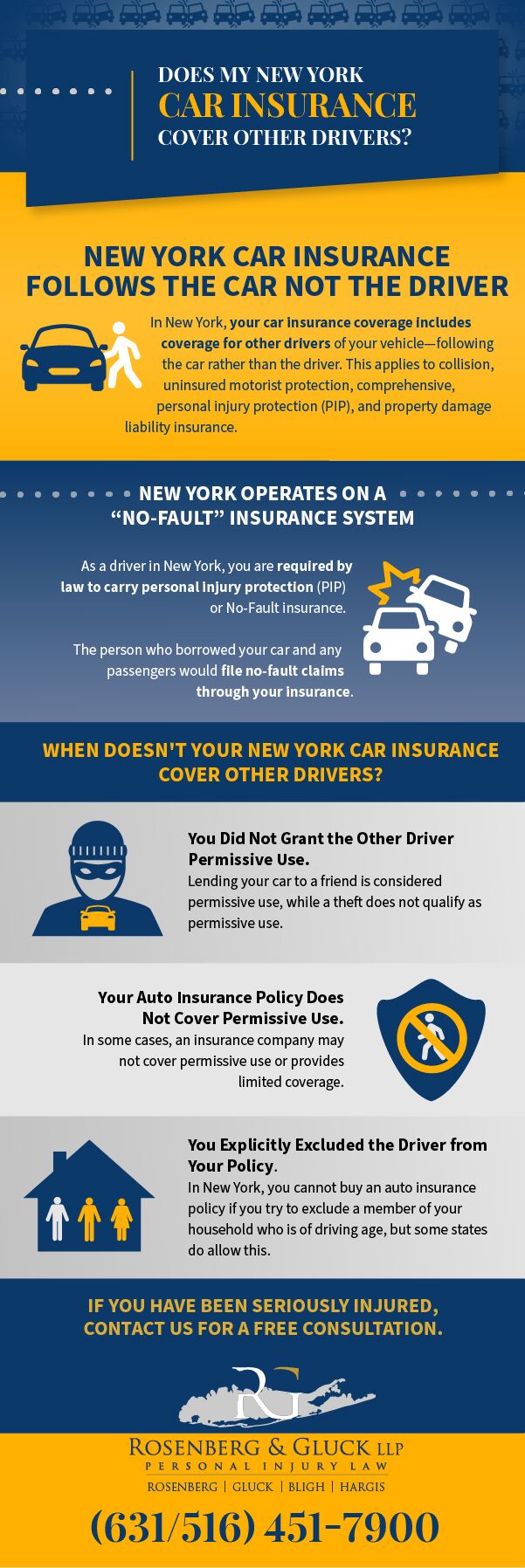
Misunderstandings can lead to problems. Some assume insurance follows the driver. In most cases, it follows the car. This means your insurance might not cover you in another car. Always ask your agent for clear information. Understanding these rules helps avoid surprise costs.
Frequently Asked Questions
Will My Insurance Cover Me In Any Car?
Your insurance may cover you when driving another car, depending on your policy. Typically, comprehensive and collision coverage are required. It’s crucial to check with your insurer for specifics. Always review your policy’s terms and conditions to understand coverage limitations.
Do I Need Additional Coverage For Other Cars?
You might need additional coverage for driving other cars. Many policies require “Drive Other Car” endorsements. These endorsements extend coverage beyond your personal vehicle. Always consult your insurance provider to understand if this applies to your situation.
Can I Drive A Rental Car With My Insurance?
Most insurance policies cover rental cars, but conditions vary. Check if your policy includes rental coverage or requires additional endorsements. Some credit cards offer rental car insurance as well. Always confirm details with your insurer before renting.
What Happens If I Drive An Uninsured Car?
Driving an uninsured car can lead to penalties and fines. Your insurance may not cover accidents with uninsured vehicles. Always ensure any car you drive has adequate insurance coverage. Consult your insurer for guidance on driving uninsured cars.
Conclusion
Understanding your car insurance is crucial. Policies differ significantly. Always check your coverage details. Know if driving another car is covered. This helps avoid unexpected costs and stress. Contact your insurance provider for clarity. Ask questions. Get answers. Knowledge empowers you to drive with confidence.
Make informed decisions. Protect yourself and others on the road. Stay safe. Stay insured.