How Many Sensors Are In A Car? You’Ll Be Surprised
It’s easy to think of a car as just metal, wheels, and an engine. But today’s vehicles are packed with tiny helpers. These helpers are called sensors.
They work behind the scenes. They make your car safer and run better. You might be surprised by how many there are.
Let’s dive in and find out.
A modern car typically contains anywhere from 20 to over 100 sensors. These sensors monitor various aspects of the vehicle’s performance, safety systems, and environmental conditions, sending data to the car’s computer for analysis and action.
The Brains and Senses of Your Car
Think of your car’s computer as its brain. Sensors are its eyes, ears, and nose. They collect information about everything happening.
This information is then sent to the car’s main computer, known as the Engine Control Unit (ECU) or Powertrain Control Module (PCM). The computer uses this data to make smart decisions.
These decisions help the car run smoothly. They also help keep you and others safe. Without these sensors, modern cars would not be able to do many things we take for granted.
Features like anti-lock brakes and cruise control would be impossible.
A Sensor’s Job: What Do They Actually Do?
At its core, a sensor is a device. It detects changes in its environment. Then, it turns that change into an electrical signal.
This signal is a form of data. This data is then processed.
For example, a temperature sensor detects heat. It sends a signal that says, “It’s hot here.” A speed sensor detects movement. It sends a signal like, “We are moving this fast.” The car’s computer reads these signals.
It then tells other parts of the car what to do.
This can mean adjusting the fuel mixture. It might mean turning on a cooling fan. It could even mean deploying an airbag.
The type of sensor dictates what it “feels” and what it reports.
My Own Sensor Scare: The Check Engine Light
I remember one time my car’s check engine light came on. It was a dark, rainy Tuesday. I was driving home from a long day.
Suddenly, this orange light glowed on my dashboard. My heart sank. I’m not a mechanic, so this always feels like a bad omen.
I immediately imagined the worst. Was the engine about to fall out? Would I be stranded?
I pulled over safely. I tried to listen for any strange noises. The car seemed to be running okay.
But that light was a constant worry. Later, I learned it was a faulty oxygen sensor.
It wasn’t a catastrophic failure. But it showed me how much we rely on these small parts. That little sensor was telling the car’s computer something wasn’t quite right.
It was trying to prevent bigger problems. It’s a good reminder that they are always working.
Key Sensor Types and Their Roles
Engine Performance Sensors: These are crucial. They help the engine run efficiently. Examples include crankshaft position sensors and camshaft position sensors.
They tell the computer when pistons are moving. This helps time fuel injection and spark plugs.
Safety System Sensors: These keep you safe. Think about airbags. Impact sensors detect a crash.
They trigger the airbags to deploy. Anti-lock braking system (ABS) sensors detect wheel speed. They prevent wheels from locking up during hard braking.
Emissions Control Sensors: These help the environment. Oxygen sensors (O2 sensors) measure oxygen in exhaust gas. This helps the computer adjust fuel burning for less pollution.
Driver Comfort Sensors: These make driving nicer. Temperature sensors adjust the climate control. Rain sensors turn on wipers.
Light sensors activate headlights.
Where Are All These Sensors Hiding?
You can’t see most sensors easily. They are built into many different parts of the car. Some are very visible.
Others are deep inside the engine or other systems. They are placed precisely where they need to monitor something specific.
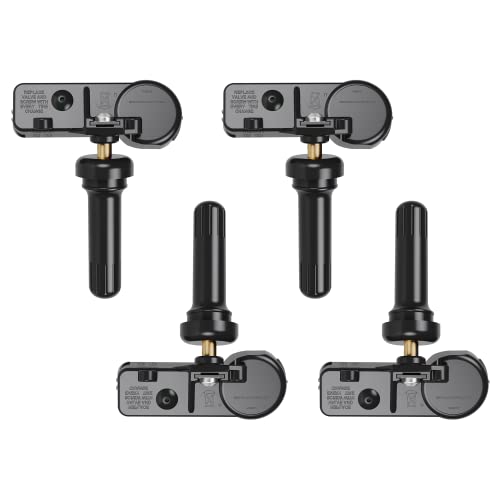
For instance, a speed sensor might be near the wheels. A mass airflow sensor is in the engine’s air intake system. A tire pressure monitoring sensor is inside each tire.
It’s a complex network of many small parts.
The Big How Many Are We Talking About?
It’s hard to give one exact number. It changes based on the car’s make, model, and year. Older cars had far fewer sensors.
A car from the 1980s might have had only a dozen or so. Modern cars are very different.
A basic car today might have 20 to 30 sensors. Luxury cars or cars with advanced features can have 50, 70, or even over 100. Think about cars with advanced driver-assistance systems (ADAS).
These systems rely on many sensors.
Examples of ADAS sensors include:
- Radar sensors: For adaptive cruise control and forward collision warning.
- Lidar sensors: For measuring distances and creating 3D maps of the surroundings.
- Cameras: For lane departure warnings, traffic sign recognition, and automatic emergency braking.
Each of these advanced systems adds many more sensors to the total count.
Breaking Down the Count: A Closer Look at Common Sensors
Let’s look at some common sensor categories and how many might be in each. This will help show why the numbers get so high.
Common Sensor Categories and Estimated Counts
Engine Management:
- Crankshaft Position Sensor: 1-2
- Camshaft Position Sensor: 1-3
- Mass Airflow Sensor (MAF): 1
- Manifold Absolute Pressure Sensor (MAP): 1
- Throttle Position Sensor (TPS): 1-2
- Oxygen Sensors (O2 Sensors): 2-4 (more with multiple exhaust banks)
- Coolant Temperature Sensor: 1-2
- Oil Pressure Sensor: 1
- Knock Sensor: 1-2
- Fuel Pressure Sensor: 1
Transmission:
- Input/Output Speed Sensors: 2-4
- Transmission Fluid Temperature Sensor: 1
Braking System:
- Wheel Speed Sensors (for ABS/ESC): 4
- Brake Pedal Position Sensor: 1
Safety & Airbags:
- Airbag Impact Sensors: 4-6
- Occupant Classification Sensor: 1-2
- Seatbelt Buckle Switch: 1-5
Emissions:
- Exhaust Gas Temperature Sensor: 1-2
- Particulate Matter Sensor: 1 (on diesel vehicles)
HVAC (Heating, Ventilation, Air Conditioning):
- Ambient Temperature Sensor: 1
- Evaporator Temperature Sensor: 1
- Sunload Sensor: 1
- Cabin Temperature Sensor: 1-2
Chassis & Other:
- Steering Angle Sensor: 1
- Ride Height Sensors: 1-4 (for adaptive suspension)
- Tire Pressure Monitoring System (TPMS) Sensors: 4
- Rain Sensor: 1
- Light Sensor: 1
- Parking Sensors (Ultrasonic/Radar): 4-12
Advanced Driver-Assistance Systems (ADAS):
- Forward-Facing Camera: 1
- Radar Sensors (front/rear/corner): 1-6
- Lidar Sensors: 1-2
Note: This list is not exhaustive and counts can vary greatly by vehicle.
Why So Many Sensors Now? The Evolution of Cars
Cars have become much smarter over the years. This wasn’t an overnight change. It’s been a gradual process driven by several factors.
Safety regulations have played a huge role. Consumer demand for comfort and efficiency is also key.
In the past, cars were mechanically simple. If something broke, you often heard it or felt it immediately. Today, cars are much more complex.
They use computers and sensors to manage these complexities. This allows for better performance, fuel economy, and, most importantly, safety.
Government regulations push for lower emissions. This requires precise control of the engine’s fuel and air mix. Sensors provide the data needed for this control.
Think about stricter safety tests. Cars need to protect occupants better. This led to advanced airbag systems and stability control, all sensor-driven.
The Impact of Technology: From Simple to Smart
Technology has been the main driver. The development of microprocessors made it possible to process sensor data. Affordable and reliable sensors became available.
This allowed carmakers to add more features.
Early systems focused on the engine. They aimed to improve fuel efficiency and reduce emissions. Then came safety features.
ABS and electronic stability control (ESC) became common. These systems use wheel speed sensors to prevent accidents.
Now, we are in the era of semi-autonomous driving. Cars can brake, steer, and accelerate on their own in certain situations. This level of automation is only possible with a vast array of sophisticated sensors working together.
My Friend’s New Car: A Sensor Wonderland
My friend, Sarah, just bought a new electric SUV. It’s amazing. She was showing me all the features.
I kept asking her, “What does that do?” She explained that the car had blind-spot monitoring, lane-keeping assist, adaptive cruise control, and a 360-degree camera system. It even parks itself!
She mentioned that the car’s computer uses data from cameras, radar, and ultrasonic sensors. These sensors are all over the vehicle. Some are hidden in the bumpers.
Others are behind the windshield or in the side mirrors. It sounded like a sci-fi movie.
We popped the hood, and even there, there were more sensors than I remembered seeing on my old car. She pointed to the different modules and said, “Each one of these helps the car ‘see’ or ‘feel’ something.” It really hammered home how much technology is packed into these machines today.
Understanding Sensor Data Flow
1. Detection: A sensor detects a physical change (e.g., temperature, pressure, speed, light).
2. Transduction: The sensor converts this physical change into an electrical signal. This signal is usually a voltage or current.
3. Transmission: The electrical signal is sent via wires to the car’s computer (ECU/PCM).
4. Processing: The computer analyzes the signal. It compares it to programmed values or thresholds.
5. Action: Based on the analysis, the computer commands another part of the car to act. This could be adjusting an engine component, activating a warning light, or engaging a safety system.
When a Sensor Goes Bad: What Happens?
When a sensor fails, it can cause a range of problems. Sometimes the issue is minor. Other times, it can make the car undrivable or unsafe.
Common signs of a failing sensor include:
- Check Engine Light: This is the most common warning. It indicates a problem with the engine or emissions system.
- Poor Engine Performance: Rough idling, loss of power, or stalling can occur.
- Increased Fuel Consumption: A faulty sensor can make the engine run inefficiently.
- Brake Issues: Problems with ABS or traction control systems.
- Transmission Problems: Difficulty shifting gears or slipping.
- Warning Lights: Lights for ABS, airbags, or traction control may illuminate.
It’s important to address these issues promptly. A small sensor problem could lead to more significant damage if ignored. A mechanic can diagnose sensor issues using specialized tools.
Real-World Scenarios: Sensors in Action
Let’s think about a few everyday driving situations and how sensors are involved.
Scenario 1: Starting the Car
When you turn the key or push the start button, multiple sensors kick in. The crankshaft position sensor tells the computer the engine is rotating. The camshaft position sensor helps time the valves.
The mass airflow sensor measures how much air is entering the engine. The coolant temperature sensor tells the computer if the engine is cold or warm. All this data helps the computer decide how much fuel to inject and when to spark.
Scenario 2: Driving in the Rain
If your car has a rain-sensing wiper system, a sensor on the windshield detects raindrops. It tells the wipers to turn on and adjust their speed. If you brake suddenly on wet roads, ABS wheel speed sensors detect if a wheel is about to lock up.
They then pulse the brakes to maintain steering control. This prevents skidding.
Scenario 3: Approaching a Stoplight
Many modern cars have features like automatic start/stop. When you brake to a stop, a sensor (often the brake pedal position sensor) tells the computer that the car is stopped. The computer then shuts off the engine to save fuel.
When you release the brake, another sensor signals the computer to restart the engine quickly.
Sensor Maintenance and Care
Keep it Clean: While most sensors are protected, some, like MAF sensors, can get dirty. Dirt can affect their readings. Regular air filter changes help protect the MAF sensor.
Check for Leaks: Engine oil or coolant leaks can sometimes affect nearby sensors. Address any leaks promptly.
Address Warning Lights: Don’t ignore the check engine light or other dashboard warnings. They are often early indicators of sensor issues.
Use Quality Parts: If a sensor needs replacement, use parts recommended by your car manufacturer or a reputable aftermarket supplier. Cheap, generic sensors can sometimes cause more problems.
Professional Diagnosis: For complex issues, a qualified mechanic has the tools to accurately diagnose and replace faulty sensors.
When Is It Normal and When Should You Worry?
Most of the time, all these sensors are doing their job perfectly, and you don’t notice them. They are part of the background hum of your car’s operation.
When It’s Normal:
- Your car starts reliably every time.
- The engine runs smoothly without unusual noises or vibrations.
- Fuel economy is consistent with expectations.
- Safety features like ABS and traction control engage subtly when needed, like during a sudden stop on a slippery road.
- The climate control keeps the cabin at the set temperature.
When to Worry:
- The check engine light or any other warning light comes on.
- You notice a significant change in how the car drives:
- Rough idling or stalling.
- Loss of acceleration or power.
- Hesitation when you press the gas pedal.
- Transmission shifting erratically.
- Your fuel economy drops noticeably without a change in driving habits.
- Brake performance feels different, or the ABS warning light is on.
- The car makes strange noises or vibrates unexpectedly.
If you notice any of these worry signs, it’s time to have your car checked by a professional. They can use diagnostic tools to read trouble codes from the car’s computer. These codes often point directly to a specific sensor or system that is malfunctioning.
Quick Checks You Can Do
While you can’t test most sensors yourself without specialized equipment, there are simple checks you can perform:
1. Visual Inspection:
Under the hood, look for any obvious signs of damage to wiring harnesses or sensors. Are any wires frayed or disconnected? Is there any fluid leaking onto a sensor?
2. Listen and Feel:
Pay attention to how the car sounds and feels when you drive. Are there new noises? Is the engine running rough?
Does the transmission shift smoothly?
3. Monitor Dashboard Lights:
Never ignore warning lights. Make a note of which light comes on and under what circumstances. This is vital information for a mechanic.
4. Check Tire Pressure:
If your TPMS light is on, check your tire pressure with a gauge. Sometimes the light is just indicating low pressure, not a faulty sensor.
5. Basic Maintenance:
Regular maintenance, like changing air filters and spark plugs, can help prevent other components from failing. A clean engine bay is less likely to have sensor issues related to dirt or debris.
The Future of Car Sensors
The number of sensors in cars will only continue to grow. As cars become more connected and automated, they will need even more ways to perceive their surroundings and their own internal states.
Expect to see more advanced sensor fusion. This means combining data from multiple sensor types (cameras, radar, lidar) to create a more complete and accurate picture. This is essential for self-driving technology.
We will also see more sensors focused on driver monitoring. These will detect driver fatigue or distraction.
New materials and technologies will likely lead to even smaller, more efficient, and more robust sensors. The goal is always to improve safety, efficiency, and the overall driving experience. It’s an exciting time for automotive technology.
Frequently Asked Questions
How do I know which sensor is bad if my check engine light is on?
The check engine light indicates a problem detected by the car’s computer. A mechanic uses a diagnostic scanner to read the “trouble codes” stored in the computer. These codes typically point to a specific sensor or system.
For example, a P0171 code might suggest a lean condition, often related to an oxygen sensor or mass airflow sensor.
Can I drive my car if a sensor is bad?
It depends on the sensor. If it’s a sensor for a non-critical system like the ambient temperature, you can likely drive the car, though some features might not work. However, if it’s a critical sensor for the engine, brakes, or airbags, driving can be unsafe or cause further damage.
Some cars will enter “limp mode” to protect the engine.
Are all sensors in a car digital or analog?
Modern car sensors are primarily digital or send analog signals that are then converted to digital by the car’s computer. Older cars might have used more purely analog systems. The key is that they all convert a physical measurement into an electrical signal for the computer to interpret.
What is the most common sensor to fail in a car?
While it can vary by vehicle, oxygen sensors (O2 sensors) are among the most frequently replaced sensors. They operate in a harsh exhaust environment and are crucial for emissions control and fuel efficiency. Other common failures include mass airflow sensors and crankshaft position sensors.
Do electric cars have as many sensors as gasoline cars?
Yes, and often more. Electric vehicles (EVs) have sophisticated battery management systems that use numerous temperature and voltage sensors. They also have sensors for electric motor control, regenerative braking, and charging systems.
Plus, EVs often include advanced driver-assistance systems which add to the sensor count, similar to gasoline cars.
Can I replace a sensor myself?
Some sensors are relatively easy to replace, especially those in accessible locations like the mass airflow sensor or some coolant temperature sensors. They often just plug in and are held by a few bolts. However, others are deeply integrated into complex systems and require specialized tools and knowledge.
It’s always best to consult your car’s manual or a professional if you’re unsure.
The Unseen Network
It’s truly amazing when you think about it. Your car is constantly being monitored by dozens, sometimes hundreds, of tiny electronic eyes and ears. These sensors are working hard, making millions of decisions every minute.
They ensure your ride is safe, smooth, and efficient. So next time you drive, remember the incredible unseen network keeping everything in order.
Products related to this article
Sponsored / affiliate links. As an Amazon Associate I earn from qualifying purchases. I may earn additional commission from eligible campaigns.