Does Salt Damage Car Paint: Uncover the Shocking Truth
Have you ever wondered if salt might be silently wreaking havoc on your car’s paint? Living in regions with snowy winters or coastal areas means you’re no stranger to salt—whether it’s sprinkled on icy roads or carried in the sea breeze.
You might have noticed some unsightly spots on your car and wondered if salt is the culprit. Understanding how salt affects car paint is crucial for maintaining your vehicle’s appearance and value. This article will dive into how salt interacts with your car’s paint, revealing the surprising ways it might be causing damage.
Keep reading to discover how you can protect your beloved vehicle from the salty threat and ensure it remains in pristine condition. Your car deserves the best care, and you deserve to know how to provide it.
Effects Of Salt On Car Paint
Salt can cause damage to car paint. It reacts with the metal under the paint. Rust forms when salt mixes with moisture. Rust spreads fast. It eats away the paint. Paint bubbles and flakes off. This leaves the car exposed. Protect your car from salt. Wash it often. Keep it dry to prevent damage.
Weather plays a role in salt damage. Cold climates use salt on roads. This helps melt ice. Salt sticks to cars. Rain can wash some salt away. But it also helps salt react. Dry weather can stop salt from reacting. Salt stays on the car in dry weather. Wind can blow salt dust onto cars. Keep your car clean to limit damage.
Credit: www.ziebart.com
Signs Of Salt Damage
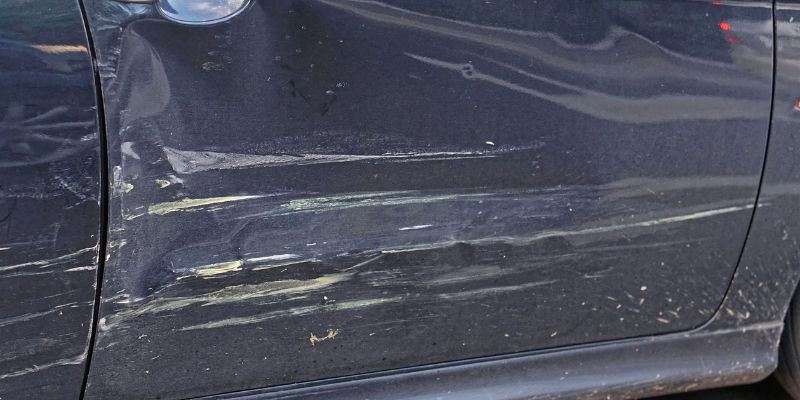
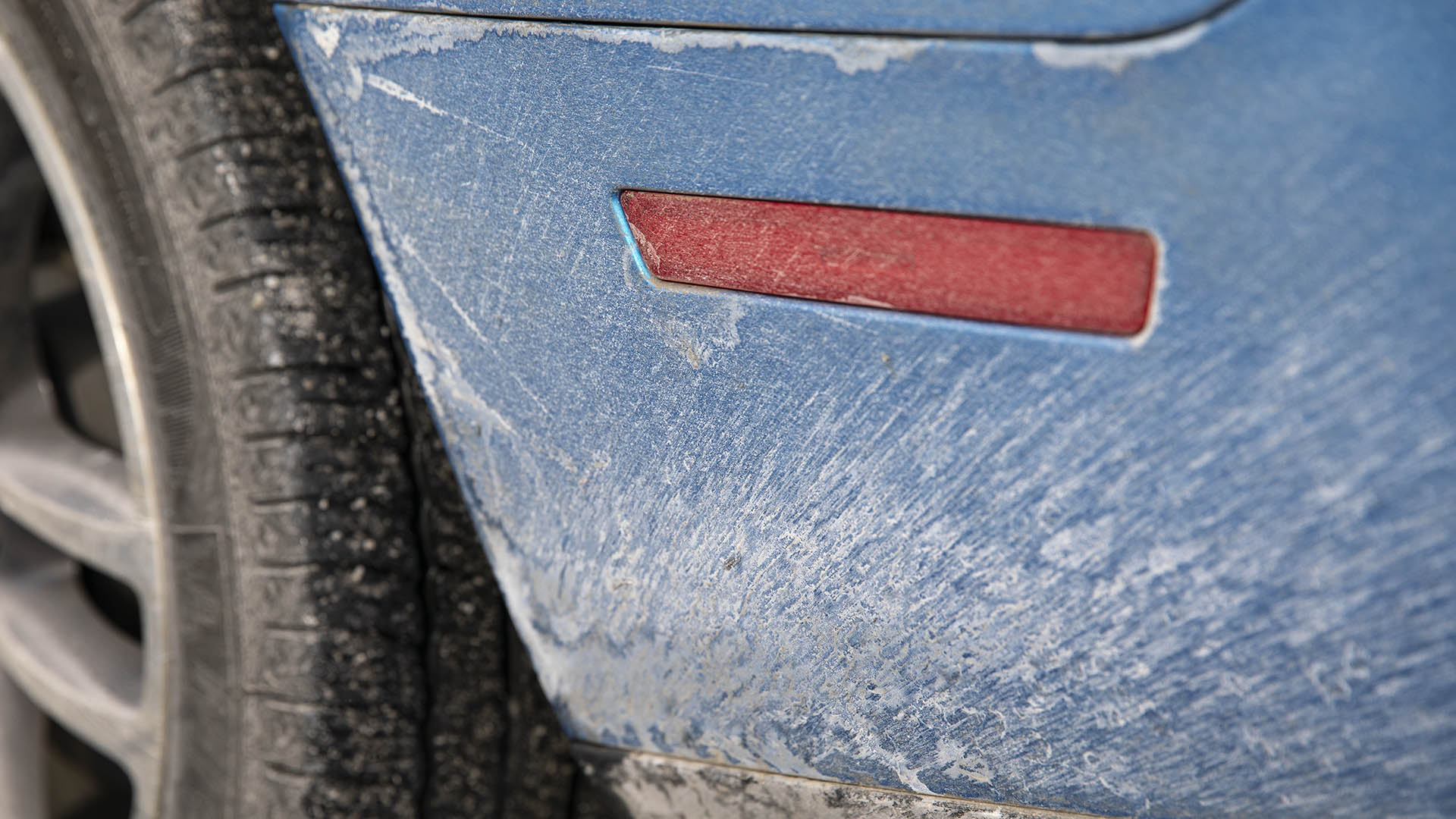
Salt can leave a white residueon car paint. This residue is easy to see. It looks like a powder. Paint may also look dullor faded. This is a sign of damage. Look for bubblesor blistersin the paint. These can show hidden problems. Rust spots might appear on the surface. They are often brownor red. Check the car in bright light for the best view.
Salt can cause rustunder the car. This can weaken parts. The car’s frame may corrodeover time. This affects safety. The car might make strange noiseswhen driving. These noises can come from damaged parts. Salt can also damage the brakesand suspension. These are important for safe driving. Regular checks can help find these problems early.
Preventive Measures
Salt can harm car paint by causing corrosion, leading to rust spots and damage. Regular washing and waxing help protect the vehicle’s surface from salt exposure. Applying a protective sealant further shields the paint from the harsh effects of salt.
Protective Coatings
Applying a protective coating on your car can help. It creates a shield. This shield guards against salt and other harmful elements. Car wax is a popular choice. It forms a layer on the paint. This layer can resist salt. Another option is ceramic coating. It’s tougher than wax. It provides more protection. Both options are good. Choose what suits your car best.
Regular Maintenance
Regular maintenance keeps your car safe. Always wash your car after it gets dirty. Salt can stick to the paint. Rinse it off with water. Use a gentle car shampoo. Dry the car completely. Moisture can harm the paint. Check for scratches often. Scratches can let salt in. Fix them quickly. This helps to keep the paint safe. Regular checks ensure your car stays nice.
Safe Driving In Salty Conditions
Road salt helps keep roads safe. It melts ice and snow. Salt can harm car paint over time. It sticks to the surface. Paint can peel off if not cleaned.
Cold weather brings more salt. Snowy areas use salt more often. Rain can wash salt away. Dry days keep salt on the roads. Regular cleaning is important. Use water to rinse the car.
Repair And Restoration Options
Salt can make your car paint look bad. To fix it, you can try some DIY solutions. Wash your car with water often. This removes salt before it eats the paint. Use a soft cloth and mild soap. Dry the car well after washing.
You can also use a scratch remover. It helps in hiding small marks. Waxing your car is a good idea too. It gives a shiny look and acts like a shield. You can buy wax from any auto store.
Sometimes, DIY is not enough. Professional services can help more. They know how to make your car look new. They use special tools and products. Professionals can remove deep scratches and apply new paint. They also polish the car for extra shine.
Visiting a professional can save time and effort. They ensure the car looks its best. Costs may vary, but the results are often worth it. For long-lasting results, consider a professional service.

Credit: www.2822news.com
Myths And Facts About Salt Damage
Salt can harm car paint, leading to corrosion and rust. It’s a common issue in winter. Regular cleaning helps protect your vehicle’s finish from salt damage.
Common Misconceptions
Many people believe salt eats car paint quickly. This is not true. Salt can cause damage, but it takes time. Paint protects the car from salt. If paint is cracked, salt can reach the metal. This can cause rust over time. Regular cleaning helps prevent damage.
Scientific Insights
Salt reacts with moisture and air. This reaction can create rust. Rust weakens the car’s metal. Paint acts as a shield. Salt alone does not harm paint. Wet and salty conditions increase risk. Parking indoors can help. Good paint condition is key. A clean car lasts longer. Regular wash removes salt. This keeps the car safe.
Frequently Asked Questions
How Does Salt Affect Car Paint?
Salt can accelerate the corrosion process of car paint. It can lead to rust formation, especially in areas with paint chips or scratches. Regular washing helps remove salt residues, protecting your car’s paint and preventing long-term damage.
Can Road Salt Cause Rust On Cars?
Yes, road salt can cause rust on cars. It reacts with water and oxygen, speeding up the corrosion process. Rust typically starts in exposed metal areas. Regular cleaning and protective coatings can reduce the risk of rust.
How Often Should I Wash My Car In Winter?
In winter, wash your car every two weeks if possible. This helps remove salt and dirt, preventing damage to the paint. Pay special attention to the undercarriage where salt accumulation can lead to rust.
Is Salt Damage Covered By Car Warranty?
Salt damage is usually not covered by car warranties. Warranties often exclude corrosion caused by environmental factors. Regular maintenance and protective measures can help prevent damage from salt.
Conclusion
Salt can harm your car’s paint over time. Regular cleaning helps prevent damage. Rinse your car often, especially in winter months. Pay attention to areas near the wheels and undercarriage. Use a good quality wax to add a protective layer.
This keeps your car looking fresh and shiny. Regular maintenance saves money on costly repairs. It’s simple and effective. Keep your car safe from salt damage. Enjoy a longer-lasting, beautiful paint job.