How to Get Paint Off a Car: Safe Methods That Won’t Damage Your Finish
To get paint off a car, use soapy water or isopropyl alcohol diluted with water for fresh paint (under 48 hours); for cured paint transfer, use a clay bar or a commercial product like Goof Off. Never use acetone or paint thinner — both strip the clear coat. Always wash and wax afterward to restore protection.
Assessing The Paint Damage
Before removing paint from a car, assess the damage. Identifying the type and extent of paint contamination determines the right tools and approach — and prevents making the damage worse.
Check The Paint Type
Identify what type of paint is on your car. Fresh water-based paint (like from a road marking or a parking barrier) wipes off easily with soapy water. Oil-based or cured paint transfer requires solvents or a clay bar. If you can scratch the deposit off with a fingernail without marking the clear coat underneath, it’s surface-level and removable at home.
Evaluate The Area Affected
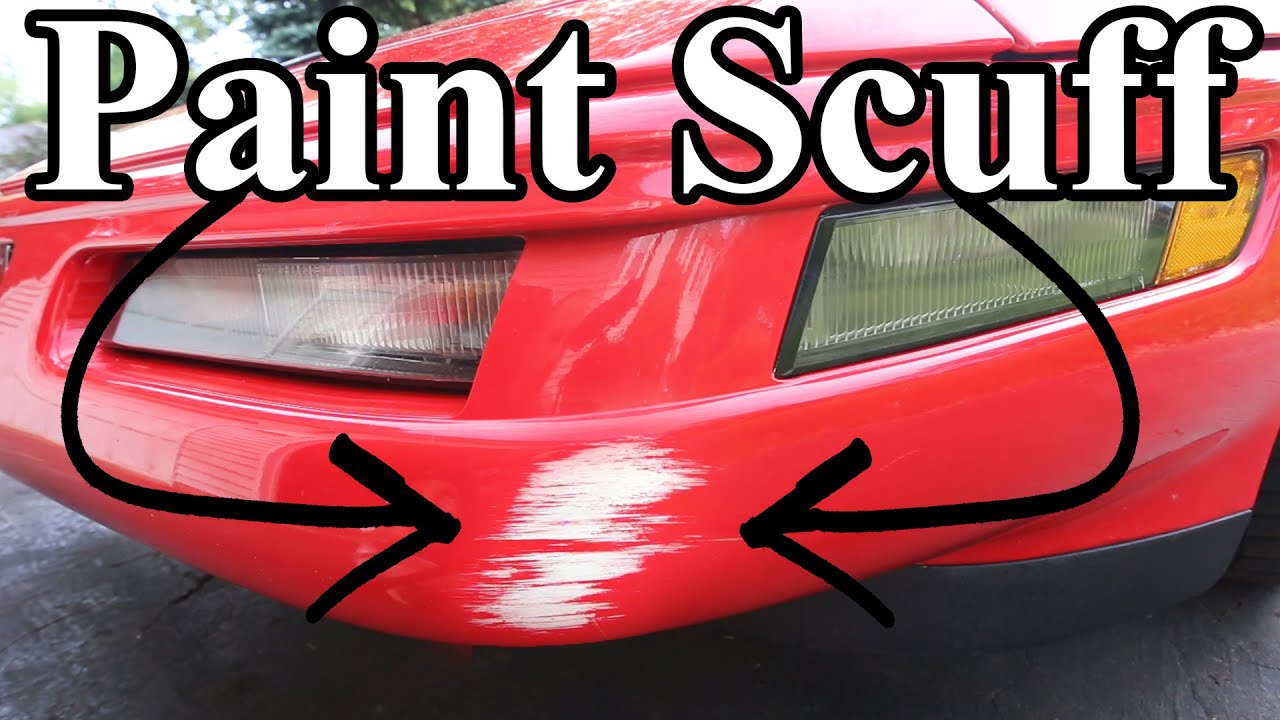
A small scuff under six inches is manageable with DIY methods. Large areas of paint overspray or multiple panels covered in transfer paint may need professional detailing equipment for even, consistent removal.
Determine The Depth Of Damage
Check how deep the foreign paint goes. Surface-level paint sits on top of your car’s clear coat and responds well to solvent or mechanical removal. If the damage cuts through the clear coat into the base coat or primer, paint removal alone won’t fix it — you’ll need touch-up paint or a body shop.
Inspect For Any Scratches
Look for scratches under the transferred paint. Run your fingernail across the area after cleaning — if your nail catches a groove, there’s a scratch beneath the paint deposit. You’ll need to address that separately after the paint is removed.
Consider The Car’s Paint Condition
Older paint with oxidation or micro-scratches is more vulnerable to aggressive removal methods. On older vehicles, skip directly to the clay bar step rather than using solvents, which can worsen existing dullness in compromised clear coat.
Choosing The Right Tools
Using the correct tools prevents scratching the surface or pushing the problem deeper into the clear coat. Match the tool to the severity of the paint contamination.
Essential Supplies
Gather the right supplies before starting. A plastic scraper or plastic razor blade can lift thick paint deposits without scratching. A clay bar is the go-to mechanical tool for embedded paint transfer — it pulls contaminants off the surface without abrasion. Isopropyl alcohol (70% or higher), mineral spirits, or a dedicated bug-and-tar remover are the safest solvent options for most paint transfer situations.
A good car wash soap and microfiber cloths are essential for prep and cleanup. For stubborn cured paint, a polishing compound and dual-action polisher can remove the last traces and restore the finish. Always have car wax ready for the final step — any chemical treatment should be followed by a protective wax coat.
Protective Gear
Wear nitrile gloves when handling solvents or chemical paint removers to protect your skin from irritation. A respirator or N95 mask is advisable when working with mineral spirits or commercial paint removers in enclosed or poorly ventilated spaces. Eye protection prevents splashes from reaching your eyes during application.
Gentle Cleaning Techniques
Removing paint from a car safely starts with the gentlest method possible and escalates only if needed. Always begin with soap and water — it works on fresh paint and costs nothing.
Using Soap And Water
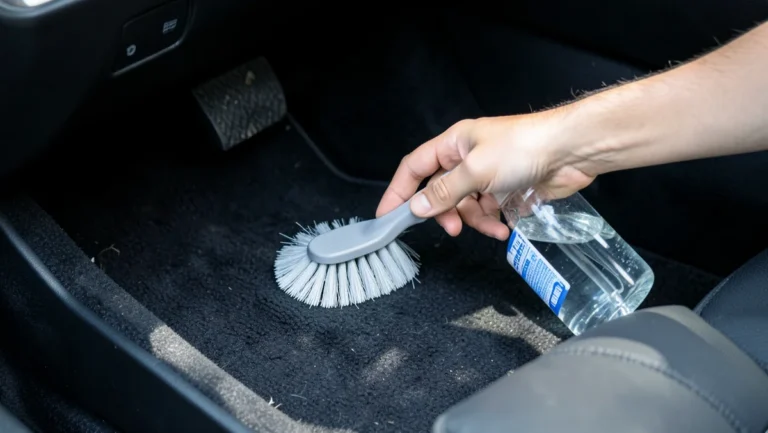
For paint that is still fresh (within 24–48 hours), warm water and car wash soap can often remove it entirely. Soak a microfiber cloth in warm soapy water and press it against the affected area for two to three minutes to soften the paint. Then rub in circular motions with light pressure. Rinse and check progress — repeat two or three times before moving to stronger methods. Microfiber cloths are critical here; they are soft enough to avoid introducing new scratches to the clear coat.
Applying Non-abrasive Cleaners
If soap and water stalls out, move to a non-abrasive automotive cleaner or detailing spray formulated for paint-safe use. Apply to a clean microfiber cloth and work the affected area in small circular motions. These products dissolve light surface contamination without cutting into the clear coat. Always test in a hidden area first — behind the door jamb or on the lower rocker panel — to confirm the product doesn’t affect your car’s finish.
Chemical Solutions
When gentle cleaning doesn’t fully remove the paint, solvents and commercial products are the next step. The right chemical dissolves the foreign paint without attacking the clear coat underneath.
Safe Solvent Options
Three solvents are safe for automotive clear coat when used correctly:
- Isopropyl alcohol (70–90%): Dilute 1:1 with water. Apply to a microfiber cloth and rub the affected area with light pressure. IPA is effective on paint transfer and does not damage clear coat at this dilution. Wipe with a damp cloth after, then wash and wax.
- Mineral spirits: Apply a small amount to a soft cloth and test on a hidden area first. Rub gently on the paint deposit and wipe clean immediately. Mineral spirits evaporate quickly and leave minimal residue, but they remove surface wax — rewax the area afterward.
- WD-40: Spray on the affected area and let it sit for two to three minutes to loosen the paint. Wipe clean with a microfiber cloth. WD-40 is safe on clear coat and effective on light paint transfer. Always wash and wax after use to remove the oil residue.
Avoid acetone and standard paint thinner — both can dissolve your car’s clear coat and base coat. See our guide on why acetone damages car paint for the full explanation.
Using Commercial Products
Dedicated automotive paint transfer removers are the most effective chemical option for stubborn deposits. Products like Goof Off Automotive Paint Overspray Remover and 3M Adhesive Remover are formulated to dissolve paint without damaging automotive finishes. Apply a small amount to a microfiber applicator pad and work the affected area in small circles. Follow the manufacturer’s dwell time — don’t rush it. Wipe clean, then wash and wax the entire panel to restore the protective layer.
Mechanical Methods
When chemical methods alone aren’t enough, mechanical removal pulls embedded paint out of the clear coat surface. These methods are safe on modern automotive finishes when used with the correct technique.
Using A Clay Bar
A clay bar is the most effective method for removing paint transfer that has bonded to the clear coat. Start by washing the car to remove loose dirt. Spray clay lubricant generously on a small section of the affected area. Flatten the clay bar and glide it back and forth across the lubricated surface using light pressure — always linear strokes, never circular. The clay grabs paint particles and pulls them off the clear coat without scratching. Fold the clay bar frequently to expose a clean section and prevent recontamination. After each section, wipe dry and inspect — the surface should feel as smooth as glass. Finish with a coat of wax to seal and protect the treated area.
Polishing Techniques
For paint transfer that remains after clay bar treatment, a cutting or polishing compound removes the final traces by lightly abrading the top layer of clear coat. Apply a small amount of compound to a foam applicator pad and work in a 2×2 foot section using circular or cross-hatch motions with moderate pressure. For a dual-action (DA) polisher, use a medium-cut foam pad at speed 4–5. Wipe residue with a clean microfiber cloth. Follow immediately with a finishing polish, then wax or paint sealant to restore the protective layer. See our complete car detailing guide for a full finish restoration process.
Preventing Future Paint Damage
Keeping your car’s paint protected reduces the chance of transfer paint bonding to the surface in the first place. A well-maintained clear coat is easier to clean and more resistant to contamination.
Protective Coatings
Applying a protective coating is the most effective long-term defense against paint transfer. Ceramic coatings create a hard, hydrophobic layer that sits on top of the clear coat, making it significantly harder for foreign paint to bond. A professional ceramic coat lasts 2–5 years. Paint protection film (PPF) provides a physical barrier on high-impact areas like the front bumper, hood edges, and door sills. For budget-conscious owners, a quality carnauba or synthetic wax applied every 2–3 months provides a sacrificial layer that makes paint transfer easier to remove.
Regular Maintenance Tips
Wash your car every one to two weeks to remove contaminants before they bond to the paint. Use a pH-neutral car wash soap and a clean microfiber mitt to avoid introducing swirl marks. Decontaminate with a clay bar every six months or when the surface no longer beads water properly. Spot new paint deposits early — fresh paint is far easier to remove than paint that has cured for weeks. Address small nicks and chips with touch-up paint promptly to prevent rust from forming under the damaged area.
When To Seek Professional Help
Some paint damage situations are beyond safe DIY removal. Knowing when to call a professional saves you from turning a cosmetic issue into a costly panel respray.
When Diy Isn’t Enough
If you’ve worked through every method — soap and water, solvents, clay bar, and polishing compound — and paint remains, a professional detailer has access to stronger paint-safe chemical strippers and machine polishing setups that can handle what household methods can’t. Don’t escalate to acetone or paint thinner on your own — those will cause more damage than the original transfer paint.
Dealing With Large Areas
If multiple panels are covered in paint overspray or transfer, hand removal becomes impractical and produces uneven results. A detail shop can machine-polish an entire panel consistently in less time than hand-polishing a single section, with a far more uniform finish.
Concerned About Your Car’s Finish?
If your car has a specialty finish — matte, satin, or wrapped paint — do not use standard polishing compounds or chemical removers without confirming they are safe for that surface type. Matte finishes cannot be polished; any abrasive contact permanently alters the sheen. A professional with experience in specialty finishes should handle paint removal on these vehicles.
Uncertain About The Paint Type?
If you can’t identify whether the foreign paint is water-based or oil-based, or the transfer paint has been on the car for an unknown period, consult a professional before attempting chemical removal. The wrong solvent for a particular paint type can bond the deposit further or damage the clear coat.
Seeking Peace Of Mind
Professional paint transfer removal typically costs $50–$150 depending on the size of the area and method required — significantly less than a panel respray if DIY attempts go wrong. When in doubt, a professional assessment is worth the cost.
Frequently Asked Questions
How Can I Safely Remove Paint From My Car?
Start with the gentlest method: soapy water and a microfiber cloth for fresh paint. If that fails, try isopropyl alcohol diluted 1:1 with water or a bug-and-tar remover. For cured paint transfer, use a clay bar with clay lubricant. For any remaining traces, use a polishing compound. Finish with a coat of wax to restore the protective layer. Test all products on a hidden area first.
What Household Items Can Remove Car Paint?
Isopropyl alcohol (rubbing alcohol) is the most effective household option — dilute it 1:1 with water and apply with a microfiber cloth. WD-40 also works on light paint deposits; spray it on, let it sit a few minutes, and wipe clean. Baking soda paste (mixed with water) can help with very fresh water-based paint. Always rinse and wax afterward to restore the protective layer.
Does Wd-40 Remove Car Paint?
WD-40 can remove light paint transfer from a car without damaging the clear coat. Spray it onto the affected area, let it dwell for two to three minutes, then wipe with a clean microfiber cloth. It works best on fresh or light deposits. After removal, wash the area with car soap to remove WD-40 residue, then apply wax to restore protection.
Can Acetone Damage Car Paint?
Yes, acetone damages car paint by dissolving the clear coat and base coat — not just the foreign paint on top. Even brief contact with full-strength acetone can leave dull spots or completely strip the finish from the affected area. Use isopropyl alcohol, mineral spirits, or a purpose-built automotive paint remover instead.
Products related to this article
Sponsored / affiliate links. As an Amazon Associate I earn from qualifying purchases. I may earn additional commission from eligible campaigns.