Does Tint Make Your Car Hotter? Uncover the Truth
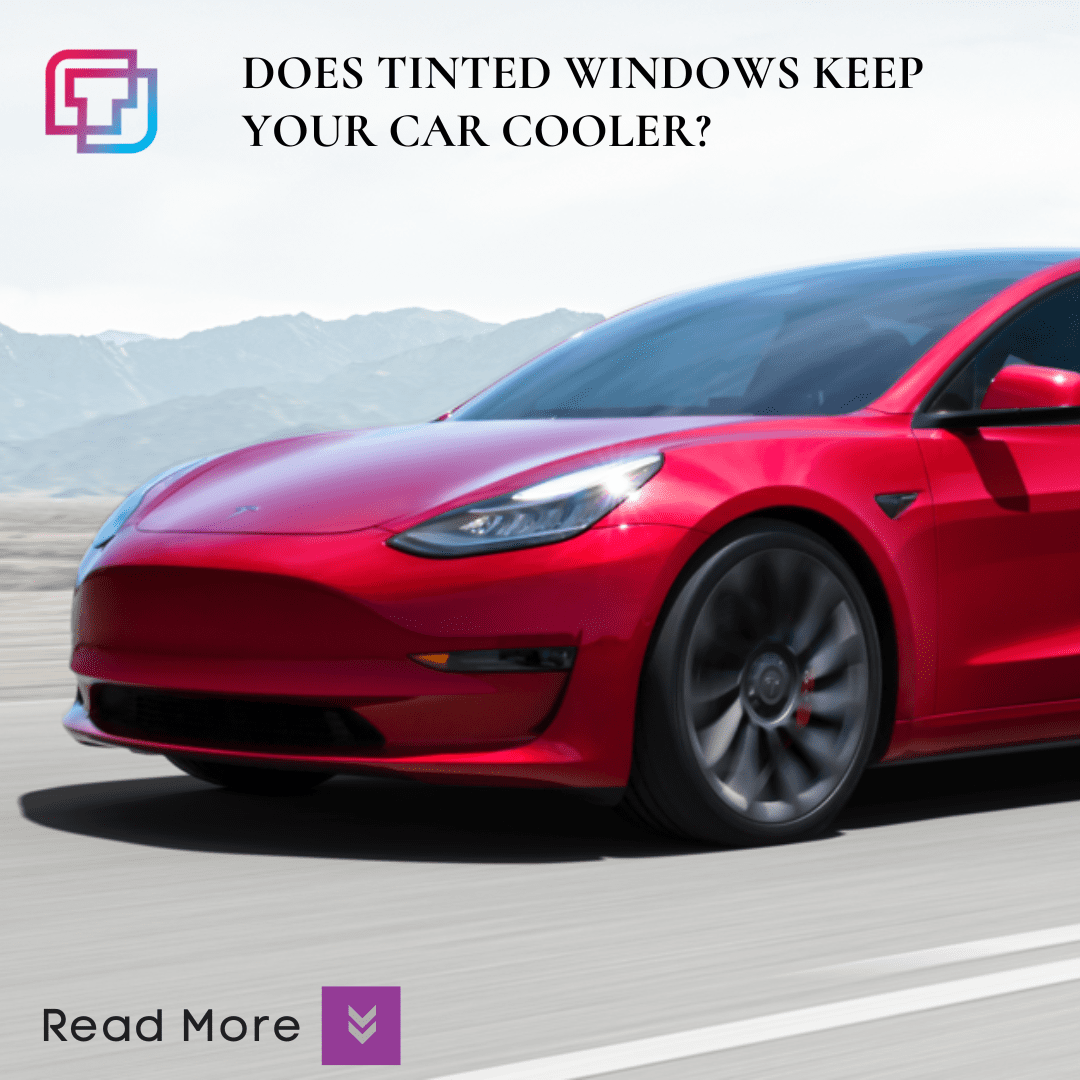
Tinting your car windows does not make it hotter. In fact, it helps keep the interior cooler by blocking sunlight and reducing heat buildup.
But how does this work? And why do some people believe tint might increase heat? The confusion often arises from misconceptions about how window tint functions. Tint is designed to block UV rays and reduce glare, but its main purpose is to control heat.
As sunlight enters through car windows, it heats the interior. Tint acts as a barrier, reflecting or absorbing a significant portion of this heat. This can create a cooler and more comfortable driving experience. Understanding the science behind window tinting helps clear up myths about its effects. Join us as we explore how tinting your car can actually help beat the heat.
Tint And Temperature
Window tint helps reduce sunlight entering the car. It blocks harmful UV rays, which can damage the skin. Tint also cuts down glare from the sun. This makes driving safer. By blocking some light, tint keeps the car cooler. So, it helps in keeping the car’s temperature lower.
Tint helps in maintaining a cooler car interior. It reduces the need for air conditioning. This saves fuel and energy. Tint can also protect the car’s upholstery from fading. The interior stays fresh and lasts longer. A cooler car is more comfortable to drive. So, tint can be very useful.
Types Of Window Tint
Dyed film is the most affordable type of window tint. It uses several layers of dyed film to absorb sunlight. This helps to reduce glare from the sun. The film is non-reflective and gives a dark appearance. It can fade over time and may not block all UV rays. Some people choose it for its low cost and simple look.
Metalized film contains tiny bits of metal. These metals reflect heat and light away from the car. This helps to keep the car cooler. It gives windows a shiny, reflective look. Metalized film is durable and doesn’t fade easily. It may interfere with GPS and radio signals. This is due to the metal particles in the film.
Ceramic tint is the most advanced option. It uses a special ceramic particle that blocks heat and UV rays. This tint does not fade or change color. It is more expensive than other types. Ceramic tint does not interfere with electronic signals. It keeps the car cool and comfortable. Many choose it for its high performance and durability.
Benefits Of Tinted Windows
Tinted windows offer great protection from the sun’s harmful rays. They block out a lot of UV radiation. This helps keep your skin safe. It also protects the car’s interior. No more faded seats or dashboards. Your car will look good for longer.
Another benefit is privacy enhancement. Tinted windows make it hard for others to see inside your car. This means you can feel safe and comfortable. You can relax without worrying about prying eyes. It adds a layer of security for you and your belongings.

Credit: www.reddit.com
Tint Vs. Direct Sunlight
Tint helps in reducing heat inside the car. It blocks the sun’s rays. Less sunlight means less heat. Car stays cooler. Tint acts as a shield. Protects from intense sun exposure. Keeps temperature down.
Direct sunlight can be harsh. Makes the car interior hot. Tint reduces sun exposure. Helps in keeping the car cooler. Less sunlight enters the car. Tint protects car surfaces. Avoids fading and damage. Keeps car comfortable.
Common Misconceptions
Many people think car tint makes the car hotter. This is not true. Tint can actually help reduce the heat inside the car. It blocks some of the sun’s rays. Less sunlight enters the car. This helps keep the car cooler. Dark tints can absorb some heat, but not much. Most tints are designed to reflect sun’s heat. So, they cool more than they heat.
Tint can improve the car’s cooling efficiency. It reduces the amount of work the air conditioner needs to do. The car cools down faster with tint. Less sun inside means the air conditioner works less. This helps save fuel too. Many tints also block UV rays. This protects the car’s interior from fading. So, tint can help both cooling and protection.

Credit: www.reddit.com
Scientific Studies
Recent studies explore how car tint affects interior temperature. Tint reduces sunlight, potentially lowering heat inside. Different materials and shades offer varying results, making material choice crucial for comfort.
Research Findings
Tinted windows can block some sunlight. This helps keep the car cool. Studies show that tinting can reduce heat. Sunlight has UV rays that make cars hot. Tinting blocks these rays. Less UV means less heat. Some tints are better than others. Darker tints block more sunlight. But, they might not be legal everywhere.
Temperature Variations
Car color affects heat too. Dark cars get hotter than light cars. Inside a car, temperature can rise fast. With tint, it rises slower. This is better for comfort. Tint helps, but can’t stop all heat. It’s like wearing a hat on a sunny day. It helps, but you still feel warm.
Practical Considerations
The type of tint affects heat inside a car. Dark tints can block sun rays. But they also absorb heat. Lighter tints may not block heat well. But they let more light in. Ceramic tints are a good choice. They keep heat out without getting hot.
Consider the local climate before choosing. Hot places need better heat-blocking tints. Privacy is another factor. Darker tints provide more privacy. Think about legal restrictions. Some places have laws on tint darkness.
Proper installation is very important. Bad installation can cause air gaps. These gaps make the tint less effective. Professional installers know how to avoid this. They ensure the tint sticks well. Cleaning the windows before installation is key. Dirt can cause problems. Temperature affects installation too. Install in moderate weather for best results.
Legal Regulations
Car window tint can affect the temperature inside your vehicle. Some argue that tint helps keep interiors cooler by blocking sunlight. Yet, laws on tint darkness vary, impacting how much heat reduction you can achieve.
Tint Laws By Region
Car tint laws vary by region. Some places allow darker tints. Others have strict rules. It’s important to know your area’s laws. Breaking tint laws can lead to fines. In some regions, tints must let in 70% of light. Other areas allow less. Checking local rules helps avoid trouble. Knowing the law saves money and stress.
Compliance And Penalties
Drivers must follow tint laws. Non-compliance can result in penalties. Fines for illegal tints can be high. Police officers may stop cars with dark tints. Removing illegal tints might be required. Some places allow a warning first. Others charge fines immediately. Following the rules keeps your car legal. It also avoids unnecessary costs. Always check local regulations before tinting.

Credit: www.windowkotelargo.com
Frequently Asked Questions
Does Window Tint Increase Heat?
Window tint does not increase heat; it reduces it by blocking UV rays and solar heat. This keeps your car or home cooler and energy-efficient. Quality tint can significantly lower interior temperatures and improve comfort.
Does Tinting Make A Car Cooler?
Tinting can make a car cooler. It blocks UV rays and reduces heat buildup inside. This helps maintain a comfortable temperature, enhancing driving comfort. Additionally, it protects your car’s interior from sun damage, extending its lifespan. Consider quality tinting for effective results.
What Is The Disadvantage Of Window Tint?
Window tint may reduce visibility at night, increasing the risk of accidents. It can also lead to legal issues if it exceeds local tinting regulations. Additionally, it might interfere with electronic signals and reduce the effectiveness of certain types of glass, potentially voiding warranties.
Does Darker Tint Block More Heat?
Yes, darker tint often blocks more heat because it absorbs and reflects more sunlight than lighter tint. It reduces glare and UV exposure, enhancing comfort. However, legality and visibility concerns can vary by region, so check local regulations before applying darker window tint.
Conclusion
Tinting your car windows can affect the temperature inside. It depends on the type of tint used. Some tints block heat, making the car cooler. Others may not be as effective. Choose high-quality, heat-rejecting tints for best results. Proper installation is also crucial.
Research and ask experts before tinting your car windows. Stay comfortable and safe on the road by making an informed decision.