Gas Sensor for Car: Fuel Level, Pressure & O2 Sensor Guide
A car’s “gas sensor” almost always means one of three components: the fuel level sensor, the fuel injection pressure sensor, or the oxygen (O2) sensor — not the industrial NOx or CO2 detectors used in exhaust labs. Confusing the two wastes money on the wrong part, and a failing O2 sensor can leave accuracy degraded enough to hurt fuel economy and emissions. This guide breaks down what each sensor does, warning signs of failure, and three well-reviewed replacement options.
Quick Answer
Most “car gas sensor” searches mean one of three parts: a fuel level sensor (inaccurate gas gauge), a fuel injection pressure sensor (rough idle, hard starts), or an oxygen sensor (check engine light, poor MPG). Match your symptom to the right sensor below, or pull the exact trouble code with an OBD2 scanner before you buy a replacement part.
What Does “Gas Sensor” Mean in a Car? (3 Real Sensor Types)
A car gas sensor is a general term for any component that measures fuel, pressure, or exhaust gas properties inside a vehicle’s fuel or emissions system. It is not one specific part — the exact sensor you need depends on the symptom you’re chasing. Below are the three sensors most drivers actually mean when they search this term, plus two related sensor types this guide does not cover.
- Fuel level sensor — sits inside the fuel tank and reports how much gas is left to your dashboard gauge.
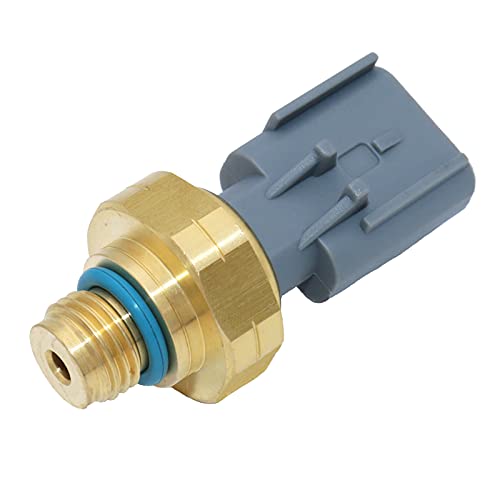
- Fuel injection pressure sensor — monitors fuel rail pressure and reports it to the engine control unit (ECU) so injectors deliver the correct amount of fuel.
- Oxygen (O2) sensor — reads unburnt oxygen in the exhaust so the ECU can balance the air-fuel mixture for performance and emissions.
Two sensor types often show up in the same search results but are not covered in this guide: NOx and particulate-matter sensors, which are heavier-duty emissions-control components used mainly in diesel and hybrid exhaust systems, and cabin CO2/air-quality monitors, which measure air inside the vehicle rather than the fuel or exhaust system. If your check engine light is on, an OBD2 scanner will tell you which of these systems actually triggered the code before you buy anything.
Best Car Sensor Diagnostic Pick
ANCEL AD410 Enhanced OBD2 Scanner
Plugs into any 1996-and-newer car’s OBD2 port and reads the exact trouble code behind a check engine light.
- Best for: Confirming which sensor — O2, fuel pressure, or fuel level — is actually triggering a warning light before buying a part
- Why we picked it: Reads and clears manufacturer-specific codes (like P0135 for an O2 sensor or P0191 for fuel rail pressure), not just generic ones
- Main drawback: Basic code readers like this one won’t graph live sensor data the way a higher-end scan tool can
Compare the 3 gas sensor products reviewed below
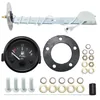 Fuel Level 52mm Fuel Level Gauge + Sensor
|
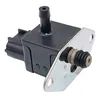 Fuel Pressure KEJSTED Fuel Injection Pressure Sensor
|
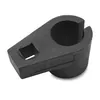 O2 Removal Tool Offset Oxygen Sensor Socket
|
As an Amazon Associate we earn from qualifying purchases.
Fuel Level Gauge Universal Car SUV
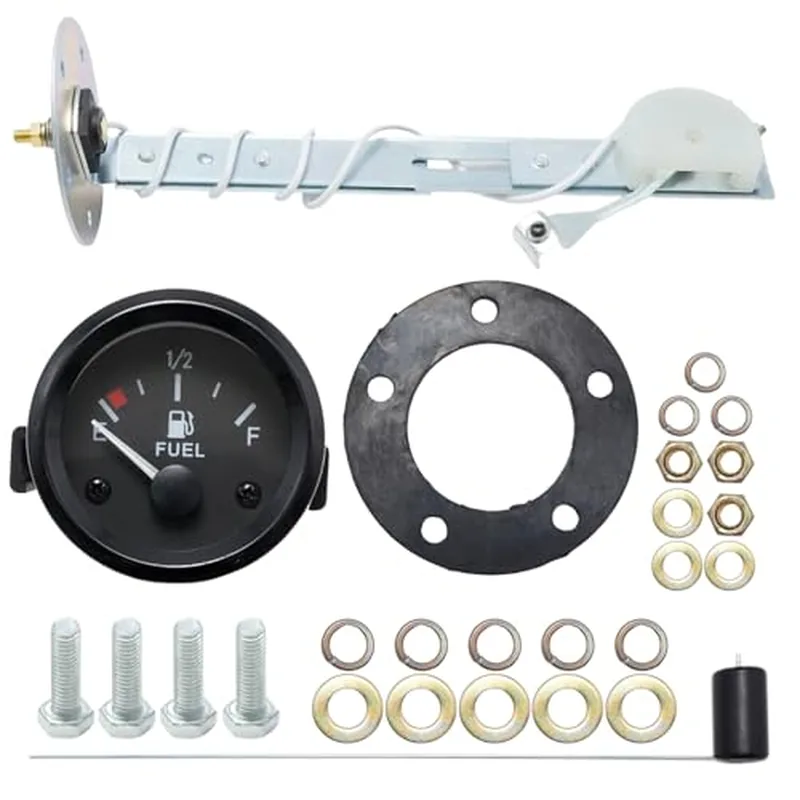
The ideal customer for the 2″ 52mm Fuel Level Gauge Universal Car SUV is anyone who owns a car or SUV and wants to add or replace fuel level monitoring — especially DIY enthusiasts comfortable running a wire from the tank to the dash.
Pros:
- Universal fit for various car and SUV models
- Comes with a fuel sending unit for accurate readings
- Easy installation with straightforward instructions
- 12V compatibility ensures it works with most vehicles
Cons:
- May require additional tools for installation
- Analog pointer meter is less precise than digital options
The 52mm gauge offers a universal fit across most cars and SUVs, so compatibility usually isn’t a concern. The included sending unit means readings come from an actual fuel level sensor rather than an estimate, and the 12V compatibility matches most vehicle electrical systems. Want to double-check your existing factory gauge instead of replacing it? See our guide on how to read the fuel meter in your car.
Check Price on AmazonKEJSTED Fuel Injection Pressure Sensor
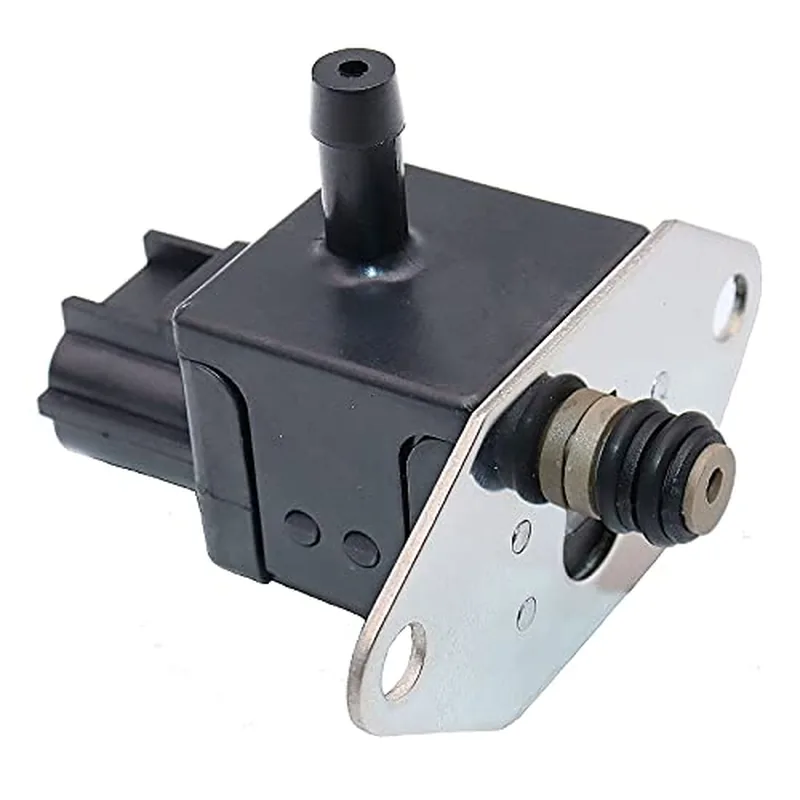
The KEJSTED Fuel Injection Pressure Sensor is a fit for vehicle enthusiasts and professional mechanics working on Ford and Lincoln vehicles who want reliable pressure readings without splicing wires. It’s designed as a direct-fit replacement for the OEM part on covered models.
Pros:
- High compatibility with multiple Ford and Lincoln models
- Durable construction with high-quality materials
- Easy installation for quick and hassle-free setup
- Accurate pressure readings to help optimize engine performance
Cons:
- Limited to specific models, not universally compatible
- Requires technical knowledge for troubleshooting issues
Fuel rail pressure sensors report directly to the engine control unit, which uses that reading to decide how long each injector stays open. An inaccurate reading here is a common cause of rough idle, hard starts, and reduced fuel efficiency — replacing a failed sensor with a direct-fit part like this one restores accurate injector timing.
Check Price on AmazonOffset Oxygen Sensor Socket
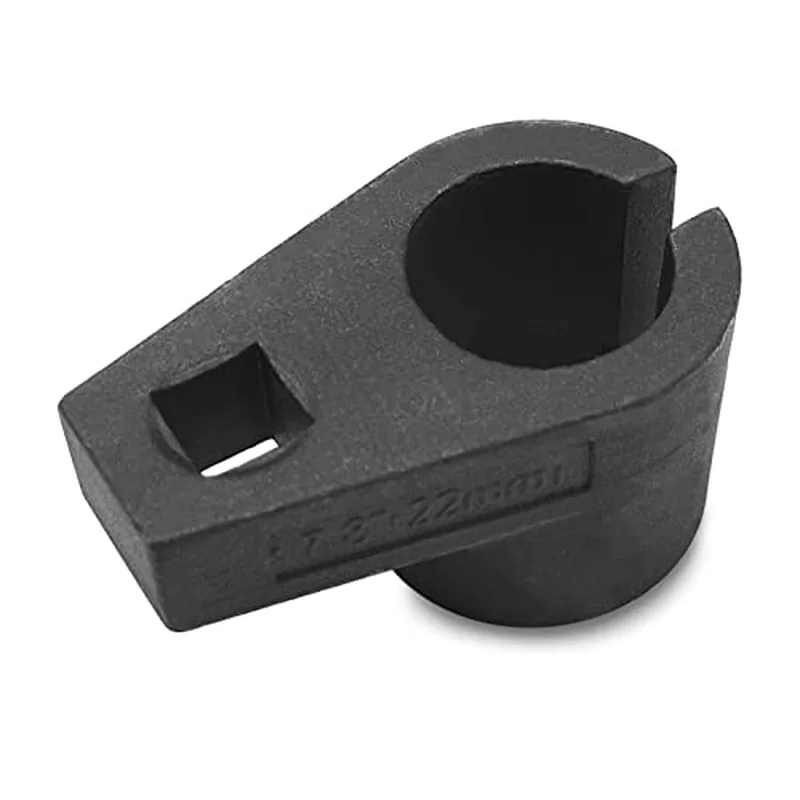
The Offset Oxygen Sensor Socket is an essential tool — not a sensor itself — for anyone who plans to remove or install an O2 sensor without damaging the attached wires. Its universal 7/8-inch (22mm) size fits most cars, making it a versatile addition to any DIY toolkit.
Pros:
- Universal fit for most cars
- Wire gate design prevents damage to wires
- Durable construction ensures long-lasting use
Cons:
- May not fit specialized or custom sensor designs
- Requires a 3/8-inch drive tool, which might not be in every toolkit
The wire gate design lets you access the sensor from the side, which significantly reduces the risk of damaging the delicate wires — especially useful in the tight spaces where a traditional socket won’t fit. If you need to replace the O2 sensor itself rather than just the tool to remove it, see our full oxygen sensor for car buying guide.
Check Price on AmazonSigns Your Car’s Gas Sensor Is Failing
Each of the three sensors above fails in a different, recognizable way. Matching your symptom to the right sensor before you buy a part saves both money and a second trip to the parts store.
| Sensor | Common Warning Signs |
|---|---|
| Fuel level sensor | Gauge stuck on Full or Empty, needle bounces while driving, inaccurate readings |
| Fuel injection pressure sensor | Rough idle, hard starts, hesitation on acceleration, poor fuel economy |
| Oxygen (O2) sensor | Check engine light, sulfur/rotten-egg smell, black exhaust smoke, sudden drop in MPG |
📊 Heated oxygen sensors — standard on virtually all cars built since the mid-1990s — typically last around 100,000 miles before accuracy degrades enough to worsen fuel economy and raise emissions; older unheated sensors last only 30,000-50,000 miles. Source: Oxygen sensor — Wikipedia
According to the U.S. Environmental Protection Agency, oxygen sensors are essential for proper fuel control and clean combustion — when one fails, the engine’s air-fuel mixture can no longer be optimized for either performance or emissions.
Frequently Asked Questions
What Does “Gas Sensor” Actually Mean in a Car?
It’s a general term, not one specific part. Most drivers mean the fuel level sensor, fuel injection pressure sensor, or oxygen sensor. Heavier-duty NOx and particulate sensors, along with cabin CO2 monitors, are separate components not covered by this guide.
What Is A Fuel Level Gauge?
A fuel level gauge measures the amount of fuel in your vehicle’s tank. It’s essential for monitoring fuel levels to prevent running out unexpectedly. The 2″ 52mm Fuel Level Gauge is universal for cars and SUVs, ensuring compatibility with various models.
How Does A Fuel Injection Pressure Sensor Work?
A fuel injection pressure sensor monitors fuel pressure within the fuel rail. It ensures optimal engine performance by providing crucial data to the engine control unit. The KEJSTED sensor is compatible with various Ford, Mercury, and Lincoln models, enhancing fuel efficiency and engine function.
Why Use An Offset Oxygen Sensor Socket?
An offset oxygen sensor socket helps remove oxygen sensors without damaging wires. Its design allows easy access to the sensor from the side. This tool is universal for most cars, making it a versatile addition to any mechanic’s toolkit.
What Are the Signs of a Bad Oxygen or Fuel Sensor?
A bad oxygen sensor usually triggers a check engine light, a sudden drop in MPG, or a sulfur smell from the exhaust. A failing fuel injection pressure sensor causes rough idle or hard starts, while a bad fuel level sensor makes the dashboard gauge stick or read inaccurately.
Can I Install A Fuel Sensor Myself?
Installing a fuel sensor can be done by experienced DIY enthusiasts. However, for accurate installation, consulting a professional mechanic is recommended. Proper installation ensures reliable fuel readings and optimal vehicle performance.
Are These Sensors Compatible With My Car?
Compatibility depends on your car model and the specific sensor. The 2″ 52mm Fuel Level Gauge fits most vehicles universally, while the KEJSTED fuel injection pressure sensor is limited to specific Ford, Lincoln, and Mercury models. Always check your vehicle’s specifications or consult a professional to confirm compatibility.
Conclusion
“Gas sensor” covers three different jobs in a car: the fuel level sensor tells you how much fuel is left, the fuel injection pressure sensor keeps the engine running smoothly, and the oxygen sensor keeps emissions and fuel economy in check. Matching your symptom — an inaccurate gauge, rough idle, or a check engine light — to the right sensor above will save you from buying the wrong part.
Not sure which one is failing? Pull the trouble code with an OBD2 scanner first, then come back to the matching section above for the fix.
Products related to this article
Sponsored / affiliate links. As an Amazon Associate I earn from qualifying purchases. I may earn additional commission from eligible campaigns.