Front-End Covers for Cars: Custom-Fit Guide and Top Pick
A front-end cover (often called a car bra or car mask) is a removable vinyl or fabric shield that fits over the hood, bumper, and fenders to block rock chips, bugs, and road tar while you drive. Unlike a full car cover, it stays on the road and only protects the “leading edge” of the vehicle — and unlike paint protection film, it comes off in minutes instead of being bonded to the paint.
Because every automaker shapes its grille, headlights, and hood differently, a good front-end cover has to be cut to match one specific year, make, and model — there is no true one-size-fits-all version from the major brands. Get the fit wrong, or skip cleaning the cover regularly, and it can trap grit against the clear coat and cause the exact paint damage you bought it to prevent. Below is how the sizing works, what to watch for during installation and care, and a real example of a custom-fit cover.
What Is a Front-End Cover, and How Is It Different From a Full Car Cover?
A front-end cover only shields the front of the vehicle — the hood’s leading edge, the bumper, the fenders, and usually the mirrors — and it’s designed to stay on while you drive. A full car cover, like the ones made for a parked Camaro or a car sitting out through winter, wraps the entire body and is meant for storage, not driving. If your car spends most of its time parked, a full cover is the better fit; if the damage happens on the highway from rocks and bugs, a front-end cover is the product that actually addresses it.
There’s also a naming mix-up worth clearing up. A traditional front-end cover is made of vinyl or leather-look fabric and is fully removable. A “clear bra,” on the other hand, is really just another name for paint protection film (PPF) — a clear adhesive film bonded directly to the paint. Both protect the same area, but they’re not the same product, and the FAQ below covers how to pick between them.
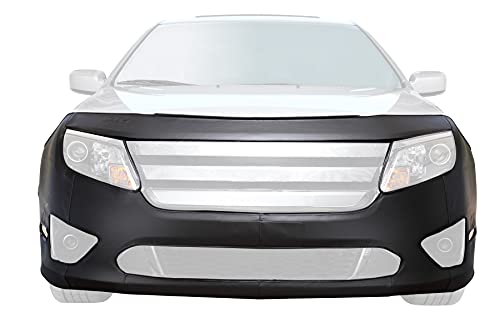
CUSTOM-FIT EXAMPLE: CHEVY IMPALA
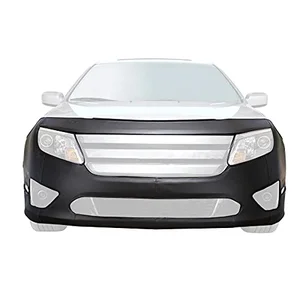 |
LeBra Covercraft Custom Front End Cover (551036-01) – $126.98 Shows the kind of tight, factory-molded fit a properly matched front-end cover should have — loose panels are exactly what let grit rub against your paint.
|
Why You Cannot Buy a Universal Front-End Cover
Front-end covers from the major brands, like Covercraft’s LeBra line, are patterned around one vehicle’s actual body panels — the exact curve of the hood, the shape of the grille, and the position of the headlights and fog lights. That’s why listings are always sold by year, make, and model rather than by size. The Impala cover above, for example, is built for 2006-2013 Impala models plus the 2014-2016 Impala Limited — it uses a 2-piece design so the hood can still be opened normally, a perforated material so the cover can breathe, and mesh panels over the grille and intakes so airflow isn’t blocked.
When you’re shopping, search by your exact year, make, model, and trim (some covers even vary by whether your car has fog lights or a specific grille option). A cover built for the wrong trim year can leave gaps at the headlights or grille, and those gaps are where debris gets in and starts scratching the paint underneath instead of protecting it.
Installing and Caring for a Front-End Cover Without Damaging Your Paint
A front-end cover only protects your paint if it’s installed and maintained correctly. Wash the front end and let it dry completely before putting the cover on — installing it over a layer of road film or dust means you’re sealing that grit against the clear coat from the start.
Once it’s on, the biggest risk isn’t the cover itself, it’s what gets trapped underneath it. Dirt and grit that work their way under the material act like sandpaper every time the cover shifts against the paint while you drive, and moisture trapped against the surface in wet weather can lead to corrosion or scratching if the cover isn’t taken off and cleaned on a regular basis. Left on for months without ever coming off, a bra can even bond to the paint underneath, according to Capital One’s overview of car bras — at that point it causes more damage than it prevents. As a rule of thumb, pull the cover off every couple of weeks (more often if you’ve driven through rain, snow, or a dusty road) to rinse both the cover and the paint underneath before reinstalling it.
Front-End Cover vs. Clear Bra (PPF): Which Should You Choose?
A traditional front-end cover is the lower-cost option: it’s a removable vinyl shield you take off and store when you’re not driving, but it needs the cleaning routine described above to avoid trapping grit against the paint. A clear bra — paint protection film applied to the same front-end area — is a clear adhesive film that bonds to the paint itself, so there’s nothing to remove, clean, or trap dirt underneath, and quality PPF has some self-healing ability against light swirl marks. The tradeoff is cost: PPF installation is a professional job and costs considerably more than a $100-$150 vinyl cover, though it lasts for years without the maintenance routine.
If you want front-end protection you’re willing to remove and rinse every couple of weeks, a custom-fit vinyl cover like the one above is the more affordable choice. If you’d rather protect the paint permanently and skip the maintenance, look into a ceramic coating or a professionally installed PPF package instead.
Frequently Asked Questions
What Are Front-End Covers for Cars?
Front-end covers are removable vinyl or fabric shields that fit over a car’s hood, bumper, and fenders. They protect against road debris, bugs, and minor impacts while you drive. Unlike a full car cover, they’re built for on-road use and are custom-patterned for a specific year, make, and model.
How Do I Install a Front-End Cover?
Wash and dry the front of the car first so you’re not sealing dirt underneath. Align the cover with the hood, grille, and headlights, then secure it using the straps or fasteners included with your specific cover. Most custom-fit covers include instructions for tensioning it so it stays snug without shifting at speed.
Will a Front-End Cover Fit Any Car?
No. Front-end covers from major brands are custom-patterned for one specific year, make, and model — there isn’t a true universal option that fits every vehicle well. You’ll need to search by your car’s exact year, make, and model (and sometimes trim) to find the correct match.
Can a Front-End Cover Damage My Paint?
Yes, if it isn’t cared for properly. Dirt and grit trapped under the cover can rub against the clear coat like sandpaper while you drive, and moisture left underneath in wet weather can cause corrosion or scratching. Removing and rinsing the cover every couple of weeks — and never leaving it on for months at a time — prevents this.
What Is the Difference Between a Front-End Cover and a Clear Bra?
A front-end cover is a removable vinyl or fabric mask you take on and off. A “clear bra” is a different product entirely — it’s paint protection film (PPF), a clear adhesive film bonded directly to the paint that stays on permanently and doesn’t need to be removed or cleaned separately from the rest of the car.
How Often Should I Remove a Front-End Cover for Cleaning?
Plan on removing it roughly every two weeks, and more often after driving through rain, snow, or a dusty road. Rinse both the cover and the paint underneath before putting it back on. Leaving a cover on for months without a break is the main cause of trapped-grit scratches and, in extreme cases, the cover bonding to the paint.
Conclusion
A front-end cover is a low-cost way to protect the part of your car that actually takes the abuse from rock chips, bugs, and road tar — but only if you buy the one cut for your exact year, make, and model, and only if you take it off regularly to clean out trapped grit. Skip either step and you can end up causing the scratches you were trying to prevent. If you want protection you never have to remove, a ceramic coating or professionally installed clear bra (PPF) is worth pricing out instead.
Products related to this article
Sponsored / affiliate links. As an Amazon Associate I earn from qualifying purchases. I may earn additional commission from eligible campaigns.