Engine Noises When Turning On and Off: Local Pro Guide
Many car owners worry when their car makes strange sounds, especially when they start or stop the engine. It can feel confusing because these noises are not always clear. This guide will help you understand what might be happening when you hear Engine Noises When Turning On and Off.
We’ll walk through common causes in simple steps. You’ll learn what to listen for and what it might mean for your car.
Hearing unusual sounds from your car’s engine when you turn it on or off can be unsettling. For beginners, these sounds are often a mystery, leading to worry about costly repairs. This guide aims to demystify those sounds.
We’ll break down the common culprits behind Engine Noises When Turning On and Off. The goal is to give you clear, actionable information. We will guide you through identifying these sounds and understanding their potential causes.
Common Sounds and Their Possible Causes
Cars can make a variety of noises when starting and stopping. Some are normal, while others signal a problem. Listening carefully to the type of sound and when it occurs is key to diagnosis.
Squealing or Screeching
A high-pitched squeal or screech, particularly when the engine is first started, often points to a problem with the serpentine belt. This belt drives many of the car’s accessories, like the alternator, power steering pump, and air conditioning compressor. When it’s loose, worn, or misaligned, it can slip on the pulleys, creating that distinctive sound.
- Worn Belt: Over time, rubber belts can become glazed and hardened. This reduces their grip on the pulleys. A visual inspection might show cracks or fraying.
- Tensioner Issue: The belt tensioner keeps the belt tight. If the tensioner is weak or broken, the belt will be too loose. This is a common reason for sudden squealing.
- Pulley Bearing: Sometimes, a pulley itself might have a worn bearing. This can cause it to seize or become stiff, making the belt slip and squeal.
A broken serpentine belt means essential components stop working. This can lead to overheating or a dead battery. Replacing a worn belt is a relatively simple and affordable repair.
Grinding Noise
A grinding sound during startup or shutdown might be more serious. It often suggests metal-on-metal contact. This could be related to the starter motor or other rotating components.
- Starter Motor Issues: When you turn the key, the starter motor engages with the flywheel to crank the engine. If the starter gear is worn or not engaging properly, it can grind against the flywheel teeth. This sound usually happens only during the cranking phase.
- Flexplate or Flywheel Damage: The flexplate (on automatic transmissions) or flywheel (on manual transmissions) has teeth that the starter engages with. If these teeth are damaged or broken, it can cause grinding.
- Other Rotating Parts: Less commonly, a failing bearing in an accessory component like an alternator or AC compressor could cause a grinding noise.
Grinding noises should be addressed promptly. Continuing to run the engine with a damaged starter or flywheel can cause further damage to more expensive components.
Clicking or Tapping
A rapid clicking or tapping sound, especially noticeable when starting the engine, can indicate a few different things. Often, it’s related to the fuel or ignition system.
- Low Oil Pressure: If the engine is low on oil, the moving parts, like the camshaft and lifters, may not get enough lubrication. This can cause them to tap against each other. This is most common on startup when oil pressure is building.
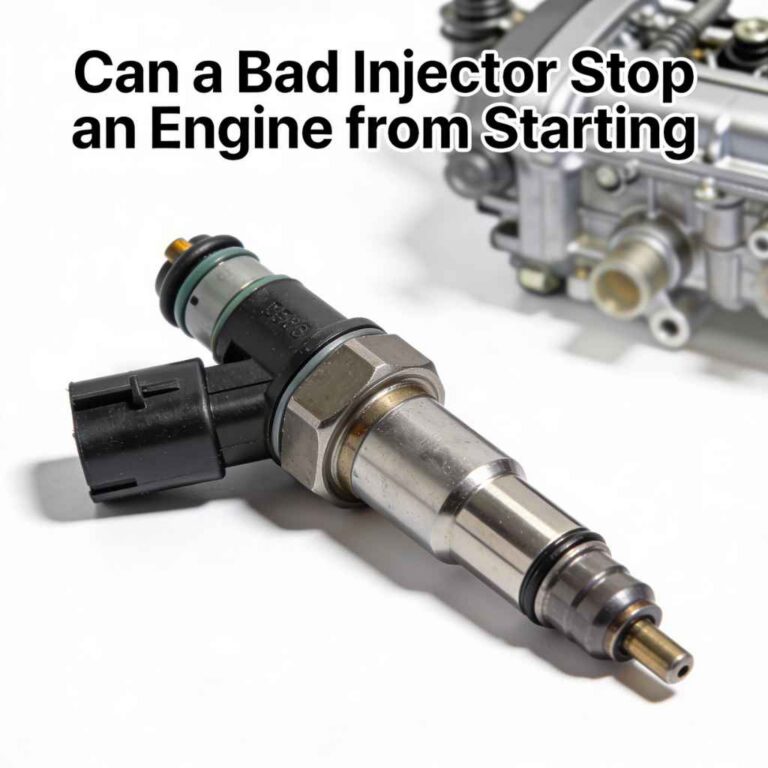
- Fuel Injector Noise: Fuel injectors are designed to open and close rapidly to deliver fuel. This action naturally creates a clicking sound. In some engines, this sound can be more pronounced and might be mistaken for a problem.
- Valve Train Issues: Problems with hydraulic lifters or valve lash can create tapping sounds. If a lifter isn’t properly filled with oil, it can lead to excessive clearance and noise.
While some injector clicking is normal, a sudden increase in tapping or a persistent clicking that doesn’t go away could signal an issue. Checking oil levels and quality is always a good first step.
Hissing or Sizzling
A hissing or sizzling sound, especially after shutting off the engine or when it’s hot, often relates to fluids or the exhaust system.
- Coolant Leak: If coolant is leaking onto hot engine parts or the exhaust manifold, it will vaporize and produce a hissing or sizzling sound. This is a serious issue that can lead to overheating.
- Vacuum Leak: While less common to hear after shutdown, a significant vacuum leak could potentially cause unusual air movement sounds.
- Exhaust Leak: Small exhaust leaks, especially when the system is cooling down, might emit a hissing sound as hot exhaust gases escape through a small crack or faulty gasket.
Any hissing or sizzling sound related to leaks requires immediate attention. Overheating can cause severe engine damage very quickly.
When to Seek Professional Help
While some engine noises are minor and can be ignored until the next scheduled service, others demand immediate professional attention. Knowing the difference is important for maintaining your car’s health and your safety.
Warning Signs That Require Immediate Attention
Certain sounds are clear indicators of a developing or existing problem that could leave you stranded or cause significant damage. These are the sounds that should prompt you to stop driving and call for assistance or visit a mechanic right away.
- Loud Bangs or Clunks: These sounds often suggest internal engine damage. They could be caused by a connecting rod bearing failing or a piston issue. Continuing to drive could destroy the engine.
- Persistent Grinding: As mentioned earlier, grinding noises, especially if they are loud and continuous, can mean serious damage to the starter, flywheel, or transmission.
- Screeching That Doesn’t Stop: While a brief squeal on startup might be a belt, a continuous, loud screeching could indicate a component that is seizing up, like an alternator or water pump bearing.
- Hissing with Steam: If you hear hissing and see steam, it’s a definite sign of a coolant leak. This means the engine is losing its coolant rapidly, and overheating is imminent.
These severe noises are not to be ignored. They are the car’s way of telling you something is critically wrong and needs to be fixed before further damage occurs.
Minor Noises You Can Monitor
Not all unusual sounds are emergencies. Some are less severe and can be watched closely until you can get to a mechanic. The key here is to monitor them for changes.
- Light Tapping: A light, consistent tapping, especially at idle, might be normal injector noise or slight valve train noise. If it gets louder or changes pitch, then it’s worth investigating.
- Brief Squeal on Cold Start: A quick squeak when the engine is cold and then disappears can often be a slightly loose belt or even moisture on the belt. It’s often just a sign the belt is getting a bit old.
- Minor Exhaust Pings: Very occasional small pings as the exhaust cools down might not be a major concern, but consistent loud popping or backfiring needs a mechanic’s check.
For these minor sounds, it’s wise to note down exactly when they occur, what they sound like, and if they change over time. This information is very helpful for your mechanic.
Understanding the Serpentine Belt System
The serpentine belt is a crucial component that powers many of your car’s accessories. Understanding how it works can help you diagnose related noises.
The serpentine belt is a single, continuous rubber belt that snakes around various pulleys on the front of the engine. Each pulley is connected to a different accessory. These accessories include the alternator (which charges the battery), the power steering pump (making steering easier), the water pump (which circulates coolant to prevent overheating), and the air conditioning compressor.
Without the serpentine belt, these vital systems would not function.
When the belt wears out or becomes loose, it can slip on the pulleys. This slipping is the primary cause of squealing or screeching noises you hear when starting your engine or turning. The rubber can become glazed and hard, reducing its friction.
The belt tensioner, a spring-loaded pulley, is supposed to keep the belt tight. If the tensioner weakens or fails, the belt will become slack and slip.
Components Driven by the Serpentine Belt
The proper functioning of the serpentine belt is essential for several key vehicle systems:
- Alternator: This is the most critical accessory. It generates electricity to power the car’s electrical systems and recharge the battery. If the belt fails, the battery will drain, and the car will eventually stop running.
- Power Steering Pump: This component makes it easier to turn the steering wheel. A failed power steering pump will result in very stiff steering, making the car difficult to control, especially at low speeds.
- Water Pump: The water pump circulates coolant through the engine and radiator to regulate engine temperature. If the water pump stops working, the engine will quickly overheat, leading to severe damage.
- Air Conditioning Compressor: This component is responsible for cooling the cabin air. While not essential for driving, a failed AC compressor can be a major annoyance in hot weather.
The condition of the serpentine belt and its tensioner should be checked regularly during maintenance. A visual inspection can reveal cracks, fraying, or glazing that indicate the belt needs replacement.
Starter Motor and Flywheel Interaction
The starter motor is what gets your engine turning over when you first try to start it. Its interaction with the flywheel is key to this process.
When you turn the ignition key, a small electric motor in the starter engages with a larger gear. This starter gear then meshes with the teeth on the flywheel (or flexplate in automatic transmissions). The starter motor spins rapidly, turning the flywheel, which in turn spins the engine’s crankshaft.
This is what begins the combustion cycle. Once the engine starts running on its own, the starter motor disengages from the flywheel, and the starter gear retracts.
A grinding noise during startup often comes from this engagement. If the starter gear is worn, or if the teeth on the flywheel are damaged, they can grind against each other instead of meshing smoothly. This metal-on-metal friction creates the grinding sound.
Sometimes, the starter might not fully disengage, causing a brief grinding sound as the engine speeds up after starting.
Signs of Starter Motor Problems
Besides grinding, other signs can indicate starter motor trouble:
- Clicking Sound: A single loud click when you turn the key, but the engine doesn’t crank, might mean the starter solenoid is trying to engage but lacks the power to turn the motor, or the starter motor itself is failing.
- Slow Cranking: If the engine cranks much slower than usual, it could be a weak starter motor or a problem with the electrical connection to the starter.
- No Response: Turning the key and hearing absolutely nothing could mean a completely dead starter motor, a blown fuse, or an ignition switch problem.
Problems with the starter motor or the flywheel can be relatively expensive to fix because they often require removing other components to access them. It’s important to get these diagnosed and repaired quickly to avoid being stranded.
Oil Level and Engine Lubrication
Engine oil is the lifeblood of your engine. It lubricates moving parts, reduces friction, and helps keep the engine cool. Proper oil levels are crucial, especially during startup and shutdown.
When your engine is off, oil settles into the oil pan at the bottom of the engine. When you start the engine, the oil pump circulates this oil throughout the engine to lubricate all the moving parts. If the oil level is too low, it takes longer for the oil to reach all the critical areas.
This can cause parts like the valve train (lifters, rockers, valves) to tap against each other because they aren’t properly cushioned by oil.
The tapping or clicking sound you might hear on startup, especially if it goes away after a few seconds as oil pressure builds, is often a sign of insufficient lubrication reaching the top of the engine. This is more common in older engines or engines that are low on oil. Running an engine with low oil can cause significant wear and damage over time.
Importance of Regular Oil Changes
Oil degrades over time and with use. It picks up contaminants like dirt, metal particles, and combustion byproducts. Regular oil changes are vital to ensure your engine has clean, effective lubrication.
- Clean Oil: Fresh oil is a clear golden color and has the right viscosity to lubricate effectively. Old, dirty oil becomes thick and sludgy, hindering proper flow.
- Proper Viscosity: Oil has a specific thickness (viscosity) that is ideal for your engine. As oil ages, its viscosity can change, making it less effective at protecting engine parts.
- Engine Protection: Regular oil changes remove harmful contaminants and replace degraded oil, extending the life of your engine and preventing potential noise issues related to lubrication.
It’s recommended to follow your vehicle manufacturer’s guidelines for oil change intervals. Checking your oil level regularly between changes is also a good practice.
Vacuum Leaks and Their Symptoms
Vacuum leaks occur when there’s an unintended opening in the engine’s intake system, allowing unmetered air to enter. This can cause a variety of performance issues and sometimes odd noises.
Your engine creates a vacuum as the pistons move down in the cylinders. This vacuum is used to operate various systems, including the power brakes and the climate control. Hoses and gaskets in the intake system are designed to be airtight.
If a hose cracks, a gasket fails, or a connection becomes loose, air can be sucked into the engine after the mass airflow sensor. This means the engine’s computer gets an inaccurate reading of how much air is entering, leading to an incorrect fuel mixture.
While most vacuum leaks are more noticeable when the engine is running, a significant leak might create subtle hissing sounds. Sometimes, as the engine cools down after being shut off, trapped hot air or residual pressure can escape through a small leak, causing a faint hissing or puffing sound. This is less common than hearing it while the engine is on.
Identifying a Vacuum Leak
The most common symptoms of a vacuum leak are noticeable when the engine is running:
- Rough Idle: The engine may shake or run unevenly, especially when stopped.
- Stalling: The engine might stall unexpectedly.
- Check Engine Light: Many vacuum leaks will trigger a diagnostic trouble code (DTC) and illuminate the check engine light.
- Poor Performance: Reduced acceleration and fuel economy are common.
Mechanics often use a smoke machine to find vacuum leaks. The machine fills the intake system with a harmless smoke, which then escapes visibly from any leaks.
Exhaust System Leaks
The exhaust system channels harmful gases away from the engine and passenger cabin. Leaks can occur at various points and produce distinct sounds.
Your exhaust system consists of the exhaust manifold, catalytic converter, muffler, and tailpipe. These components are connected by pipes and sealed with gaskets. Over time, these components can rust, crack, or gaskets can fail.
When this happens, exhaust gases can escape before they reach the muffler, which is designed to quiet them down.
A common sound from an exhaust leak is a ticking or puffing sound, especially when the engine is cold. This is because metal contracts when cold, potentially opening small gaps. As the exhaust system heats up and expands, the leak might seal itself somewhat, making the sound disappear or become less noticeable.
When shutting off the engine, residual pressure or cooling metal might also cause a brief hissing or ticking as gases escape.
Symptoms of Exhaust Leaks
Besides the noise, other indicators of an exhaust leak include:
- Smell of Exhaust Fumes: If exhaust gases are leaking into the engine bay or cabin, you might smell them. This is dangerous as exhaust fumes contain carbon monoxide.
- Reduced Engine Power: A significant exhaust leak can affect the engine’s ability to expel gases efficiently, leading to a loss of power.
- Check Engine Light: Issues with the exhaust system, especially related to the catalytic converter, can trigger the check engine light.
It’s important to address exhaust leaks promptly, not just for the noise but for safety and to ensure the exhaust system is functioning as designed.
Engine Noises When Turning On and Off A Local Pro Guide To Diagnosis
This section provides a deeper look at diagnosing Engine Noises When Turning On and Off, offering a structured approach that local professionals often use. We will explore common issues and how to pinpoint their causes.
The Diagnostic Process
When a car comes into a shop with unusual engine noises, mechanics follow a systematic process. This ensures they don’t miss anything and accurately identify the problem.
The first step is always to listen. A skilled technician will ask the owner to describe the sound in detail: when it happens, how loud it is, and what it sounds like (e.g., a click, grind, squeal). They will then try to replicate the sound themselves.
This might involve starting the engine from cold, letting it warm up, and then shutting it off.
Once the sound is confirmed, they will visually inspect the engine bay. They look for obvious signs of damage, leaks, loose parts, or worn components. Specific areas like the serpentine belt, exhaust manifold, and fluid levels are checked first.
Tools and Techniques Used by Professionals
Mechanics use various tools to diagnose noise issues:
- Stethoscope: An automotive stethoscope is invaluable. It allows a mechanic to place a probe on different engine components to isolate the source of a noise. By listening directly to parts like the alternator, water pump, or engine block, they can pinpoint where the sound is loudest.
- OBD-II Scanner: If the check engine light is on, a scan tool reads diagnostic trouble codes (DTCs). These codes provide valuable clues about which system is malfunctioning, guiding the diagnostic process. For example, a code related to the evaporative emission system might point towards a potential vacuum leak.
- Smoke Machine: As mentioned, this tool is used to detect vacuum and EVAP (Evaporative Emission Control System) leaks by filling the system with visible smoke.
- Belt Tension Gauge: To check if the serpentine belt is under the correct tension, a specialized gauge might be used.
These tools, combined with experience, allow professionals to accurately diagnose even subtle engine noises.
Case Study: The Mysterious Squeal
A customer brought in their sedan complaining of a loud squealing noise that occurred only when they started the car in the morning. The sound would disappear after a minute or two. They were worried it was something serious.
The mechanic started the car on a cold morning. Indeed, a loud, high-pitched squeal was present. The mechanic immediately suspected the serpentine belt.
Upon visual inspection, the belt looked a bit glazed, but there were no obvious cracks.
However, the mechanic noticed that the tensioner pulley seemed to have a slight wobble. Using a stethoscope, they listened to the tensioner pulley bearing. The noise was loudest there.
The mechanic explained that the tensioner bearing was likely failing, causing it to seize momentarily and make the belt slip. They replaced the serpentine belt and the automatic tensioner assembly.
After the repair, the customer started the car, and the squealing noise was gone. The car ran smoothly, and the customer was relieved that it was a straightforward fix.
Troubleshooting a Sticking Tensioner
A sticking or failing tensioner can lead to several issues:
- Belt Slippage: As the tensioner weakens or its bearing seizes, the belt loses proper tension, causing it to slip and squeal. This can also cause premature wear on the belt.
- Accessory Malfunction: If the tensioner is faulty, it might not keep enough tension on the belt, leading to inconsistent operation of the accessories driven by the belt, such as the alternator or power steering pump.
- Belt Damage: A constantly slipping or misaligned belt due to a bad tensioner can lead to the belt fraying, cracking, or even breaking.
Replacing a serpentine belt and tensioner is a common maintenance item, and addressing it proactively can prevent more significant problems down the line.
The Case of the Clicking Engine
Another customer reported hearing a loud, rapid clicking sound from their engine after starting it, which would gradually fade away. They were concerned about potential internal engine damage.
The mechanic first checked the engine’s oil level and condition. The oil level was slightly low, and the oil looked dark and dirty. This immediately suggested a lubrication issue.
The mechanic added the correct type and amount of oil. They then started the engine. The clicking sound was still present but seemed slightly less severe.
They used a stethoscope to listen to the valve train area. The clicking was very pronounced there.
The mechanic explained that with low and dirty oil, the hydraulic lifters in the valve train were not getting enough oil pressure to operate correctly. This caused them to make that tapping sound. The sound lessened as the engine warmed up and the oil circulated better.
The recommended solution was an oil change with a high-quality synthetic oil and an engine flush additive to help clean out any sludge. They also advised the customer to check their oil level more frequently and to stick to the recommended oil change schedule.
Understanding Hydraulic Lifters
Hydraulic lifters are small components in the engine’s valve train that use oil pressure to maintain zero valve lash (the small gap between parts). They automatically adjust to ensure quiet and efficient operation of the valves.
Here’s why they can cause noise:
- Oil Starvation: If the oil level is low or the oil is dirty and sludgy, the lifters may not receive enough oil. This can cause them to collapse slightly, creating a gap and resulting in a tapping sound.
- Air in the System: If the engine has been sitting for a long time, air can enter the lifters. This air needs to be pushed out by oil pressure, and until it is, the lifter can be noisy.
- Wear and Tear: Over time, lifters can wear out. If the internal components of a lifter become damaged, they may not hold oil pressure properly, leading to persistent noise.
While some lifter noise on a cold start is not uncommon, especially in older vehicles or after sitting, persistent or loud tapping should be investigated.
Common Engine Noises When Turning On and Off: A Local Pro Guide
This section delves into specific scenarios and common issues that lead to Engine Noises When Turning On and Off, providing practical advice for drivers.
The Start-Up Grind: Starter or Flywheel?
A grinding noise specifically when you turn the key to start the engine is usually one of two culprits: the starter motor or the flywheel/flexplate.
The starter motor is a powerful electric motor that engages with the teeth of the flywheel or flexplate. This engagement spins the engine to begin combustion. If the starter gear is damaged or worn, it might not mesh properly with the flywheel teeth, creating a harsh grinding sound.
Alternatively, if the teeth on the flywheel or flexplate themselves are worn or broken, the starter gear will also grind as it tries to engage.
It’s critical to distinguish between these two, as the repair costs can differ significantly. Replacing a starter motor is generally less expensive than replacing a flywheel or flexplate, which often requires removing the transmission.
How to Differentiate
Here’s how a mechanic might differentiate:
- Timing of the Noise: If the grinding occurs only during the cranking phase and stops immediately once the engine fires up, it’s often the starter. If the grinding seems to continue briefly even after the engine is running, or if it’s particularly harsh and irregular, it could indicate flywheel damage.
- Visual Inspection (if possible): In some vehicles, a mechanic might be able to visually inspect the starter gear and the accessible teeth of the flywheel for obvious signs of damage.
- Listen for Engagement: A healthy starter will make a distinct whirring sound as it engages and spins the engine. A grinding sound replaces this.
The key is that if you hear grinding, stop trying to start the engine. Continuing to crank can worsen the damage to both the starter and the flywheel.
Hissing on Shutdown: What’s Leaking?
A hissing sound after you turn off the engine often indicates that a hot fluid is hitting a hot surface, or there’s a pressurized system releasing air.
The most common cause is a coolant leak. When the engine is hot, coolant is under pressure. If there’s a small leak from a hose, gasket, or the radiator, the hot coolant can drip onto hot exhaust components or the engine block, instantly turning to steam and creating a hissing sound.
This is a sign that the cooling system needs immediate attention, as even a small leak can lead to overheating.
Another possibility, though less common to be heard distinctly on shutdown, is a very small exhaust leak. As the hot metal cools and contracts, a tiny crack or faulty gasket might allow a brief hissing release of trapped exhaust gases.
Safety Precautions with Hissing Sounds
If you hear hissing and see steam:
- Do Not Open the Hood Immediately: The cooling system is under high pressure when hot. Opening the radiator cap could cause scalding hot coolant to spray out.
- Let the Engine Cool Down: Wait at least 30 minutes to an hour for the engine to cool significantly before attempting to inspect anything.
- Look for Visible Leaks: Once cool, carefully inspect hoses, the radiator, and around the engine for any signs of fluid leaks or residue. The color of the leaked fluid (usually green, orange, or pink for coolant) can help identify the substance.
If you suspect a coolant leak, it’s best to have the vehicle towed to a mechanic to avoid further damage or personal injury.
The Persistent Squeal: Belt or Pulley Bearing?
A persistent squealing sound, whether it happens on startup or while driving, is often related to the serpentine belt system. It can be the belt itself or a component it drives.
A worn, glazed, or loose serpentine belt will often slip on the pulleys, especially under load, causing a squealing noise. This noise can be more pronounced when accessories like the power steering or AC are engaged. However, the squeal can also originate from a failing bearing in one of the pulleys the belt wraps around.
Components that have bearings and are driven by the serpentine belt include the alternator, power steering pump, water pump, and the tensioner pulley itself. If any of these bearings start to wear out, they can create a high-pitched squeal or a grinding noise that is transmitted through the belt.
Diagnosing the Source of the Squeal
Here are steps to help determine the cause:
- Water Method: With the engine running, a mechanic might carefully spray a small amount of water onto the serpentine belt. If the squealing stops momentarily, it indicates the belt itself is the issue (worn, glazed, or loose). If the squealing continues or changes pitch, it suggests a bearing issue in one of the pulleys.
- Listen to Individual Pulleys: Using a stethoscope, a mechanic can listen to each pulley individually while the engine is running to pinpoint which bearing is making the noise.
- Check Belt Tension: Ensure the belt is properly tensioned. A faulty tensioner can cause the belt to be too loose.
Replacing a serpentine belt is usually straightforward. However, if a pulley bearing is the culprit, that specific component will need to be replaced, which might be more involved.
Final Thoughts
Understanding Engine Noises When Turning On and Off is key to car maintenance. Your car communicates its needs through sounds. By learning to identify common noises like squeals, grinds, and taps, you can address issues early.
This saves money and prevents bigger problems. Don’t ignore strange sounds; they are important signals from your vehicle.
Products related to this article
Sponsored / affiliate links. As an Amazon Associate I earn from qualifying purchases. I may earn additional commission from eligible campaigns.
 4.5V Engine Oil Pump, Electric Oil Change Fluid Evacuators,Electric Fluid Transfer Pump for Engine Oil, Equipped With 3 Pipes-Low Noise(no batteries included)
 OBD2 Scanner Diagnostic Tool - Check Engine Light Code Scanner Tool with Reset, DTC, Data Stream, I/M Readiness, Car & Truck Scan Tool for All Vehicles Since 1996, escaner automotriz