Should You Wear A Mask In The Car? What Experts Say
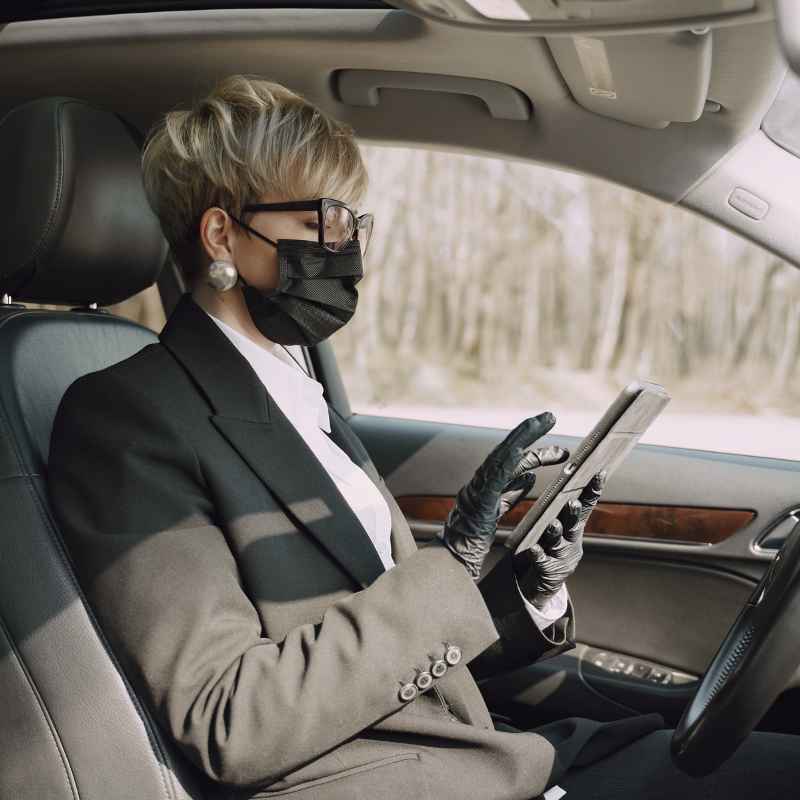
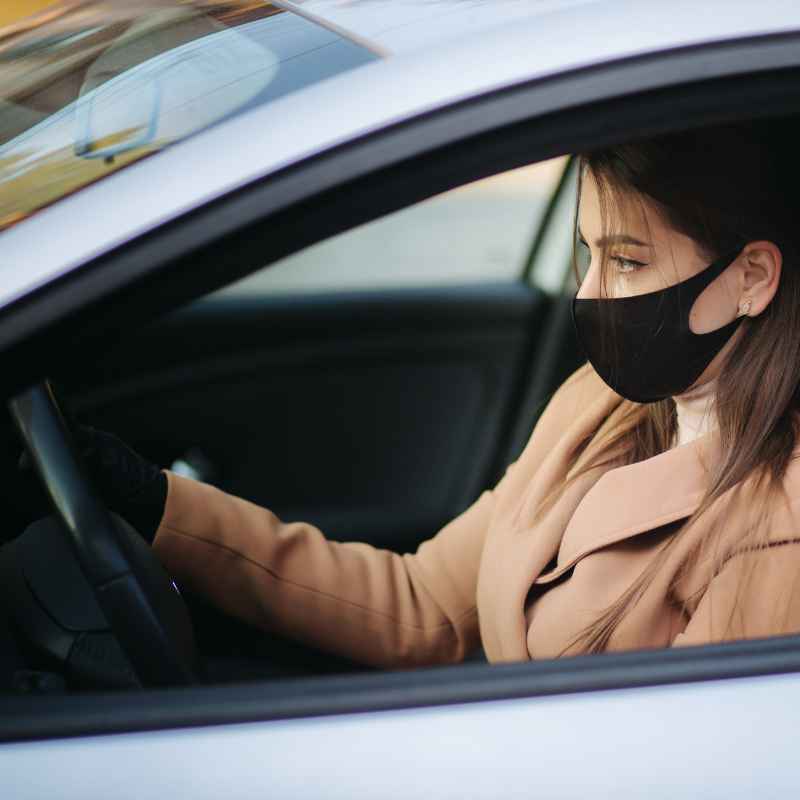
The general consensus from health experts is that wearing a mask in a private vehicle is typically not necessary. However, circumstances can change this advice, especially when driving with others outside your immediate household or in specific public health situations. Always check current local guidelines.
Understanding Masking in Your Car
Wearing a mask in your car often depends on who you are with. If you’re alone, there’s usually no need for one. The virus spreads through tiny droplets from our mouths and noses.
When you’re by yourself, these droplets don’t go anywhere. So, you’re safe without a mask.
Things change when others join you. If you’re driving with family or people you live with, you probably don’t need a mask. You share the same space and air every day.
You already have similar exposure risks.
The main reason to consider a mask is when you have guests. This could be friends or people you don’t live with. They might bring germs into your car.
A mask can help stop those germs from spreading between people in the confined space.
It’s also important to know about public health rules. Sometimes, local governments or health organizations suggest masking. This can happen during outbreaks.
They might recommend masks in many places, even inside your car if you’re with others.
My Own “Mask in the Car” Moment
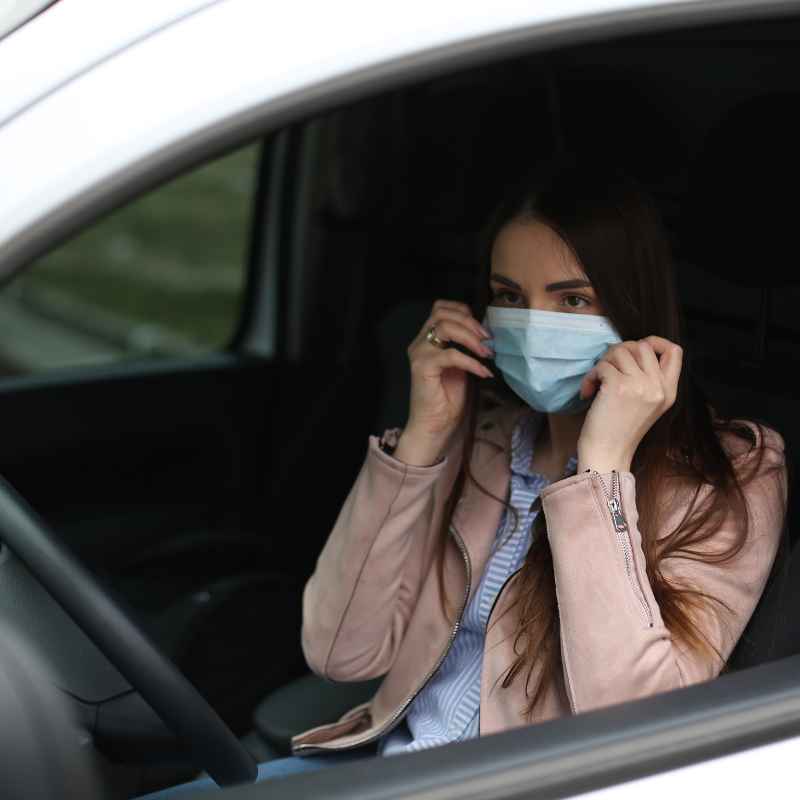
I remember a time last year when I drove my elderly aunt to a doctor’s appointment. She lives in her own home and has health issues. I hadn’t seen her much in person.
We were in my car for about 30 minutes. I felt a bit uneasy. Was I doing enough to keep her safe?
We don’t live together. I decided to wear my mask the whole time. My aunt also wore hers.
It felt like the right thing to do. We chatted, but it was a little harder to hear. Still, that small step gave me peace of mind.
It showed I cared about her health.
That experience stuck with me. It wasn’t about a rule. It was about thinking through who was in my small, enclosed space.
It was about being extra careful for someone I cared about. Many people face similar choices. They want to be safe but also connect with loved ones.
It’s a balancing act.
When Driving Alone: No Mask Needed
If your car is your personal bubble with just you inside, you can relax. No mask is required. The air is yours.
You’re not sharing it with anyone else. This is the simplest scenario.
Who is Considered “Household”?
When we talk about household members, it means people you live with. This is your family, roommates, or anyone sharing your home. You already share air at home.
Your risk of spreading germs is high among yourselves.
So, if you’re driving your spouse, kids, or housemates, a mask is generally not needed. You’re in a similar germ-sharing situation as your home. Think of the car as a small extension of your living space.
This idea helps keep things simple. It focuses on the risk of bringing new germs into a closed space. If everyone in the car already shares the same living space, the “new germ” risk is low between them.
They are already exposed to each other’s germs.
Driving with Household Members
Who lives with you? Your partner, kids, siblings, or roommates.
Car situation: Usually, no mask is needed.
Why: You share air at home. Car is like an extra room.
When to Consider a Mask: Guests
The situation shifts when you have guests. Imagine picking up a friend for lunch. This friend lives somewhere else.
They have their own exposures. You don’t know what germs they might have picked up.
Your car is a small, enclosed space. Germs can travel easily in the air. If your guest coughs or sneezes, droplets can linger.
A mask acts as a barrier. It helps catch those droplets before they spread widely in the car.
This is especially true if you or your guest are at higher risk. This includes older adults or people with health problems. Being cautious is a good idea.
It shows you are considerate of their well-being.
Even if no one is high-risk, it’s a good practice. It’s a simple way to reduce potential spread. Think of it like wearing a mask in a busy store.
You’re in a shared space with people you don’t live with.
Driving with Non-Household Friends
- Who is this for? Friends, neighbors, colleagues not living with you.
- Why mask? Shared air in a small space. Guest may have new germs.
- Benefit: Reduces germ spread between people.
- Extra care: Good for those with health issues.
Public Health Guidance Matters
Public health guidance changes. What was recommended months ago might not be today. It’s smart to stay updated.
Organizations like the Centers for Disease Control and Prevention (CDC) offer advice.
During peak times for illnesses, like flu season or during a pandemic, guidelines can become stricter. They might suggest masks in more situations. This is to slow the spread of disease in the community.
These recommendations are based on science. They look at how diseases spread. They also consider how many people are getting sick.
When community spread is high, more caution is advised everywhere. Your car is not immune to this.
So, if health authorities suggest masks in public spaces, it might extend to your car. This is especially true if you are driving with non-household members. Always check what your local health department says.
Their advice is tailored to your area.
Real-World Scenarios
Let’s picture a few common driving situations. This can help make the advice clearer. Each scenario has its own logic for masking.
Scenario 1: Solo Commute
You’re driving to work alone. Your car is your sanctuary. No mask needed.
You are the only person breathing the air. Enjoy your music or podcast in peace.
Scenario 2: Family Road Trip
You’re on vacation with your kids and spouse. You’ve been together constantly. No mask needed.
Your car is like a moving living room. You all share the same germ exposure.
Scenario 3: Carpool with a Neighbor
You give a neighbor a ride to the train station. You don’t live together. They might have been in public places.
Here, a mask is a good idea. You are in a small space together. This reduces the chance of passing germs.
Scenario 4: Driving with an Elderly Parent
Your parent lives alone and has a weaker immune system. You drive them to the grocery store. They are at higher risk.
Wearing masks is a wise precaution. It shows you’re protecting them.
Scenario 5: Post-Illness Driving
You just recovered from a cold. You need to drive someone. Even though you feel better, some germs might linger.
Wearing a mask is a considerate gesture. It protects your passenger.
Masking Decisions: A Quick Guide
- Driving Alone? No mask.
- With people you live with? No mask.
- With non-household friends? Consider a mask.
- With high-risk individuals? Mask is recommended.
- Local rules say mask? Follow them, even in your car.
When It’s Normal to Not Wear a Mask
Most of the time, for most people, wearing a mask in their car is not standard practice. This is because cars are often personal spaces. They are extensions of our homes.
Think about it: When you are the only one in your car, who are you protecting? There’s no one else to pass germs to. The risk is zero.
This is why health authorities usually don’t say “mask in your car” for solo drivers.
Also, if everyone in the car shares the same living space, they are already exposed to each other’s germs. Introducing a mask within a household in a car adds little to no extra protection. It could even be a bit awkward.
The normal scenario is one where the car is used by the people who live together. Or it’s used by a single person. In these common cases, masks are not usually needed.
The focus shifts when new people enter the space.
When to Be More Concerned
You should be more concerned about masking in your car if:
- Community transmission is high. Local health officials report many cases of illness.
- You are driving someone who is vulnerable. This includes the elderly, very young children, or people with weak immune systems.
- You or your passenger have symptoms. Even mild symptoms like a cough or sneeze are a reason to mask.
- You are in a shared ride. Services like Uber or Lyft often have their own mask policies. It’s good to follow them.
- Your car is very small and poorly ventilated. Tiny cars with windows up can trap germs more easily.
Being concerned doesn’t mean panic. It means being aware. It means making informed choices.
A simple mask can be a very effective tool in certain situations.
Checking for Concerns
- High Illness Rates: Check local news or health websites.
- Vulnerable Passengers: Do they have existing health issues?
- Symptom Awareness: Are you or your passenger feeling unwell?
- Ride-Sharing: Always check the app or driver’s preference.
Quick Tips for Masking in the Car
If you decide to wear a mask in your car, here are some simple tips:
- Keep it handy: Store masks in your glove compartment or a side pocket.
- Clean hands first: Always wash or sanitize your hands before putting on a mask.
- Proper fit: Make sure the mask covers your nose and mouth completely. It should fit snugly.
- Avoid touching: Try not to touch the front of your mask while wearing it.
- Remove carefully: Remove your mask by the ear loops or ties.
- Wash or discard: Wash cloth masks after each use. Discard disposable masks.
- Ventilation: Even with masks, opening windows can help. Good airflow reduces germ concentration.
These small steps make a difference. They help ensure your mask is effective and your car environment remains as clean as possible.
Frequently Asked Questions
Is it okay to not wear a mask in my car if I have a cold?
If you have cold symptoms, it’s a thoughtful gesture to wear a mask in your car, especially if you are driving someone else. This helps prevent spreading your germs to them. If you are alone, it is generally not necessary.
What about wearing masks in a carpool?
Carpooling usually involves people who don’t live together. In this case, wearing masks is a good idea to reduce germ transmission. It’s best to check with the other people in the carpool about their comfort level and any group agreements.
Do I need to wear a mask in a rental car?
Rental car policies can vary. Some companies may have recommended or required masking. It’s wise to check the rental company’s policy before you pick up the car.
If you are traveling with people you don’t live with, consider wearing a mask.
What if my state has no mask mandate?
Even without a state mandate, you might choose to wear a mask. This is especially true if you are driving with non-household members or if community illness levels are high. Personal choice and caution are important.
How do I clean my car after someone with a cold has been in it?
If someone with a cold was in your car, it’s a good idea to clean frequently touched surfaces. This includes door handles, the steering wheel, gear shift, and seatbelt buckles. Use a disinfectant wipe or spray.
Also, air out the car by opening windows.
Are masks effective in a car?
Yes, masks are effective at reducing the spread of respiratory droplets. In a car, where the space is enclosed, they can be a valuable tool to prevent transmission between occupants who do not live together.
Final Thoughts on Car Masking
The decision to wear a mask in your car is personal, but guided by clear principles. It centers on who you share that small, enclosed space with. Think about your household versus guests.
Consider community health levels. Use common sense and kindness.
Most of the time, driving alone or with family means no mask is needed. But when new people enter your car, it’s wise to be cautious. A mask is a simple, effective tool for everyone’s well-being.
Products related to this article
Sponsored / affiliate links. As an Amazon Associate I earn from qualifying purchases. I may earn additional commission from eligible campaigns.