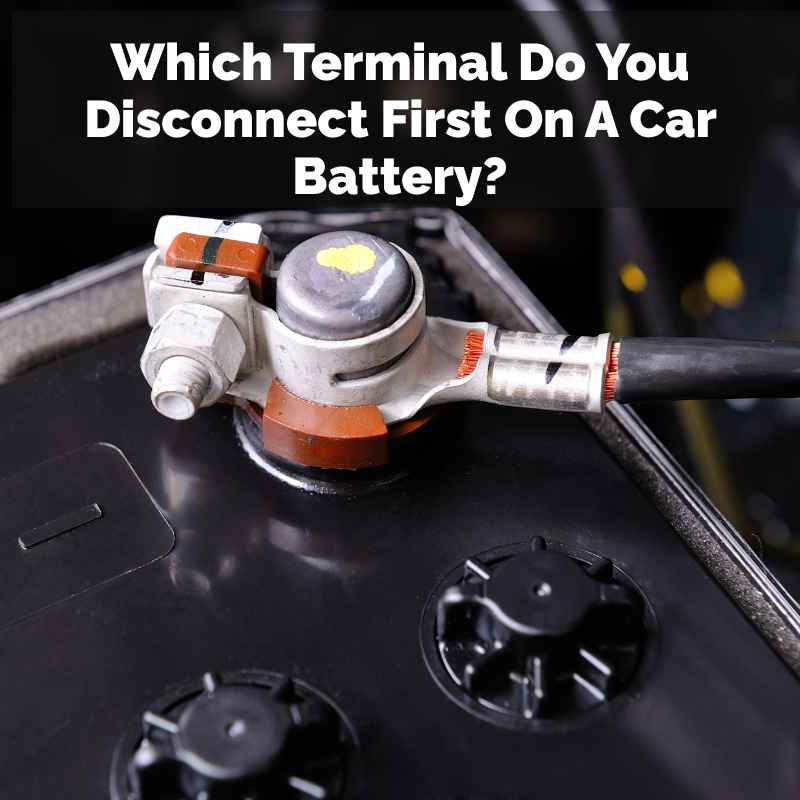
Which Terminal Do You Disconnect First On A Car Battery?
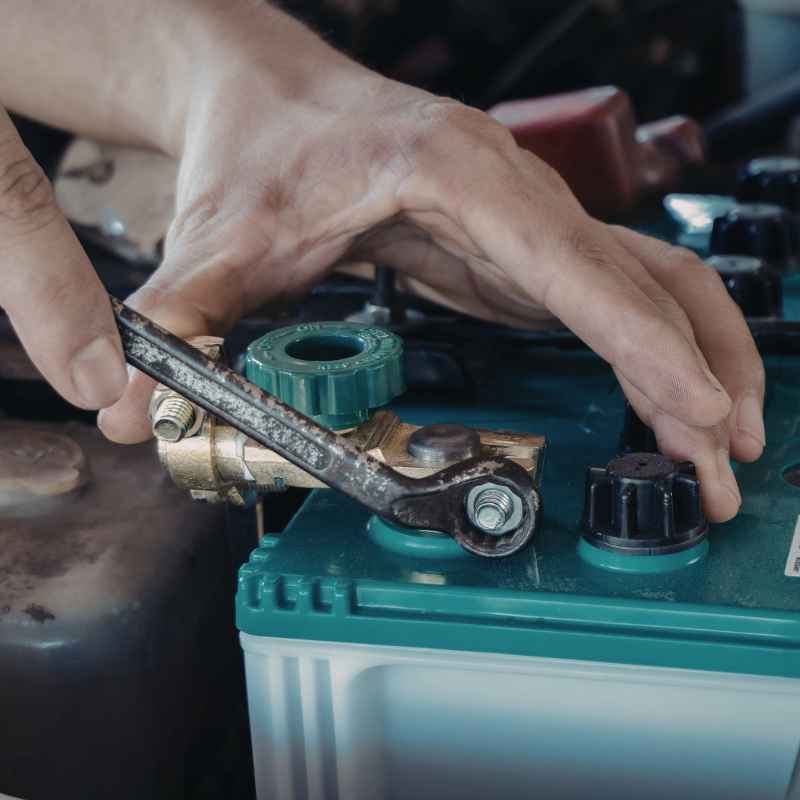
Always disconnect the negative (black) terminal first, then the positive (red) terminal. Reconnect in the reverse order: positive first, then negative. This order prevents accidental short circuits and sparks.
Understanding Your Car Battery Terminals
Your car battery is the heart of its electrical system. It stores the power your car needs to start and run. Most car batteries have two metal posts, called terminals.
These are where you connect the cables from your car’s electrical system. One terminal is for the positive (+) side, and the other is for the negative (-) side. You’ll usually see a plus sign (+) on the positive terminal and a minus sign (-) on the negative terminal.
The positive terminal is typically larger than the negative one. The cables that connect to these terminals are usually color-coded too. The positive cable is red, and the negative cable is black.
This color-coding is a handy reminder.
Knowing which is which is the first step. But the order in which you disconnect them matters a great deal. It’s not just a random choice.
There’s a specific reason for the order. It’s all about safety and preventing damage to your car’s delicate electronics. Think of it like a safety rule designed to keep things simple and avoid problems. If you’re installing a brand-new battery rather than disconnecting an old one, the order actually reverses — see our guide on which cable goes on first when connecting a battery for the full step-by-step.
Why the Negative Terminal Comes Off First
The reason you disconnect the negative terminal first is to prevent sparks. When you’re working on a car battery, there’s always a small risk of creating a short circuit. This happens if a metal tool touches both battery terminals at the same time.
It can also happen if a tool touches one terminal and a metal part of the car’s body at the same time. A short circuit can create a dangerous spark. It can also damage sensitive electronic components in your car.
Your car’s metal body and chassis are all connected to the negative side of the battery. This is called grounding. So, if you disconnect the positive terminal first while the negative terminal is still attached, and your wrench touches the car’s metal body, you’ve just completed a circuit.
That’s when you get a spark. By removing the negative terminal first, you are disconnecting the ground. This means the entire car’s metal body is no longer connected to the electrical circuit.
Then, even if your tool touches the car’s body while you’re working on the positive terminal, nothing happens. There’s no complete circuit to create a spark.
It’s like turning off a faucet before you unscrew the pipe. You want to break the connection that could cause a problem. The negative terminal is the one that provides that direct path to the car’s frame.
Removing it first isolates the car from the battery’s negative potential, making the rest of the process much safer.
My Own Battery Disconnect Scare
I remember one late afternoon, trying to swap out an old battery in my truck. I was a bit cocky, thinking I’d done this a hundred times. The sun was starting to dip, casting long shadows, and I was eager to finish before it got dark.
I grabbed my socket wrench, my mind already on the drive home. I went straight for the red (positive) terminal. I loosened the nut, ready to lift the cable away.
Then, my wrench slipped just a tiny bit. It brushed against the metal casing of the battery tray. BAM!
A bright flash, a loud crackle, and a puff of smoke. My heart leaped into my throat. The smell of ozone filled the air.
I froze, panicking, thinking I’d fried something important. My entire dashboard lit up like a Christmas tree a moment later. Thankfully, it was just a small spark and nothing was damaged.
But that scare taught me a powerful lesson. It reinforced the absolute importance of disconnecting the negative terminal first. Ever since that day, I never even think about it.
It’s always negative first. It’s a simple step, but it’s the one that can save you a lot of headaches and money.
Battery Terminal Quick Guide
Step 1: Identify Terminals
Look for the ‘+’ (red) for positive and ‘-‘ (black) for negative.
Step 2: Loosen Negative Cable
Use a wrench to loosen the nut on the negative (-) terminal.
Step 3: Remove Negative Cable
Gently pull the negative cable off the terminal post.
Step 4: Loosen Positive Cable
Now, loosen the nut on the positive (+) terminal.
Step 5: Remove Positive Cable
Gently pull the positive cable off the terminal post.
Step 6: Secure Cables
Keep the disconnected cables away from the battery posts.
The Positive Terminal Order and Why It Matters
Once the negative terminal is safely disconnected, you can then move on to the positive terminal. The positive terminal carries the main electrical flow from the battery. If you were to disconnect it first, and then accidentally touch the negative terminal (which is still connected to the car’s frame), you would create that same dangerous short circuit.
This spark could potentially ignite the hydrogen gas that batteries naturally release. Hydrogen gas is highly flammable. So, the order isn’t just about protecting electronics; it’s also a critical safety step for preventing potential fires.
When you reconnect the battery, you do the reverse. You connect the positive terminal first. Then, you connect the negative terminal last.
This ensures that when the final connection is made, the car’s frame is grounded, and any accidental contact with the tool won’t cause a spark. It’s a consistent system designed for safety and to prevent unwanted electrical events. Always remember: disconnect negative first, reconnect positive first — for the full connection-order walkthrough when installing a new battery, see what cable goes on a car battery first.
Common Battery Issues & When to Check
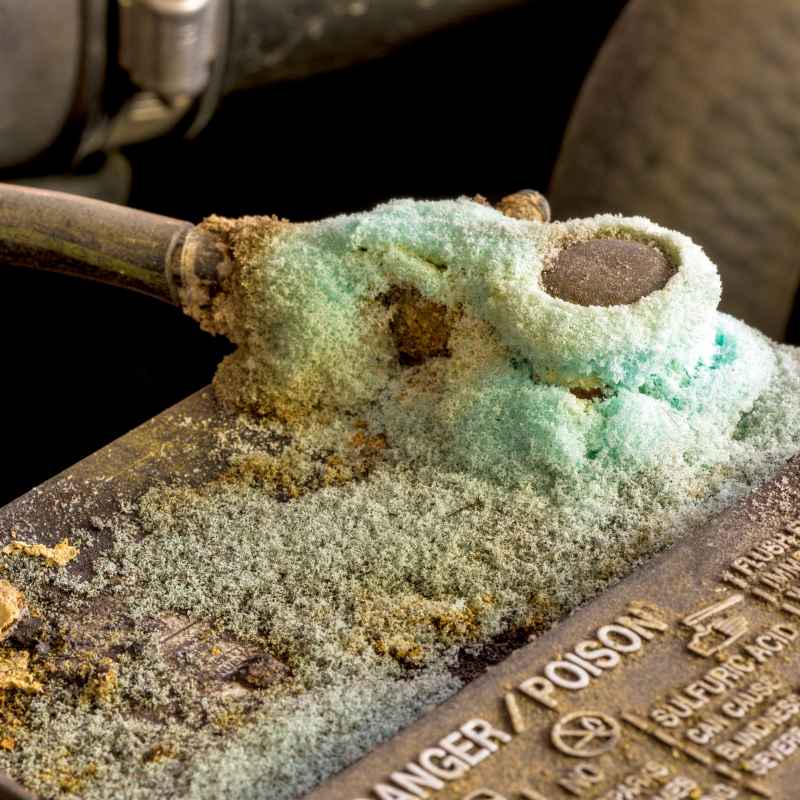
Corrosion: White or bluish powdery stuff on terminals. Can cause poor connection.
Loose Cables: Cables that wiggle easily mean a bad connection. Causes starting issues.
Swollen Battery Case: This can happen from overcharging or extreme heat. Needs immediate attention.
Leaking Battery: If you see liquid dripping, it’s dangerous. Handle with care and replace.
Dead Battery: Car won’t start, lights are dim. Might need a jump start or replacement.
Real-World Scenarios: Battery Maintenance
Knowing how to properly disconnect your car battery is a fundamental part of basic car maintenance. Many common car issues can stem from battery problems or improper handling. For instance, if you’re installing a new stereo system, replacing a starter motor, or even just cleaning your battery terminals, you’ll need to disconnect the battery.
In these situations, following the correct disconnection order is paramount. Imagine a mechanic working on your car. They’ll have their procedures dialed in.
They know that disconnecting the negative terminal first is just part of the job.
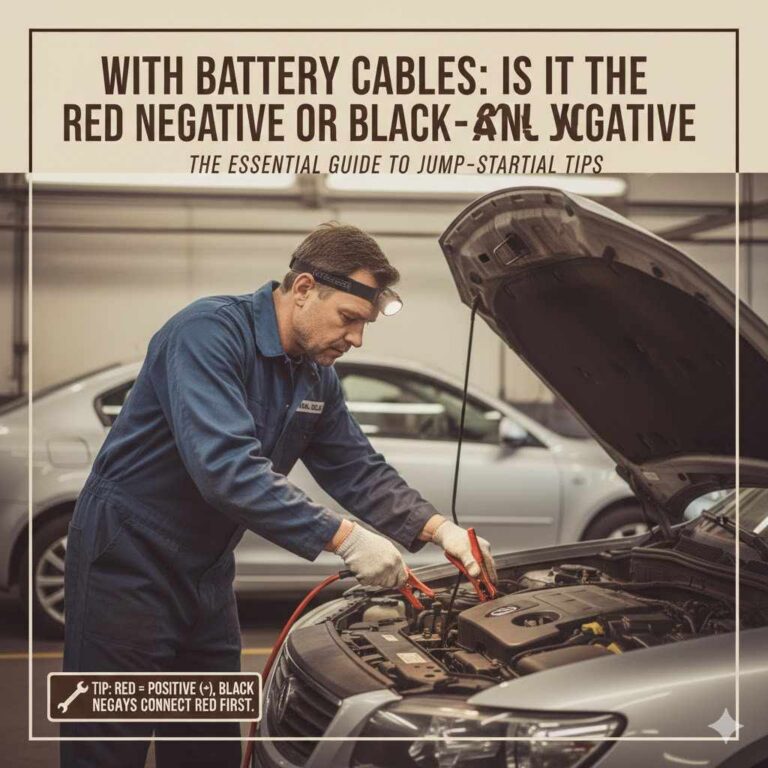
In colder climates, batteries can struggle more. You might find yourself needing to jump-start your car more often. Even then, understanding how to connect and disconnect jumper cables safely involves a similar principle: connect positive to positive, negative to negative on the working car, and then negative on the dead car, and disconnect in the reverse order.
The principle of preventing sparks by managing the ground connection is universal.
In warmer regions, heat can also affect battery life. Batteries left sitting for long periods, like in RVs or classic cars stored for the winter, might need to be disconnected to prevent a slow drain. If you’re using a battery tender or maintainer, you’ll typically connect it to the terminals after they’ve been disconnected from the car.
This keeps the battery charged without overcharging it.
What This Means for You: When It’s Normal, When to Worry
It’s completely normal to need to disconnect your car battery for various reasons. Whether you’re doing a DIY repair, installing new accessories, or simply performing routine maintenance, this skill is useful. The key is to remember the order: negative first, positive second when disconnecting.
And the reverse when reconnecting: positive first, negative second.
You should worry if you aren’t sure which terminal is which, or if you notice significant corrosion, leaking fluid, or a badly damaged battery case. If your car’s electronics start acting erratically or your car won’t start even after checking the battery, it might be a sign of a deeper issue. If you see a lot of sparks when disconnecting or reconnecting, something is likely wrong, or you might have missed a step.
In such cases, it’s always best to stop, step back, and perhaps consult a professional mechanic. Safety should always be your top priority.
A good rule of thumb is to have a basic tool kit handy if you plan on doing any work around your battery. This usually includes a socket wrench with the correct size for your battery terminals, a wire brush for cleaning terminals, and protective gloves and eyewear. Wearing old clothes is also a good idea, just in case of battery acid.
Batteries contain sulfuric acid, which is corrosive. Always handle them with care and make sure you know what to do if you get any on your skin.
Battery Terminal Cleaning Tips
Why Clean? Dirt and corrosion block electricity flow.
What You Need: Wire brush, battery terminal cleaner spray (optional), gloves, safety glasses.
Steps:
- Disconnect battery (negative first!).
- Spray cleaner on terminals and cables (if using).
- Scrub terminals and cable ends with a wire brush.
- Wipe away debris.
- Reconnect battery (positive first!).
- Consider terminal protectant spray.
Quick Tips for Battery Safety
Always ensure your vehicle is turned off and the keys are removed from the ignition before you begin. If you have a modern car with complex electronics, some owners prefer to use a memory saver device. This plugs into your OBD-II port or cigarette lighter to maintain power to the car’s computer systems while the battery is disconnected.
This prevents the loss of radio presets, clock settings, and other learned data. However, for most basic tasks, simply disconnecting the battery using the correct procedure is sufficient.
When working with batteries, avoid smoking or having open flames nearby. As mentioned, batteries can release flammable hydrogen gas. Make sure you are working in a well-ventilated area.
Also, never try to charge a frozen battery. If your battery is frozen, let it thaw completely before attempting to charge it. Charging a frozen battery can cause it to explode.
If you are unsure about any step, it is always better to seek help from a qualified mechanic. They have the experience and tools to handle the job safely and efficiently. Don’t risk damaging your car or injuring yourself.
Frequently Asked Questions About Battery Terminal Order
Why is it important to disconnect the negative terminal first?
Disconnecting the negative terminal first prevents accidental sparks and short circuits. The car’s metal body is connected to the negative terminal. By removing it, you isolate the car from the electrical circuit, making it safe to work on the positive terminal without creating a spark if your tool touches the car’s frame.
What happens if I disconnect the positive terminal first?
If you disconnect the positive terminal first and then accidentally touch the car’s metal body with your tool, you will create a spark. This can damage your car’s sensitive electronics or even ignite the flammable hydrogen gas released by the battery.
What is the correct order for reconnecting a car battery?
You reconnect the battery in the reverse order of disconnection. First, connect the positive (red) terminal, then connect the negative (black) terminal. This ensures the car’s frame is grounded when the final connection is made, preventing sparks.
Can I use the same tool to disconnect both terminals?
Yes, you can use the same tool, typically a socket wrench. However, be careful not to let the tool bridge between the positive and negative terminals or touch the car’s metal frame while connected to a terminal.
What if my battery terminals are stuck?
If your battery terminals are stuck due to corrosion, you can try a battery terminal cleaner spray. Gently tap the cable clamp with the handle of your wrench or use a specialized battery terminal puller. Avoid excessive force, which could damage the battery or cable.
Do I need to disconnect the battery for simple tasks like changing a headlight bulb?
For most simple tasks like changing a headlight bulb or a wiper blade, disconnecting the battery is usually not necessary. However, if you are working near the battery or on any electrical components, it’s always a good safety practice to disconnect it.
How do I know which terminal is positive and which is negative?
The positive terminal is usually marked with a plus sign (+) and is often larger than the negative terminal, which is marked with a minus sign (-). The positive cable is typically red, and the negative cable is black.
Putting It All Together for Safe Battery Work
Taking care of your car battery involves more than just making sure it has enough power to start your engine. It’s about understanding how it works and how to handle it safely. The simple rule of disconnecting the negative terminal first is a cornerstone of battery safety.
It protects you, your car’s electronics, and your peace of mind. By following this easy guideline, you can tackle many common car tasks with more confidence.
Remember, safety comes first. If you ever feel unsure or uncomfortable with a task involving your car battery, don’t hesitate to seek professional help. A little knowledge and a lot of caution go a long way in keeping your vehicle running smoothly and safely.
Products related to this article
Sponsored / affiliate links. As an Amazon Associate I earn from qualifying purchases. I may earn additional commission from eligible campaigns.