Best Charging Amp for a Car Battery (2026): research shows
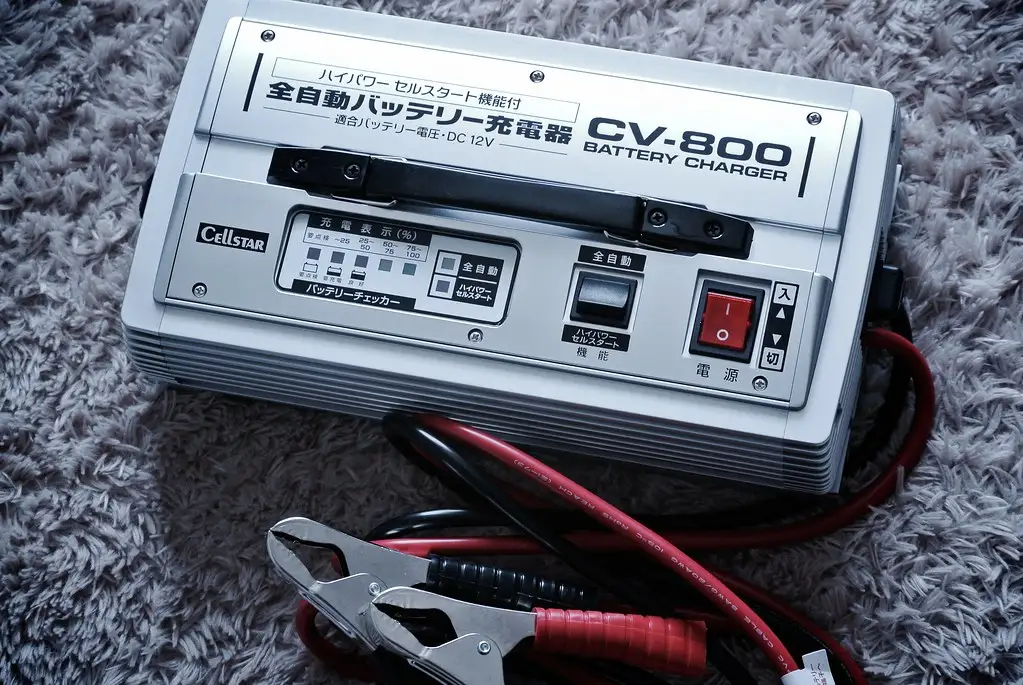
For a 12V car battery, a moderate charging current in the roughly 4 to 10 amp range is often a safe everyday choice; a common rule of thumb is about 10% of the battery’s amp-hour rating, with around 2 amps sometimes used for small or deeply discharged batteries. Push current too hard and you can overheat the battery, shorten its life, or miss a failing battery. This guide explains how to choose amps by battery size, time available, battery condition, and charger type.
Best charging amp for a car battery: 4-6A for most drivers
For most passenger cars, 4-6 amps is the best all-around choice because it keeps charging speed and heat in balance. Standard car batteries are typically 40-60Ah, and a fully charged 12V battery reads 12.6-12.8 volts at rest. That makes 4-6A a practical default for overnight charging without pushing a healthy battery too hard.
Why 4-6A fits the common passenger-car battery
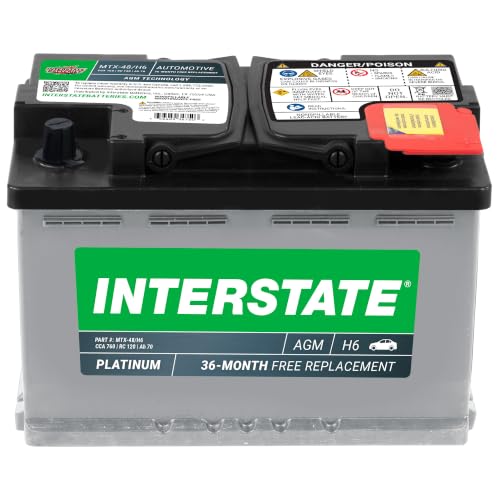
The Amp-hour rating printed on the battery label is the main sizing input. The practical 10% rule says the safest amperage is 10% of the battery’s Ah rating, so a 50Ah battery points to about 5A, and a 60Ah battery points to about 6A. That is why 4-6A sits in the middle of the normal range.
When 2A is better than 4-6A
Use 2 amps for long-term maintenance, storage charging, or a gentle top-off. It is the low-risk choice for small batteries, older batteries, and batteries that sat unused for a while. A common first-timer mistake is choosing a higher setting just because it looks faster, then wondering why the battery gets warm.
When 10A makes sense and when it does not
Use 10 amps when you need the car running within a few hours, not when you plan to leave the battery unattended for a full day. It is fine for same-day charging with monitoring, but it is not the default for routine charging. Old, weak, hot, or swollen batteries need a lower setting or replacement, not more current.
How to read the choice in plain terms
If your battery is about 60Ah and you have all night, a 6A smart charger can be a good fit. Suppose the battery is 80Ah and the car must move in four hours. A 10A setting is the more realistic choice, but only if the charger controls current and the battery stays cool.
📊 A standard car battery is typically 40–60Ah. Source: What Amp to Charge a Car Battery: 2A vs 10A Guide with Charging Times.
Quick comparison
| Product | Badge | Best for | Price | ||
|---|---|---|---|---|---|
 |
NOCO GENIUS5 5A 6/12V Smart Battery Charger, TrickleNOCO | Our pick | 5A smart charger for 6/12V batteries | $69.95
Price as of 10 Oct 2026
|
View |
 |
NOCO Boost GB40 12V 1000A UltraSafe Portable Lithium JumpNOCO | Pair with it | 1000A portable jump starter with power bank | $91.21
Price as of 10 Oct 2026
|
View |
 |
C-kuaiter 54.6V/5A 48V 13S Lithium Battery Charger forc-kuaiter | Also great | 54.6V 5A charger for 48V lithium | $50.00
Price as of 10 Oct 2026
|
View |
 |
NOCO GENPRO10X1 12V 10A 1-Bank OnBoard Marine BatteryNOCO | Upgrade pick | 10A onboard marine battery charger & maintainer | $116.50
Price as of 10 Oct 2026
|
View |
Use the battery label, your time window, and the battery’s condition as the decision order. The right answer changes if the battery is deeply discharged, aged, or AGM, so the best charger is the one that matches those limits instead of chasing the highest number.
How we chose
The decision system here starts with battery size and chemistry support, then checks charge speed against heat risk. It also favors smart control and cutoff protection, because modern chargers can taper current as the battery fills and stop before damage sets in.
Real-world charger labels matter too. Many units offer clear 2A, 10A, or 20A modes, and some are automatic like the CTEK MXS 5.0 at 4.3 amps or the NOCO Genius5 at 5 amps. Those labels tell you more than a vague “fast” or “maintainer” claim.
The guide also separates healthy batteries from deeply discharged, sulfated, and aging ones. That matters, because a battery that looks like a simple low-charge case may be hiding plate damage or a problem that no charger setting can fix.
2-amp trickle charger: best for maintenance and storage
NOCO Genius5 is for drivers who want a smart 6V/12V maintainer that can also handle lead-acid and supported lithium-ion batteries. Based on the spec sheet and reviews, its 5-amp automatic behavior lands in the useful middle ground for daily use.
It stands out because it can start charging from 1 volt and includes thermal sensing, which matters when a battery is warm or partially recovered. That makes it more forgiving than a fixed-output trickle unit.
The drawback is simple: 5 amps is not the same as a high-output shop charger. If you need to revive a large battery fast, this is not the quickest tool.
Best use cases for long-duration charging
Two amps is best for long-term maintenance and storage. It is the right setting for a battery that sits on a tender through winter, or for a healthy battery that only needs a slow top-off. The guide recommends 2 amps for overnight trickle or maintenance charging.
Who should avoid relying on 2A alone
Do not count on 2 amps for a heavily discharged daily driver that needs to be ready soon. If the battery is significantly below normal state of charge, the lower setting may take too long. It is gentle, but gentleness does not replace adequate charging time.
Why low current is gentler on older batteries
Low current creates less heat and less gassing. That matters because heat buildup can warp plates, dry out electrolyte, swell the case, and in bad cases lead to rupture. Older batteries usually benefit from a slower, cooler charge, especially if they have already shown weakness.
4-6 amp standard charger: best for most passenger cars
NOCO GENPRO10X1 is for users who want a 10A onboard smart charger and maintainer, especially in marine or fixed-installation settings. Based on its specs, it gives you selectable battery modes and the kind of automatic control that reduces overcharge risk.
It stands out for its 10A total power and onboard format, which suits batteries that need regular maintenance in place. That is useful if you are managing more than one battery type or want a permanent charging setup.
The drawback is that it is more charger than many car owners need for a single garage battery. It is also not the cheapest route if you only want a basic home charger.
How long a 40-80Ah battery usually takes at 4A or 6A
A 40Ah battery charging at 4A is roughly a 12-hour job, and at 6A it is closer to 8 hours or so. A 60Ah battery may take roughly 18 hours at 4A or about 12 hours at 6A. Those are practical estimates, not lab promises, but they show why overnight charging fits this range well.
Why this range fits overnight charging
Four to six amps is the middle ground most drivers want. It is fast enough to be useful, slow enough to keep heat in check, and common on smart chargers that taper as the battery fills. For most 40-60Ah passenger-car batteries, that is the safest default.
AGM notes for standard-charge settings
AGM batteries often live in newer vehicles and benefit from careful charging, because they are sensitive to overcharge and heat. A smart charger matters more here than on an older flooded battery. Use the AGM mode if the charger offers it, and avoid forcing a generic high-current setting.
10-amp charger: best for same-day charging
NOCO Boost GB40 is not a charger, but an emergency jump starter for 12V vehicles. It suits drivers who need a portable start option, not a wall charger for full battery recovery.
It stands out for spark-proof and reverse-polarity protection, plus a built-in flashlight. That makes it useful in roadside situations where a dead battery leaves you stranded.
The drawback is that it does not replace a charger or maintainer. If the battery keeps going flat, you still need to diagnose the battery, the alternator, or the parasitic drain.
When 10A is acceptable with monitoring
Ten amps is useful when the car is needed within hours. The guide says 10 amps is acceptable for same-day charging with monitoring, and that is the key phrase. Watch temperature, watch charger status, and stop if the battery gets hot or starts showing stress.
Why older or weak batteries need extra caution
Older batteries can hide damage. Higher current may speed up charging, but it also raises the chance of gassing and heat. If a battery is already sulfated or aging, a 10A setting can expose the problem faster, but it can also finish the battery off sooner.
What a 10A setting means for heat and charge time
For a 50Ah battery, 10A is far quicker than 4A or 6A, but that speed comes with more thermal stress. Higher amps charge faster, yet they also create more heat. That tradeoff is acceptable only when time matters and the battery can take the load.
Proof table: battery size, amp setting, time, and risk
The table below uses a simple estimate: battery Ah divided by charger amps, then adjusted upward a bit to account for charging losses. Risk levels reflect heat, gassing, and stress on healthy batteries. If your battery is old, swollen, hot, or deeply sulfated, move one step lower.
| Battery size | 2A setting | 4A setting | 6A setting | 10A setting |
|---|---|---|---|---|
| 40Ah | About 24 hours, low risk, best for maintenance | About 12 hours, low risk, good overnight choice | About 8 hours, low-to-moderate risk, monitor heat | About 4.8 hours, moderate risk, same-day use only |
| 50Ah | About 30 hours, low risk, best for storage | About 15 hours, low risk, good overnight choice | About 10 hours, low risk, very practical default | About 6 hours, moderate risk, monitor closely |
| 60Ah | About 36 hours, low risk, slow maintenance only | About 18 hours, low risk, overnight plus margin | About 12 hours, low risk, best all-around fit | About 7.2 hours, moderate risk, useful when time is tight |
| 70Ah | About 42 hours, low risk, storage only | About 21 hours, low risk, safe but slow | About 14 hours, low-to-moderate risk, monitor battery temp | About 8.4 hours, moderate risk, same-day charging with care |
| 80Ah | About 48 hours, low risk, very slow maintenance | About 24 hours, low risk, better than higher heat | About 16 hours, low-to-moderate risk, practical if time allows | About 9.6 hours, moderate risk, only if the battery is healthy |
How to use the table with your battery label
Read the Ah number on the battery case, then compare it to your time window. If you have a 40-60Ah battery and overnight charging is fine, 4-6A is the cleanest answer. If you need the car soon, 10A becomes more useful, but only with a smart charger or close monitoring.
Say your 70Ah battery has been sitting in a commuter car for two weeks and now reads low. A 6A smart charger is usually the better starting point than 10A because it lowers heat while still finishing within a reasonable window. A 10A setting is the faster option, not the automatic one.
What amp should I charge a car battery at?
For most 12V car batteries, 4-6 amps is the best everyday setting. Use about 10% of the battery’s amp-hour rating as a practical guide, so a 50Ah battery points to about 5A. Choose 2A for maintenance or very gentle charging, and 10A when time is limited.
Battery condition changes the answer
Healthy batteries can take the standard range. Deeply discharged, sulfated, aging, hot, or swollen batteries need more caution. A charger setting is not a cure for battery damage, and pushing current into a failing battery can hide the real problem.
Is 2 amps or 10 amps better for charging a car battery?
Neither is always better. Two amps is gentler and better for maintenance, storage, and older batteries, while 10 amps is better when you need the vehicle back within a few hours. The right choice depends on battery size, battery condition, and how soon you need the car.
Use the slower setting when the battery is weak
If the battery is aged, deeply discharged, or running warm, start lower. Two amps reduces stress, and that can matter more than speed. Ten amps is useful, but it is a tool for time pressure, not a default answer.
How long does it take to charge a 12V car battery at 4 amps?
At 4 amps, charging time depends on battery size and state of discharge. A 40Ah battery is roughly a 12-hour job, a 50Ah battery is about 15 hours, and a 60Ah battery is about 18 hours by the table here. Allow extra time for a nearly empty battery.
Why the final part takes longer
Charging slows as the battery fills. Smart chargers taper current near the top and may take longer than simple math suggests. That is normal, and it protects the battery from overcharge while it approaches a full resting voltage of 12.6-12.8 volts.
Can I charge a car battery at 10 amps overnight?
Yes, if the battery is healthy and the charger is smart enough to control the process. Ten amps is acceptable for same-day charging with monitoring, but it is still a hotter setting than 4-6A. Do not leave a weak or swollen battery unattended on 10A.
What to watch during an overnight 10A session
Check for heat, swelling, odor, or a charger that never tapers down. Those signs point to trouble. If the battery is older or you do not know its condition, a lower setting is safer, even if it takes longer.
What happens if I charge a car battery too fast?
Charging too fast can build heat, increase gassing, warp plates, and shorten battery life. In worse cases, the case can swell or rupture. Fast charging is useful only when the battery is in decent shape and the charger has proper cutoff or smart control.
Failure signs that mean stop now
If the battery gets hot, smells sharp, leaks, or swells, stop charging. A battery below 2V that will not accept charge is another warning sign. It may need recovery mode, diagnostics, or replacement, not more current.
How do I know when a car battery is fully charged?
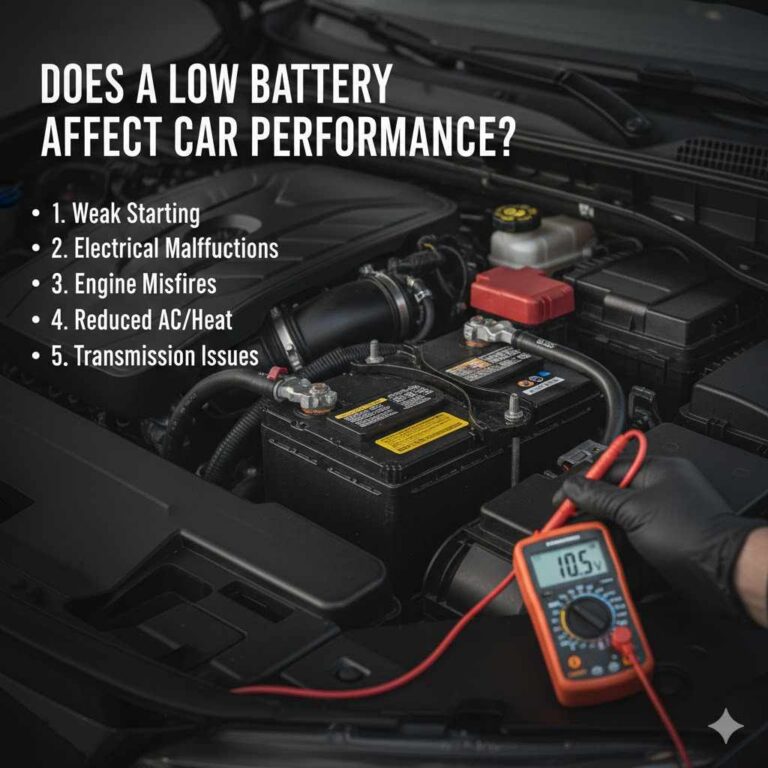
A fully charged 12V battery reads 12.6-12.8 volts at rest after it has rested without charging or load. On a smart charger, the current should taper down and the charger should indicate full or maintenance mode. Voltage alone is helpful, but resting voltage is the cleaner check.
What to do if the battery reads below 2V
If a battery reads below 2V, many chargers will not start normally. Use a charger with recovery or low-voltage start capability if available. If the battery still will not accept charge, it may be damaged beyond safe reuse.
What amp charger do I need for an AGM car battery?
For AGM batteries, a smart charger with an AGM mode is the safest pick. A 4-6A charger is still a good everyday range for many passenger cars, but the charger should control voltage and taper automatically. AGM batteries are less forgiving of abuse than plain flooded batteries.
Why AGM needs more caution
AGM batteries are sealed and sensitive to overcharge. Heat and excessive voltage can shorten their life quickly. A smart charger with automatic cutoff is better than a manual high-amp setting, especially if the battery is partly discharged or aging.
Is a smart charger better than a manual charger for a car battery?
Yes. A smart charger is safer for most drivers because it adjusts current automatically, tapers as the battery fills, and usually includes cutoff and protection modes. Manual chargers can work, but they demand more attention and make overcharge easier if you choose the wrong setting.
Why smart control matters on real chargers
Modern chargers often include 6V and 12V support, battery-type modes, and automatic current control. That helps with motorcycles, small equipment, and regular cars alike. It also reduces the chance of holding a battery at too high a current for too long.
Can I use a trickle charger on a car battery long term?
Yes, if it is a proper maintainer with smart control and low output. The guide’s best long-term maintenance range is 1-2 amps. Long-term charging at that level is useful for storage, but it will not fix a failing battery or one with internal damage.
What long-term maintenance can and cannot do
A trickle charger keeps a healthy battery ready. It does not reverse sulfation in a battery that has been neglected for too long, and it does not rescue a battery with swelling, leakage, or internal failure. If the battery keeps going flat, diagnose the cause instead of leaving it on a maintainer forever.
Which one should you buy?
If you want the safest all-around option for a normal 40-60Ah passenger-car battery, choose a smart 4-6A charger such as the NOCO Genius5. If you want the lowest-cost maintenance path, choose a true 2A maintainer. If you need same-day charging, a smart 10A unit is the better fit.
If you own AGM or gel-cell batteries, choose a smart charger with a battery-type mode and automatic cutoff. If you manage multiple vehicles or want an onboard solution, the NOCO GENPRO10X1 makes more sense than a portable maintainer. The NOCO Boost GB40 is for jump-starting only, not routine charging, and the c-kuaiter charger is for 48V lithium two-wheelers, not 12V car batteries.
For most drivers, the simplest rule is this: 2A for storage, 4-6A for normal charging, 10A for time pressure, and anything near 20A only with smart cutoff and a clear reason. If the battery is old, hot, swollen, or below 2V, step back and diagnose before you charge harder.
Frequently asked questions
What amp should I charge a car battery at?
For most 12V passenger cars, 4-6 amps is the best everyday answer. Use about 10% of the battery’s Ah rating as a starting point, then reduce the setting if the battery is old, deeply discharged, or already warm. Two amps is best for maintenance.
Is 2 amps or 10 amps better for charging a car battery?
Two amps is better for storage, long-term maintenance, and gentler charging. Ten amps is better when you need the car back within a few hours. The right choice depends on battery condition, battery size, and how much time you have.
How long does it take to charge a 12V car battery at 4 amps?
It depends on battery size and discharge level. As a practical estimate, a 40Ah battery may take about 12 hours, a 50Ah battery about 15 hours, and a 60Ah battery about 18 hours. Smart chargers may take longer near full charge because they taper.
Can I charge a car battery at 10 amps overnight?
Yes, if the battery is healthy and the charger has smart control or automatic cutoff. Do not do this with a weak, hot, swollen, or unknown battery. Ten amps is useful for same-day recovery, but it should not be the routine setting for every battery.
How do I know when a car battery is fully charged?
A fully charged 12V battery reads 12.6-12.8 volts at rest. On a smart charger, the current should taper and the charger should switch to full or maintenance mode. If the battery never reaches those signs, the battery may be weak or damaged.
What amp charger do I need for an AGM car battery?
Choose a smart charger with AGM support and automatic taper. For many passenger cars, 4-6 amps is still a good everyday charging range, but control matters more than raw current. AGM batteries dislike overcharge, so avoid manual high-amp charging unless the charger is built for it.
Products related to this article
Sponsored / affiliate links. As an Amazon Associate I earn from qualifying purchases. I may earn additional commission from eligible campaigns.