What Cars Have 300 Horsepower? (2026 List by Segment)
Genuine 300-hp cars for 2026 include the Genesis G70, the base Ford Explorer (2.3L EcoBoost), and the Ford Mustang EcoBoost (315 hp) – but the BMW 330i (255 hp) and Honda Pilot (285 hp) don’t actually reach 300 despite their badges. Shopping by nameplate alone can leave you short on power. This guide covers verified 2026 sedans, SUVs, sports cars, and EVs with true 300+ hp, plus which “300” badges are misleading.
Quick Answer
Real 300+ hp cars for 2026 span every segment: the Genesis G70 and Lexus IS 350 F Sport (sedans), the base Ford Explorer and Genesis GV80 (SUVs), the Ford Mustang EcoBoost and Toyota GR Corolla (sports cars), and the Tesla Model 3 Long Range and Ford Mustang Mach-E GT (EVs). Skip anything named after a “300” or “330” badge – those numbers rarely match the real SAE-certified horsepower anymore.
Is 300 Horsepower a Lot?
300 horsepower is an above-average output that comfortably covers daily driving, highway merging, and confident passing – it’s roughly 90-100 hp more than a typical new compact sedan, but well below the 400-500+ hp that dedicated performance cars now offer. Whether it feels “like a lot” depends heavily on the car’s weight: 300 hp in a 3,200-lb Mustang EcoBoost produces a much faster car than the same 300 hp spread across a 5,000-lb three-row SUV.
Torque, gearing, and drivetrain matter just as much as the horsepower number itself. A turbocharged four-cylinder rated at 300 hp can out-accelerate a naturally aspirated V6 with the same peak figure if its torque arrives earlier in the rev range – which is exactly why two cars can share a “300 hp” spec sheet line and still feel completely different to drive.
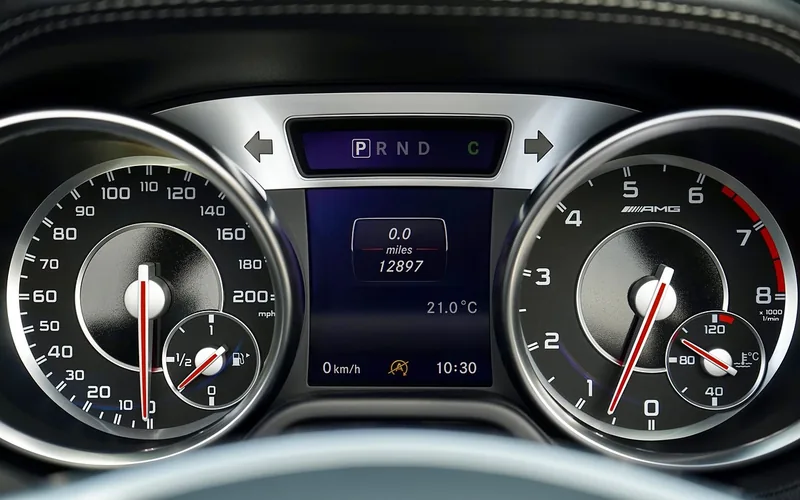
📊 U.S. horsepower figures are certified to the SAE J1349 net power standard – tested with the production muffler and air intake in place, which is the reason a “330i” or “C300” badge doesn’t have to match the car’s actual rated output. – Source: Vehicle Certification Agency, SAE J1349 Certified Power
Sedans With 300+ Horsepower (2026)
Only a handful of current sedans genuinely clear the 300-hp mark – most “sporty-sounding” trims like the BMW 330i and Mercedes-Benz C300 top out at 255 hp despite the number in their name (more on that below).
| Sedan | Engine | Horsepower |
|---|---|---|
| Genesis G70 (2.5T) | 2.5L turbo I4 | 300 hp |
| Lexus IS 350 F Sport | 3.5L V6 | 311 hp |
| Cadillac CT4-V | 2.7L turbo I4 | 325 hp |
| Cadillac CT4-V Blackwing | 3.6L twin-turbo V6 | 472 hp |
| Kia K5 GT | 2.5L turbo I4 | ~290 hp (just under 300) |
Doesn’t actually reach 300 hp: the base BMW 330i (255 hp), the base Mercedes-Benz C300 (255 hp), the standard Audi A5 that replaced the A4 (268 hp), and the entry Cadillac CT4 Premium Luxury (237 hp – only the CT4-V trim clears 300). Engine displacement and code names in the article’s original list have changed generation-over-generation, so always confirm the specific trim’s rated output on a source like Edmunds or the automaker’s own specs page rather than assuming from the name. Related: what engine displacement (cc) actually tells you about power.
Best Horsepower-Verification Pick
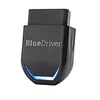
BlueDriver OBD2 Scanner Bluetooth (No Subscription)
Reads live engine data plus manufacturer-specific codes, so you can verify a used car’s engine is actually the higher-output trim before you buy.
- Best for: confirming a used car’s real engine/trim before purchase
- Why we picked it: no subscription fee, works with the free BlueDriver app on iOS/Android
- Main drawback: pricier than basic code readers
Compare more ways to check or add horsepower
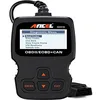 Option 1 ANCEL AD310 OBD II Scanner
|
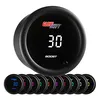 Option 2 GlowShift Digital Boost Gauge
|
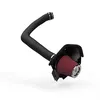 Option 3 K&N Cold Air Intake System
|
As an Amazon Associate we earn from qualifying purchases.
SUVs With 300+ Horsepower (2026)
Trim level matters even more with SUVs, where the base engine and the performance trim of the same nameplate can differ by 80+ horsepower.
| SUV | Engine | Horsepower |
|---|---|---|
| Ford Explorer (base 2.3L EcoBoost) | 2.3L turbo I4 | 300 hp |
| Ford Explorer ST | 3.0L turbo V6 | 385 hp |
| Genesis GV80 (2.5T) | 2.5L turbo I4 | 300 hp |
| Jeep Grand Cherokee (2026 redesign) | 2.0L turbo I4 | 324 hp |
| Toyota 4Runner i-FORCE MAX | 2.4L turbo hybrid I4 | 326 hp |
| Land Rover Discovery (I6) | 3.0L turbo I6 | 355 hp |
| Ford Bronco (2.3L, premium fuel) | 2.3L turbo I4 | 300 hp* |
*The Bronco’s 2.3L EcoBoost is rated 300 hp on 93-octane premium fuel but drops to 275 hp on regular – a detail most spec sheets bury in a footnote. Doesn’t actually reach 300 hp: the Honda Pilot (285 hp, 3.5L V6), the Toyota Highlander Hybrid (243 hp), and the non-hybrid 4Runner’s base 2.4L turbo I4 (278 hp) – all popular family-SUV picks that top out short of 300 despite feeling plenty quick in daily driving.
Sports Cars and Muscle Cars With 300+ Horsepower (2026)
This is where the biggest change since older “300 hp cars” lists is the number of nameplates that no longer exist as new vehicles – and the ones that remain now blow past 300 hp by a wide margin.
| Sports/Muscle Car | Engine | Horsepower |
|---|---|---|
| Ford Mustang EcoBoost | 2.3L turbo I4 | 315 hp |
| Toyota GR Corolla | 1.6L turbo I3 | 300 hp |
| Honda Civic Type R | 2.0L turbo I4 | 315 hp |
| Dodge Charger R/T (2026 SIXPACK) | 3.0L twin-turbo I6 | 420 hp |
| Dodge Charger Scat Pack | 3.0L twin-turbo I6 | 550 hp |
No longer available new: the Chevrolet Camaro ended production in December 2023 (final model year 2024), the Dodge Challenger ended production the same month (final model year 2023), and the Nissan Maxima was discontinued after 2023 – all three are used-market only now, though they remain genuinely capable ~300-hp cars if you’re shopping pre-owned. The current Dodge Charger is a completely different car from the V6/V8 model these lists used to recommend – it’s now built around a twin-turbo inline-six and starts well north of 300 hp in every gas trim.
Electric Cars With 300+ Horsepower (2026)
Electric motors make horsepower comparisons a little different – even “entry-level” EVs frequently clear 300 hp because electric motors deliver full torque instantly, without a turbo or a tall rev range to climb.
| Electric Car | Motor Layout | Horsepower |
|---|---|---|
| Cadillac Optiq (RWD, single motor) | Single motor | 315 hp |
| Tesla Model 3 Long Range | Dual motor AWD | 425 hp |
| Tesla Model 3 Performance | Dual motor AWD | 510 hp |
| Ford Mustang Mach-E GT | Dual motor eAWD | 480 hp |
The Audi e-tron and Q8 e-tron – long a common recommendation on “300 hp EV” lists – ended production in February 2025 and were fully discontinued for the 2026 model year; Audi has confirmed a successor is planned but not yet released, so it’s no longer a current option. Related: how BMW’s EVs compare to Tesla if you’re cross-shopping electric performance.
Why Some “300” Badges Don’t Actually Mean 300 Horsepower
Badge numbers used to roughly track engine displacement or output, but that link broke down years ago. BMW’s “330i” traditionally implied a 3.0-liter engine, but every current BMW is turbocharged and several completely different displacement four-cylinders now wear badges like 330i, 530e, or X1 xDrive28i – none of which reliably signals 300 hp. Mercedes-Benz’s naming is closer to actual output, but even that isn’t exact: every C300 sold since 2015 uses a four-cylinder rated at 255 hp, not the V6 a 2016-era badge reader might assume.
How to verify a car’s real horsepower before you buy it:
- Check the trim-specific engine code, not the badge name: ask for the window sticker’s “Engine” line or the build sheet – the trim name alone (330i, C300, CT4) is not a reliable power figure.
- Look up the SAE-certified horsepower on the automaker’s official specs page or a source like Edmunds – SAE J1349 net power ratings are directly comparable across brands.
- Compare torque alongside horsepower: a lower-hp turbo engine can out-tow or feel quicker off the line than a higher-hp naturally aspirated engine, depending on where peak torque arrives.
- Confirm the trim is still in production: several nameplates shoppers assume are current (Camaro, Challenger, Audi e-tron) have already been discontinued.
- Test drive before deciding: 300 hp feels very different in a 3,200-lb sports car than in a 5,000-lb SUV, even though the spec sheet number is identical.
“The 2.3L EcoBoost four-cylinder in the current Mustang is factory-rated at 315 horsepower and 350 lb-ft of torque on 93-octane fuel – a specific, published figure that has nothing to do with the ‘5.0’ or ‘GT’ names some shoppers still associate with Mustang power.”
Maintaining a 300 HP Car
A 300-hp car doesn’t need dramatically different upkeep than any other modern vehicle, but a few items matter more because the engine works harder: check oil levels monthly and follow the manufacturer’s interval (often 5,000-10,000 miles depending on oil type), check tire pressure weekly since underinflated tires wear faster under stronger acceleration, and replace brake pads on schedule – typically every 25,000-65,000 miles depending on driving style, since higher-output cars generate more braking heat.
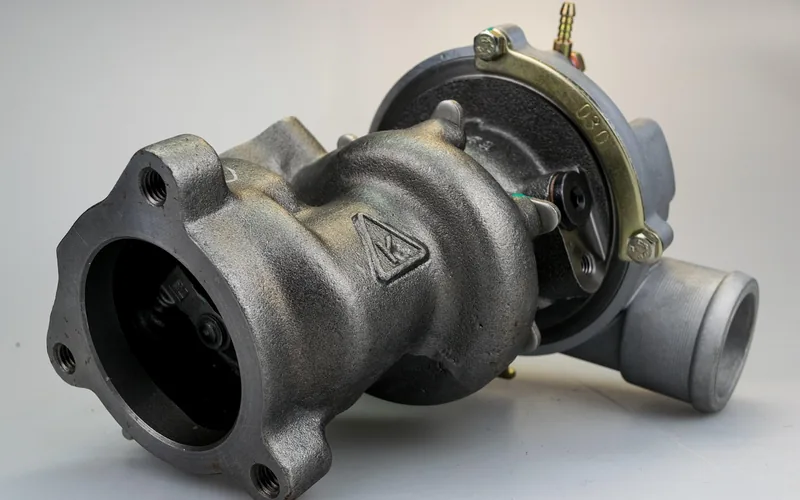
Watch for engine overheating on turbocharged 300-hp engines especially, since the turbo adds extra heat load; keep an eye on the temperature gauge during hard driving or towing. A clean, correctly-rated performance air filter can also help a turbocharged engine breathe and stay cooler under load. Suspension wear and electrical issues (lights, sensors) are worth a quick monthly check too, since they’re the most common complaints on higher-power daily drivers.
Frequently Asked Questions
What cars have 300 horsepower?
Verified 300+ hp cars for 2026 include the Genesis G70 and Lexus IS 350 F Sport (sedans), the base Ford Explorer and Genesis GV80 (SUVs), the Ford Mustang EcoBoost and Toyota GR Corolla (sports cars), and the Tesla Model 3 Long Range (EV). Always confirm the specific trim, since the base version of many models falls short of 300 hp even when a higher trim clears it.
Are there affordable cars with 300 horsepower?
Yes – the Ford Mustang EcoBoost (315 hp) starts around $35,010, making it one of the most affordable ways into 300+ hp new. The Toyota GR Corolla (300 hp) and Kia K5 GT (~290 hp) are other budget-friendly options. Shopping used opens up the discontinued Chevrolet Camaro and Dodge Challenger, both of which regularly hit 300+ hp for less than a comparable new car.
Which SUVs have 300 horsepower?
The base Ford Explorer (2.3L EcoBoost) and Genesis GV80 (2.5T) both make exactly 300 hp. The 2026-redesigned Jeep Grand Cherokee (324 hp turbo-4) and the hybrid Toyota 4Runner i-FORCE MAX (326 hp) both exceed it. The Honda Pilot (285 hp) and non-hybrid Toyota Highlander do not reach 300 hp despite being popular family SUVs.
What sports cars have 300 horsepower?
The Ford Mustang EcoBoost (315 hp), Toyota GR Corolla (300 hp), and Honda Civic Type R (315 hp) are the main current sports cars in this range. The Chevrolet Camaro is no longer sold new (production ended December 2023), so it’s a used-market option only now, not a current showroom pick.
Is 300 horsepower a lot?
300 horsepower is above average and more than enough for confident daily driving, highway passing, and light performance driving. It’s not considered “a lot” among dedicated enthusiasts, since true performance cars now commonly make 400-500+ hp, but for most drivers it’s a genuine sweet spot between everyday usability and real acceleration.
Do all “300” badges, like the BMW 330i or Mercedes C300, actually have 300 horsepower?
No. The BMW 330i makes 255 hp and the Mercedes-Benz C300 makes 255 hp – both well under the 300 hp their badge numbers suggest. Modern badge numbers are marketing conventions, not reliable horsepower specs; always check the manufacturer’s official SAE-certified rating for the exact trim you’re considering.
Has the list of 300-horsepower cars changed much in the last few years?
Yes, significantly. The Chevrolet Camaro, Dodge Challenger, and Nissan Maxima – all common “300 hp” recommendations a few years ago – have been discontinued and are used-market only now. Meanwhile, the Jeep Grand Cherokee gained a new 324-hp turbo-four for 2026, and the Dodge Charger was completely redesigned around a 420-550-hp twin-turbo inline-six, so today’s Charger is no longer a budget 300-hp pick at all.
Finding a genuine 300-hp car in 2026 comes down to checking the specific trim, not the nameplate or the badge number – a “330i” or “C300” can fall well short, while a base Ford Explorer or Genesis G70 hits the mark exactly. Use the SAE-certified figure on the manufacturer’s own spec page, confirm the model is still in production, and test drive before you decide – 300 hp feels different in every body style.
Products related to this article
Sponsored / affiliate links. As an Amazon Associate I earn from qualifying purchases. I may earn additional commission from eligible campaigns.