How Fast Does the F1 Safety Car Go? 202 MPH Top Speed
The F1 safety car typically drives 75-120 mph on track, but its Mercedes-AMG GT Black Series is capable of a 202 mph (325 km/h) top speed. The actual pace on any given lap depends heavily on the circuit layout, weather, and how severe the incident is that triggered its deployment. Here’s how that pace is set, what the two official safety cars can really do, and why the speed matters more than most fans realize.
Quick Answer
The F1 safety car typically runs 75-120 mph on track (up to 160 mph on long straights), while its top-speed capability is 202 mph. Its real job isn’t outright speed — it’s keeping tires and brakes within their working temperature range until the track is clear.
Understanding F1 Safety Car Speed
The F1 Safety Car is a very special vehicle that comes onto the track when there’s an incident, like a crash or debris. Its main job is to slow down the racing cars and keep everyone safe until the track is clear. People often wonder how fast it goes because it has to keep the tires and brakes of the F1 cars warm.
If the Safety Car went too slowly, the race cars would lose their optimal operating temperatures, which could be dangerous when racing resumes. So, it needs to be fast enough, but not too fast. This section explores the typical speeds and factors influencing them.
What Determines the Safety Car’s Pace
The speed of the Safety Car isn’t just set to one number; it changes based on what’s happening on the track and the type of car being used. The primary goal is to maintain a safe pace for the drivers behind it while ensuring their car’s performance isn’t compromised. This involves a careful balance.
- Track conditions: The overall condition of the circuit plays a huge role. If there’s rain, oil, or debris on the track, the Safety Car drives more cautiously and slower to avoid any further incidents. Visibility is also key — in bad weather the car reduces speed further.
- Car model used: Formula 1 has used Mercedes-AMG and (through 2025) Aston Martin as its Safety Cars. These are high-performance vehicles capable of impressive speeds, but even they are driven with restraint while performing Safety Car duties — their job is control, not outright speed.
- Driver’s discretion: The Safety Car driver is a highly experienced professional in constant communication with Race Control. Pace decisions factor in the severity of the incident, marshal locations, and track conditions.
How Fast the Safety Car Actually Runs
The Safety Car needs to be fast enough to keep the F1 cars’ tires and brakes in their optimal operating window. If tires get too cold, grip levels drop significantly, making the field unstable and dangerous when the race restarts.
| Track type | Typical safety car speed |
|---|---|
| Tight street circuits (e.g. Monaco) | 50-90 mph |
| Standard permanent circuits | 75-120 mph |
| Long straights on fast circuits | Up to 160 mph |
| Mercedes-AMG GT Black Series top speed (not used on track) | 202 mph |
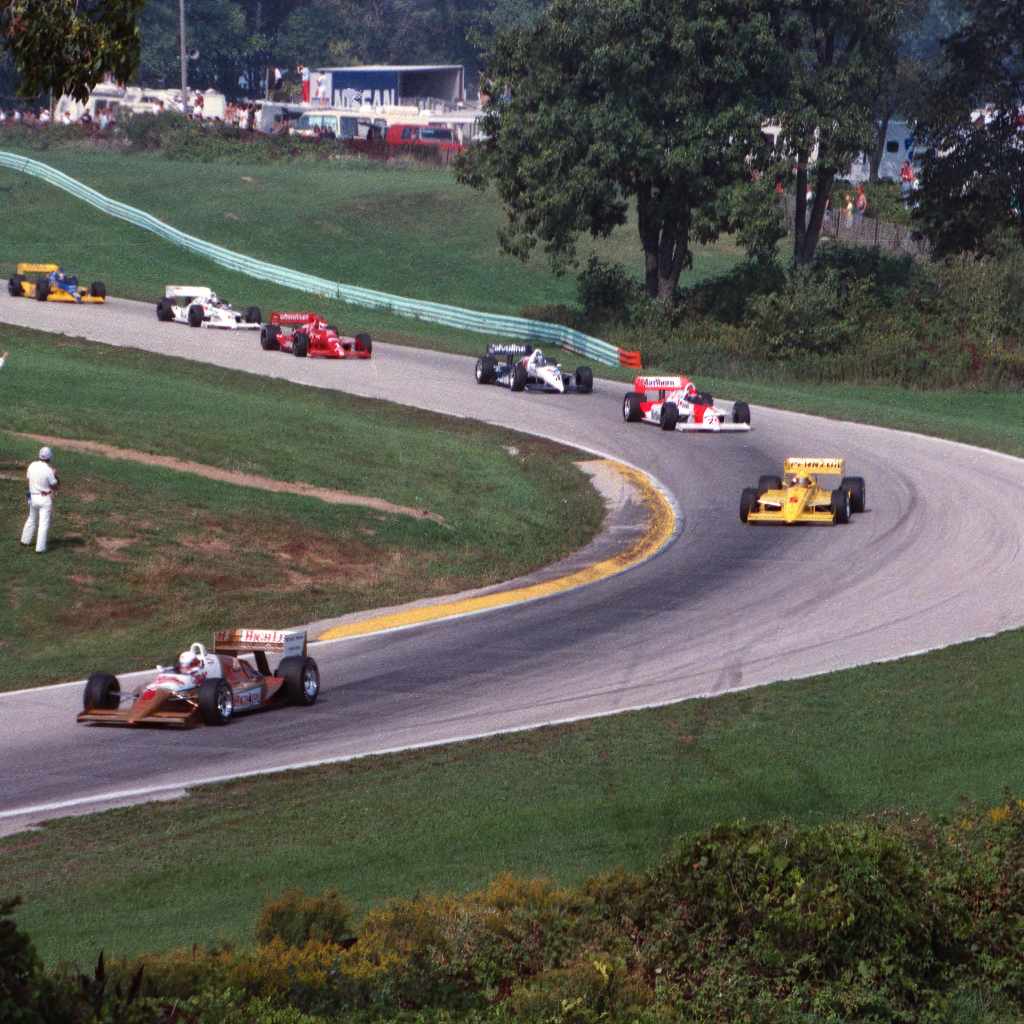
In general, the Safety Car circulates at roughly 40-60% of normal racing speed — brisk enough to maintain tire and brake temperature, but well below the pace of a racing F1 car. On a fast circuit like Monza, an F1 car might hit 220 mph on the main straight; the Safety Car covering the same stretch might be doing closer to 130-140 mph.
The Aston Martin and Mercedes-AMG Safety Cars
Formula 1 has used two manufacturers for its official Safety Cars: Mercedes-AMG and Aston Martin. Starting with the 2026 season, Mercedes becomes F1’s sole Safety Car supplier, with Aston Martin stepping back from the role. Both brands’ cars are specifically equipped and prepared for the demands of a Grand Prix circuit.
- Mercedes-AMG GT Black Series: The current F1 Safety Car (in use since 2022), built around a 4.0-liter twin-turbo V8 producing roughly 720-730 horsepower and about 800 Nm of torque. It covers 0-62 mph in around 3.2 seconds and has a top speed of 202 mph (325 km/h) — though it is never driven anywhere near that limit on Safety Car duty.
- Aston Martin Vantage: Used alongside the Mercedes through the 2025 season, producing around 528 horsepower. It’s equipped with enhanced braking systems and specialized tires for its role, though it steps back from Safety Car duty from 2026.
Safety Car Speed in Real Race Scenarios
Looking at real-world examples helps explain why the Safety Car’s speed isn’t a fixed number — it’s about control, communication, and strategic pace-setting for the specific circuit and situation.
- Monaco: On the tight, narrow streets of Monaco, the Safety Car is naturally far more limited by the circuit layout itself — sharp corners and barriers close to the track mean speeds can drop to 50-90 mph in places, regardless of what triggered the deployment. Maintaining extreme pace on a street circuit like this would be dangerous.
- Bahrain International Circuit: A circuit with long straights and wide corners lets the Safety Car maintain a much higher pace, often approaching 130 mph on the straights, which helps keep tire temperatures closer to their working range.
- Restart risk: When the green flag waves after a Safety Car period, drivers accelerate hard almost immediately. If the Safety Car had circulated too slowly, cold tires and underheated brakes at the restart raise the risk of an incident right away — this is the core reason the Safety Car’s pace matters as much as it does.
The Role of the Safety Car Driver
The person behind the wheel of the F1 Safety Car is a highly skilled former racing driver. Bernd Mayländer has been the official F1 Safety Car driver since 2000, and his motorsport background lets him judge available grip, realistic following speeds, and the best lines on any circuit almost instantly.
- Communication with Race Control: The Safety Car driver is in constant contact with Race Control, relaying and receiving information about track conditions, incident severity, and marshal locations before adjusting pace or line.
- Setting the pace: The driver balances keeping the F1 cars warm against letting them bunch up too closely. If cars are struggling to keep up on a tricky section, the driver may ease off slightly; if the field is bunching dangerously close, they may push a touch harder.
Why the Safety Car’s Speed Matters for Race Strategy
Formula 1 cars rely on their tires and brakes being within specific temperature windows to function safely. If tires get too cold, grip drops sharply and handling becomes unpredictable; if brakes overheat, their performance degrades. This is why drivers are often seen weaving their cars side-to-side (known as “snaking”) behind the Safety Car’s pace — it’s an attempt to generate extra heat when the pace alone isn’t quite enough.
The length and pace of a Safety Car period can also shape race strategy. A quick, fast-circulating Safety Car period may not give teams enough time to pit; a longer, slower one can let teams make a “cheap” pit stop since the whole field is slowed down together. At the 2019 British Grand Prix, a Safety Car period (triggered by Antonio Giovinazzi’s spin) let Lewis Hamilton pit for fresh tires without losing the race lead, and he went on to set the race’s fastest lap on much older tires than a normal fastest lap would use.
Frequently Asked Questions
Can the F1 Safety Car go as fast as a normal F1 car?
No. The F1 Safety Car is deliberately driven slower than a Formula 1 race car. Its job is to manage pace and safety, not to race, and even at its 202 mph top-speed capability it can’t match an F1 car’s cornering speed or outright pace.
What is the top speed of an F1 Safety Car?
The current Mercedes-AMG GT Black Series Safety Car has a top speed of 202 mph (325 km/h). On track during a race, though, its speed is controlled and typically kept between 75-120 mph, occasionally reaching up to 160 mph on long straights.
Why does the Safety Car go as fast as it does?
The Safety Car maintains enough pace to keep Formula 1 cars’ tires and brakes within their optimal operating temperatures. If they cool down too much, the cars lose grip, making them unstable and dangerous when racing resumes.
Who drives the F1 Safety Car?
The F1 Safety Car is driven by Bernd Mayländer, a professional driver who has held the role since 2000. His extensive motorsport background lets him manage pace safely across every circuit on the calendar.
Does the Safety Car’s speed change during a race?
Yes. Its speed is adjusted continuously based on track conditions (rain, debris), the severity of the incident, and communication with Race Control. The goal is always the same: keep the field safe while holding tire and brake temperatures in a workable range for the restart.
Final Thoughts
The Formula 1 Safety Car’s speed is a carefully calculated pace rather than a fixed number — it changes with circuit layout, weather, and the driver’s read of the situation, but it always aims to keep the F1 field’s tires and brakes ready for an immediate, safe restart. Bernd Mayländer and the Mercedes-AMG GT Black Series (soon to be F1’s sole Safety Car) handle that balancing act dozens of times a season, using real performance headroom (up to 202 mph) that’s rarely needed on track.
Products related to this article
Sponsored / affiliate links. As an Amazon Associate I earn from qualifying purchases. I may earn additional commission from eligible campaigns.