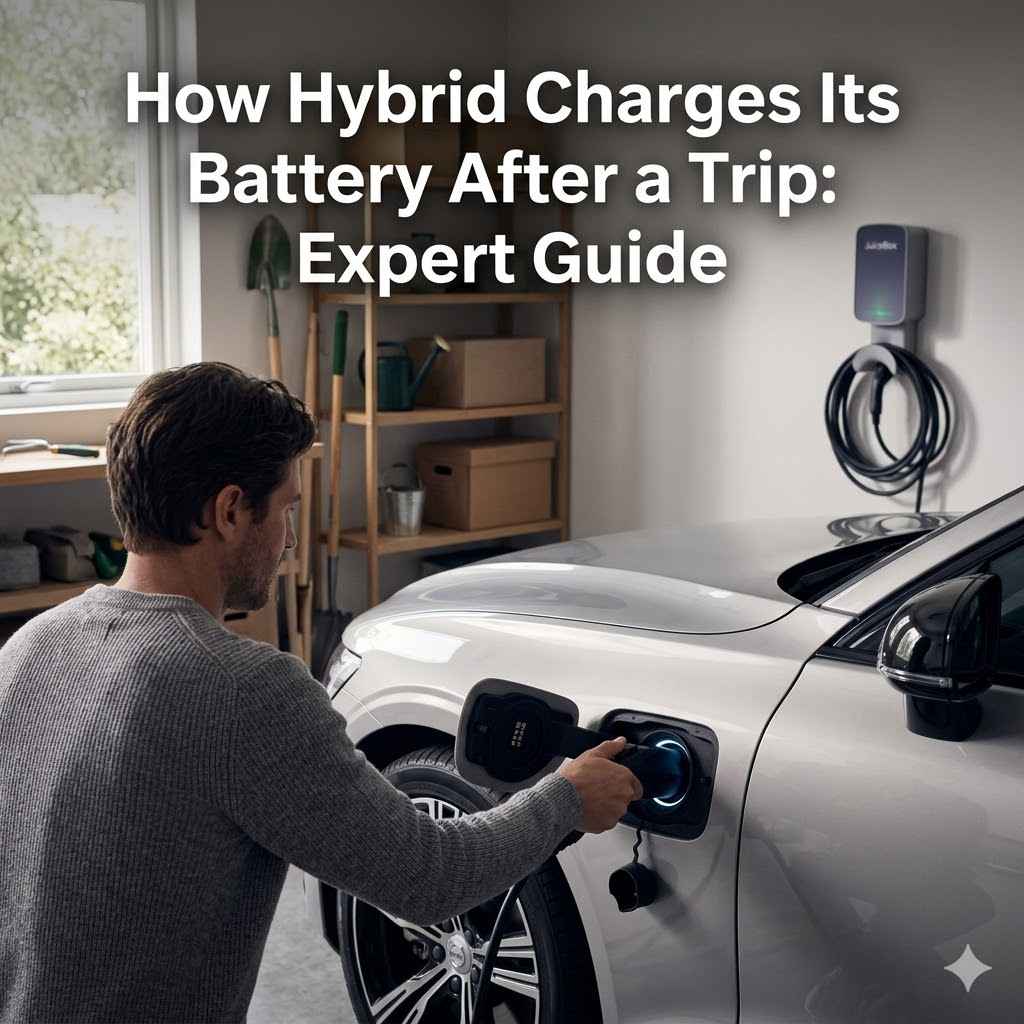
How Hybrid Charges Its Battery After a Trip: Expert Guide
It’s normal to wonder about your car after a trip, especially with hybrid technology. You might ask, “How Hybrid Charges Its Battery After a Trip: Expert Guide?” Many new hybrid owners find this a bit confusing. Don’t worry, it’s not as tricky as it sounds!
We’ll break down exactly how your hybrid keeps its battery ready for action, step by step. Get ready for a simple explanation that will make your hybrid’s charging clear.
This section explains the main ways a hybrid vehicle’s battery gets power. It covers the core concepts that make hybrids efficient. You’ll learn about regenerative braking and the gasoline engine’s role.
We’ll also touch on how these systems work together to keep you moving smoothly.
Understanding Regenerative Braking
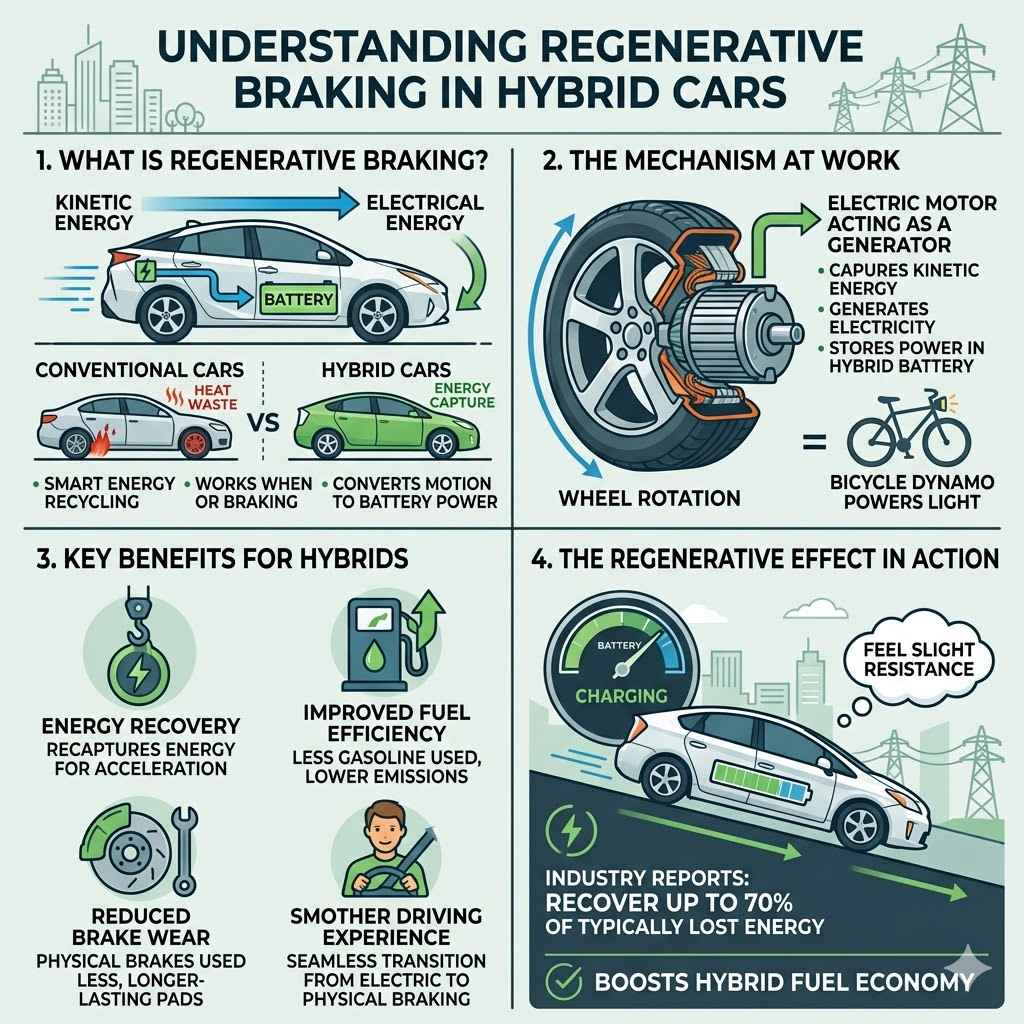
Regenerative braking is a smart system in hybrid cars. When you slow down or brake, instead of just wasting energy as heat, your car uses that motion to recharge the battery. Think of it like a bicycle dynamo that powers a light when you pedal.
The electric motor in your hybrid acts as a generator when you’re not accelerating. It converts the kinetic energy of the moving car back into electrical energy. This energy is then stored in the hybrid battery.
This process is key to why hybrids are fuel-efficient. A significant amount of energy that would normally be lost as heat during braking is captured. This recovered energy can then be used by the electric motor to help accelerate the car.
This reduces the need for the gasoline engine to work as hard, saving fuel and lowering emissions.
- Energy Recovery: Regenerative braking allows the hybrid to recapture energy that would otherwise be lost. This energy is then stored in the battery.
- Reduced Brake Wear: By using the electric motor to slow the car, the physical brakes are used less. This can lead to longer-lasting brake pads.
- Smoother Driving Experience: The transition between regenerative braking and traditional braking is often seamless. This makes for a more comfortable ride.
Imagine driving downhill. Normally, you’d use your brakes to control your speed. In a hybrid, as you ease off the accelerator or gently apply the brakes, the car automatically starts to slow itself down using the electric motor.
You feel a slight resistance, and the battery gauge might show it’s charging. This is regenerative braking at work.
According to industry reports, regenerative braking can recover up to 70% of the energy typically lost during braking in conventional vehicles. This directly contributes to the improved fuel economy of hybrid cars.
The Role of the Gasoline Engine
The gasoline engine in a hybrid does more than just power the wheels directly. It also serves as a generator to charge the battery when needed. This is particularly important for maintaining battery charge, especially on longer drives or when the battery level is low.
The car’s computer decides when the gasoline engine should run and at what speed. It aims to operate the engine at its most efficient point. Sometimes, the engine will run briefly to charge the battery, even if you aren’t accelerating.
This ensures there’s always enough power for the electric motor to assist or even drive the car independently.
- Battery Top-Up: The engine can directly power the generator to add charge to the battery. This happens when the battery needs more power.
- Optimized Efficiency: The car manages the engine to run when it’s most fuel-efficient, even if that means charging the battery.
- Powering the Car: In some situations, the engine directly powers the wheels while also generating electricity.
Consider a scenario where you’ve been driving mostly in city traffic, using regenerative braking frequently. The battery might become quite full. In this case, the gasoline engine might shut off completely to save fuel.
Later, on a highway drive where regenerative braking is less frequent, the engine might run for a while to ensure the battery stays charged for later use.
Data shows that hybrid vehicles can achieve up to a 30% improvement in fuel efficiency compared to similar gasoline-only cars, with a significant portion of this gain coming from the efficient use of the gasoline engine for charging.
How Hybrid Charges Its Battery After a Trip Expert Guide
After you’ve completed a trip, your hybrid car’s battery will likely be in a good state of charge due to the systems we’ve discussed. The “How Hybrid Charges Its Battery After a Trip: Expert Guide” is about understanding that the car actively manages its battery. It uses regenerative braking during deceleration and the gasoline engine as a generator to maintain optimal levels.
There isn’t a single action you need to take to “charge” the battery after a trip. The car does it automatically. The key is that these charging methods are integrated into your normal driving.
They work continuously to keep the battery ready for its next task. This intelligent management means you don’t have to plug in or worry about a dead battery.
- Automatic Management: The car’s system handles all charging of the hybrid battery. You do not need to plug it in.
- Continuous Charging: Charging occurs whenever you slow down or when the engine runs to generate power.
- Ready for Use: The battery is automatically kept at a sufficient charge level for its intended functions.
Think of your hybrid like a self-sufficient energy system. After a trip, the battery is just part of this ongoing cycle. Whether you parked on a slight incline or just finished a long drive, the car has likely optimized its battery charge.
The technology is designed to be seamless for the driver.
Understanding Hybrid Battery Systems
This section delves deeper into the components and technology that make up a hybrid car’s battery system. We will explore the types of batteries used and how they are managed for optimal performance and longevity. Understanding these elements helps demystify the sophisticated engineering behind hybrid vehicles.
Types of Hybrid Batteries
Hybrid vehicles typically use one of two main types of rechargeable batteries: Nickel-Metal Hydride (NiMH) or Lithium-ion (Li-ion). Both have their advantages, and manufacturers choose them based on factors like cost, energy density, and performance requirements.
Nickel-Metal Hydride batteries have been a staple in hybrids for a long time. They are known for their reliability, robustness, and good performance in a wide range of temperatures. While they are heavier and have a lower energy density compared to Lithium-ion, they are often more cost-effective and less prone to degradation over time.
Lithium-ion batteries are newer to the hybrid scene and are rapidly becoming the standard. They offer higher energy density, meaning they can store more energy in a smaller and lighter package. This leads to better fuel efficiency and electric-only driving range.
Li-ion batteries also charge and discharge more quickly, providing better performance. However, they can be more expensive and may require more complex thermal management systems to operate effectively.
- Nickel-Metal Hydride (NiMH): Older, reliable, and cost-effective. Good in various temperatures but heavier.
- Lithium-ion (Li-ion): Lighter, more energy-dense, faster charging. Offers better performance and efficiency but can be more costly.
- Battery Size: The capacity of the battery pack varies between hybrid models. Larger batteries often support longer electric-only driving.
A common hybrid model might have a NiMH battery pack of around 1.5 to 2.0 kilowatt-hours (kWh). In contrast, newer plug-in hybrids (PHEVs) often use Li-ion batteries that can range from 8 kWh to over 20 kWh, allowing for substantial electric-only travel.
Statistics show that over 90% of hybrid vehicles sold in recent years utilize either NiMH or Li-ion battery technology. The trend is increasingly towards Li-ion due to its performance benefits.
Battery Management System (BMS)
The Battery Management System (BMS) is the brain of the hybrid battery. It’s a sophisticated electronic system that monitors and controls the battery’s performance. Its primary job is to ensure the battery operates safely and efficiently, maximizing its lifespan and the vehicle’s overall performance.
The BMS constantly tracks key parameters like the voltage of individual battery cells, the overall pack voltage, temperature, and the state of charge (SoC). It uses this data to make real-time adjustments. For example, if one cell is charging faster than others, the BMS can reduce the charging rate for that cell to prevent overcharging.
Similarly, if the battery gets too hot, the BMS will signal the cooling system to engage.
This careful monitoring and control are vital. Hybrid batteries are made up of many individual cells. Keeping these cells balanced and within safe operating limits is crucial for preventing damage, ensuring consistent power delivery, and prolonging the battery’s useful life.
Without a capable BMS, hybrid batteries would be prone to premature failure.
- Cell Monitoring: The BMS watches the voltage and temperature of each individual battery cell. This ensures no cell is overworked or undercharged.
- State of Charge (SoC) Calculation: It accurately estimates how much energy is left in the battery, which is critical for the car’s computer to manage power.
- Thermal Management Control: The BMS is responsible for activating cooling or heating systems to keep the battery at its optimal operating temperature.
- Safety Protection: It prevents overcharging, over-discharging, and operating in extreme temperatures, which could damage the battery or cause safety hazards.
Consider a hybrid car parked in very hot weather. The BMS will detect the rising temperature. It will then activate the battery’s cooling fan or liquid cooling system to prevent the battery from overheating.
If the temperature gets too high, the BMS might even limit the car’s power output to protect the battery.
Research indicates that a well-designed BMS can extend the life of a hybrid battery pack by as much as 30% by preventing common modes of degradation.
How Hybrid Charges Its Battery After a Trip with BMS
Understanding the BMS further clarifies How Hybrid Charges Its Battery After a Trip: Expert Guide. The BMS is the silent guardian that ensures charging is always optimal. Even after your trip ends, the BMS continues to monitor the battery.
If the car is parked on a slight incline, the BMS might allow a tiny amount of passive charging if the battery is not already at its maximum. More importantly, if you start the car soon after parking and drive gently, the BMS will manage the regenerative braking to efficiently recharge the battery. It ensures that any energy captured is stored safely and effectively, making your hybrid ready for its next use without any effort from you.
- Post-Trip Monitoring: The BMS keeps an eye on the battery even when the car is off or just starting up again.
- Optimized Recharging: It ensures that any regenerative braking after the trip happens efficiently.
- Balanced Charging: The BMS guarantees that all cells are charged evenly, preventing strain on individual components.
Picture this: You finish a long road trip and park your hybrid. You don’t plug it in. The next morning, you drive to the grocery store.
As you brake to a stop, the BMS detects that the battery can accept a charge. It guides the regenerative braking system to convert your braking energy into electricity. This is a smooth, automatic process managed by the BMS to keep your battery healthy.
Driving and Charging Behavior
This section explores how your driving habits influence how your hybrid car’s battery charges and discharges. We’ll look at different driving scenarios and how the hybrid system adapts to keep the battery at an optimal level, both during and after your drives.
Driving Scenarios and Battery Charge
Different driving situations affect the hybrid battery’s charge level. City driving with frequent stops and starts is ideal for regenerative braking. This allows the battery to be replenished often.
Highway driving, on the other hand, involves less braking, so the battery charge might decrease slightly if the electric motor is used frequently for acceleration.
When you drive, the hybrid system is constantly balancing the power from the gasoline engine and the electric motor, as well as managing the battery charge. If the battery gets low during highway driving, the gasoline engine will run slightly more to generate electricity and recharge it. This ensures that you always have electric power available when needed, such as for a quick acceleration.
The car’s computer is programmed to keep the battery within a specific optimal operating range. It rarely lets the battery get completely full or completely empty. This strategy is designed to maximize efficiency and prolong battery life.
So, even if you don’t see the battery icon at 100%, it’s likely in a prime state for operation.
- City Driving: Frequent braking allows for significant energy recovery through regenerative braking, helping to keep the battery charged.
- Highway Driving: Less braking means less regenerative charging. The gasoline engine may run more to maintain battery charge.
- Traffic Conditions: Stop-and-go traffic is excellent for recharging the battery, making city commutes beneficial for hybrid battery health.
Imagine you’ve just completed a 2-hour drive mainly on the highway. You might notice that the battery indicator shows it’s a bit lower than usual. This is normal because you haven’t had many opportunities to use regenerative braking.
However, as soon as you start driving in a town or encounter traffic, the battery will begin to recharge itself as you slow down.
Data indicates that hybrids can achieve up to 40% better fuel economy in city driving compared to highway driving, largely due to the effectiveness of regenerative braking in urban environments.
Impact of Trip Length
The length of your trip has a direct impact on how your hybrid’s battery is managed and charged. Shorter trips often involve more frequent braking and acceleration, which can lead to more regenerative charging. Longer trips, especially those predominantly on highways, may involve less direct charging from braking.
For shorter trips, the battery might start fully charged, use electric power, and then be recharged via regenerative braking as you make stops. The gasoline engine might not even need to run much. On longer trips, the battery level will fluctuate more.
The gasoline engine will likely engage periodically to maintain a healthy charge level, ensuring the electric motor is available for assistance when needed.
It’s a continuous cycle. The car actively decides when to use battery power, when to charge the battery using braking, and when to use the gasoline engine to either power the wheels or generate electricity. This sophisticated interplay means your hybrid is always trying to optimize its energy usage and battery status.
- Short Trips: Often result in a well-charged battery due to frequent regenerative braking opportunities.
- Long Highway Trips: May see a gradual decrease in battery charge if electric assist is used heavily without much braking.
- Mixed Driving: A combination of highway and city driving generally keeps the battery within its optimal range due to varying charging and discharging cycles.
Consider two scenarios. Scenario 1: You drive 10 miles to the store, making several stops and slowing down many times. Your hybrid battery will likely end up very close to where it started, perhaps even slightly more charged.
Scenario 2: You drive 100 miles on the highway at a steady speed. The battery level might drop a few bars as the engine works to maintain speed, but it will still be operational.
How Hybrid Charges Its Battery After a Trip Expert Guide
When we talk about How Hybrid Charges Its Battery After a Trip: Expert Guide, we are emphasizing that there’s no single “charging event” after a trip. Instead, the car continuously manages its battery. Whether your trip was short or long, the hybrid’s systems work to keep the battery in a state ready for your next drive.
If you’ve been driving in stop-and-go traffic, your battery is likely to be well-charged from regenerative braking. If you just finished a long highway drive, the gasoline engine would have been used to maintain a sufficient charge. The key takeaway is that the vehicle is designed to self-manage its battery state, so you don’t need to worry about actively charging it after parking.
- Self-Sufficient System: Your hybrid doesn’t need external charging after a trip, unlike a fully electric vehicle.
- Automatic Energy Management: The car intelligently uses regenerative braking and the engine to maintain battery health.
- Ready for Next Drive: The battery is always managed to be ready for your next journey, whether it’s a short errand or a longer excursion.
The technology aims to be seamless. After you park your hybrid, the battery simply rests. The next time you drive, it will use the energy stored and then begin recharging as you slow down or as the engine dictates.
It’s a continuous, intelligent cycle.
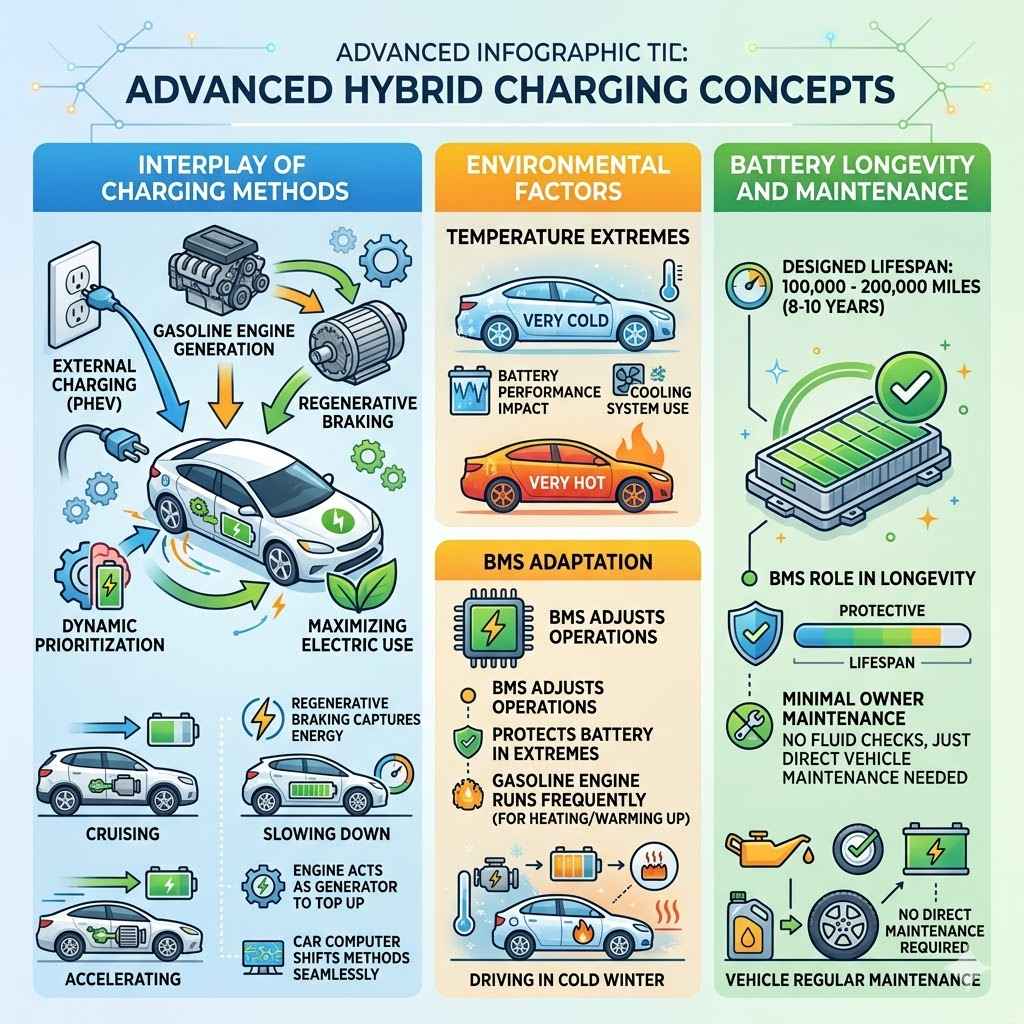
Advanced Hybrid Charging Concepts
This section explores some more nuanced aspects of hybrid charging, including the interplay between different charging methods and how environmental factors can play a role. We will also touch upon the longevity and maintenance of hybrid batteries.
Interplay of Charging Methods
The magic of a hybrid lies in how its different charging methods work together. Regenerative braking is fantastic for capturing energy during deceleration. The gasoline engine acts as a generator to top up the battery when it’s low or when the car is running efficiently.
A Plug-in Hybrid Electric Vehicle (PHEV) adds a third method: external charging via a power outlet.
For a standard hybrid, these two methods, regenerative braking and engine generation, are seamlessly integrated. The car’s computer prioritizes efficiency. For example, if the battery is at a good charge level and you’re cruising on the highway, the engine might run at a steady speed primarily to propel the car.
If you then need to slow down, the system will immediately switch to regenerative braking to capture energy.
The system constantly calculates the most efficient way to maintain the battery’s charge. This dynamic interplay ensures that the battery is always ready to provide electric power when needed and that fuel is used as economically as possible. The goal is to leverage electric power as much as feasible.
- Synergy of Systems: Regenerative braking and engine-generated power work in tandem for optimal battery management.
- Dynamic Prioritization: The car’s computer shifts between charging methods based on driving conditions and battery status.
- Maximizing Electric Use: The aim is always to use stored battery energy for efficiency and reduced emissions whenever possible.
Imagine you’re driving a standard hybrid. You brake to avoid a red light. The dashboard shows the battery icon increasing.
A minute later, you accelerate onto an open road. The gasoline engine kicks in, and you see the battery icon remain steady or drop slightly. This is the interplay in action.
Environmental Factors
Environmental factors can subtly influence hybrid battery performance and charging. Extreme temperatures, both hot and cold, can affect battery efficiency. Very cold weather might reduce the battery’s ability to hold a charge and its overall output.
Very hot weather can necessitate the use of the cooling system, which consumes some energy.
However, hybrid vehicles are designed with sophisticated battery management systems (BMS) that mitigate these effects. The BMS works to keep the battery within its optimal temperature range. For instance, in extreme cold, the gasoline engine might run more frequently, not only for heating the cabin but also to help warm up the battery for better performance.
In extreme heat, the cooling system will work to prevent overheating.
While these factors are present, the impact on how a hybrid charges its battery after a trip is generally managed well by the car’s internal systems. The primary charging methods remain consistent. The environmental conditions are factors the car’s computer takes into account.
- Temperature Extremes: Very hot or cold weather can slightly impact battery performance and charging efficiency.
- BMS Adaptation: The Battery Management System adjusts operations to counter extreme temperatures and protect the battery.
- Cabin Climate Control: Heating and air conditioning systems use energy, which can indirectly influence how much energy is available for battery charging or use.
Consider driving your hybrid in a very cold winter day. You might notice the gasoline engine runs more than usual, even when you’re not accelerating hard. This is partly to warm the cabin, but it also helps bring the battery pack up to a more efficient operating temperature, allowing it to accept charge better.
Globally, hybrid vehicle adoption continues to grow, with manufacturers refining battery technology to perform better across a wider range of climates.
Battery Longevity and Maintenance
Hybrid batteries are designed to last for many years and miles. They are typically rated for 100,000 to 200,000 miles, or 8 to 10 years of use, depending on the vehicle manufacturer. The advanced management systems play a huge role in this longevity.
The BMS prevents the battery from being excessively discharged or overcharged. It also helps manage temperature, which is a major factor in battery degradation. By keeping the battery within its ideal operating parameters, the BMS significantly slows down the natural aging process of the battery cells.
For the average owner, there is very little “maintenance” required for the hybrid battery itself. No routine fluid changes or checks are needed. The car’s onboard diagnostics will alert you if there is ever an issue with the battery system.
Regular maintenance of the vehicle, such as oil changes for the gasoline engine and checking tires, is important, but direct battery maintenance is usually not necessary.
- Designed Lifespan: Hybrid batteries are built to last for a significant portion of the vehicle’s life.
- BMS Role in Longevity: The management system is key to preventing premature wear and tear.
- Minimal Owner Maintenance: Unlike traditional car batteries, hybrid batteries require little to no direct maintenance from the owner.
A study of hybrid vehicles over 10 years found that fewer than 5% of owners needed to
Frequently Asked Questions
Question: Does my hybrid need to be plugged in to charge its battery after a trip?
Answer: No, standard hybrid vehicles do not need to be plugged in. They recharge their batteries automatically through regenerative braking and the gasoline engine.
Question: How do I know if my hybrid battery is charging?
Answer: Most hybrids have a display that shows energy flow. You’ll often see an icon indicating battery charging when you brake or decelerate.
Question: Can I drive my hybrid on battery power alone after a trip?
Answer: Yes, for short distances at low speeds, many hybrids can run solely on electric power. This is a key benefit of the technology.
Question: Will my hybrid battery die if I don’t drive it for a long time?
Answer: Hybrid batteries have a self-discharge rate, but modern systems manage this. While very long periods of inactivity might reduce charge, it’s unlikely to damage the battery.
Question: Is it expensive to replace a hybrid battery?
Answer: Hybrid battery replacement can be costly, but prices are decreasing as technology improves and warranties are often long, covering many years or miles.
Summary
Understanding How Hybrid Charges Its Battery After a Trip: Expert Guide means recognizing its automatic, integrated systems. Regenerative braking and the gasoline engine continuously manage battery charge. You don’t need to plug it in.
Your hybrid is designed to keep its battery ready for every drive. Enjoy the efficiency and convenience!