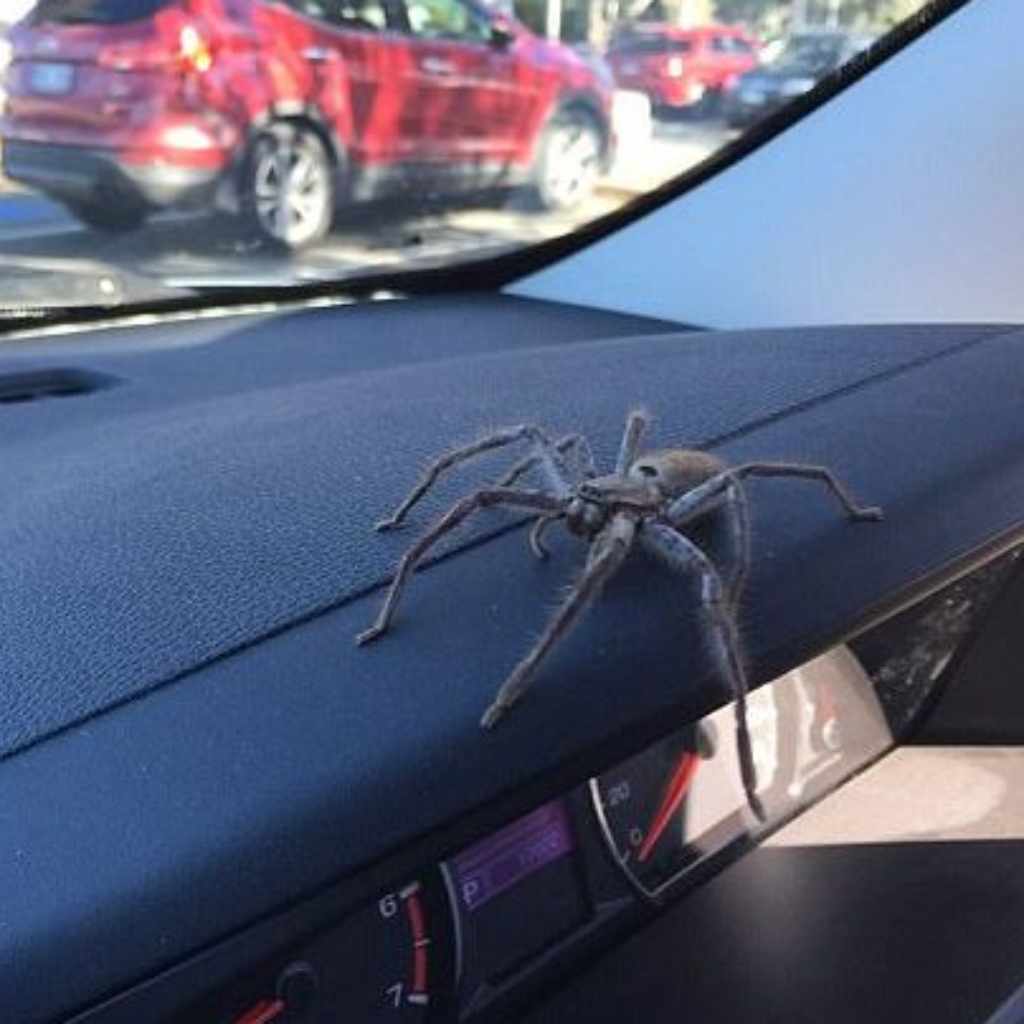
How Long Can a Spider Survive in a Vehicle?
If you’re wondering, How Long Can a Spider Live in a Car?, you’re not alone! It’s a common question, especially for those who find these eight-legged creatures a bit unsettling. Figuring out how long a spider can survive in a car can seem tricky, but it’s really not. We’ll explore this topic in a simple, step-by-step way, explaining everything clearly. Get ready to learn about the factors at play without any complicated jargon.
Spider Survival in Automobiles: Basics
The duration a spider can persist within a vehicle relies on a mix of several factors. Things like food availability, water access, and the overall climate inside the car all play significant roles. For a spider, a car can present a harsh setting, with rapid temperature changes, limited resources, and potential dangers. To truly answer the question of “How long can a spider live in a car?”, it’s important to evaluate these conditions. It’s a bit like imagining a tiny house for the spider, and what it has to eat and drink. Let’s explore how these environmental conditions affect their survival.
Food and Water for Spiders
Food and water are super important for any living thing, including spiders. A car is not a buffet, so if the spider has nothing to eat or drink, its survival time drastically reduces. Spiders are carnivores, meaning they eat other insects. If there are no insects inside the car, the spider will starve. Finding water in a car can also be a challenge. Condensation on windows or leaky seals might provide some, but this is usually not enough for long-term survival. The lack of these essential resources makes a car a tough place for a spider to hang out for long.
- Insect Availability: Spiders need to find food inside the car, which means finding insects. If insects are scarce, the spider will have a harder time surviving. This depends on where the car is parked and if insects can even get inside.
- Water Sources: Spiders need water to stay alive. The interior of a car is often very dry. They might get some moisture from condensation, but that’s not always reliable. This affects how long the spider can last in the car.
- Metabolic Rate: A spider’s metabolism affects how quickly it needs food and water. Spiders that move a lot will need more energy and could eat more than a sedentary spider.
Think about a real-life situation. Imagine a car left in a garage where very few insects can enter. This car would not be a good spot for a spider, and its lifespan would probably be short. Now, picture a car parked near a field with lots of bugs. This car might have more insects, giving the spider a better chance to survive a bit longer.
Temperature and Climate’s Effect
The weather inside a car is very important. Spiders are sensitive to the heat and cold, much like us. A car parked in the sun can become very hot, very quickly. Extreme temperatures can speed up the spider’s metabolism, causing it to use its energy and resources fast. Conversely, cold temperatures can slow the spider’s bodily functions and make it sluggish. Both hot and cold can be dangerous, shortening the spider’s lifespan. The climate inside the car directly impacts how long a spider will last. For example, a car stored in a climate-controlled garage gives the spider a better chance compared to a car left outside during a heatwave.
- Heat: High temperatures can dehydrate a spider and speed up its metabolism.
- Cold: Extremely cold temperatures can slow down a spider’s bodily functions, and potentially kill the spider.
- Humidity: Humidity, or moisture in the air, can affect a spider’s water intake. High humidity can help, while very dry air can dehydrate it.
To help you see the impact of climate, imagine two cars. One car is left in the scorching sun, becoming extremely hot. The other is kept in a cool, shaded spot. The spider in the hot car is likely to die much quicker due to the heat. However, the spider in the shaded car has a better chance of lasting longer.
Predators and Hazards
A car may seem like a safe space, but there are some dangers to spiders. Other spiders, or even larger insects, could hunt them. People can also crush them by accident. Regular car maintenance, such as cleaning, can also mean danger for the spider. Car interiors have various hazards, too. For instance, chemicals used in cleaning could be harmful. All these potential threats affect how long the spider can stay alive in the vehicle. Even the type of car can make a difference. A well-maintained car has fewer hiding spots for bugs, which means less food for the spider.
- Predators: Other spiders or insects can hunt and eat the spider.
- Human Activity: Humans using the car can accidentally crush the spider or disrupt its habitat.
- Chemicals: Cleaning products can be toxic and harmful to spiders.
Here’s a comparison: consider two cars. One car is regularly cleaned and maintained, removing any potential food sources and the spider might be crushed during a car wash. The other car is left dirty and untouched. The first car has more threats than the second, where a spider might be able to survive a little longer.
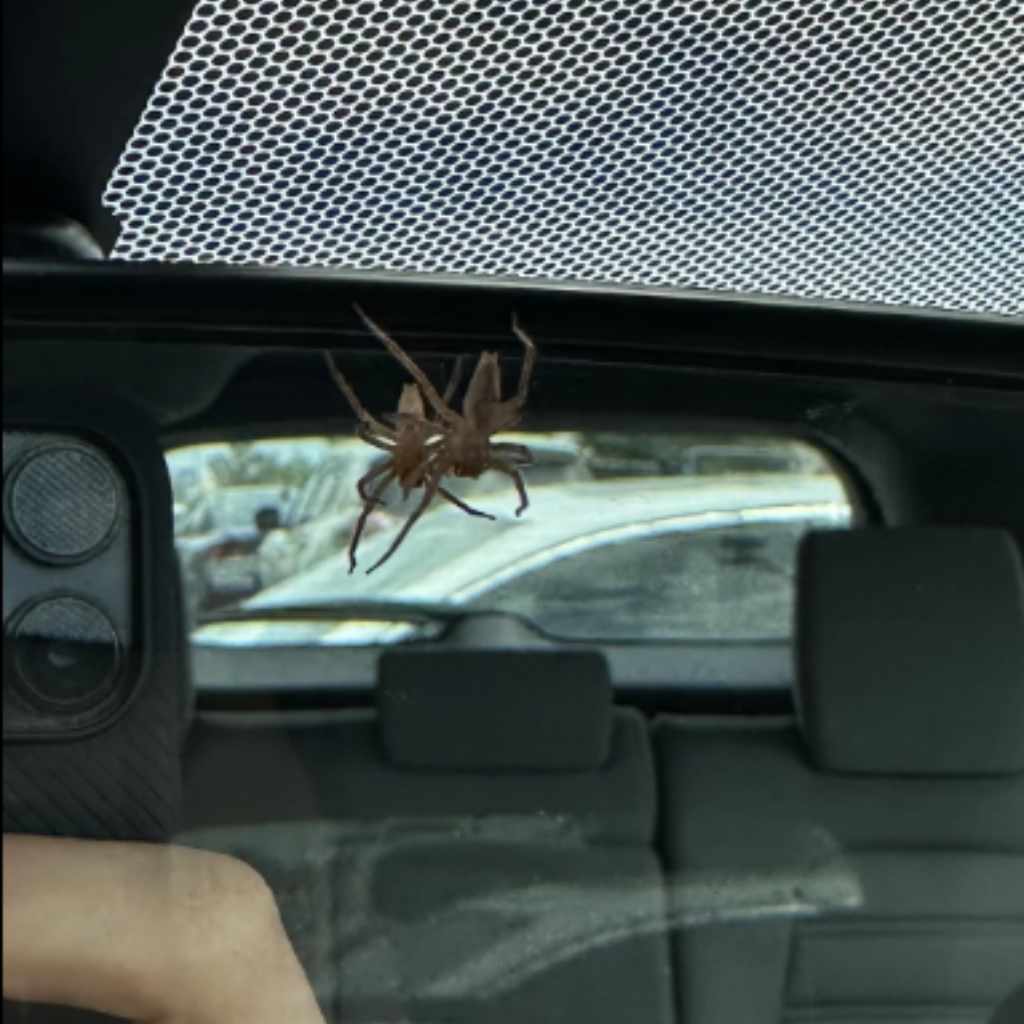
Factors Influencing How Long a Spider Can Live in a Vehicle
Several things contribute to how long a spider can live in a car. From what it eats to the type of car, everything is key. Let’s explore these influences in more detail, answering the question of, “How long can a spider live in a car?”
Species and Type of Spider
Different spiders have different needs. Some species need more food and water than others. For instance, bigger spiders might need more food, meaning they won’t last as long in a car. Also, a spider’s physical build can influence its ability to survive. Some spiders are better at conserving water than others, helping them cope in dry environments. So, the type of spider that found its way into your car makes a big impact on its survival. Consider a small, fragile spider versus a larger, more resilient one; their survival times would likely be different.
- Size: Larger spiders typically need more food than smaller ones.
- Metabolism: A spider with a faster metabolism uses energy quicker.
- Adaptations: Some spiders have special ways to preserve water, which gives them a better chance.
Let’s consider two different spider species. A small spider that needs little food, compared to a big, fast-moving species. The small spider could potentially last longer in a car because it needs fewer resources. The big spider, needing more food and water, might run out of energy faster.
Car Type and Condition
Believe it or not, the kind of car matters. Newer cars are typically built more tightly than older ones, making it harder for insects to enter. A car in good condition, with sealed windows and doors, can provide fewer opportunities for spiders to hunt. On the other hand, a car that’s older and not well-maintained might have more cracks and crevices where insects can enter and spiders can hide. The location of the car makes a difference, too. A car parked near a garden would likely have more insects than a car parked in a paved parking lot. The car’s condition, the presence of food, and the spider’s access to shelter are key in determining how long a spider could survive in it. This ties back to what we’ve previously touched on, showing the link between the vehicle’s setup and its effect on spider survival.
- Seals and Cracks: Older cars with gaps might let more insects in, providing food for spiders.
- Location: Where the car is parked impacts the insect population.
- Maintenance: A clean car usually has fewer food sources.
Picture two different scenarios. One car, an older model with some broken seals, is parked near a bush. The other car, a new model with all the seals intact, is in a parking garage. The older car is likely to attract more insects, providing food for the spider, while the new car is less likely to support any insect life.
External Environmental Influences
The car’s surroundings impact its ability to sustain a spider. If the car is outside, the weather directly affects the temperature and humidity inside. Cars parked in areas with many insects could provide more food for a spider. The surrounding plants, like bushes or grass, could influence whether or not insects are present in the first place. External influences such as extreme heat waves or cold snaps would also impact the spiders, possibly shortening their stay. The surrounding environment is another key factor to consider when estimating how long a spider could survive in a car. The better the environment, the longer it will be before spiders have to face the inevitable.
- Weather Conditions: Extreme weather, like heat or cold, impacts survival.
- Local Ecosystem: Areas with more insects offer a food source for spiders.
- Proximity to Habitats: Cars near gardens or grassy areas may have more insects.
Here’s a comparison: one car is parked near a forest filled with insects. The other car is parked in a hot, sunny place with no trees nearby. The car near the forest will have more insects, possibly extending the spider’s life. The other car’s environment could shorten a spider’s lifespan, mainly due to the lack of food and water.
Estimating Spider Lifespan in Vehicles
So, exactly how long can a spider live in a car? It is tough to say with any exactness. But, we can explore factors that influence their survival period and discuss the average. Let’s consider some scenarios and examine some real-life instances. This can help you better estimate how long a spider will last inside a car.
Calculating Potential Survival Time
Calculating the potential survival time of a spider is difficult because of the many variables. However, we can use the main factors to make an educated guess. If the car has plenty of bugs and the climate is stable, a spider might survive for a few weeks or even months. If there’s no food, and temperatures are extreme, the survival time could be reduced to just a few days. The spider species, the car’s condition, and the weather all combine to determine how long it survives. For example, a larger spider in a car with many insects will potentially live longer than a smaller spider in a car with no food. This gives us a better idea of the range we’re dealing with when answering “How long can a spider live in a car?”.
- Food Availability: More food means longer survival.
- Water Sources: Access to water extends the lifespan.
- Temperature: Stable temperatures support survival, while extremes reduce it.
Consider the contrast between two cars: one with regular access to insects and stable temperatures, and one without food and with extreme heat. In the first car, the spider might live longer than in the second. The first car can be compared to the ideal conditions for a spider, while the second car can show the worst-case scenario.
Case Studies: Spider Survival Scenarios
Let’s look at a few examples to see how it works in real life. These scenarios will give you a better idea of the range. They will help us examine how the elements we talked about earlier influence a spider’s survival inside a vehicle.
- Scenario 1: A Car in a Garage: Imagine a car kept in a garage with few insects. Because there is limited food available, the spider’s time would likely be short. Without a consistent food source and little access to water, its survival would be limited. The lack of food would quickly deplete the spider’s energy.
- Scenario 2: A Car in a Grassy Field: Now, think about a car parked in a field teeming with insects. With more food available, the spider might live much longer. The continuous supply of insects will provide food for the spider, extending its life in the car.
- Scenario 3: A Car in Extreme Heat: A car left out in the sun during a heatwave. The high heat could quickly kill the spider by drying it out. The high temperature speeds up the metabolism, causing it to use its energy and resources fast.
These scenarios highlight how food, climate, and the surrounding environment affect how long a spider can last in a car. Each one provides unique insights into how the elements we spoke of play a role in their survival.
Here are some examples of what to expect when it comes to spider survival:
| Condition | Survival Time Estimate |
|---|---|
| Car in a Garage, Few Insects | A few days to a week. |
| Car in a Field, Plenty of Insects | Several weeks to a few months. |
| Car in Extreme Heat | A few days. |
| Car in Constant Cold | Potentially longer if dormant. |
Frequently Asked Questions
Question: Can spiders get into my car through the air vents?
Answer: It’s unlikely. Air vents often have small openings and filters designed to block debris and insects.
Question: Does the type of spider change how long it can live?
Answer: Yes, the species of spider matters. Bigger spiders that need more food won’t last as long as smaller spiders.
Question: How can I tell if a spider is living in my car?
Answer: Look for webs, egg sacs, or the spider itself. You might see insects inside the car as well.
Question: What do spiders eat when they are in a car?
Answer: Spiders eat insects that also get into the car.
Question: What’s the best way to get rid of a spider in my car?
Answer: You can try vacuuming, using a spider-specific spray, or cleaning the car to remove food sources.
Final Thoughts
So, the answer to the question “How Long Can a Spider Live in a Car?” depends on several elements. We covered how food, water, and the car’s climate can impact survival. Also, we went over how the spider species, the type of car, and the surrounding environment all play a part. There is no simple answer, since it varies greatly based on the car’s conditions. However, from our exploration, we know a spider’s survival time can change. A spider might only last a few days with no food and extreme conditions. It could last for several weeks or even months if it has the right environment. This is because there are so many factors in play. If you’re concerned about spiders in your car, focus on keeping it clean and free of insects. This reduces the chances of attracting them. By understanding these factors, you can better understand a spider’s chance of survival in your car. This empowers you to address the situation confidently.