How Long Does a Car Wrap Last? Your Complete Guide to Car Wrap Durability
Hey there! If you’re thinking about getting a car wrap or already have one, you’ve probably wondered, “How long does a car wrap last?” It’s a great question, and one I’ve explored deeply after wrapping my own car and diving into the world of vinyl wraps. I’ve seen the good, the bad, and the downright stunning when it comes to car wraps, and I’m excited to share everything I’ve learned with you.
Whether you’re looking to give your car a fresh look, protect its paint, or advertise your business, understanding the lifespan of a car wrap is key to making the most of your investment. Let’s dive into the details and break it all down in a way that’s easy to understand, so you can feel confident about your car wrap journey.
What Is a Car Wrap and Why Does Its Lifespan Matter?
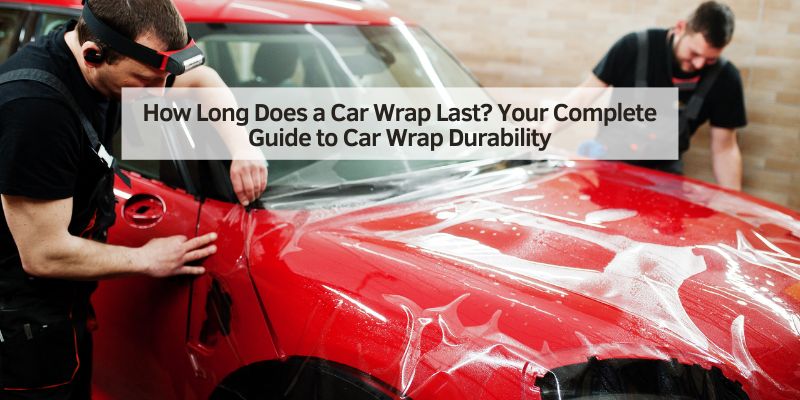
Let me start with the basics. A car wrap is a vinyl film applied to your vehicle’s surface, either partially or fully, to change its appearance or protect the paint underneath. Think of it like a giant sticker that can transform your car’s color, add a matte or glossy finish, or even display custom graphics. I remember the first time I saw a wrapped car—a sleek, matte black Mustang that looked like it rolled straight out of a movie. I was hooked!
The lifespan of a car wrap matters because it’s an investment. Whether you’re spending a few hundred bucks on a partial wrap or a couple thousand on a full wrap, you want to know how long it’ll hold up. A wrap’s durability affects not only its look but also its ability to protect your car’s paint and maintain its value. Plus, nobody wants to deal with peeling, fading, or cracking vinyl sooner than expected. So, let’s explore what factors influence how long a car wrap lasts and how you can make yours go the distance.
Average Lifespan of a Car Wrap
In my experience, a car wrap typically lasts between 3 to 7 years, but this range depends on several factors. High-quality wraps, proper installation, and good maintenance can push the lifespan toward the higher end, while poor materials or neglect can cut it short. I’ve seen some wraps still looking vibrant after five years, while others started fading in just two. Here’s a quick breakdown of what to expect based on the type of wrap:
| Type of Wrap | Average Lifespan | Notes |
|---|---|---|
| Cast Vinyl Wraps | 5–7 years | Premium option, durable, conforms well to curves, resists fading. |
| Calendared Vinyl Wraps | 2–4 years | Budget-friendly, thicker, less flexible, prone to fading in harsh climates. |
| Partial Wraps | 3–5 years | Covers less surface area, but lifespan depends on material and care. |
| Printed Wraps (Graphics) | 3–5 years | Custom designs may fade faster due to ink exposure to UV rays. |
Cast vinyl is the gold standard for longevity. It’s thinner, more flexible, and designed to withstand the elements better than calendared vinyl, which is thicker and more rigid. When I got my car wrapped, I chose a cast vinyl wrap, and it’s held up beautifully for over four years now. The key is understanding what you’re getting and how to care for it, which we’ll get into soon.
Factors That Affect How Long a Car Wrap Lasts
I’ve learned that a car wrap’s lifespan isn’t just about the material. It’s about how the wrap is installed, where you live, how you drive, and how much love you give it. Let’s break down the biggest factors that determine how long your wrap will last.
Quality of the Vinyl Material
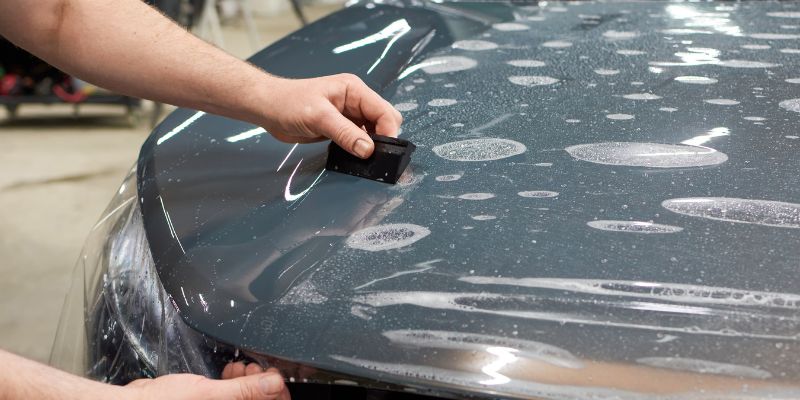
Not all vinyl wraps are created equal. I made the mistake early on of considering a cheap wrap for my first car, but thankfully, a friend steered me toward a reputable brand. High-quality brands like 3M, Avery Dennison, or Oracal use cast vinyl, which is more durable and resistant to UV rays, heat, and cold. Cheaper calendared vinyl might save you money upfront, but it’s likely to fade, crack, or peel much sooner. My advice? Invest in a good-quality wrap if you want it to last closer to seven years.
Installation Quality
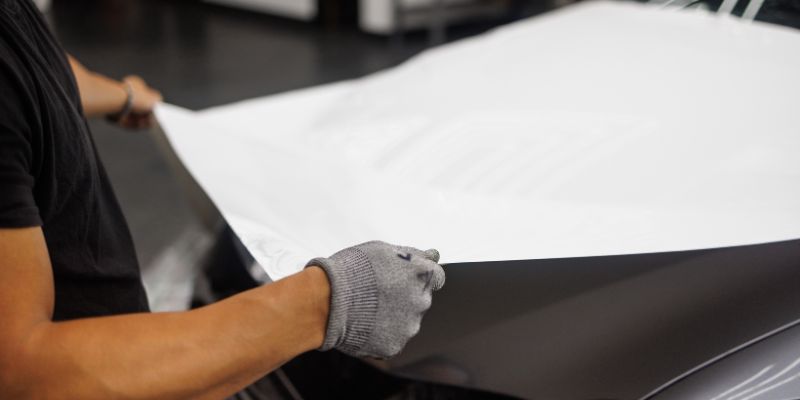
I can’t stress this enough: installation is everything. A poorly installed wrap will bubble, peel, or fail in no time, even if it’s top-tier vinyl. When I got my wrap, I spent hours researching shops and ended up choosing one with certified installers. They took their time to clean my car, apply the wrap smoothly, and heat-seal the edges to prevent lifting. A professional installation ensures the wrap adheres properly and can handle the wear and tear of daily driving. If you’re tempted to DIY, be warned—it’s tricky, and mistakes can shorten the wrap’s life.
Environmental Conditions
Where you live plays a huge role. I’m in a sunny state, and the constant UV exposure was something I had to consider. Sunlight can fade colors and weaken vinyl over time, especially with printed wraps that have intricate designs. Extreme heat, like in Arizona or Florida, can make vinyl brittle, while freezing temperatures in places like Minnesota can cause cracking if the wrap isn’t high quality. Rain, humidity, and road salt can also take a toll. For example, my friend in coastal California noticed his wrap started lifting near the edges after a couple of years due to salty air. If you live in a harsh climate, opt for a premium wrap and consider extra protective measures, like a ceramic coating.
Maintenance and Care
I’ll be honest—when I first got my wrap, I thought it was invincible. I was wrong! How you care for your wrap makes a massive difference. Regular washing with mild soap and water keeps dirt and grime from building up and damaging the vinyl. I learned to avoid high-pressure car washes and abrasive brushes, which can scratch or lift the wrap. Waxing isn’t necessary, but I do use a vinyl-specific sealant every few months to add UV protection. Parking in a garage or shade also helps shield the wrap from the sun. Trust me, a little TLC goes a long way.
Driving and Usage Habits
How you use your car matters too. If you’re like me and mostly drive around town, your wrap will likely last longer than if you’re constantly on highways where road debris can nick the vinyl. Long commutes in harsh weather or frequent off-road trips can wear out a wrap faster. I’ve also noticed that wraps on commercial vehicles, like delivery vans, tend to wear out quicker because they’re driven more and exposed to the elements constantly.
How to Extend the Life of Your Car Wrap
After years of maintaining my wrap, I’ve picked up some tricks to keep it looking fresh. Here’s what I do to stretch its lifespan as much as possible:
- Wash Regularly but Gently: I wash my car every two weeks using a pH-neutral soap and a soft microfiber cloth. Avoid automatic car washes with harsh brushes. Hand-washing is best.
- Protect from the Elements: I park in my garage whenever possible. If you don’t have a garage, a car cover or a shaded parking spot helps. UV rays are the enemy!
- Use Vinyl-Specific Products: I use a vinyl protectant spray every few months. It adds a layer of UV resistance and keeps the wrap glossy. Avoid wax or polish meant for paint, as it can damage vinyl.
- Fix Damage Quickly: If you notice a scratch, tear, or lifting edge, get it repaired ASAP. Small issues can turn into big ones if left alone. My installer fixed a small tear on my wrap’s edge within a day, and it saved the whole panel.
- Consider a Ceramic Coating: I added a ceramic coating to my wrap last year, and it’s been a game-changer. It adds an extra layer of protection against UV rays, dirt, and minor scratches.
By following these steps, I’ve kept my wrap looking nearly brand-new for years. It’s not hard—it just takes a little effort and consistency.
Signs It’s Time to Replace Your Car Wrap
Even with the best care, wraps don’t last forever. I’ve learned to spot the signs that it’s time for a new one. If you notice any of these, it might be time to start budgeting for a replacement:
- Fading or Discoloration: If the colors look dull or uneven, UV damage is likely the culprit. My friend’s red wrap turned pinkish after three years in the sun.
- Peeling or Lifting Edges: This happens when the adhesive weakens, often due to poor installation or exposure to moisture. I saw this on a buddy’s truck after he parked near the ocean for too long.
- Cracks or Tears: Extreme temperatures or physical damage can cause cracks. If they’re widespread, replacement is better than repair.
- Bubbling: Air or moisture trapped under the wrap causes bubbles. Small ones can be fixed, but large areas mean it’s time for a new wrap.
When my wrap started showing slight fading on the hood after four years, I knew it was time to plan for a refresh. Replacing a wrap isn’t cheap, but it’s a chance to try a new design, which I’m pretty excited about!
Cost vs. Lifespan: Is a Car Wrap Worth It?
One thing I’ve wrestled with is whether a car wrap is worth the cost, given its lifespan. A full wrap can cost anywhere from $2,000 to $5,000, depending on the car’s size, wrap quality, and installation fees. Partial wraps are cheaper, around $500 to $2,000. When you break it down, a high-quality wrap lasting 5–7 years comes out to roughly $300–$1,000 per year. For me, that’s worth it for the style, paint protection, and ability to change my car’s look without a permanent commitment. Plus, a wrap can protect your car’s original paint, potentially increasing its resale value.
Compare that to a new paint job, which can cost $5,000–$10,000 and is permanent. I’d say wraps are a solid deal if you care for them properly. Just make sure to budget for maintenance and eventual replacement.
My Personal Experience with Car Wraps
Let me share a quick story. When I got my first wrap—a glossy black cast vinyl—I was nervous about how it’d hold up. I live in a hot, sunny area, and I drive a lot for work. But I followed my installer’s advice: regular washing, parking in the shade, and using a vinyl protectant. Four years later, the wrap still gets compliments, though I’m starting to see some fading on the hood. It’s been a fun journey, and I’ve learned so much about what makes a wrap last. I’m already planning my next design—maybe a matte blue this time!
Conclusion
So, how long does a car wrap last? On average, you’re looking at 3 to 7 years, but it all comes down to the vinyl quality, installation, environment, and how well you care for it. I’ve seen firsthand how a little effort can keep a wrap looking sharp for years, and I hope my tips help you get the most out of yours. Whether you’re wrapping your car for style, protection, or advertising, it’s an investment that can pay off with the right approach. If you’re considering a wrap, go for it—it’s one of the coolest ways to make your car stand out. And if you already have one, keep up with the maintenance, and it’ll reward you with years of head-turning looks.
Frequently Asked Questions
How often should I wash my wrapped car?
I wash mine every two weeks with mild soap and a soft cloth. Regular washing prevents dirt buildup, which can damage the vinyl over time.
Can I take my wrapped car through a car wash?
I’d avoid automatic car washes with brushes, as they can scratch or lift the wrap. Hand-washing or touchless car washes are safer.
Will a car wrap damage my car’s paint?
In my experience, a properly installed and removed wrap won’t harm your paint. It can protect it from scratches and UV damage.
How much does it cost to replace a car wrap?
It depends, but I’ve seen full wraps cost $2,000–$5,000 and partial wraps $500–$2,000. Prices vary based on material, car size, and labor.
Can I wrap my car myself to save money?
DIY wraps are possible, but I wouldn’t recommend it unless you’re experienced. Poor installation can lead to bubbles and peeling, shortening the wrap’s life.
Does a car wrap hold up in extreme weather?
It can, but extreme heat, cold, or humidity can shorten its lifespan. I’ve found that high-quality cast vinyl and proper care make a big difference in harsh climates.