How Long Does a Car AC Compressor Last? (Years & Miles)
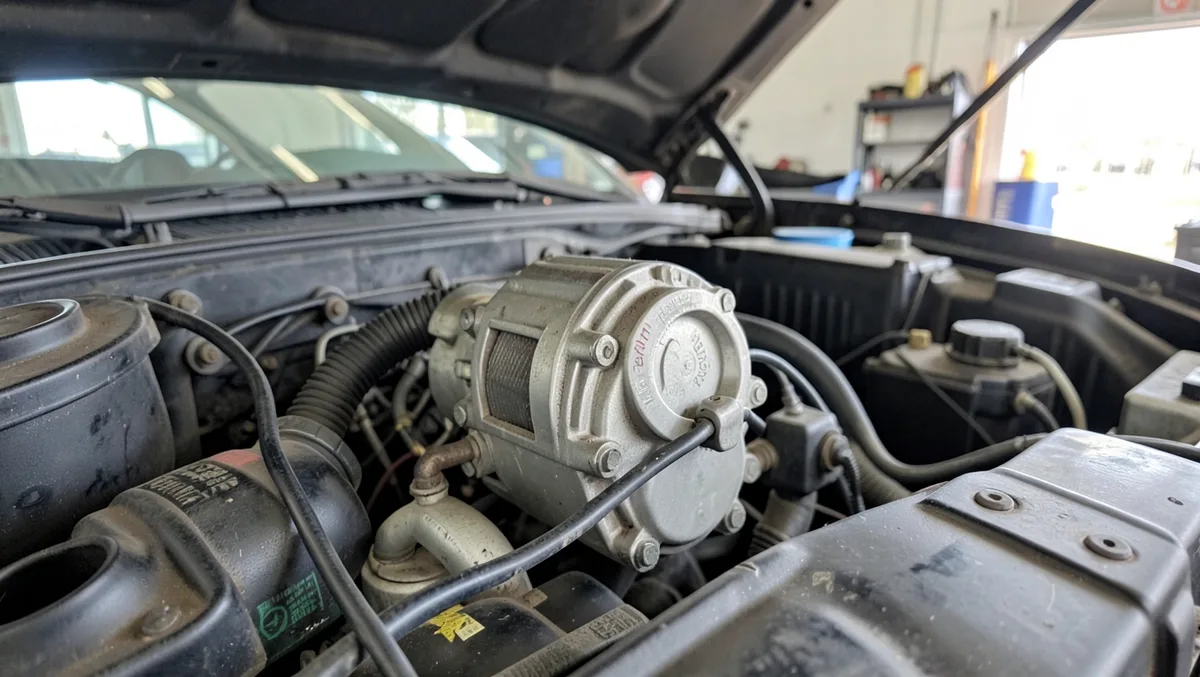
A car AC compressor typically lasts 8 to 12 years, or about 100,000 to 150,000 miles, under normal driving and regular maintenance. Some go 15 years or 200,000 miles; others fail much sooner if the system runs low on refrigerant or sits unused for months at a time.
The compressor is the part that actually does the work in your car’s air conditioning system, pressurizing refrigerant and pushing it through the loop so it can absorb heat from the cabin. It takes on constant mechanical stress every time the AC runs, which is why it is usually the most expensive part to replace when the system fails. Knowing roughly how long yours should last, and what shortens that lifespan, helps you catch a failing compressor early instead of getting stranded with a repair bill you did not see coming.
What a Car AC Compressor Does
BEST FOR DIY REFRIGERANT CHECKS
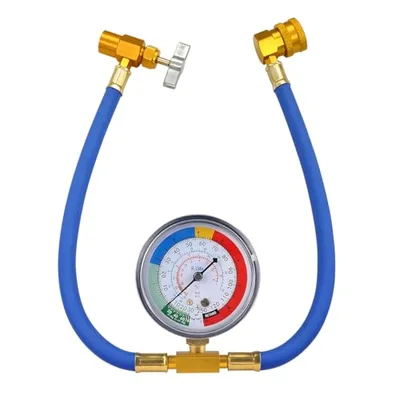 |
TNAIYH R134A AC Recharge Hose Kit with Gauge – $12.99 Low refrigerant is the single biggest cause of compressor wear, so a gauge lets you check pressure yourself before it becomes a lubrication problem.
|
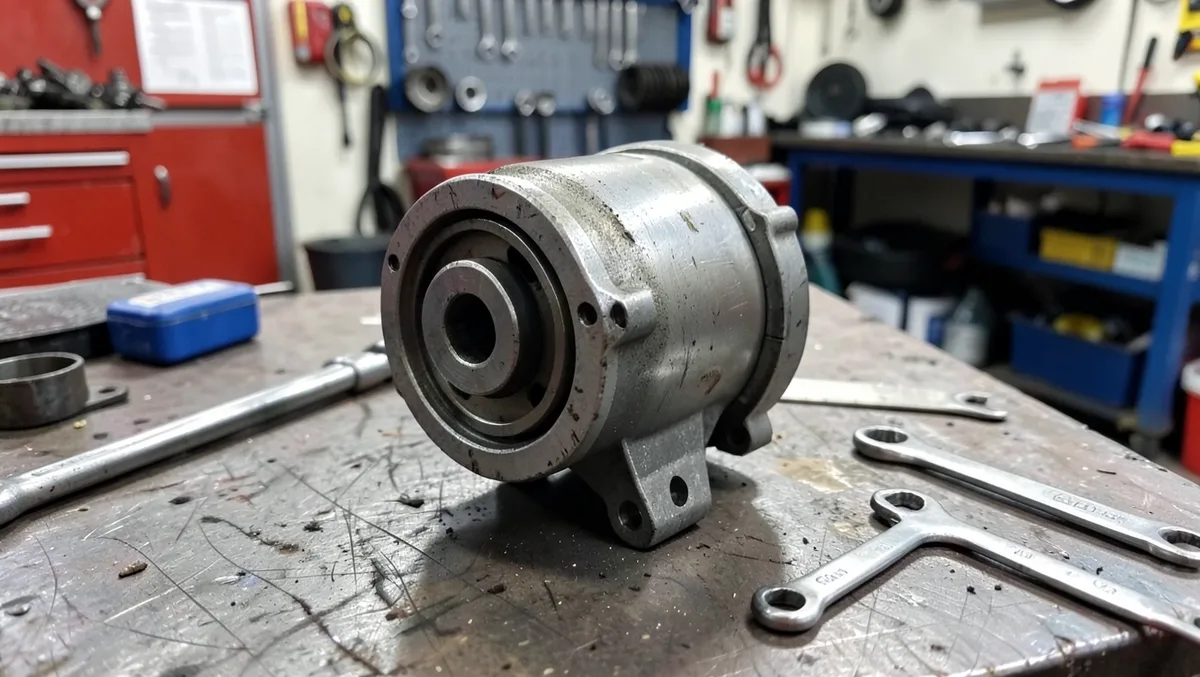
The compressor sits at the front of the engine, driven by a belt, and acts as the pump for the entire AC system. It pulls in low-pressure refrigerant gas, compresses it into a hot, high-pressure gas, and sends it on to the condenser to be cooled back into a liquid. Without that pressure change, refrigerant can not release heat, and the air coming out of your vents stays warm no matter how high you turn the fan.
Most vehicles use one of three compressor designs. Reciprocating compressors use pistons to pump refrigerant and are common on older vehicles. Rotary compressors use a spinning vane or roller instead of pistons. Scroll compressors use two interlocking spiral-shaped scrolls that trap and compress the gas as they rotate, and they are the most common design in newer cars because they run smoother and more efficiently.
| Compressor Type | How It Works |
|---|---|
| Reciprocating | Uses pistons moving back and forth to compress refrigerant. Common on older vehicles. |
| Rotary | Uses a rotating vane or roller to move and pressurize refrigerant. |
| Scroll | Uses two interlocking spiral scrolls; the most common design in modern cars. |
What Determines How Long It Lasts
A compressor’s lifespan depends far more on how the AC system is treated than on the car’s odometer. The biggest factors are low refrigerant, a contaminated system, the wrong type of compressor oil after a repair, moisture that got into the system, and, somewhat counterintuitively, going long stretches without running the AC at all. Hot climates add extra strain because the compressor works harder and more often just to keep the cabin comfortable.
Frequent short trips with the AC blasting the whole time also add wear, since the compressor rarely gets a chance to settle into a steady cycle before the engine shuts off again. That does not mean you should avoid using the AC to protect it. As covered below, the opposite habit, barely using it at all, is actually worse for the compressor’s internal seals.

Signs Your AC Compressor Is Failing
A grinding, squealing, or rattling noise when the AC is on is one of the clearest warning signs. It usually means internal parts, such as the clutch bearing or the pistons and scrolls inside, are wearing against each other. Inconsistent cooling, where the air is cold one day and warm the next with no obvious cause, points to a compressor that is starting to lose its ability to build and hold pressure.
Other signs include the compressor clutch not engaging at all (you will not hear or feel the usual click when you turn the AC on), visible oily residue around the compressor or its fittings, which suggests a leaking seal, and the AC compressor clutch cycling on and off rapidly, which can point to low refrigerant or an electrical fault. If your AC has stopped producing cold air entirely, it is worth ruling out other causes first, since a compressor is not always the culprit; our guide on why your car AC stopped working walks through the other usual suspects.
Typical Lifespan: Years and Miles
Under normal conditions, expect a car AC compressor to last 8 to 12 years, which typically works out to 100,000 to 150,000 miles for an average driver. Vehicles that are driven gently, kept in moderate climates, and have their AC systems checked periodically can push that closer to 15 years or 200,000 miles. On the other end, a compressor running with low refrigerant or contaminated oil can fail in a fraction of that time, sometimes within a couple of years of a botched prior repair.
Mileage and age both matter less than how well the refrigerant charge and lubrication have been maintained. A high-mileage compressor that has always had the correct refrigerant level and a leak-free system will typically outlast a lower-mileage one that has been topped off with refrigerant repeatedly to mask a slow leak.
How to Make Your Compressor Last Longer
Have the AC system checked for leaks periodically, especially if you notice the cooling getting weaker over a season. A quick pressure check with a gauge, or a professional inspection, can catch a slow leak long before it starves the compressor of lubrication. Keeping the cabin air filter clean also matters more than most drivers realize, since a clogged filter forces the whole system, compressor included, to work harder to move the same amount of air.
The habit most drivers skip is using the AC year-round, including winter. The compressor’s internal seals stay lubricated by oil that only circulates while the compressor is turning; leave it idle for months at a stretch and those seals can dry out and start to weep refrigerant. A short weekly or monthly run keeps that oil moving, and flipping on the defrost or defog setting is an easy way to do it without freezing yourself out, since defrost automatically engages the compressor to dry the incoming air. Our guide on how often to refill freon in a car covers the related question of how often the refrigerant itself typically needs topping off.
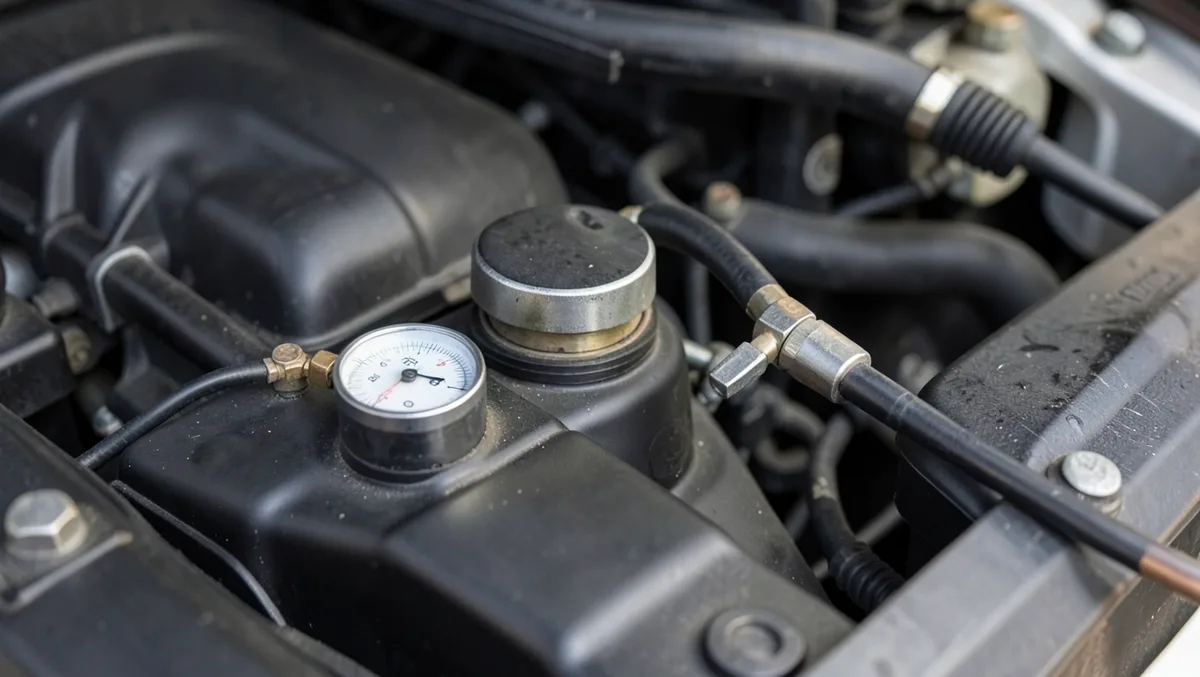
If you would rather have more options for keeping the system serviced yourself, our roundup of AC kits for cars compares a few complete DIY recharge and diagnostic kits.
Repair or Replace? Cost and Decision Factors
Replacing a car AC compressor typically runs $500 to $1,200 out the door. Most of that is the part itself, generally $500 to $1,000, while a shop’s labor to swap it usually falls somewhere between $200 and $500 depending on how buried the compressor is in the engine bay. On an older car that is already worth relatively little, it is worth weighing that cost against the vehicle’s overall value before committing to the repair.
Before assuming a compressor needs to be replaced, it is worth confirming it is actually the compressor and not something simpler. Some vehicles use a protective cutoff that disables the compressor clutch when pressure readings look abnormal, and that can sometimes be cleared without a full replacement; see our guide on how to reset your car’s AC compressor for that process. If a genuine mechanical failure is confirmed, get a second opinion from a trusted mechanic before authorizing the work, since a compressor failure can sometimes contaminate other parts of the system, adding to the repair scope.
OEM vs. Aftermarket Replacement Compressors
OEM (Original Equipment Manufacturer) compressors come from the same supplier that built the original part for your car’s manufacturer. They cost more, but they are guaranteed to fit and typically match the original’s performance and lifespan. Aftermarket compressors are made by other companies and are usually cheaper, though quality varies significantly between brands.
Whichever route you choose, confirm the exact part number matches your vehicle before buying. AC compressors vary by engine size, drive type, and sometimes trim level even within the same model year, and installing the wrong one can cause fitment or performance problems that end up costing more to fix later.
Frequently Asked Questions
Do I need to replace my car’s AC compressor on a schedule?
No. There is no mileage or age at which a healthy compressor should be swapped out just to be safe. Replace it only when it actually fails or shows clear warning signs, such as grinding noises or a sudden loss of cold air. Most compressors run fine for 8 to 12 years without any intervention.
How many miles do car AC compressors last?
Most car AC compressors last between 100,000 and 150,000 miles under normal use. With light driving, a hot climate that is offset by good maintenance, and regular refrigerant checks, some compressors reach 200,000 miles before needing replacement.
What is the most common cause of car AC compressor failure?
Low refrigerant is the most common cause. The compressor’s internal parts are lubricated by oil that travels through the system dissolved in the refrigerant. When refrigerant leaks out, that oil stops circulating, and the compressor starts running dry, which wears it out fast.
What is the average cost to replace a car AC compressor?
Replacing a car AC compressor typically costs between $500 and $1,200 including parts and labor. Parts alone usually run $500 to $1,000, with labor adding another $200 to $500 depending on the vehicle and shop rates. Always get a written quote before authorizing the repair.
Should I run my car’s AC in the winter?
Yes. Running the AC for 15 to 20 minutes about once a month, even in cold weather, keeps the compressor’s internal seals lubricated and prevents them from drying out. The easiest way to do this without freezing yourself is to use the defrost or defog setting, which engages the AC compressor automatically to dry the air.
Conclusion
A car AC compressor that is properly maintained, kept free of refrigerant leaks, and run regularly even in winter should comfortably reach 8 to 12 years or 100,000 to 150,000 miles. Watch for grinding noises, inconsistent cooling, or a clutch that will not engage, since catching those signs early is what keeps a compressor problem from turning into a full AC system replacement.
Products related to this article
Sponsored / affiliate links. As an Amazon Associate I earn from qualifying purchases. I may earn additional commission from eligible campaigns.