How Long Does It Take to Paint a Car: Quick Guide
Have you ever wondered how long it takes to paint a car? Whether you’re planning a DIY project or considering professional help, understanding the timeline is crucial.
You want your car to look its best without sacrificing weeks of your life. The good news is, painting a car doesn’t have to be a mystery. You’ll discover the factors that influence the time it takes to paint a car, helping you make informed decisions and avoid unnecessary delays.
Imagine driving your freshly painted car down the street, turning heads with its flawless finish. Intrigued? Keep reading to find out how you can achieve that perfect paint job in the shortest time possible.
Credit: elmersautobody.com
Factors Influencing Time
The type of paint affects the time. Water-based paints dry faster. Oil-based paints take longer to dry. Quality of paint matters too. High-quality paints may take longer. Cheaper paints might dry faster but need more coats.
Big cars take more time. Small cars are quicker. SUVs and trucks need more paint. Sedans and coupes are faster to paint. The model of the car matters too. Some models have many parts. More parts mean more time.
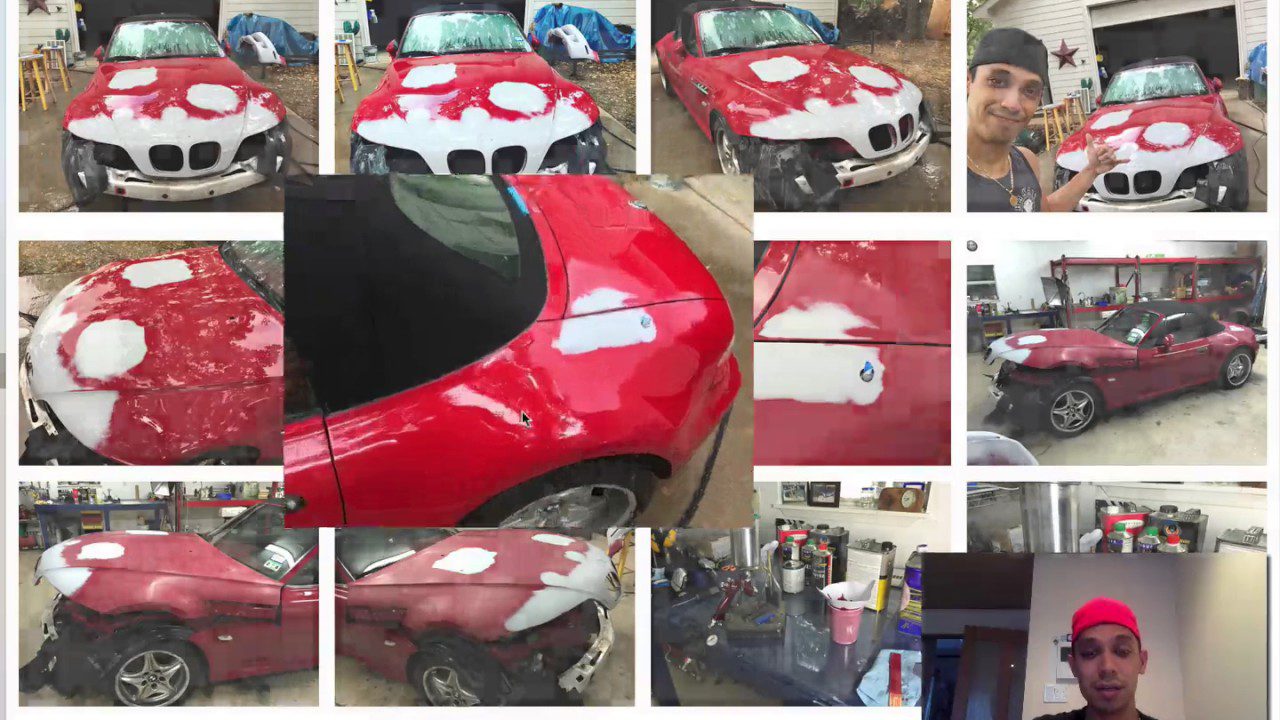
If the car is new, it takes less time. Older cars might need repairs first. Rust and dents need fixing. This adds extra time. A clean car is quicker to paint. Dirty cars need cleaning first.
Experienced painters work faster. They know tricks to save time. New painters might take longer. They are still learning. Skill level affects the speed. More skill means less time.
Credit: valleycollision.com
Preparation Steps
Before painting, clean the car thoroughly. Use soap and water to wash it. Dry it completely. Next, sand the surface well. This removes old paint and rust. Sanding helps new paint stick better. Use sandpaper for smooth sanding. Don’t forget to wear protective gear while sanding.
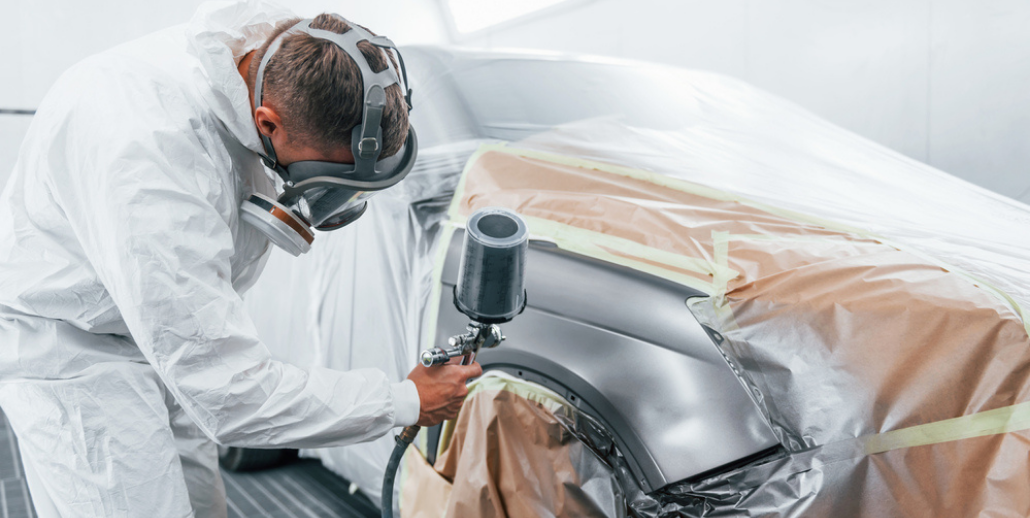
Cover areas you don’t want painted. Use masking tape and paper. Tape around windows and edges. This keeps paint only on needed parts. Make sure all tape is firmly stuck. Check twice to avoid mistakes. Proper masking saves cleanup time later.
Apply primer on the sanded surface. Primer helps paint stick longer. It also covers small scratches. Use a spray gun for even coating. Let the primer dry completely. Check for smoothness after drying. Smooth primer means better paint finish.
Painting Process
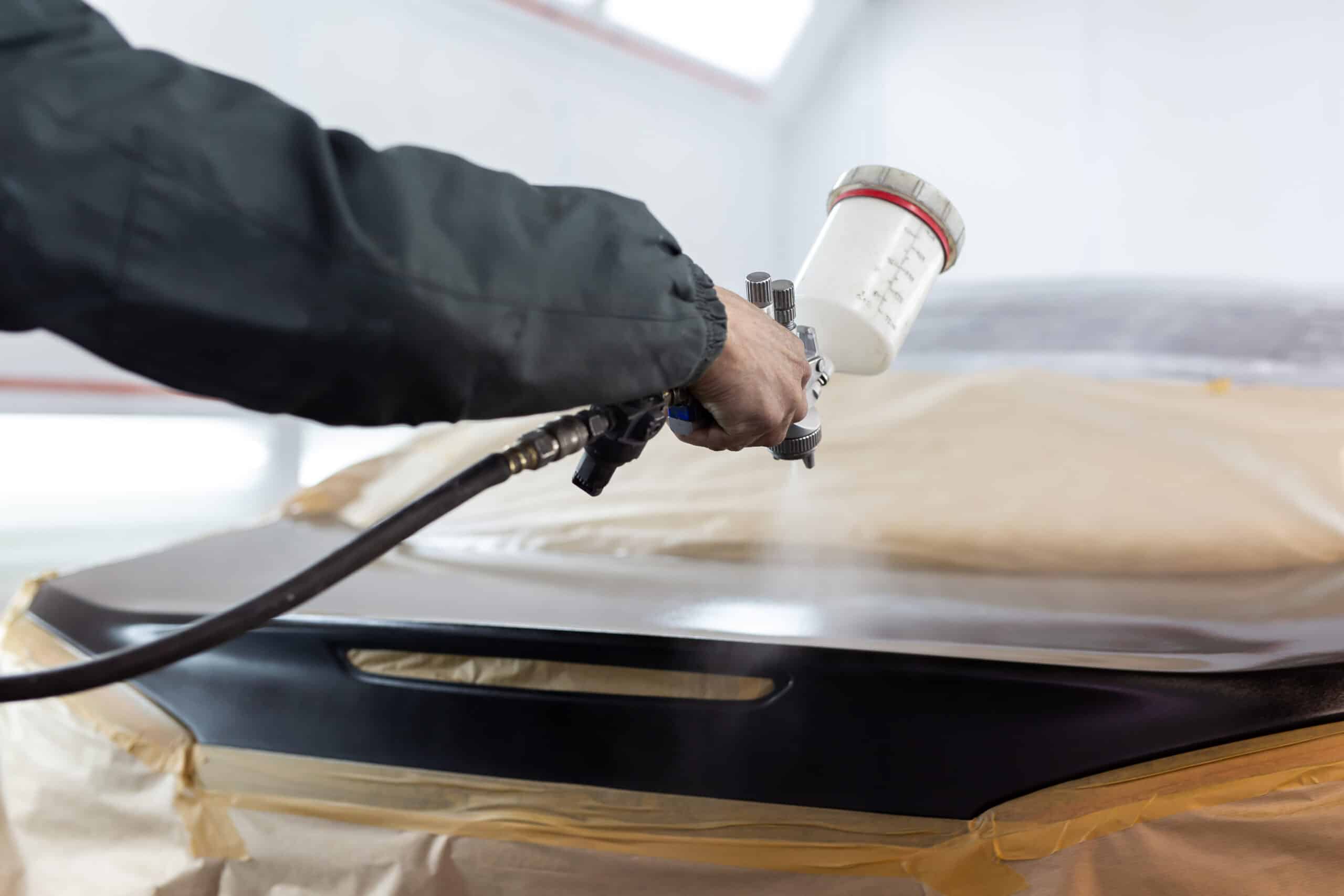
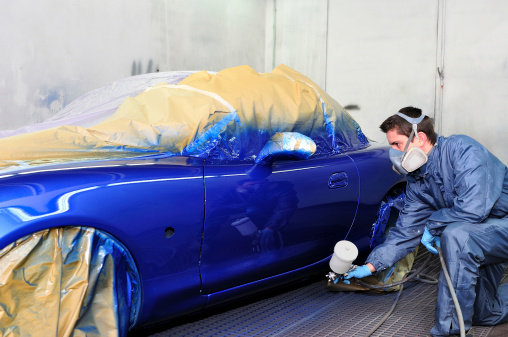
The base coat is the first layer of paint. It covers the car’s surface. This coat gives the car its main color. Applying the base coat usually takes a few hours. Painters use spray guns for even coverage. Multiple layers may be needed for a rich color.
Drying time is crucial. The base coat needs time to dry. Typically, this takes about 30 minutes to an hour. Weather can affect drying. Warm days speed up the process. Cool days slow it down.
The clear coat protects the base coat. It adds shine and durability. Applying the clear coat takes a few hours. Several layers make the finish glossy. Each layer must dry before the next. Quick drying ensures a smooth finish.
Credit: www3.nr.no
Curing And Final Touches
Painting a car involves careful curing and final touches. The process typically lasts from a few days to a week. Factors like paint type, weather conditions, and the complexity of the design influence the timeframe.
Curing Time
The curing time for car paint is very important. It usually takes about 24 hours. During this time, the paint gets hard. This step makes the paint last longer. If the paint cures well, it looks better. Good curing also protects the car from scratches.
Polishing
After curing, the car needs polishing. This step makes the paint shine. Polishing takes about 2 to 4 hours. It removes small scratches. It also smooths the paint surface. A smooth surface reflects light better. This makes the car look very shiny.
Inspecting For Imperfections
The final step is inspecting for imperfections. Look for any dust or marks. This step is very important. It ensures the paint job is perfect. If any issues are found, fix them immediately. Careful inspection makes the car look new and fresh. It also makes sure the owner is happy.
Common Challenges
Painting a car involves challenges like time management, thorough prep work, and dealing with unexpected weather conditions. Ensuring a smooth surface and selecting the right paint can be time-consuming. Each step requires patience and precision to achieve a professional finish.
Weather Conditions
Weather can slow down car painting. Rain makes the paint dry slowly. High humidity can cause paint bubbles. Cold weather can make paint thicker. This makes it hard to apply. Windy days bring dust. Dust can stick to wet paint.
Equipment Issues
Broken tools can cause big delays. A clogged spray gun won’t work well. This can make the paint look bad. Old compressors may not give enough air. This affects the paint job. Faulty paint mixers can ruin the color. This means starting over.
Unexpected Delays
Sometimes, parts arrive late. This can delay the painting process. Power cuts can stop work for hours. Sick workers mean fewer hands to help. Some cars have hidden damage. This needs fixing before painting. These surprises make the job take longer.
Tips For Efficiency
Good materials make a big difference. High-quality paint lasts longer. It looks better. Cheap paint may peel. It might fade. Investing in good supplies saves time. It avoids mistakes. Quality brushes and rollers apply paint well. They help achieve smooth finishes.
A tidy workspace speeds up work. Everything in its place is important. Tools should be easy to find. A clean area helps focus. Less clutter means fewer delays. Organized tools are ready to use. This boosts efficiency.
Equipment care is key. Clean tools last longer. Dirty tools slow work down. Regular maintenance avoids breakdowns. Well-kept machines work better. They save time. Proper care ensures smooth operation.
Frequently Asked Questions
Can A Car Be Painted In 2 Days?
Yes, a car can be painted in 2 days. The process requires quick drying paints and efficient techniques. Choosing a professional auto body shop ensures quality results. Proper planning and scheduling are crucial for successful completion within this timeframe.
How Long After A Car Is Painted Can You Drive It?
You can usually drive your car 24 hours after painting. This allows the paint to fully dry. Ensure proper ventilation during this period to expedite drying. Always follow the advice of your auto body shop for best results.
How Much Does It Usually Cost To Repaint A Whole Car?
Repainting a whole car usually costs between $500 and $5,000. Prices vary based on paint quality, location, and vehicle size. Basic paint jobs are cheaper, while high-end finishes cost more. Custom designs and detailing can increase the price significantly. Always get quotes from multiple shops for comparison.
Why Does It Take So Long To Paint A Car?
Painting a car takes time due to meticulous preparation, multiple coats, and curing periods. Each step ensures durability and a flawless finish. Professionals prioritize quality, addressing every detail for optimal results. Proper drying and curing prevent future issues, making the process longer but necessary for a high-quality outcome.
Conclusion
Painting a car takes time and patience. Many factors influence the duration. Size of the car matters. The type of paint affects the process. Preparations are crucial for a smooth finish. Professionals often do it faster. DIY can take longer due to learning curves.
Consider the drying time too. It varies based on conditions. Plan carefully for the best results. Quality always wins over speed. Ensure you choose skilled professionals. Or, invest time in doing it right yourself. With careful planning, your car will shine beautifully.
Remember, patience leads to great outcomes in car painting.