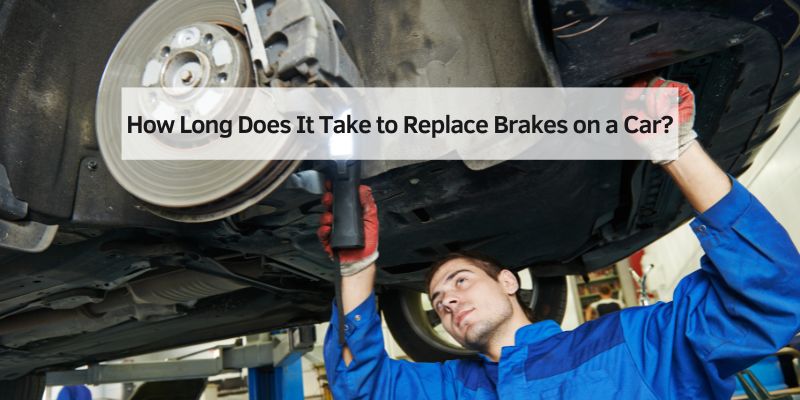
How Long Does It Take to Replace Brakes on a Car?
I still remember the first time I noticed my car’s brakes squeaking. It was a sunny afternoon, and I was driving my old Honda Civic to the grocery store when I heard a high-pitched screech every time I stopped. My heart raced—were my brakes failing? I took it to a mechanic and learned it was just time for new brake pads. That experience taught me how important brakes are and how simple replacing them can be. In this article, I’ll explain how long it takes to replace brakes on a car, share easy steps to do it yourself, and give tips to save time and money. Whether you’re a beginner, a car enthusiast, or a seasoned DIYer, you’ll find clear answers and practical advice here.
What Are Car Brakes and Why Replace Them?
Car brakes help you stop safely. They’re like big clamps that slow your wheels.
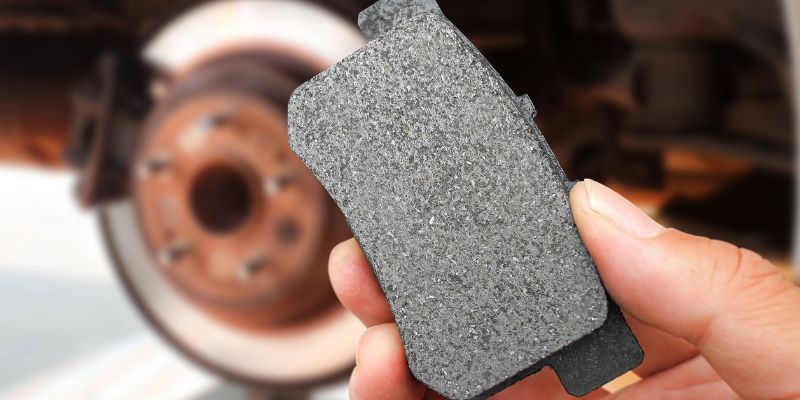
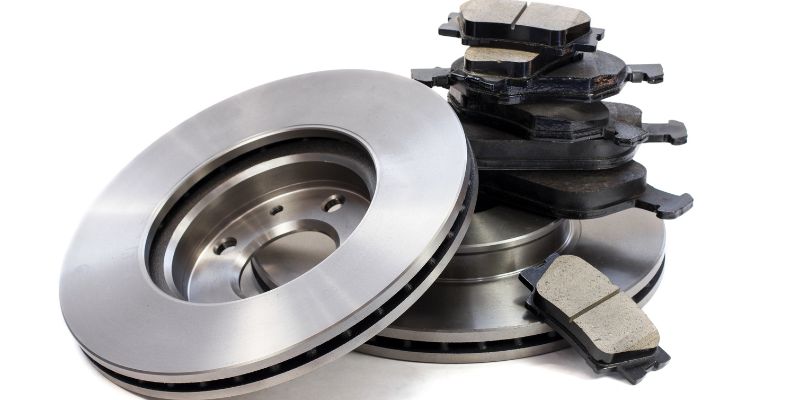
Brakes have parts like pads, rotors, and calipers. Brake pads press against rotors to stop the car. Over time, pads wear out from friction. Worn pads make stopping harder and can damage rotors. Replacing brakes keeps you safe and prevents costly repairs.
How Long Does It Take to Replace Brakes?
Replacing brakes usually takes 30 minutes to 3 hours. The time depends on the car, the problem, and who’s doing the work. Simple brake pad replacement is quick—about 30 minutes to an hour. Replacing rotors or calipers takes longer, maybe 1 to 3 hours. At a shop, wait times can add an hour or two. Doing it yourself might take longer if you’re new, but it’s rewarding.
Step-by-Step Guide to Replacing Brake Pads
I once replaced the brake pads on my Toyota Corolla in my garage. It took me about an hour per side as a beginner. Here’s a simple guide to help you:
- Gather Tools and Parts: You’ll need new brake pads, a jack, jack stands, a lug wrench, a C-clamp, and basic tools like a wrench and screwdriver.
- Lift the Car: Use a jack to raise one wheel and secure it with jack stands.
- Remove the Wheel: Loosen lug nuts and take the wheel off.
- Remove Old Pads: Unbolt the caliper, slide it off, and remove the worn pads.
- Install New Pads: Place new pads in the caliper bracket.
- Compress the Caliper: Use a C-clamp to push the caliper piston back.
- Reassemble: Bolt the caliper back, put the wheel on, and tighten lug nuts.
- Test the Brakes: Press the brake pedal to ensure it feels firm, then test-drive.
Repeat for each wheel. Always check your car’s manual for specific steps.
Tools and Materials Needed
You don’t need fancy tools to replace brakes. Here’s what I used for my first DIY brake job:
- Brake Pads: Choose pads for your car model (e.g., ceramic for less dust).
- Jack and Jack Stands: To lift and secure the car safely.
- Lug Wrench: To remove wheels.
- C-clamp or Caliper Tool: To compress the caliper piston.
- Basic Tools: Wrench, screwdriver, and pliers for bolts and clips.
- Brake Cleaner: To clean parts and remove dust.
I bought pads from AutoZone for about $30-$50. Check your car’s manual for the right pads.
Benefits of Replacing Brakes Yourself
Doing your own brake job saves money and feels great. Here’s why I love it:
- Save Cash: Shops charge $100-$300 for labor. DIY costs just the parts—about $30-$100.
- Learn Skills: You’ll understand your car better and feel proud.
- Control Quality: Pick high-quality pads, like ceramic, for better performance.
But DIY isn’t for everyone. It takes time, and mistakes can be dangerous. If you’re unsure, a mechanic is safer.
Drawbacks of DIY Brake Replacement
I made mistakes my first time, like forgetting to bleed the brake lines. Here are some challenges:
- Time-Consuming: Beginners might spend 2-4 hours per axle.
- Safety Risks: A loose bolt or wrong pad can cause brake failure.
- Specialized Tools: Some cars need unique tools, like a star-shaped wrench.
If you’re not confident, visit a trusted shop like Firestone.
Other Brake Replacement Options
You don’t have to do it yourself. Here are other ways to replace brakes:
- Mobile Brake Repair: Services like NuBrakes come to you and take about an hour.
- Auto Shops: Chains like Firestone or local mechanics finish in 1-3 hours.
- Dealerships: They’re pricier but know your car model well.
Mobile repair is great if you’re busy. Shops are good for complex jobs like rotor replacement.
My Top Tips for Brake Replacement
After years of working on cars, I’ve learned some tricks:
- Check Rotors: If they’re worn or warped, replace them with pads to avoid uneven wear.
- Buy Quality Parts: Cheap pads wear out fast and create more dust.
- Work on One Wheel at a Time: This keeps the other side as a reference.
These tips saved me time and money on my last brake job.
Common Mistakes to Avoid
I’ve messed up brake jobs before. Here’s what to watch out for:
- Not Securing the Car: Always use jack stands, not just a jack.
- Skipping Brake Fluid Check: Low or dirty fluid can cause spongy brakes.
- Wrong Parts: Double-check your car’s make and model before buying pads.
Take your time to avoid these errors.
Cost Comparison Table
Here’s a simple table comparing brake replacement costs:
| Option | Cost | Time | Best For |
|---|---|---|---|
| DIY Brake Pads | $30-$100 | 2-4 hours | Hands-on learners |
| Mobile Brake Repair | $100-$200 | 1-2 hours | Busy people |
| Auto Shop | $150-$400 | 1-3 hours | Complex repairs |
Caption: This table shows average costs and times for brake pad replacement.
Time Comparison Table
Different brake jobs take different times:
| Job Type | Time (DIY) | Time (Shop) | Complexity |
|---|---|---|---|
| Brake Pads Only | 30 min-1 hr | 1-2 hrs | Easy |
| Pads + Rotors | 1-2 hrs | 2-3 hrs | Moderate |
| Full System Overhaul | 3-5 hrs | 3-4 hrs | Advanced |
Caption: This table compares how long brake jobs take for DIY vs. shop work.
Safety Tips Table
Safety is key when working on brakes:
| Tip | Why It Matters |
|---|---|
| Use Jack Stands | Prevents car from falling |
| Wear Gloves | Protects hands from sharp parts |
| Test Brakes After | Ensures brakes work before driving |
Caption: These safety tips keep you safe during brake replacement.
Visual Ideas for Better Understanding
To make brake replacement clearer, I’d suggest these visuals (not included):
- Brake System Diagram: Show pads, rotors, and calipers in a simple sketch.
- Tool Setup Photo: Display tools like a jack, wrench, and C-clamp.
- Step-by-Step Infographic: Illustrate the 8-step brake pad replacement process.
These visuals would help beginners follow along.
Frequently Asked Questions
How Do I Know When to Replace My Brakes?
You’ll hear squealing or grinding when braking. The car might pull to one side or feel less responsive. Check pads visually—if they’re less than ¼ inch thick, replace them. A dashboard brake light might also signal it’s time. Take your car to a mechanic if you’re unsure.
How Long Does It Take to Replace Brakes on a Car?
Replacing brake pads takes 30 minutes to 1 hour per axle. Adding rotors or calipers can take 1-3 hours. Shops might add wait time, so expect 1-3 hours total. DIY jobs take longer for beginners but get faster with practice.
Can I Replace Brakes Myself?
Yes, if you have basic tools and follow your car’s manual. It takes 2-4 hours for beginners. Watch for mistakes like loose bolts or wrong pads. If it feels too hard, a mechanic is safer and faster.
How Much Does Brake Replacement Cost?
DIY costs $30-$100 for pads. Shops charge $150-$400, including labor. Mobile repair runs $100-$200. Costs vary by car model and parts quality. Ceramic pads cost more but last longer and make less dust.
What Happens If I Don’t Replace Worn Brakes?
Worn brakes make stopping harder and less safe. They can damage rotors, leading to pricier repairs. You might hear grinding or feel vibrations. Fix brakes early to avoid accidents and save money.
Should I Replace Rotors with Pads?
Check rotors for wear or warping. If they’re thin or damaged, replace them with pads to ensure even wear. Replacing both at once improves braking and extends part life. I learned this the hard way
How Often Should I Check My Brakes?
Check brakes every 12,000 miles or yearly, as your car’s manual suggests. Listen for squealing or grinding and watch for warning lights. Regular checks catch problems early and keep you safe.
Conclusion
Replacing brakes on your car is simpler than it seems. It takes 30 minutes to 3 hours, depending on the job and your experience. You can save money by doing it yourself or hire a pro for speed and peace of mind. Use quality parts, follow safety tips, and check brakes regularly. Try inspecting your brakes this weekend or book a shop visit to stay safe. Share your brake job stories in the comments—I’d love to hear them!