How Many Pesos Is A Car In Mexico: Essential Guide
The cost of a car in Mexico varies wildly, from roughly 100,000 Mexican Pesos (MXN) for a basic used model to over 1,000,000 MXN for a new luxury SUV. Factors like make, model, year, condition, and whether it’s new or used significantly impact the final price.
Are you thinking about buying a car in Mexico and wondering about the price tag? It’s a question many people ask, and honestly, there’s no single answer! Cars are a big purchase, and the cost can seem a bit confusing with so many options out there. Don’t worry, though! We’re here to break it down for you in a simple, easy-to-understand way.
We’ll explore what influences the price, give you some real-world examples, and help you figure out what to expect. Getting a handle on these costs means you can budget wisely and make a smart decision for your needs. Let’s dive in and discover how many pesos a car might be for you!
Understanding Car Prices in Mexico: What You Need to Know
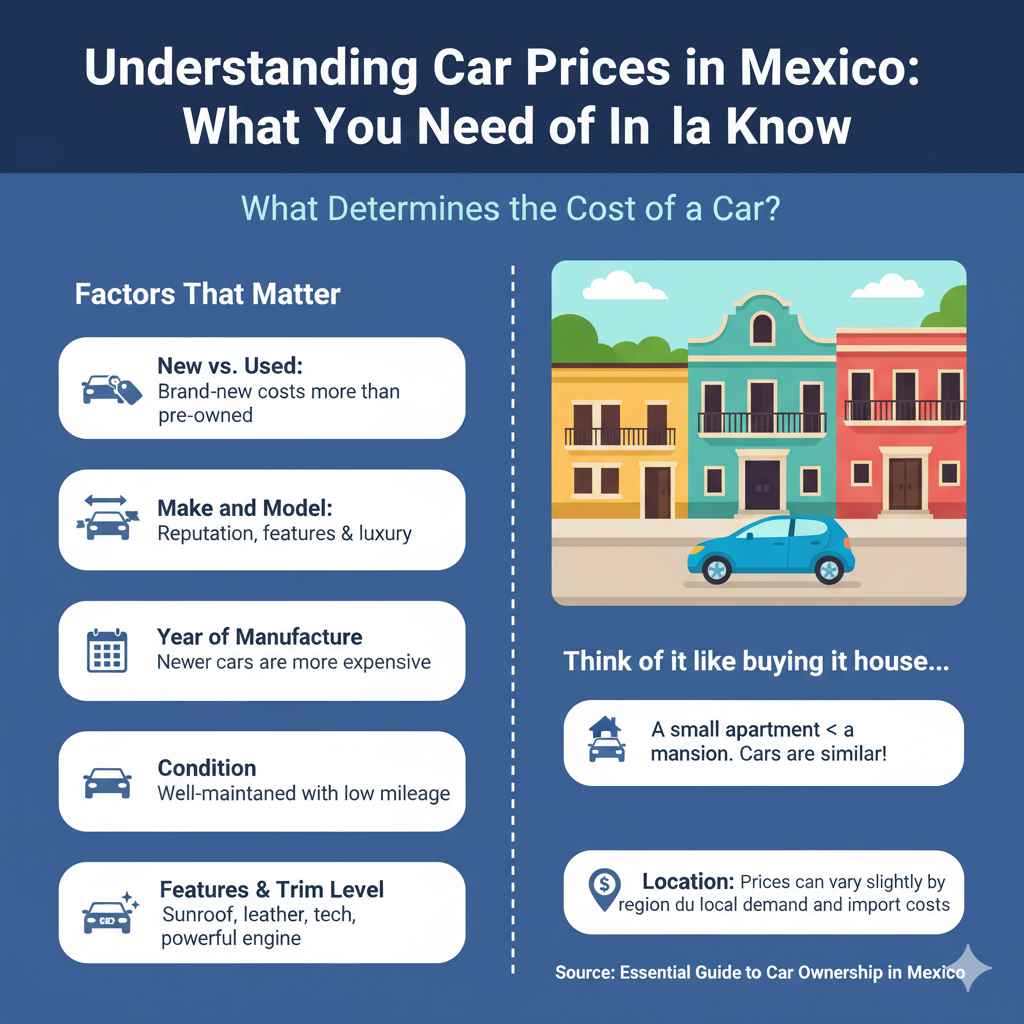
Buying a car is exciting, but knowing the price range is the first step to making it a reality. In Mexico, just like anywhere else, car prices depend on several key things. Think of it like buying a house – a small apartment will cost much less than a mansion, right? Cars are similar.
The most important factors are:
- New vs. Used: A brand-new car will always cost more than a pre-owned one.
- Make and Model: Some car brands and specific models are simply more expensive than others due to their reputation, features, or luxury status.
- Year of Manufacture: Newer cars cost more than older ones.
- Condition: A car that’s been well-maintained with low mileage will fetch a higher price than one that’s seen better days.
- Features and Trim Level: Extra features like a sunroof, leather seats, advanced safety technology, or a powerful engine can increase the price.
- Location: Sometimes, prices can vary slightly by region within Mexico due to local demand and import costs.
Average Car Prices in Mexico: A General Overview
To give you a clearer picture, let’s look at some general price ranges. These are approximate and can change, but they’ll provide a good starting point for your research. We’ll look at both new and used car prices.
New Cars in Mexico: What to Expect
Buying a new car offers the latest technology, a full warranty, and that satisfying “new car smell.” However, this convenience comes at a higher price. The cost of new cars in Mexico is influenced by import duties, local manufacturing costs, and the manufacturer’s pricing strategies. Generally, you’ll find that smaller, more basic models are at the lower end, while larger SUVs, trucks, and premium brands are at the higher end.
Here’s a rough idea for popular categories:
| Car Type | Approximate Price Range (MXN) |
|---|---|
| Compact Cars (e.g., Chevrolet Onix, Nissan Versa) | 220,000 – 400,000 |
| Sedans (e.g., Toyota Corolla, Honda Civic) | 350,000 – 650,000 |
| SUVs (Compact to Mid-size, e.g., Chevrolet Tracker, Nissan Kicks, Toyota RAV4) | 400,000 – 900,000 |
| Trucks (e.g., Ford Ranger, Toyota Hilux) | 450,000 – 800,000 |
| Luxury Sedans & SUVs (e.g., BMW 3 Series, Audi Q5) | 700,000 – 1,500,000+ |
Keep in mind that these prices are for base to mid-tier trims. Adding more features or opting for higher trim levels will push these numbers up. It’s always a good idea to check the official websites of car manufacturers operating in Mexico for the most current pricing. For example, Chevrolet Mexico often has detailed pricing and offers on their models.
Used Cars in Mexico: Finding Value
The used car market is where you can often find incredible value and drive a model that might have been out of reach as new. Prices in the pre-owned market are much more variable because depreciation is a significant factor. A car loses value each year, and its condition plays a huge role.
Here’s a glimpse of what you might encounter:
| Car Type | Approximate Price Range (Used, MXN) | Notes |
|---|---|---|
| Older Compact Cars (5-10+ years old) | 80,000 – 250,000 | Good for first-time buyers or basic transportation. |
| Recent Model Compact/Sedan (2-5 years old) | 200,000 – 500,000 | Offers good features and condition without the new car premium. |
| Older SUVs/Trucks (5-10+ years old) | 150,000 – 400,000 | Can be great value if well-maintained. |
| Recent Model SUVs/Trucks (2-5 years old) | 350,000 – 700,000 | Popular choices, especially for families or those needing more space. |
| Luxury Pre-Owned (5-10 years old) | 400,000 – 800,000+ | Requires careful inspection; maintenance costs can be higher. |
When buying a used car, it’s crucial to factor in potential repair costs. A pre-purchase inspection by an independent mechanic is highly recommended to avoid unexpected expenses. Resources like CONDUSEF (National Commission for the Protection and Defense of Financial Services) in Mexico offer guidance and consumer protection information that can be helpful when making major purchases like a vehicle.
Factors That Dramatically Affect Car Prices
Beyond the basic categorizations, several specific elements can swing the price of a car up or down significantly. Understanding these will help you negotiate better and understand why one car is priced differently from another, even if they seem similar on the surface.
New vs. Used: The Depreciation Factor
This is the biggest price differentiator. A car is typically worth the most the moment it leaves the dealership. From there, it begins depreciating. This depreciation is steepest in the first few years. For example, a car purchased for 500,000 MXN new might only be worth 350,000 MXN after three years, assuming good condition and average mileage. This makes used cars a very attractive option for budget-conscious buyers.
Make and Model: Brand Prestige and Popularity
Certain car brands carry more prestige and are perceived as more reliable or luxurious, commanding higher prices. In Mexico, popular brands like Nissan, Chevrolet, Volkswagen, and Toyota often have strong resale values due to their widespread availability, parts network, and established reputation. Luxury brands like BMW, Mercedes-Benz, and Audi will naturally be at the top end of any price scale, both new and used.
Mileage and Condition: The Wear and Tear
For used cars, low mileage and excellent condition (both exterior and interior) are key selling points that drive up the price. A car with 20,000 km that has been meticulously maintained will be far more expensive than a similar model with 150,000 km that shows signs of wear and tear, or has been involved in accidents. Always check the vehicle’s maintenance history if available.
Trim Levels and Features: Added Value
Manufacturers offer vehicles in various trim levels, each with a different set of features. A base model might have manual windows and a basic radio, while a top-tier trim could include leather upholstery, a premium sound system, advanced navigation, a panoramic sunroof, and cutting-edge safety assists. These extras add to the cost significantly. When looking at used cars, a higher trim level can make an older car feel more modern and desirable, justifying a higher price than a comparable base model.
Market Demand and Availability
Sometimes, simple supply and demand can affect prices. If a particular model is very popular in Mexico and supply is limited, prices might be higher. Conversely, if a model isn’t selling well, dealers might offer discounts to move inventory. For used cars, the availability of specific models and their popularity in the resale market will also play a role.
Cost Breakdown: Beyond the Sticker Price
The price tag on a car is just the beginning of the financial commitment. When budgeting for a car in Mexico, it’s essential to consider these associated costs:
1. Taxes and Fees
When buying a new car, there are several taxes and fees involved. The most significant is the Value Added Tax (IVA), which is currently 16% in most of Mexico. There might also be registration fees, license plate costs, and potentially a special tax on luxury vehicles (ISAN – Impuesto Sobre Automóviles Nuevos), depending on the car’s value.
For used cars, you’ll typically pay for ownership transfer fees (tenencia, though this varies by state and has been phased out in some for newer vehicles) and registration updates. Always clarify these with the seller or dealership.
2. Insurance
Car insurance is mandatory in many parts of Mexico, especially for driving on toll highways. Costs vary based on the car’s value, your driving record, the coverage you choose (e.g., comprehensive, liability only), and your location. Expect to pay anywhere from 5,000 MXN to 20,000+ MXN per year for good coverage.
3. Registration and Plate Fees
Every vehicle needs to be registered with the relevant authorities, and you’ll need license plates. The cost of these can vary depending on the state in which you register the vehicle. This is an annual or one-time fee, depending on local regulations.
4. Maintenance and Repairs
All cars require regular maintenance, such as oil changes, tire rotations, and brake checks. If you’re buying an older used car, you might face more frequent or costly repairs. Budgeting a small amount each month for unforeseen issues is a wise move. For a comprehensive guide on general car maintenance, you can refer to resources that explain the importance of a well-maintained vehicle, such as those found on governmental automotive safety sites.
5. Fuel Costs
Gasoline prices fluctuate. Your car’s fuel efficiency (miles per gallon, or kilometers per liter in Mexico) and how much you drive will determine your monthly fuel expenses. Smaller, more fuel-efficient cars will cost less to run.
Tips for Buyers: Getting the Best Deal
Navigating the car market can be challenging, but with a few smart strategies, you can find a great car at a fair price.
Research, Research, Research!
Before you even step into a dealership or contact a private seller, do your homework.
- Know the Market Value: Use online resources like Autoplaza, Segundamano, or other Mexican automotive classifieds to see what similar cars are selling for. This gives you a benchmark.
- Read Reviews: Look for reviews of the specific models you’re interested in. Check reliability ratings and common issues.
- Compare Prices: Don’t settle for the first car you see. Compare prices from dealers, private sellers, and online platforms.
Inspect Thoroughly (Especially Used Cars)
This is non-negotiable for pre-owned vehicles.
- Visual Inspection: Check for rust, paint inconsistencies (indicating accident repairs), tire wear, and the condition of the interior.
- Test Drive: Listen for strange noises, check how the car accelerates, brakes, and handles. Test all electronics.
- Pre-Purchase Inspection (PPI): This is the most crucial step. Take the car to an independent, trusted mechanic. They can identify hidden mechanical problems that you might miss. This small investment can save you thousands in future repairs. Many mechanics in Mexico offer this service.
Negotiate Wisely
Don’t be afraid to negotiate, especially with used cars or when buying new from a dealership.
- Be Prepared: Know the car’s market value and have a firm idea of your budget.
- Focus on the “Out-the-Door” Price: For new cars, ask for the total price including all fees and taxes. Don’t get bogged down in monthly payment figures.
- Be Polite but Firm: A little charm goes a long way, but be clear about what you’re willing to pay.
Consider Financing Options Carefully
If you’re financing, understand the interest rates (APR), loan terms, and any associated fees. Sometimes, manufacturers offer special financing deals on new cars. For used cars, banks or credit unions might offer better rates than dealership financing.
Check Vehicle History
For used cars, ask for the vehicle’s history report. This can reveal if the car has been in an accident, has flood damage, or has been reported stolen. While not as common or as comprehensive as services in other countries, asking for official reports or checking with local authorities can provide valuable insight.

Frequently Asked Questions (FAQs)
Q1: How much does a basic used car typically cost in Mexico?
A basic, older used car in Mexico, often a compact model with substantial mileage, can range from approximately 80,000 to 200,000 Mexican Pesos (MXN). It will likely be functional but may require some immediate or future maintenance.
Q2: What is the average price for a new compact car in Mexico?
A new compact car in Mexico, such as a Chevrolet Onix or Nissan Versa, typically starts in the range of 220,000 to 400,000 MXN, depending on the trim level and specific features.
Q3: Are luxury cars significantly more expensive in Mexico than in the US or Europe?
Yes, luxury cars are generally more expensive in Mexico due to import duties, taxes, and localized pricing strategies. While a specific model might cost $50,000 USD in the US, its equivalent in Mexico could easily exceed 1,000,000 MXN, especially for new models.
Q4: Is it cheaper to buy a car in Mexico or import one?
For most individuals, it is generally cheaper and far less complicated to buy a car manufactured or already imported and registered in Mexico. Importing a vehicle involves significant taxes, customs duties, and bureaucratic processes that can quickly make the total cost much higher than purchasing locally.
Q5: What are the main taxes I should expect when buying a new car in Mexico?
The primary taxes you’ll encounter when buying a new car are the Value Added Tax (IVA), which is 16% nationwide, and potentially the Special Tax on New Automobiles (ISAN) for vehicles above a certain price threshold. You’ll also have fees for registration and license plates.
Q6: How reliable are online car price estimators in Mexico?
Online estimators can provide a general ballpark figure, but they should be used as a guide rather than a definitive price. Actual prices depend heavily on the car’s specific condition, mileage, location, and the seller’s negotiation stance. Always cross-reference with actual listings and private inspections.
Conclusion
So, how many pesos is a car in Mexico? As you’ve seen, the answer is a spectrum, not a single number. Whether you’re looking at a budget-friendly used car starting around 100,000 MXN or a brand-new, feature-packed SUV exceeding 1,000,000 MXN, your choice will depend on your needs, budget, and priorities.
Remember to factor in all the associated costs like taxes, insurance, and ongoing maintenance. By doing thorough research, inspecting vehicles carefully (especially used ones), and negotiating wisely, you can confidently navigate the Mexican car market and find a vehicle that suits you perfectly. Happy car hunting!