How Many Pulleys Does a Car Have: Essential Guide Revealed
Have you ever wondered how many pulleys your car actually has? You might think it’s just a simple part, but pulleys play a crucial role in making your car run smoothly.
Understanding how many pulleys are in your vehicle can help you spot potential issues before they become costly problems. You’ll discover the number of pulleys your car uses and why each one matters to your car’s performance. Keep reading to unlock the secrets behind these small but powerful components!
Role Of Pulleys In Cars
Pulleys play a key role in a car’s engine and overall function. They help move power from the engine to other parts. Without pulleys, many parts of the car would not work properly.
Pulleys are simple but important tools. They make it easier to transfer energy and keep the engine running smoothly. Each pulley has a specific job that supports the car’s performance.
Power Transmission
Pulleys transfer power from the engine to various components. They work with belts to carry this power efficiently. This process helps different parts of the car move and function.
The crankshaft pulley sends power to other pulleys. This keeps the engine and accessories running together. Without this, the car would lose power in crucial areas.
Accessory Drive
Pulleys drive many accessories such as the alternator and water pump. These parts need power to keep the car running well. The pulley system makes sure these accessories get the right power.
This drive system also powers the air conditioning and power steering. It keeps the car comfortable and easy to control. The accessory drive depends on pulleys for smooth operation.
Engine Efficiency
Pulleys help improve engine efficiency by reducing energy loss. They keep belts tight and aligned for better performance. This reduces wear and saves fuel.
Proper pulley function ensures the engine works without extra strain. This leads to longer engine life and fewer repairs. Efficient pulleys support a reliable and smooth drive.
Types Of Pulleys Found In Cars
Pulleys play a key role in a car’s engine system. They help move power from the engine to different parts. Each pulley has a special job. Knowing the types of pulleys helps understand car mechanics better.
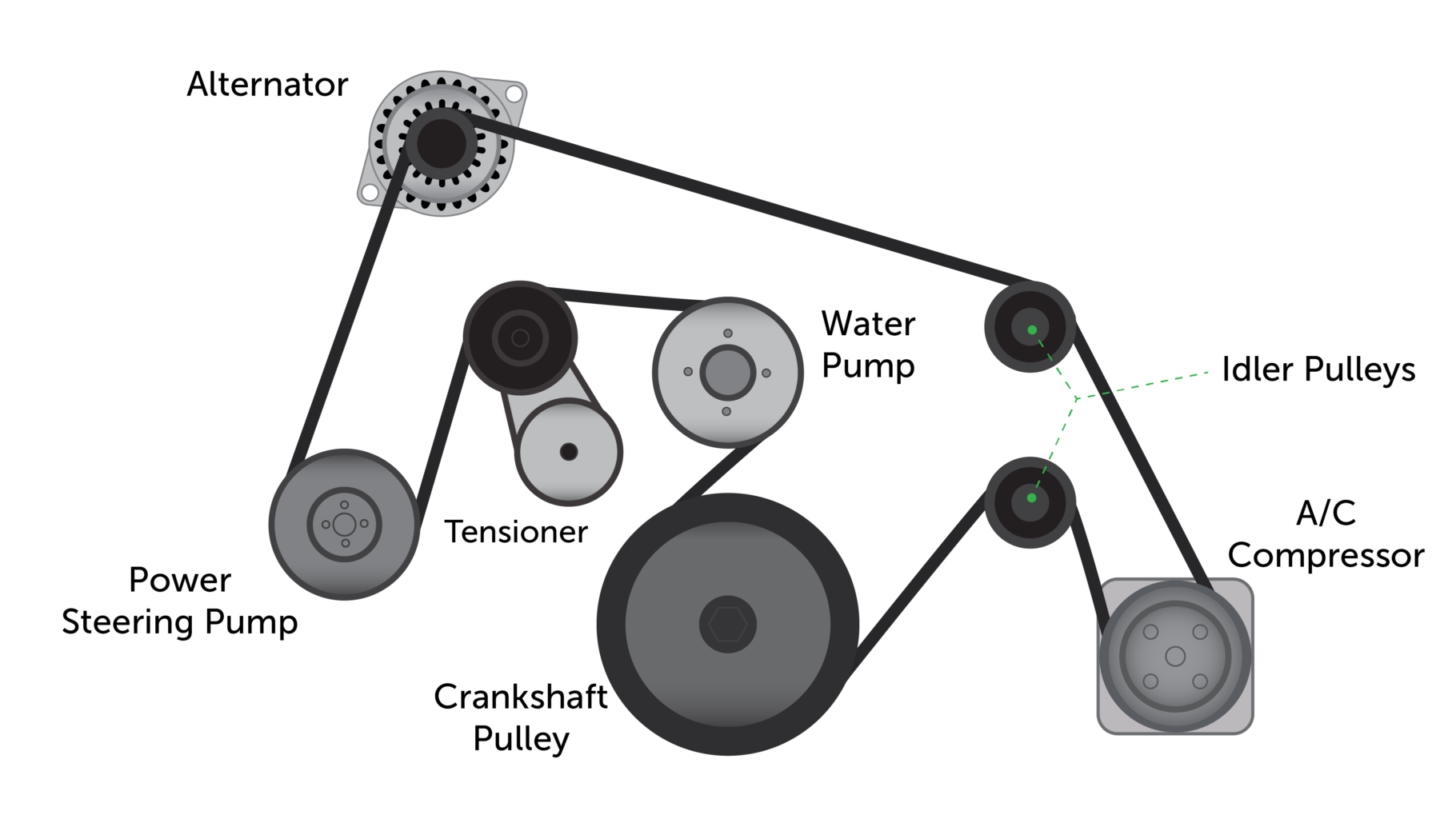
Cars usually have several pulleys. Each one connects to a specific component. This connection helps keep the car running smoothly. Below are the common types of pulleys found in cars.
Crankshaft Pulley
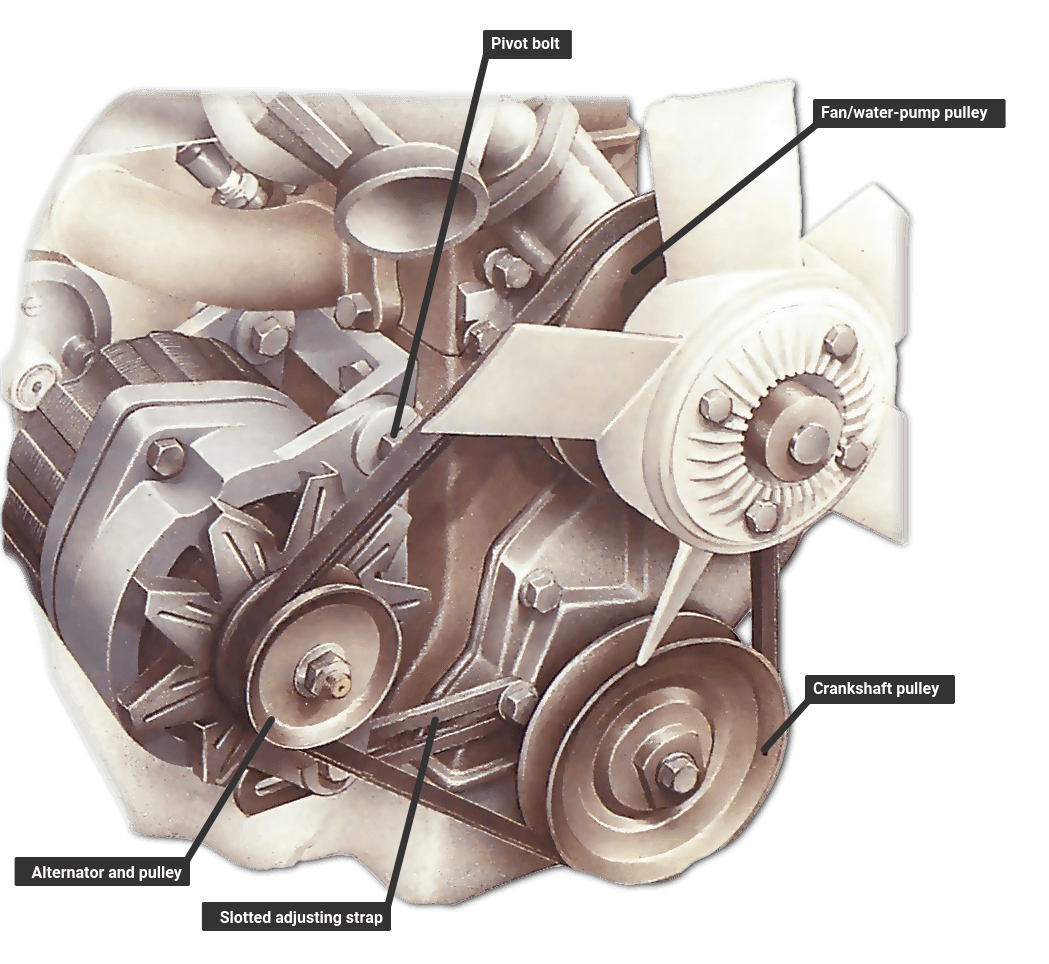
The crankshaft pulley is attached to the engine’s crankshaft. It drives the belts that power other pulleys. It is usually the largest pulley in the system. Its smooth rotation is vital for engine performance.
Idler Pulley
The idler pulley guides the belts and keeps them tight. It does not drive any component directly. Its main job is to maintain belt tension and alignment. This prevents belts from slipping or wearing out.
Tensioner Pulley
The tensioner pulley controls the belt’s tension automatically. It adjusts to keep the right tightness on the belt. This helps avoid belt damage and keeps smooth operation. It works with a spring or hydraulic system.
Alternator Pulley
The alternator pulley connects the belt to the alternator. It helps generate electricity to charge the battery. This pulley spins as the engine runs. It ensures the car’s electrical system stays powered.
Water Pump Pulley
The water pump pulley drives the water pump. This pump circulates coolant through the engine. It prevents the engine from overheating. The pulley’s smooth movement keeps the coolant flow steady.
Power Steering Pulley
The power steering pulley powers the steering pump. It helps make steering easier and smoother. The pulley moves with the engine belt. It ensures the steering system works well at all speeds.
Air Conditioning Pulley
The air conditioning pulley drives the AC compressor. It powers the system that cools the car’s interior. The pulley runs only when the AC is on. It helps keep the cabin comfortable in hot weather.
Typical Number Of Pulleys In A Vehicle
The typical number of pulleys in a vehicle varies depending on the type of car. Pulleys help drive essential parts like the alternator, power steering pump, and air conditioning compressor. Most vehicles use a belt system that loops around several pulleys to keep these parts working smoothly.
The total number of pulleys depends on the engine design and the accessories it powers. Some vehicles have more pulleys because they have more components to run. Others have fewer pulleys due to simpler setups. Understanding the typical pulley count helps in maintenance and repair.
Standard Passenger Cars
Most standard passenger cars have about four to six pulleys. These include the crankshaft pulley, tensioner pulley, and idler pulleys. The crankshaft pulley drives the belt system. The tensioner keeps the belt tight. Idler pulleys guide the belt around the engine parts.
This setup is enough to power the alternator, water pump, power steering, and air conditioner. The number can vary slightly based on the vehicle’s make and model. Simple engines often need fewer pulleys.
Performance Vehicles
Performance vehicles usually have six to eight pulleys. These cars have more accessories and stronger engines. Extra pulleys help manage higher power output and additional equipment. Examples include superchargers or advanced cooling systems.
More pulleys mean the belt system can handle extra loads. This setup ensures the car performs well under demanding conditions. Performance cars need pulleys designed to withstand more stress.
Trucks And Suvs
Trucks and SUVs often have five to seven pulleys. These larger vehicles have bigger engines and more accessories. Heavy-duty pulleys help run power steering, alternators, and air conditioning efficiently.
Some trucks may have even more pulleys for extra equipment like air compressors. Their pulley systems are built for durability and strength. This helps vehicles perform well on tough terrains and heavy loads.
How Pulleys Work Together
Pulleys in a car work as a team. They help power many parts of the engine. Each pulley has a role, but they depend on each other. This teamwork keeps the engine running smoothly. Understanding how pulleys work together helps us see their importance.
Belt Routing
The belt connects all pulleys in a set path. It moves over each pulley, transferring power. The path is planned to reach every part. Proper belt routing ensures each pulley turns correctly. A wrong path can cause slipping or damage.
Maintaining Tension
Tension keeps the belt tight on the pulleys. Too loose, and the belt may slip off. Too tight, and it can wear out parts fast. A tensioner pulley adjusts the belt’s tightness. This balance helps the system run without problems.
Synchronizing Components
Pulleys must turn in sync to work well. This timing keeps engine parts moving at the right speed. If one pulley slips or lags, it can cause engine trouble. Synchronizing pulleys avoids noise and wear. It keeps the engine parts aligned and safe.
Common Issues With Car Pulleys
Car pulleys play a key role in the engine’s operation. They help move belts that drive important parts like the alternator and water pump. Over time, pulleys can develop problems that affect your car’s performance. Knowing these common issues helps spot trouble early and avoid costly repairs.
Wear And Tear
Pulleys face constant friction and pressure. This causes their surfaces to wear down. Worn pulleys may not grip belts properly. This reduces the pulley’s ability to turn parts smoothly. Regular checks can catch wear before it causes bigger problems.
Noise Problems
Squealing or grinding sounds often come from pulley issues. Noise can mean a pulley bearing is failing or the belt is loose. Strange sounds signal the need for immediate inspection. Ignoring noise can lead to pulley damage and belt failure.
Misalignment
Pulleys must line up perfectly with the belt. Misalignment causes the belt to slip or wear unevenly. It puts stress on both the pulley and belt. Misaligned pulleys reduce engine efficiency and can break the belt.
Belt Slippage
Belt slippage happens when pulleys lose grip on the belt. It reduces power to parts like the alternator. Slippage causes poor engine performance and battery charging issues. Tightening or replacing the belt often fixes this problem quickly.
Maintenance Tips For Pulleys
Pulleys play a key role in a car’s engine system. Keeping pulleys in good shape helps the engine run smoothly. Regular maintenance prevents bigger problems and saves money. Here are some easy tips to maintain your car’s pulleys.
Regular Inspection
Check pulleys often for cracks, rust, or damage. Look closely at the grooves where the belts run. Make sure pulleys spin freely without noise or wobbling. Early detection avoids costly repairs later.
Replacing Worn Pulleys
Change pulleys that show signs of wear or damage. Worn pulleys can cause belts to slip or break. Use quality parts made for your car model. Proper replacement ensures the system works right.
Checking Belt Condition
Inspect belts for cracks, frays, or shiny spots. Belts in poor condition affect pulley performance. Replace belts that look old or damaged. Good belts keep pulleys turning smoothly and quietly.
Proper Belt Tension
Ensure belts have the correct tightness. Too loose or too tight belts harm pulleys and engine parts. Use a tension gauge or follow car manual instructions. Proper tension extends belt and pulley life.
Upgrading Pulleys For Better Performance
Upgrading pulleys in a car can improve engine efficiency and overall performance. Pulleys control the movement of belts that power different parts of the engine. By choosing better pulleys, you can reduce the load on the engine.
This leads to smoother operation and can even boost horsepower slightly. Many car enthusiasts upgrade pulleys to get better throttle response and engine sound.
Lightweight Pulleys
Lightweight pulleys are made from materials like aluminum or billet steel. They weigh less than stock pulleys, which reduces the engine’s rotational mass. This helps the engine spin faster and with less effort.
Less weight means quicker acceleration and improved fuel efficiency. Lightweight pulleys also give a cleaner look under the hood.
Performance Belt Systems
Performance belt systems include stronger, more durable belts designed for high stress. These belts grip better and last longer than standard belts. They reduce slippage, which keeps accessories like the alternator and water pump running efficiently.
Upgrading to a performance belt system ensures smooth power delivery to all engine parts. This upgrade complements lightweight pulleys well for optimal results.
Benefits Of Upgrades
Upgraded pulleys and belts reduce engine drag and improve power output. They help the engine run cooler by lowering resistance. This can extend the life of engine components.
Better performance often means improved fuel economy and a more responsive drive. These upgrades are simple and cost-effective ways to enhance your car’s performance.
Frequently Asked Questions
How Many Pulleys Are In A Typical Car?
A typical car has about 3 to 6 pulleys. These include the crankshaft, alternator, power steering, water pump, and air conditioning pulleys. The exact number depends on the car’s engine and accessory configuration.
What Is The Purpose Of Pulleys In A Car?
Pulleys transfer power from the engine to various components. They help drive the alternator, water pump, power steering pump, and air conditioning compressor. This ensures the car’s systems operate efficiently.
Do All Cars Have The Same Pulley Setup?
No, pulley setups vary by car model and engine design. Some cars have more accessories, requiring additional pulleys. Others may use different belt types or configurations to optimize performance.
Can A Car Run Without Its Pulleys?
No, cars cannot run properly without pulleys. Pulleys are essential for driving critical components. Without them, systems like cooling, charging, and steering would fail.
Conclusion
A car usually has several pulleys working together. Each pulley helps move parts like the alternator and water pump. These pulleys keep the engine running smoothly. Knowing how many pulleys a car has can help you understand your vehicle better.
It also helps in spotting problems early. Keep an eye on these parts to avoid bigger repairs. Simple care goes a long way in car maintenance. Understanding pulleys makes car care less confusing.