Manual Car Wash vs. Automatic Car Wash: Which Wins?
Choose manual car wash for soft paint, heavy road film, or dark cars with scratches; choose automatic only for weekly light dirt, and pick touchless when speed matters most. Pick the wrong method and you can leave swirl marks, miss salt in the lower body, or pay for washes that suit your calendar more than your car. This guide gives a decision matrix for paint condition, budget, and weekly driving patterns, plus when each wash type is the safer buy.
This guide is part of our Car cleaning and detailing guide series.
| Decision factor | Manual Car Wash | Automatic Car Wash | Winner |
|---|---|---|---|
| Paint safety | Best when done with the two-bucket method and microfiber towels | Touchless is gentler than brush-based; brush systems can add micro-scratches over time | Manual |
| Heavy grime removal | Best access to lower panels, wheel wells, trim, and stuck residue | Touchless can struggle with stubborn grime; brush tunnels do better but add risk | Manual |
| Speed | Usually 30 to 90 minutes | Often finishes in under ten minutes | Automatic |
| Cost pattern | DIY can be cheaper; professional hand washing may cost more than automatic | Usually cheaper because of economies of scale; subscription plans are common | Automatic |
| Best-fit use case | Leased cars, older clear coats, dark paint, ceramic-coated cars, winter cleanup | Weekly light dust, fast routine washes, drivers who want low effort | Tie |
Manual car wash vs. automatic car wash: the real trade-off
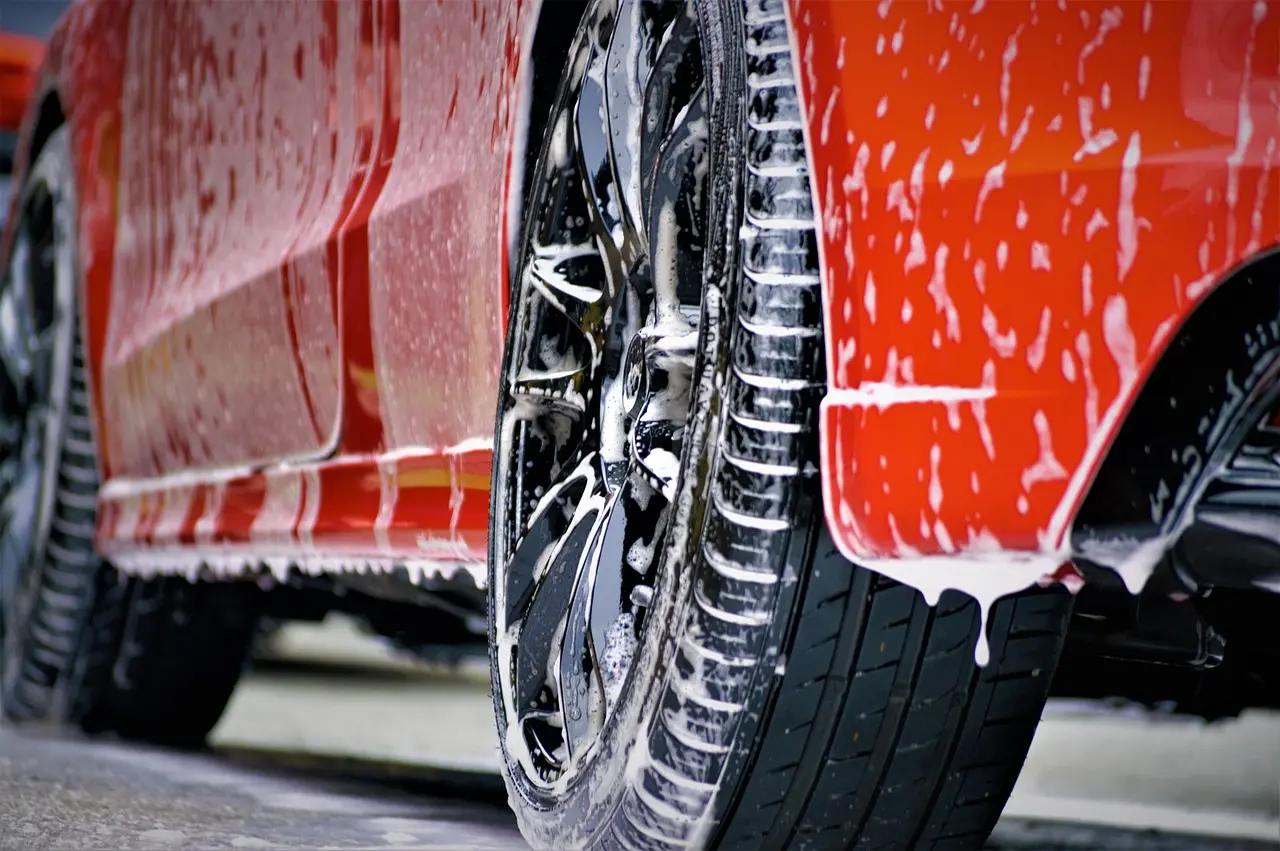


The real split is control versus speed. I can reach the dirt by hand, and that matters when the grime sits in seams, behind badges, or on lower panels that a quick pass leaves behind. Automatic washing gets the car presentable fast, with less work from the driver. The right answer changes with soil type, paint condition, and how much time the owner can spend.
What each method is trying to solve
Manual washing is better when the car needs careful attention at the edges, around badges, in wheel wells, and on lower panels where winter film and brake dust collect. Automatic washing is better for routine cleanup after normal commuting, especially when the goal is to remove light dust before it builds up.
Why the dirt on the car matters
Light road dust comes off differently than salt film, bug splatter, or muddy wheel wells. A system that is fine for weekly dust may miss hardened winter residue, and that missed material keeps grinding on the paint until it is removed.
According to nearestcarwash.com — Manual washing can take 30 to 90 minutes.
How each wash type works
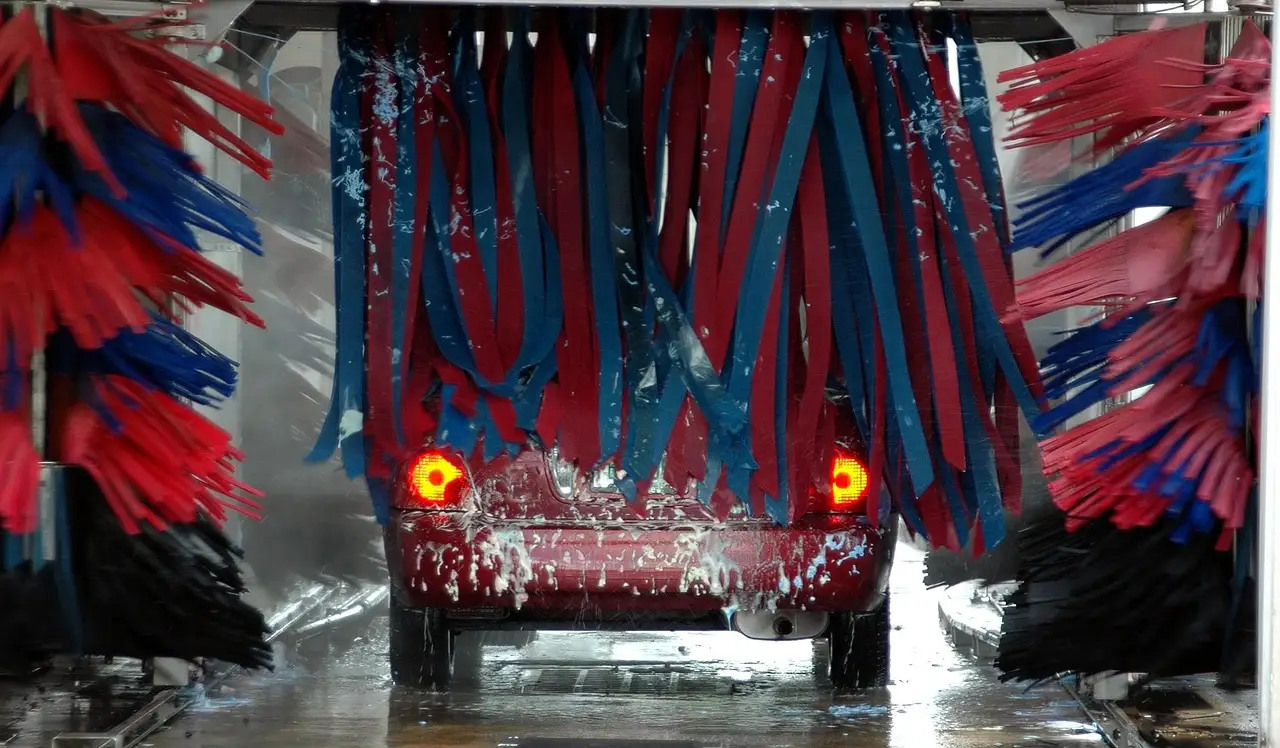
Automatic car wash systems mainly come in brush-based and touchless versions. Brush systems use rotating foam or cloth material to scrub the surface, while touchless systems rely on high-pressure water jets and chemical detergents. Many automatic washes finish fairly quickly, often in around ten minutes or less.
Automatic car wash: touchless vs. brush-based tunnel wash
A touchless wash skips brush contact, so it is usually gentler on paint than a brush tunnel. It cleans with water pressure and detergent, but it can struggle with stubborn grime. Brush-based tunnels can clean more aggressively, but poorly maintained equipment can leave micro-scratches over time.
Manual car wash: two-bucket method, microfiber, and detail access
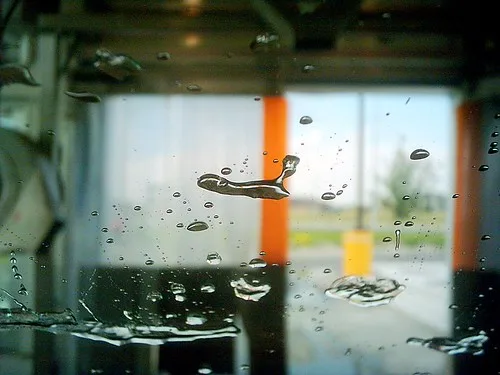
A safe hand wash should use the two-bucket method and microfiber towels or cloths. That setup keeps dirt out of the wash mitt path instead of dragging it back across the paint. Manual washing also gives control over door jambs, lower panels, wheel wells, and trim pieces.
What an express exterior wash gives you and what it leaves out
Express exterior wash sites are built for routine quick-clean service. They usually focus on outside surfaces and offer limited interior cleaning, so they are convenient for drivers who only need a fast exterior reset rather than a full cleanup.
- Rinse loose dirt before touching paint.
- Use separate wash and rinse buckets.
- Wash from cleaner panels to dirtier ones.
- Dry with clean microfiber towels.
- Finish the lower panels, wheel wells, and jambs last.
Which car wash is better for paint?
For paint safety, manual washing done correctly is usually the safer choice. Brush-based tunnels can introduce micro-scratches over time, and even a touchless wash can leave residue if it cannot break down the soil fully. Technique matters more than the label on the bay.
Clear coat, swirl marks, and micro-scratch risk
Clear coat is thin enough that repeated bad washing leaves visible swirl marks sooner than many owners expect. A brush tunnel that is poorly maintained can push grit across the surface, while a rushed hand wash with dirty towels can do nearly the same thing. Clean microfiber technique is what keeps the finish alive.
How paint type changes the decision
Ceramic-coated cars usually handle routine washing well, but the coating does not make poor technique harmless. Matte finishes are a special case because harsh rubbing and strong polishing behavior can change the look. Older clear coats need the most caution because they show wash damage faster.
Can an automatic wash clean heavy grime well enough?
Sometimes, but not always. Touchless systems are generally gentler on paint, but they can still struggle with stubborn grime, road film, salt, bug splatter, brake dust, and muddy wheel wells. A hand wash reaches the spots that automatic equipment tends to leave behind.
Where touchless washes fall short
Touchless wash chemistry and high-pressure water jets can remove loose contamination quickly, but they may leave behind the film that clings hardest to the car. That is common after winter driving, long highway trips, or a week of commuting through wet slush.
Where a hand wash catches what a tunnel misses
Manual washing is better when the job includes the lower body, wheel barrels, trim edges, and wheel wells. Those areas collect the dirt that turns into staining, corrosion risk, and ugly buildup if ignored for too long.
Speed, convenience, and weekly routine
Automatic washes are for drivers who want the fastest path from dirty to presentable. Manual washing is for owners who want more control and are willing to spend the time. If the car is washed every week, the time difference starts to matter as much as the cleaning result.
What works for commuters, garage owners, and winter drivers
A commuter with a garage and light dust can often live with an express exterior wash or a touchless pass. A winter driver with salted panels and dirty wheel wells usually needs manual attention more often. Garage storage helps, but it does not remove the need to clean film that builds after bad weather.
When subscription plans make sense
Subscription or pay-per-wash pricing changes the math for automatic washes. If a driver washes often and only needs an exterior reset, monthly plans can be efficient. If the car needs careful cleanup only once in a while, paying per wash may be the smarter choice.
Cost, subscriptions, and break-even math
Automatic washes are often cheaper because they can benefit from scale and higher throughput. Professional hand washing may cost more than an automatic wash, while DIY hand washing can be the cheapest if the owner already has buckets, soap, microfiber cloths, and a safe place to work. The break-even point depends on how often the car gets cleaned.
Per-wash pricing versus monthly plans
Express exterior wash sites often push monthly plans because frequent users lower their average cost per visit. That works best for daily drivers with routine dust, not for neglected cars that need a deeper cleanup. Paying for the wrong plan can feel cheap and still waste money.
When a professional detailer is the better buy
A professional detailer makes sense when the car has heavy contamination, neglected paint, or trim that needs careful treatment. The service is slower and more expensive than an automatic wash, but the result can justify it when the vehicle matters for resale value or lease return condition.
Water use and runoff: what actually matters
Environmental impact depends on more than the wash label. Commercial washes often recycle water and use it efficiently, and they may collect wastewater rather than sending it straight into a driveway drain. At-home washing can use less water depending on technique, but it can also create runoff trouble where local restrictions are strict.
Commercial reclamation versus home washing
Commercial water recycling systems are built to capture, filter, and reuse part of the wastewater stream. That makes sense for high-volume sites. Home washing, by contrast, depends on the owner’s method and the local drainage setup, which is why one neighborhood may allow it while another does not.
Why weather and local rules change the answer
Modern automatic car washes can work in any weather, which helps drivers who cannot wait for a dry weekend. In some areas, runoff rules make home washing a poor choice even if the owner is careful. Local restrictions can settle the question before preference does.
Choose Manual Car Wash if… / Choose Automatic Car Wash if…
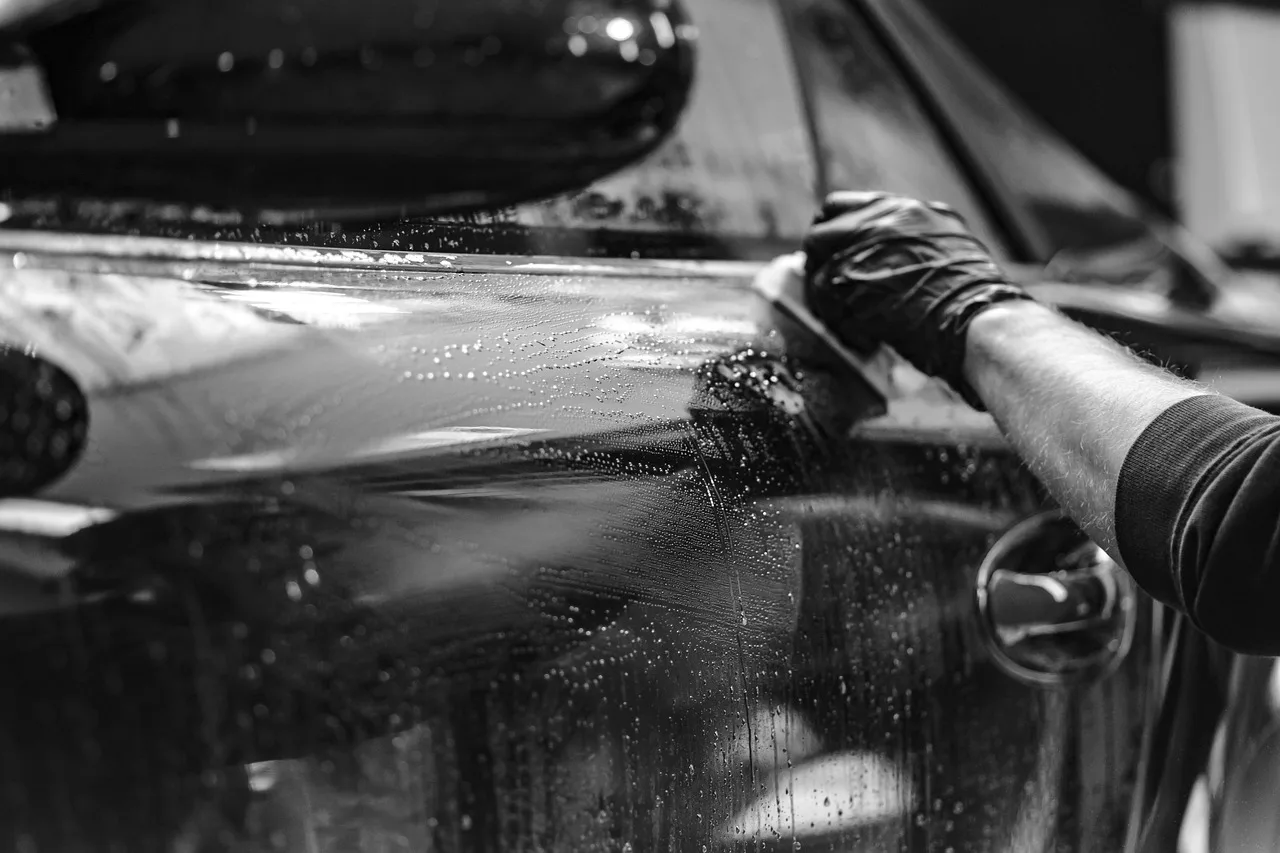
Choose manual washing if the car has soft paint, dark paint with visible marks, older clear coat, ceramic coating that deserves careful upkeep, or winter grime on lower panels and wheel wells. Choose automatic washing if the car is driven daily, needs a fast reset, and usually carries only light dirt. Touchless is the better automatic choice when paint safety matters more than perfect cleaning.
| Driver profile | Manual Car Wash score | Touchless Automatic score | Brush Automatic score | Best fit |
|---|---|---|---|---|
| Leased car owner who wants a clean return | 5/5 | 4/5 | 2/5 | Manual |
| Daily commuter with light dust and tight schedule | 3/5 | 5/5 | 4/5 | Touchless automatic |
| Winter driver with salt film and muddy wheel wells | 5/5 | 2/5 | 3/5 | Manual |
| Ceramic-coated car with regular maintenance | 4/5 | 5/5 | 2/5 | Touchless automatic |
| Older clear coat or dark paint with visible swirl marks | 5/5 | 4/5 | 1/5 | Manual |
Quick rule for leased cars, daily drivers, and neglected winter cars
Leased cars should lean manual or touchless, because finish condition matters at turn-in. Daily drivers can use a touchless or express exterior wash when the goal is speed. Neglected winter cars need a manual wash first, then a lighter automatic routine later to keep buildup under control.
Frequently asked questions
manual car wash vs automatic car wash
Manual washing is the safer pick when paint condition and detail matter, because it gives more control over contamination and access to problem areas. Automatic washing is better when speed and routine matter more than reaching every corner. The right answer depends on dirt type, finish condition, and how often the car gets cleaned.
hand wash vs automatic car wash
A hand wash is usually better for paint care if it uses clean microfiber, the two-bucket method, and careful drying. Automatic washing is better for convenience and frequent upkeep. For cars with winter film, bug residue, or older clear coat, hand washing usually wins on results.
automatic vs manual car wash
Automatic washing wins on time and consistency, especially for light dirt. Manual washing wins on access, control, and the ability to clean lower panels, wheel wells, and trim pieces properly. Drivers who value finish condition usually favor manual; drivers who value routine speed usually favor automatic.
is automatic car wash good
Yes, automatic washing is good for quick maintenance, especially when a car only has light dirt and the owner needs a fast exterior reset. Touchless systems are usually gentler than brush tunnels, while brush-based systems clean more aggressively but can raise swirl-mark risk if maintenance is poor.
which car wash is better for paint
Manual washing done correctly is usually better for paint, because the owner controls the contact points and can reduce contamination transfer. Touchless automatic washing comes next for convenience and reduced contact. Brush-based tunnels are the least friendly to paint when they are poorly maintained.
which car wash is cheaper
Automatic washing is usually cheaper than professional hand washing because the site can spread costs across many cars. DIY manual washing can be cheaper than both if the driver already owns the supplies and has time. Monthly plans can be a bargain only when the car is washed often enough to use them.
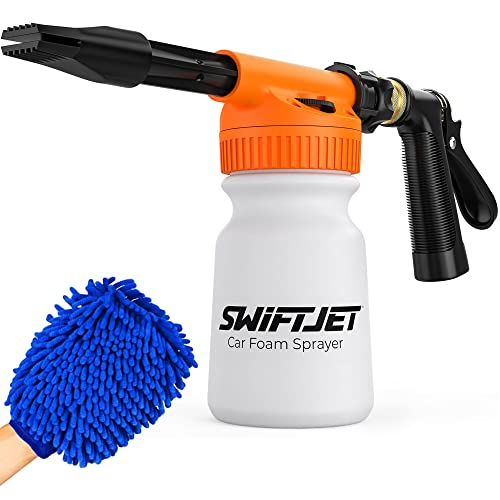
Products related to this article
Sponsored / affiliate links. As an Amazon Associate I earn from qualifying purchases. I may earn additional commission from eligible campaigns.