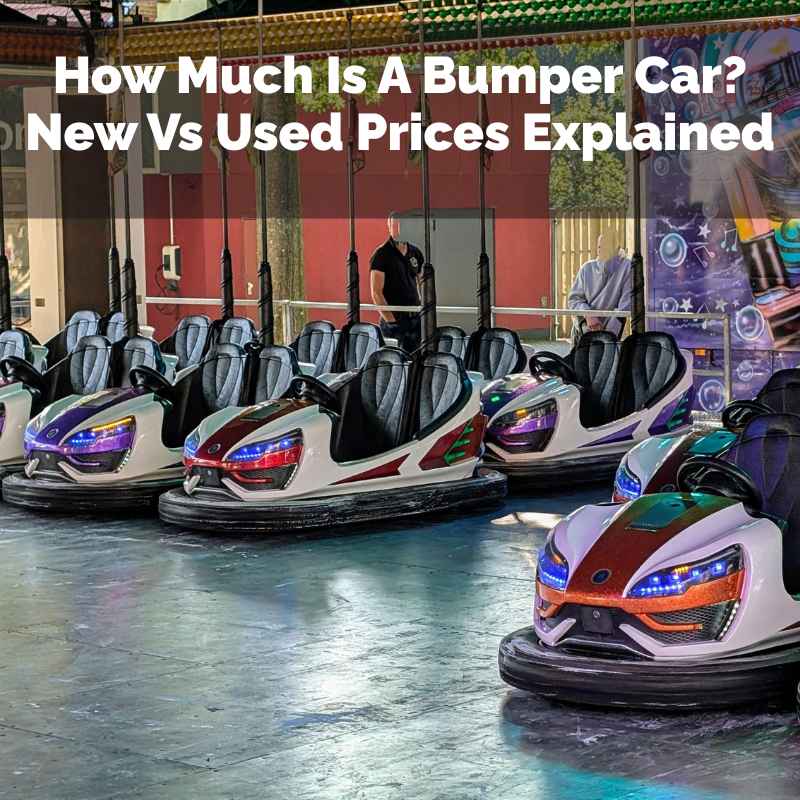
How Much Is A Bumper Car? New Vs Used Prices Explained
The price of bumper cars varies widely. New electric bumper cars for commercial use can range from $8,000 to $30,000 per unit, or even more for advanced models. Used bumper cars are significantly cheaper, often found for $2,000 to $8,000 each. Home-use electric bumper cars are much less, starting around $500 to $2,000 for a set. Costs depend on type, condition, features, and seller.
Understanding Bumper Car Costs
Bumper cars are not like buying a regular toy. They are often serious pieces of equipment. This means the price tag can be quite high.
Several things make the price go up or down. We need to look at these factors carefully.
The main difference is between new bumper cars and used bumper cars. New ones cost a lot more. But they come with a warranty and the latest tech.
Used ones are cheaper. But you have to be more careful about their condition.
Then there’s the type of bumper car. Are we talking about big ones for a fairground? Or smaller ones for your home?
This makes a huge difference. The power source also matters. Are they battery-powered?
Or do they need a special floor or ceiling system?
New Bumper Cars: The Premium Price Tag
When you buy a brand-new bumper car, you’re getting the best. You get the newest designs. You get the latest safety features.
Plus, you get a guarantee. This makes them very appealing. But they come with a higher cost.
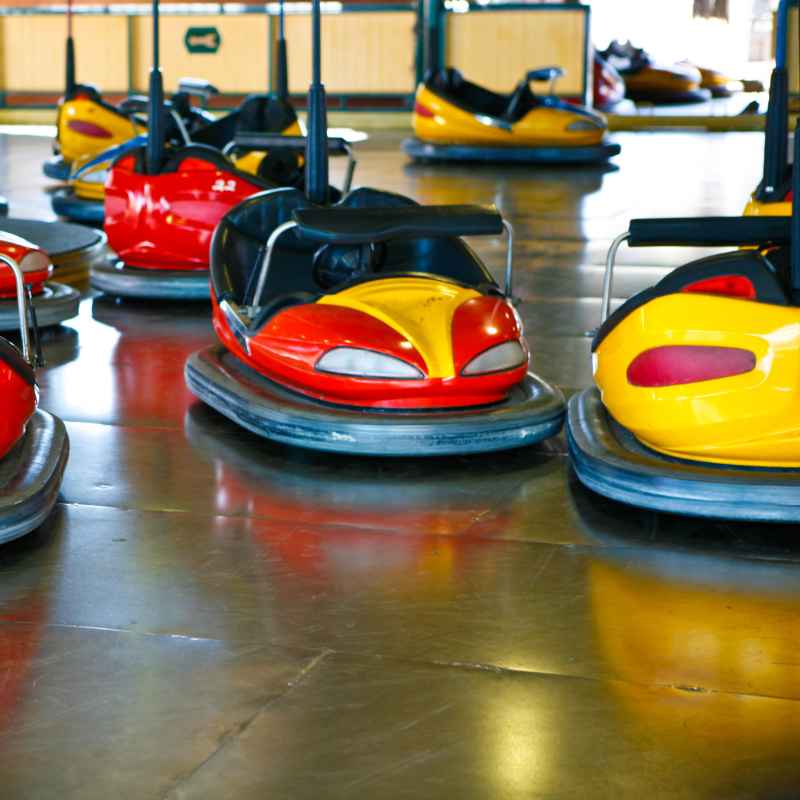
For commercial amusement parks or arcades, new electric bumper cars are the norm. These are built tough. They are made to handle lots of use.
They often have special features. Think about things like LED lights. Some have sound systems.
Others have built-in charging systems.
A single new commercial bumper car can cost anywhere from $8,000 to $30,000. Yes, you read that right. Some top-of-the-line models can even go higher.
This price is for one car. If you want a whole set, the cost adds up very fast. For a small park, you might need 10 or 12 cars.
That’s a huge investment.
The price isn’t just for the car itself. It includes the engineering. It includes the materials used.
It includes the research and development. It also includes the warranty. This warranty gives you peace of mind.
If something breaks soon after you buy it, the company will fix it.
Let’s think about what goes into that price. Manufacturers use strong metals. They use durable plastics.
They install reliable electric motors. They add advanced control systems. These are all high-quality components.
They are built to last and be safe.
Some new bumper cars are also designed with unique themes. You might see car shapes, animal shapes, or even spaceship shapes. These custom designs add to the cost.
The more unique and specialized the car, the more you will pay.
It’s also worth noting that the location of manufacture can affect the price. Cars made in countries with higher labor costs might be more expensive. However, they might also offer better quality control.
What Influences New Bumper Car Prices?
- Brand Reputation: Well-known brands often charge more.
- Features: Lights, sounds, special effects increase cost.
- Material Quality: Heavy-duty steel and premium plastics cost more.
- Design Customization: Unique shapes or themes add expense.
- Power System: Battery vs. grid-powered can impact price.
- Warranty: Longer or more comprehensive warranties may be pricier.
Used Bumper Cars: The Budget-Friendly Option
Now, let’s talk about used bumper cars. These are a great choice if you’re on a tighter budget. They can offer a lot of fun for much less money.
But you need to be smart when buying them.
Used bumper cars can be a fraction of the price of new ones. You might find them for around $2,000 to $8,000 per car. This is a big saving.
This makes them accessible for smaller businesses. Or for people who want to start a small amusement area.
Where do you find used bumper cars? You can look at online marketplaces. You can check with amusement equipment dealers.
Sometimes, parks sell off older models when they upgrade. This is a good way to find them.
When you buy used, the condition is key. You need to inspect them very carefully. Look for any signs of damage.
Are there dents or cracks? Check the tires. Are they worn out?
How old are the batteries, if they are electric?
You should also ask about the history of the cars. How often were they used? Were they maintained well?
Was any major repair work done? The more information you have, the better decision you can make.
The sellers of used bumper cars are often individuals or smaller companies. They might not offer a formal warranty. You might be buying them “as is.” This means you accept them in their current condition.
This is why checking them thoroughly is so important.
Consider the age of the used cars. Older models might not have the latest safety features. They might also be harder to find parts for if something breaks.
This is a risk you take with used equipment.
However, if you find a good set of used bumper cars, they can be a fantastic deal. You get the thrill of bumper cars without the huge initial cost. Just be prepared to put in some effort to check them out.
Pros and Cons of Used Bumper Cars
Pros:
- Lower Cost: Significantly cheaper than new models.
- Accessibility: Makes bumper cars more affordable for startups.
- Good Value: Can find well-maintained cars for a bargain.
Cons:
- No Warranty: Often sold as-is, requiring immediate repairs.
- Wear and Tear: May have existing damage or require maintenance.
- Limited Features: Older models might lack modern safety or tech.
- Part Availability: Finding replacement parts can be difficult.
Home-Use Bumper Cars: A Different Ballgame
It’s important to note that there are also bumper cars made for home use. These are very different from the ones at amusement parks. They are much smaller and simpler.
They are designed for children to play with indoors.
These home-use bumper cars are usually electric. They are often sold in sets. A common setup might be two cars.
They run on rechargeable batteries. They don’t need a special floor or ceiling.
The cost for these is much, much lower. You can often find a set of two home bumper cars for about $500 to $2,000. This is a price that many families can afford.
It’s a fun addition to a playroom or basement.
These cars are usually made of plastic. They have soft, padded bumpers. They are designed for safety.
The speed is also much slower than commercial cars. They are more like a fun, indoor ride-on toy.
When buying these, you still want to check reviews. Look for ease of assembly. See how long the batteries last.
Consider the size to make sure they fit your space.
Home-Use Bumper Cars at a Glance
- Price Range: $500 – $2,000 for a set.
- Target User: Primarily children for indoor play.
- Power: Rechargeable batteries.
- Materials: Mostly plastic with soft bumpers.
- Safety: Lower speeds and padded design.
Factors Affecting the Price of Bumper Cars
We’ve touched on a few things, but let’s dive deeper into what makes bumper car prices change. Understanding these can help you make a better decision when you’re looking to buy.
1. Type of Power System: This is a big one. There are a few main types of bumper cars.
- Electric Floor System: These cars get power from metal squares on the floor. This is common in older amusement parks. The floor itself is a major installation cost. The cars are often simpler and cheaper. But the overall setup is very expensive.
- Overhead Grid System: Here, power comes from a grid on the ceiling. Metal poles on the cars connect to the grid. This is also a complex installation. The cars themselves might be more expensive.
- Battery-Powered: These are the most common for modern parks and for home use. They run on rechargeable batteries. They offer the most flexibility. Installation is minimal. The cars themselves are often more expensive because they contain batteries and charging systems.
Battery-powered systems are generally the most flexible. They also tend to be the standard for new commercial models. The cost of high-capacity batteries can be significant.
2. Number of Cars in a Set: If you’re buying for a business, you usually need more than one car. The more cars you buy, the higher the total cost.
However, sometimes sellers offer discounts for bulk purchases. So, buying a set of 6 or 10 might bring the per-car price down slightly.
3. Condition and Age (for Used Cars): As we discussed, a used car’s price depends heavily on its condition. A car that has been well-maintained and looks almost new will cost more than one that is visibly worn or has been used heavily.
4. Brand and Manufacturer: Just like any product, some brands are known for higher quality. They might use better materials or have a more robust design.
These premium brands will likely charge more. Newer manufacturers might offer lower prices to enter the market.
5. Location and Shipping: Where the bumper cars are made matters. Shipping costs can also be a big factor.
If you’re buying from a manufacturer overseas, the cost of transport can add thousands of dollars to the final price. Local dealers might have higher prices but cheaper shipping.
6. Customization and Special Features: Do you want cars that light up in different colors? Do you want them to play music?
Do you want a specific design or theme? Any extra customization will increase the price. These features add to the manufacturing complexity and cost.
7. Installation and Ancillary Equipment: For commercial setups, the price doesn’t end with the cars. You often need to buy or build a bumper car arena.
You might need a control booth. You might need charging stations. You might need safety barriers.
All these add to the total investment.
Cost Breakdown for a Bumper Car Setup
Bumper Cars (per unit):
- New Commercial: $8,000 – $30,000+
- Used Commercial: $2,000 – $8,000
- New Home Use (set of 2): $500 – $2,000
Ancillary Costs (Estimates for Commercial):
- Arena Flooring/Construction: $10,000 – $50,000+
- Control System: $1,000 – $5,000
- Charging Stations: $500 – $2,000
- Safety Barriers: $2,000 – $10,000
- Shipping: Varies greatly by distance and quantity
My Own Bumper Car Scare
I remember a time when I was helping a friend look at buying some used carnival rides. This was maybe ten years ago. He had a small local fair he ran every summer.
He wanted to add something new and exciting. He spotted a listing for a set of used bumper cars. They looked pretty good in the pictures.
The price seemed almost too good to be true.
We drove out to see them. They were stored in a dusty old barn. The owner was a gruff man who just wanted them gone.
As we got closer, I saw rust spots. One of the “bumpers” looked like it had been repaired with duct tape. The seats were ripped.
The tires were flat.
My friend was still excited. He saw the fun potential. But I saw a money pit.
We asked about the batteries. He just shrugged and said, “They need new ones.” He didn’t know how old the motors were. He didn’t have any service records.
It was clear these cars needed a lot more than just new batteries.
I told my friend, “Look, the sticker price is low, but what will it cost to fix them up? And how long will they even last after you spend all that money?” He started to get a bit deflated. We ended up walking away from that deal.
It saved him a lot of headaches and money in the long run. It taught me that with used rides, the hidden costs can be the real killer.
Commercial Bumper Cars: What You Need to Consider
If you’re thinking about buying bumper cars for a business, this is a serious investment. You need to think beyond just the sticker price of the cars themselves. You need a holistic view.
1. Target Audience and Venue: Who are you trying to attract? Is it families with young kids?
Teenagers? Adults? The type of bumper car and the design of the track will depend on this.
A small indoor arcade might use smaller, battery-powered cars. A large outdoor amusement park might need more robust, grid-powered cars.
2. Space Requirements: Bumper cars need space. Not just for the cars themselves, but for the track or arena.
You also need space for people to queue up. And you need space for safety zones. Measure your available area carefully.
Some manufacturers offer design services to help you maximize your space.
3. Safety Regulations: Amusement rides are heavily regulated. You need to make sure your bumper cars meet all safety standards.
This includes things like seat belts, padding, speed limits, and emergency stop buttons. Check with your local authorities for specific requirements.
4. Maintenance and Repair: Bumper cars take a beating. They will need regular maintenance.
This includes cleaning, checking tires, inspecting electrical connections, and battery care. You need to budget for ongoing repairs. And you need to have a plan for when something breaks.
Can you get parts easily? Do you have someone qualified to fix them?
5. Operational Costs: Beyond the purchase price, think about electricity costs. If you use battery-powered cars, charging them uses electricity.
If you use grid-powered cars, you’re drawing power constantly. You also need to consider staffing. Who will supervise the ride?
Who will collect tickets or fees?
6. Insurance: Operating any kind of amusement ride requires substantial insurance. This protects you in case of accidents or injuries.
The cost of insurance can be significant, so factor it into your budget.
7. Return on Investment (ROI): How long will it take to make your money back? This depends on ticket prices, how many people ride, and your operational costs.
A well-placed and well-marketed bumper car attraction can be very profitable.
Key Questions for Commercial Bumper Car Buyers
- What is my budget for the entire setup, not just the cars?
- What is the available space, and how can I optimize it?
- What are the local safety regulations for amusement rides?
- How will I handle maintenance, repairs, and spare parts?
- What are the ongoing operational costs (electricity, staff, insurance)?
- What is my projected return on investment?
Real-World Bumper Car Scenarios
Let’s look at how bumper cars are used in different places. This can give you a better idea of the costs involved.
Scenario 1: A Large Amusement Park
A big park needs a fleet of high-quality bumper cars. They might buy 20 new cars. Each car costs around $20,000.
That’s $400,000 just for the cars. They will also need a large, custom-built arena, likely with an overhead grid system. This could cost another $100,000 to $200,000.
They’ll have staff to run it and engineers for maintenance. The total investment would be well over half a million dollars.
Scenario 2: An Indoor Family Entertainment Center (FEC)
An FEC might buy 10 new battery-powered bumper cars. These might be slightly less powerful and feature-rich, costing about $15,000 each. That’s $150,000 for the cars.
They’ll need a dedicated space, maybe 50×100 feet, with a durable floor. This arena might cost $30,000 to $50,000. They’ll have attendants and charging stations.
The total cost might be around $200,000 to $250,000.
Scenario 3: A Small Traveling Carnival
A small carnival might look for used bumper cars. They might buy 6 used cars for $5,000 each. That’s $30,000.
These cars would likely be battery-powered and might need some refurbishment. They might have a portable arena setup that they can move. This could add another $10,000 to $20,000.
Their total investment might be $40,000 to $50,000, but with significant risk regarding the condition of the used cars.
Scenario 4: A Home Playroom Enthusiast
Someone who loves the idea of bumper cars for their kids might buy a set of two home-use cars. These cost around $1,000. They just need a smooth floor space.
The total cost is under $1,000. It’s a fun addition for family entertainment.
Bumper Car Cost Comparison: Different Scales
Scale: Large Amusement Park
Cars: 20 New
Estimated Cost: $400,000+
Scale: Indoor FEC
Cars: 10 New Battery-Powered
Estimated Cost: $150,000 – $250,000
Scale: Small Traveling Carnival
Cars: 6 Used (Refurbished)
Estimated Cost: $40,000 – $50,000
Scale: Home Use
Cars: 2 Battery-Powered Set
Estimated Cost: $500 – $2,000
What This Means for You
So, what’s the takeaway? The price of bumper cars really depends on what you want them for.
If you’re a business owner: Buying bumper cars is a big financial step. You must do your homework. Get quotes from multiple suppliers for new cars.
If you consider used, inspect them thoroughly. Factor in all the extra costs like the arena, maintenance, and insurance. It’s not just about the car price.
If you’re a parent: Home-use bumper cars offer a much more affordable way to bring the fun home. They are safe for kids. They don’t require a huge setup.
Look for sets with good reviews. Check battery life and durability.
If you’re just curious: Now you know why the cars at the fair seem so expensive! They are commercial-grade machines. They are built to be tough and provide hours of entertainment.
The cost reflects that durability and engineering.
Always remember to consider the total cost of ownership. This includes the initial purchase, shipping, installation, maintenance, repairs, and operational expenses. This will give you a more accurate picture of the true investment.
Quick Fixes and Tips for Bumper Car Enthusiasts
While this article is mostly about the cost of purchasing bumper cars, here are a few quick tips if you’re looking to maintain or enjoy them.
- For Home Use: Keep the charging cables tidy. Clean the cars regularly to prevent dust buildup in the motors. Store them away from extreme temperatures.
- For Used Commercial Cars: Always budget for repairs. Have a list of reliable mechanics or technicians who can service amusement rides. Don’t skimp on safety checks.
- For New Commercial Cars: Follow the manufacturer’s maintenance schedule strictly. This will help ensure your investment lasts longer and remains safe for riders.
Frequently Asked Questions About Bumper Car Prices
How much does a single commercial bumper car cost?
A single new commercial bumper car can range from $8,000 to $30,000 or more. Used commercial bumper cars typically cost between $2,000 and $8,000.
Are home bumper cars expensive?
No, home bumper cars are much more affordable. A set of two for children usually costs between $500 and $2,000.
What is the most expensive part of a bumper car setup?
For commercial setups, the bumper cars themselves are often the most expensive single item, but the custom-built arena or track can sometimes exceed the cost of the cars, especially for large installations.
Do bumper cars need a special floor or ceiling?
It depends on the power system. Cars powered by an electric floor system need a specially designed floor. Cars powered by an overhead grid system need a metal grid on the ceiling.
Battery-powered cars do not need special flooring or ceiling infrastructure.
Are there hidden costs when buying used bumper cars?
Yes, absolutely. Hidden costs can include repairs, new batteries, replacement parts, refurbishment materials, and potentially increased shipping costs if they are not local.
What factors influence the price of new bumper cars the most?
The primary factors are the quality of materials and construction, the type of power system (battery vs. grid), added features like lights and sound, and any custom design requests.
Conclusion
So, when you ask “How much is a bumper car?”, the answer is anything but simple. It’s a journey from a few hundred dollars for a backyard toy to hundreds of thousands for a commercial attraction. Weigh your needs carefully.
Consider your budget realistically. And remember that quality and safety often go hand-in-hand with price. Happy bumping!
Products related to this article
Sponsored / affiliate links. As an Amazon Associate I earn from qualifying purchases. I may earn additional commission from eligible campaigns.