How Much Is a Water-Powered Car? Real Hydrogen Costs Explained
No, a car cannot run on plain water alone – splitting water into hydrogen and oxygen (electrolysis) always takes more energy than burning that hydrogen gives back, so a device that turns water into free fuel would break the law of conservation of energy. What people usually mean by a “water-powered car” is a real hydrogen fuel cell vehicle (FCV), like the Toyota Mirai or Hyundai Nexo, which carry compressed hydrogen gas in a tank and emit only water vapor. A new Mirai starts around $51,795, and hydrogen fuel itself runs about $30 to $36 per kilogram in California, the state with the most refueling stations.
What People Actually Mean by a “Water-Powered Car”
No car on the road runs on water by itself. When you see the phrase “water-powered car,” it almost always refers to one of two real things: a hydrogen fuel cell vehicle, or an aftermarket device that claims to add hydrogen made from water to a gasoline engine. Only the first one is legitimate technology.
Hydrogen fuel cell cars carry hydrogen gas in a pressurized tank, not water. Inside the car, a fuel cell combines that hydrogen with oxygen from the air to generate electricity, which then drives an electric motor – the same basic idea as a battery-electric car, except the electricity is made on board instead of stored in a battery. The only thing that comes out of the tailpipe is water vapor, which is why people shorten it to “runs on water.”
The other meaning – a car that generates its own hydrogen from water while you drive and burns that hydrogen for free extra power – is not real. Producing hydrogen from water takes an electrical input (from the car’s own alternator or battery), and that input always costs more usable energy than the hydrogen gives back when it burns. There is no way around this; it is basic thermodynamics, not a matter of better engineering.
The Real Science: How Hydrogen Fuel Cell Cars Work
A hydrogen fuel cell vehicle has three main components: a high-pressure hydrogen tank (usually 700 bar), a fuel cell stack, and a battery that buffers power for acceleration. The fuel cell does not burn hydrogen like an engine burns gasoline. Instead, it runs an electrochemical reaction – hydrogen and oxygen combine across a membrane, producing electricity, heat, and water vapor, with no combustion and no exhaust emissions.
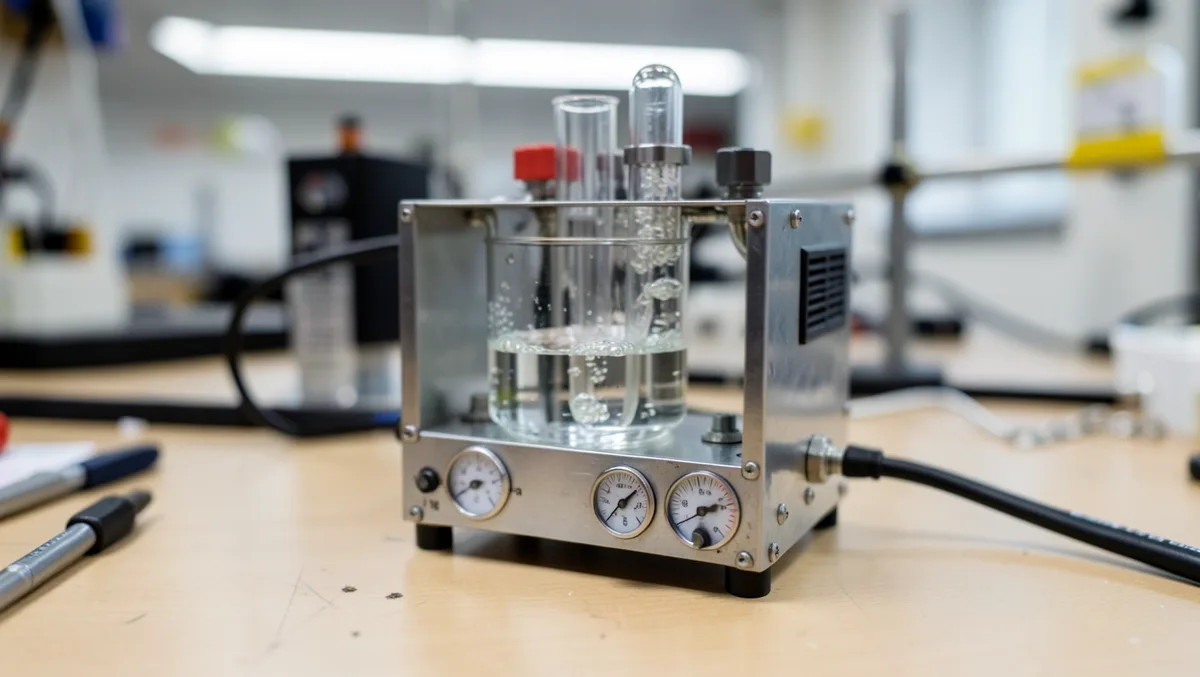
The hydrogen itself has to come from somewhere before it ever reaches the tank. Today, about 95 percent of hydrogen produced in the U.S. comes from natural gas through a process called steam methane reforming, not from splitting water. Electrolysis – using electricity to split water into hydrogen and oxygen – is the “greener” production method, but it is more expensive and less common, because it needs a large, steady supply of clean electricity to make economic sense.
This is also where the 1970s and 1980s “water car” hoaxes fell apart. The best-known case, inventor Stanley Meyer’s “water fuel cell,” claimed his device split water using far less energy than standard electrolysis requires and used the hydrogen to run a car engine at little to no net energy cost. His investors sued him in 1996, and a U.S. court found the claims fraudulent. No peer-reviewed evidence has ever shown a device that generates more usable energy from water than it consumes to split it.
Why Hydrogen Fuel Cell Cars Are Not Mainstream Yet
Hydrogen fuel cell technology is real, but three practical problems keep it niche: refueling infrastructure, production cost, and public confusion with the water-fuel hoaxes described above. There are only a few dozen public hydrogen stations in the entire U.S., almost all of them in California, so an FCV is close to useless outside a handful of metro areas.
Public skepticism does not help either. Decades of debunked “run your car on water” claims – and modern aftermarket kits that make similar promises – have made many people assume any “water car” story is a scam. If you are curious about exactly why building a car that truly runs on water alone is impossible, see our deeper breakdown in How to Build a Car That Runs on Water: Myth vs. Reality. Real hydrogen fuel cell cars, by contrast, are certified, mass-produced vehicles sold by Toyota and Hyundai – the technology itself is not the hoax, the “free water fuel” version of the story is.
How Much Does a Hydrogen Fuel Cell Car Actually Cost?
There are two very different price categories people lump into “water-powered car”: a real, factory-built hydrogen fuel cell vehicle, and an aftermarket “hydrogen-on-demand” kit bolted onto a regular gas car. Only the first is a legitimate purchase.
Hydrogen Fuel Cell Vehicles (FCVs)
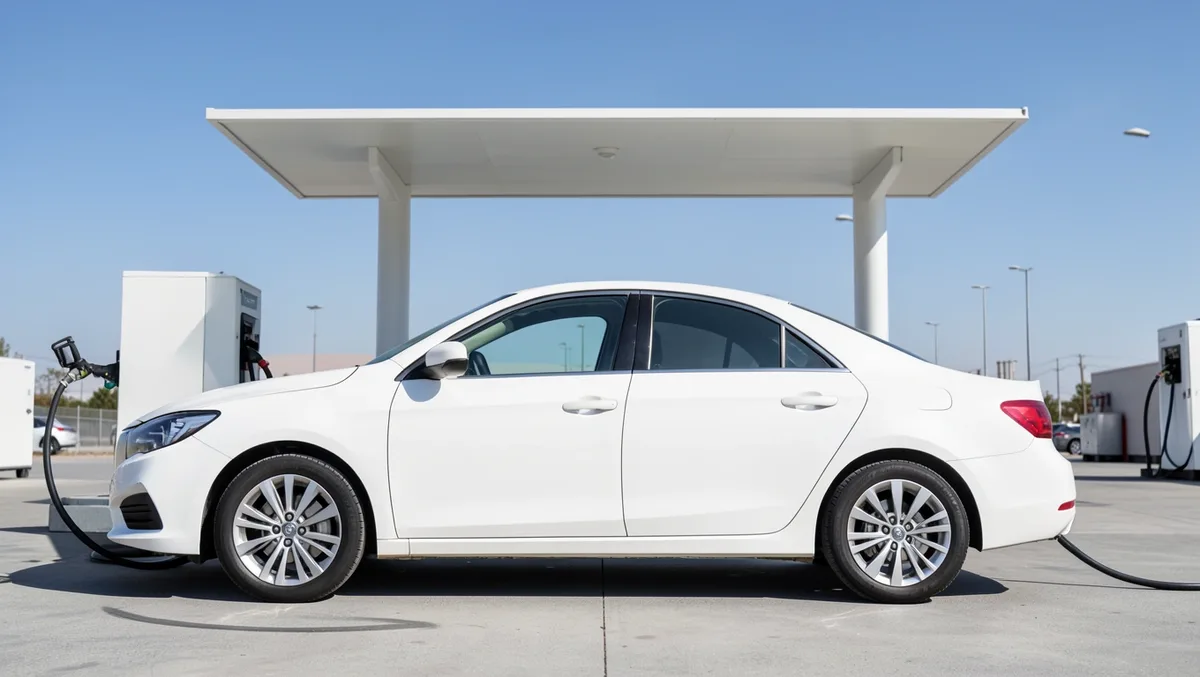
As of 2026, only two hydrogen fuel cell cars are sold new in the U.S.: the Toyota Mirai and the Hyundai Nexo. Honda’s Clarity Fuel Cell, which used to appear in older cost comparisons, was discontinued in August 2021 and is only available used.
| Vehicle | Price | Notes |
|---|---|---|
| Toyota Mirai | ~$51,795 new (XLE trim) | Aggressive California dealer discounts have brought some listings down to roughly $17,000-$20,000, and new Mirai purchases include a large complimentary fuel allowance. |
| Hyundai Nexo | ~$60,000-$65,000 new | A redesigned next-generation Nexo was unveiled in 2025 with a global launch planned for 2026; mostly sold in California and a few other hydrogen-station markets. |
| Honda Clarity Fuel Cell | Discontinued (used only) | Production ended in August 2021. Only available on the used market, typically well under $30,000. |
Used Mirais can be found for well under $25,000 once the original owner’s complimentary fuel allowance runs out, since resale values drop fast on a car few buyers can refuel outside California. The sticker price is also just the starting point – fuel, maintenance, insurance, and incentives all move the real cost of ownership up or down.
So-Called “Hydrogen-On-Demand” (HOD) Kits: Buyer Beware
Some aftermarket sellers market “hydrogen-on-demand” or “HHO” kits that bolt onto a regular gasoline engine, use the car’s own electrical system to split water into hydrogen and oxygen, and feed that gas into the intake – supposedly boosting fuel economy by 20 to 40 percent or more. These kits typically cost anywhere from a few hundred dollars for a basic electrolyzer unit to several thousand dollars installed.
The claimed mileage gains do not hold up. Splitting water into hydrogen requires electrical energy pulled from the engine itself (through the alternator), and that energy cost is larger than any combustion benefit the small amount of hydrogen produced could add back – the same conservation-of-energy problem covered above. Independent government fuel-economy device testing programs have repeatedly found that aftermarket “gas-saving” devices, HHO kits included, do not deliver their advertised savings on modern engines, and several sellers of these kits have faced fraud lawsuits over the years. We do not recommend buying one, and this article does not link to or recommend any HOD/HHO product for that reason.
Fuel Costs
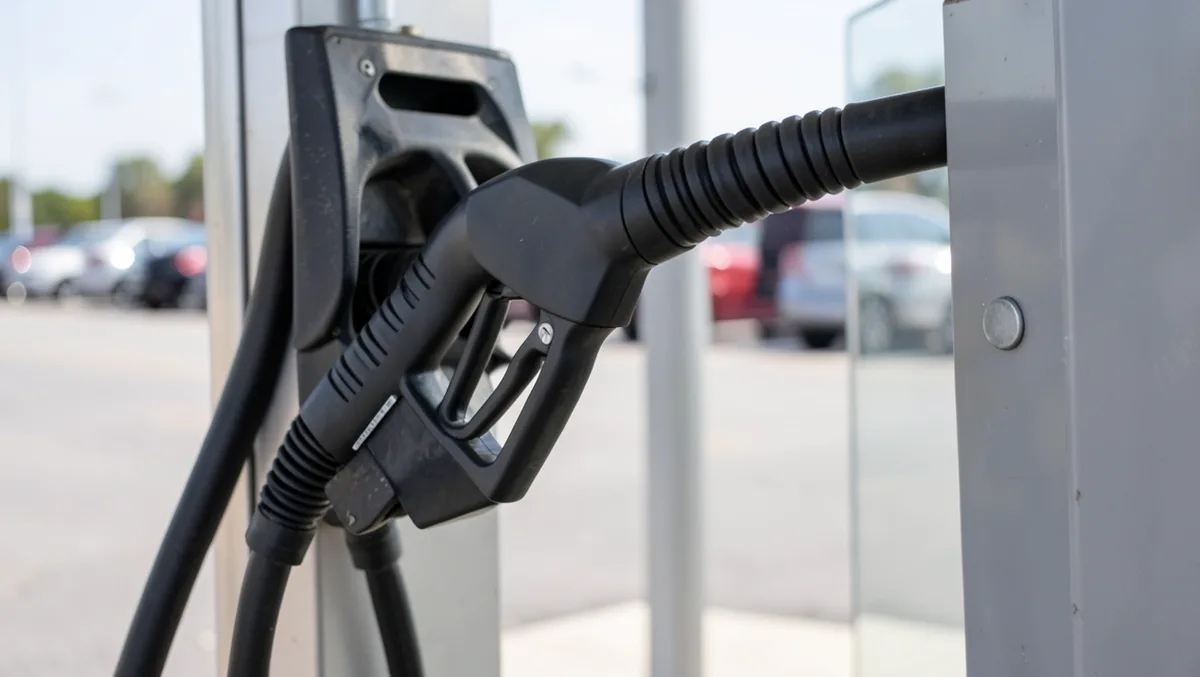
Hydrogen is priced by the kilogram, not the gallon. In California – still the only state with meaningful hydrogen station coverage – hydrogen currently runs about $30 to $36 per kilogram, largely because of ongoing supply-chain bottlenecks. The Mirai’s tank holds about 5.6 kilograms, so a full fill-up costs roughly $170 to $200. New Mirai buyers get a large complimentary fuel allowance (worth up to $15,000) that covers this cost for the first several years of ownership, which is a big part of why the real-world cost of owning one looks so different from just adding up the sticker price and the fuel price.
Maintenance and Repairs
Fuel cell vehicles need specialized service, since most general mechanics have never worked on a hydrogen system. Annual maintenance typically runs somewhere in the $500 to $1,500 range, and while a full fuel cell stack replacement is rare within the first 100,000 miles, it can cost several thousand dollars if it does happen. This is one more reason leasing, rather than buying outright, is the more common choice for FCV owners.
Incentives and Rebates: What Actually Still Applies in 2026
Incentive information for hydrogen cars online is often out of date, so here is where things actually stand as of 2026. The federal $7,500 clean vehicle tax credit, which used to apply to qualifying new FCVs, ended for vehicles acquired after September 30, 2025 – it is no longer available. California’s Clean Vehicle Rebate Project (CVRP), the state rebate many older articles still mention, closed in November 2023. What is left: California’s new MyFirstEV program, launched August 2026, offers up to $3,000 toward an eligible new hydrogen fuel cell vehicle for qualifying buyers, and the Clean Cars 4 All program can help lower-income buyers replace an older vehicle with a new or used FCV or EV. Check your state’s current program directly before assuming any of the older, larger incentive figures still apply.
The Hidden Costs of Owning a Hydrogen Car
The sticker price is rarely the full story. Insurance for an FCV commonly runs somewhat higher than for an equivalent gas car, since specialized parts and repair expertise are harder to find. A home hydrogen refueling setup, if you wanted one, would run into the thousands of dollars to install and is uncommon outside industrial or research settings – unlike EV home charging, home hydrogen refueling is not really a consumer option today.
Depreciation is the other big one. Fuel cell vehicles tend to lose value faster than comparable gas or electric cars, largely because so few buyers live somewhere they can actually refuel one. A Mirai that lists for roughly $50,000 new can be worth well under half that within a few years, which is exactly why leasing is so common in this segment – it shifts the depreciation risk to the manufacturer instead of the owner.
Real Benefits of Hydrogen Fuel Cell Cars
Zero tailpipe emissions is the headline benefit – a fuel cell car emits nothing but water vapor, and it drives like an electric car: quiet, smooth, and with instant torque. Refueling is the other genuine advantage over battery-electric cars. Filling a hydrogen tank takes about five minutes, similar to pumping gasoline, compared with the 20 to 45 minutes even a fast electric car charger typically needs for a meaningful top-up.
Fuel cell vehicles are also efficient on an energy-equivalent basis, with EPA ratings that translate to roughly 60 to 70 miles per gallon-equivalent for the Mirai. The catch, as covered above, is that none of this applies to aftermarket HOD/HHO water-fuel add-ons for a regular gas car – those do not deliver a real efficiency gain, no matter how the product is marketed.
Challenges That Are Still Holding Hydrogen Back
The lack of refueling stations is the single biggest barrier. Outside of California, an FCV owner has almost nowhere to fill up, which is why sales have stayed limited to a handful of metro areas for over a decade. There is also an environmental asterisk: about 95 percent of hydrogen produced in the U.S. today comes from natural gas, so a fuel cell car’s real-world carbon footprint depends heavily on how its hydrogen was made, not just on the fact that only water comes out of the tailpipe.
Specialized service is a real constraint too. Not every shop, or even every dealership, has technicians trained on hydrogen systems, so repairs can mean a longer wait or a longer drive than owning a mainstream gas or electric car.
Is a Hydrogen Fuel Cell Car Worth It?
It depends heavily on where you live. If you are in one of the small number of areas with reliable hydrogen stations – mainly parts of California – and you can find a Mirai at a discounted price with its complimentary fuel allowance still active, the math can work out well for the first several years. Outside that footprint, or once the free fuel runs out, the combination of a roughly $200 fill-up and scarce stations makes an FCV a hard sell against a comparable EV or hybrid.
Here is a realistic example with 2026 numbers and no federal credit, since that credit has expired: a $51,795 Mirai with California’s $3,000 MyFirstEV incentive nets out to about $48,795. At 15,000 miles a year and roughly 60 miles per kilogram-equivalent, that is about 250 kilograms of hydrogen annually – call it $7,500 to $9,000 a year in fuel at current California prices, before any complimentary fuel allowance is applied. A comparable gas car averaging 30 mpg at $3.50 a gallon would cost around $1,750 a year in fuel. Without the free fuel promotion offsetting that gap, the FCV is the more expensive choice to run day to day; the free fuel allowance included with a new Mirai is what actually makes ownership affordable in the early years.
What Hydrogen Car Owners Commonly Report
Across owner forums and reviews, the pattern is consistent: people who drive an FCV daily generally like the ride quality and the fast refueling, and consistently complain about the same two things – the scarcity of stations and station downtime. Hydrogen pumps go offline for maintenance more often than gas pumps, and running low on fuel far from a working station is the most commonly reported frustration in owner communities. Anyone considering a hydrogen car should map out the working stations along their regular routes before buying, not after.
Where Hydrogen Car Technology Is Headed
Toyota and Hyundai continue to invest in fuel cell development, and Hyundai’s redesigned next-generation Nexo, unveiled in 2025, is set for a global rollout starting in 2026. Progress on “green hydrogen” – producing it via electrolysis powered by renewable electricity rather than natural gas – is the development to watch, since it would address the biggest environmental gap in the current hydrogen supply chain. Wider adoption still depends on refueling infrastructure expanding well beyond California, which has been slow to happen.
Hydrogen vs. Gas vs. Electric: How the Options Compare
Here is how a hydrogen fuel cell car stacks up against gas-powered and electric cars:
| Vehicle Type | Pros | Cons |
|---|---|---|
| Gas-Powered | Cheap upfront, widespread fueling stations, familiar tech | Higher emissions, lower well-to-wheel efficiency, more moving parts to maintain |
| Electric (EV) | Zero tailpipe emissions, quiet, home charging, wide model selection | Longer charge times than refueling, range varies by conditions, battery ages over time |
| Hydrogen (FCV) | Zero tailpipe emissions, fast ~5-minute refueling, smooth EV-like drive | High fuel cost, very few stations outside California, specialized maintenance |
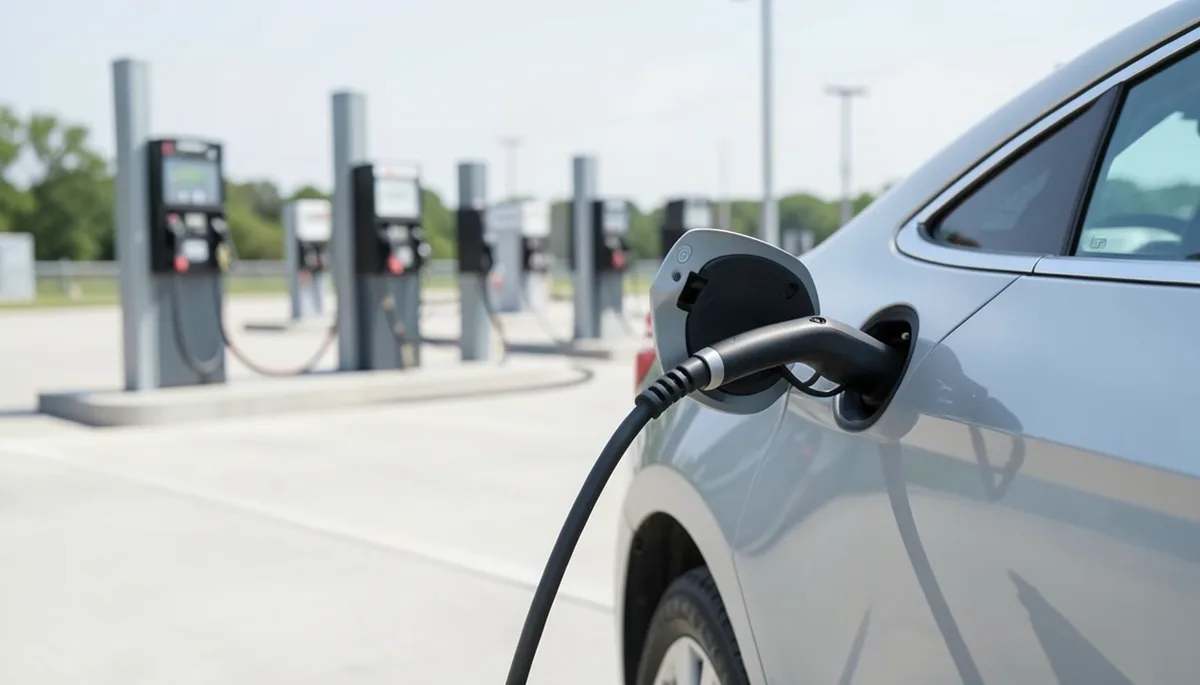
Gas cars remain the default because the infrastructure already exists everywhere. EVs are the practical zero-emission choice for most drivers today because charging networks keep expanding. Hydrogen fuel cell cars solve the same emissions problem with a faster refueling experience, but the fueling network simply is not there yet outside a few regions.
If You Are Considering a Hydrogen Fuel Cell Car
A few practical steps before you buy or lease one:
- Map the stations first: Check a station-locator app or the U.S. Department of Energy’s Alternative Fuels Data Center for working stations along your actual daily routes, not just near your home.
- Check current incentives directly: The federal $7,500 credit ended in September 2025. Confirm what your state currently offers – in California, look up MyFirstEV and Clean Cars 4 All – rather than trusting an older article’s numbers.
- Find a shop that services FCVs: Not every dealership or independent mechanic works on hydrogen systems; confirm service availability before buying.
- Lease before you buy: Fast depreciation and the risk of a station near you closing make leasing the lower-risk option for most first-time FCV owners.
- Ignore any product claiming to run your existing car on water: No HOD or HHO kit has ever been independently shown to deliver its advertised fuel savings.
Conclusion
So, how much is a water-powered car? A true water-only car does not exist and cannot exist. A real hydrogen fuel cell car does exist, and it starts around $51,795 new for a Toyota Mirai (often far less with California dealer discounts), plus roughly $30 to $36 per kilogram for hydrogen fuel, higher insurance, and specialized maintenance. The federal tax credit that used to soften that cost expired at the end of September 2025, so the math depends much more heavily today on where you live and whether a station near you is actually working.
If you live within reach of California’s hydrogen station network and can find a Mirai with its complimentary fuel allowance still active, it is a genuinely pleasant, zero-emission car to drive. Everywhere else, a battery-electric or hybrid vehicle remains the far more practical way to cut emissions and fuel costs today.
Frequently Asked Questions
Can a car actually run on water alone?
No. Splitting water into hydrogen and oxygen always uses more energy than burning that hydrogen returns, so a device that turns water into free fuel is not physically possible. This was tested in court in 1996, when inventor Stanley Meyer’s “water fuel cell” claims were found fraudulent.
What is a water-powered car really?
It is almost always a hydrogen fuel cell vehicle, like the Toyota Mirai or Hyundai Nexo. These cars store compressed hydrogen gas, not water, and use a fuel cell to combine it with oxygen from the air, producing electricity and water vapor as the only tailpipe output.
How much does hydrogen fuel cost in 2026?
Hydrogen currently costs about $30 to $36 per kilogram in California, the state with the most stations. A Toyota Mirai holds about 5.6 kilograms, so a full fill-up runs roughly $170 to $200, though new Mirai buyers get a complimentary fuel allowance that covers this for several years.
Are hydrogen fuel cell cars safe?
Yes. Hydrogen tanks in production fuel cell vehicles are built to strict federal safety standards and undergo extensive crash and leak testing, similar to how gasoline tanks and EV battery packs are certified before a car can be sold.
Can I convert my existing car to run on water?
No. You cannot run a gas car on water, and aftermarket “hydrogen-on-demand” or HHO kits that claim to boost mpg by generating hydrogen from water do not deliver the fuel savings they advertise, since the electrical energy needed to split the water outweighs any benefit from burning the hydrogen produced.
Are there enough hydrogen refueling stations to own one?
Only if you live in or near California, which has almost all of the country’s public hydrogen stations. Outside that region, refueling options are extremely limited, which is the main reason fuel cell vehicle sales have stayed niche for over a decade.
Is there still a tax credit for buying a hydrogen car?
The federal $7,500 clean vehicle tax credit ended for vehicles acquired after September 30, 2025, and California’s CVRP rebate program closed in November 2023. As of 2026, California’s new MyFirstEV program offers up to $3,000 toward an eligible new hydrogen fuel cell vehicle for qualifying buyers.
Products related to this article
Sponsored / affiliate links. As an Amazon Associate I earn from qualifying purchases. I may earn additional commission from eligible campaigns.