What Is the Purpose of Electric Car Technology? Efficiency
Electric car technology moves stored battery energy into motion with less waste. EV drivetrains often convert about 60% to 77% of grid electricity to wheel motion, while gasoline cars are often around 20% to 30%. Ignore that gap, and you can misread commute cost, charging needs, highway range, and towing losses. This guide explains what EV technology does, why it is more efficient, and where that advantage shrinks in real use.
Maximizing Energy Efficiency and Drivability


![LISEN 15W MagSafe Car Mount Charger, Magnetic Phone Holders for Your Car | [Dual Mounting Type for 99% Vehicles] Magsafe](https://m.media-amazon.com/images/I/51X4uScI+HL._SL500_.jpg)
Electric car technology is built to do one main job: move stored electrical energy into motion with less waste than a gasoline drivetrain. That means lower tailpipe emissions are part of the result, not the whole point. It is an energy-use system meant to send more input energy to the wheels.
Dictionary.com defines purpose as the reason something exists or is done. For EVs, that reason is efficiency first, then drivability, cleaner local air, and simpler energy recovery during slowing. The core parts are the electric motor, battery pack, power electronics, battery management system, regenerative braking, and charging hardware.
What the EV system is trying to solve
Gasoline cars lose a large share of fuel energy as heat before any of it reaches the road. EVs cut that waste. They also avoid idling losses, which matter in traffic, school drop-off lines, delivery routes, and stop-and-go commuting.
Picture a 10-mile city commute with six hard stops. A gasoline car spends energy every time it accelerates, then throws away much of that speed during braking. An EV can recover part of that energy and return it to the battery pack.
Why are electric cars more efficient than gas cars?
Electric cars are more efficient because an electric motor typically converts 85% to 96% of electrical energy into mechanical motion, while gasoline engines typically convert only 20% to 35% of fuel energy into motion. Less energy is lost as heat, and the drivetrain needs fewer moving parts to do the same work.
That difference shows up in grid-to-wheel numbers too. EVs turn about 59% to 62% of grid energy into forward motion, while gasoline vehicles turn about 17% to 21% of included energy into forward motion. Those figures include upstream losses, so they are more useful than tailpipe-only comparisons.
Why the gap exists
An internal combustion engine burns fuel in repeated controlled explosions. That process creates heat, friction, pumping losses, and exhaust losses. A motor does not need combustion, so it can send a much larger share of input energy straight into shaft motion.
EV motors also deliver broad torque over a wide speed range. That is why electric cars usually use a single-speed transmission, while gas cars generally need multi-speed transmissions for efficiency. The motor’s torque band makes extra gears unnecessary for most driving.
How much energy does an electric motor convert into motion?
An electric motor typically converts 85% to 96% of electrical energy into motion. That wide range depends on load, speed, temperature, and the rest of the drivetrain. Even so, the motor remains the main efficiency advantage in an EV.
The exact number matters less than the pattern. Motors are efficient across a broad operating range, while combustion engines are efficient only in a narrower slice of their working range. That is one reason EVs feel responsive in city traffic and steady at low speeds.
How does regenerative braking work in an electric car?
Regenerative braking lets an EV recover energy instead of losing it as heat. When the driver slows down, the electric motor reverses into generator mode and sends some of the vehicle’s kinetic energy back into the battery pack. That can improve city efficiency and reduce brake wear.
The system has limits. It cannot recover every braking event, especially in a panic stop, on low-traction pavement, or when the battery is near full. Friction brakes still matter, and the car blends both systems as needed.
Why regen helps most in stop-and-go driving
Frequent braking creates repeated chances to recapture energy. That is why city driving often favors EV efficiency more than steady highway travel. On the highway, there is less braking to recover, so aerodynamic drag becomes the bigger energy drain.
What parts make up electric car technology?
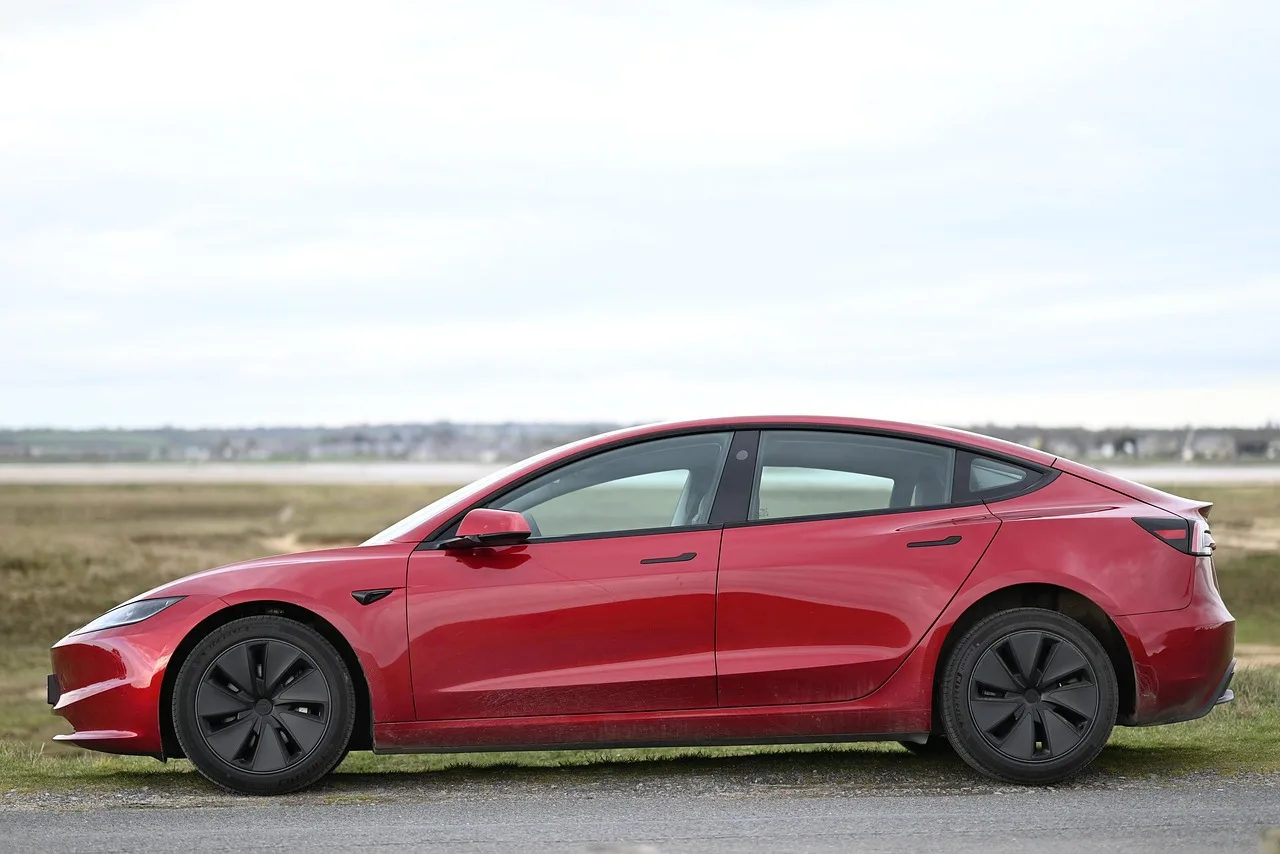
EV technology includes the battery pack, battery management system, electric motor, power electronics, regenerative braking, and charging infrastructure. Each part has a different job. Together, they move energy from storage to wheels while protecting the battery and handling charge flow.
Battery pack
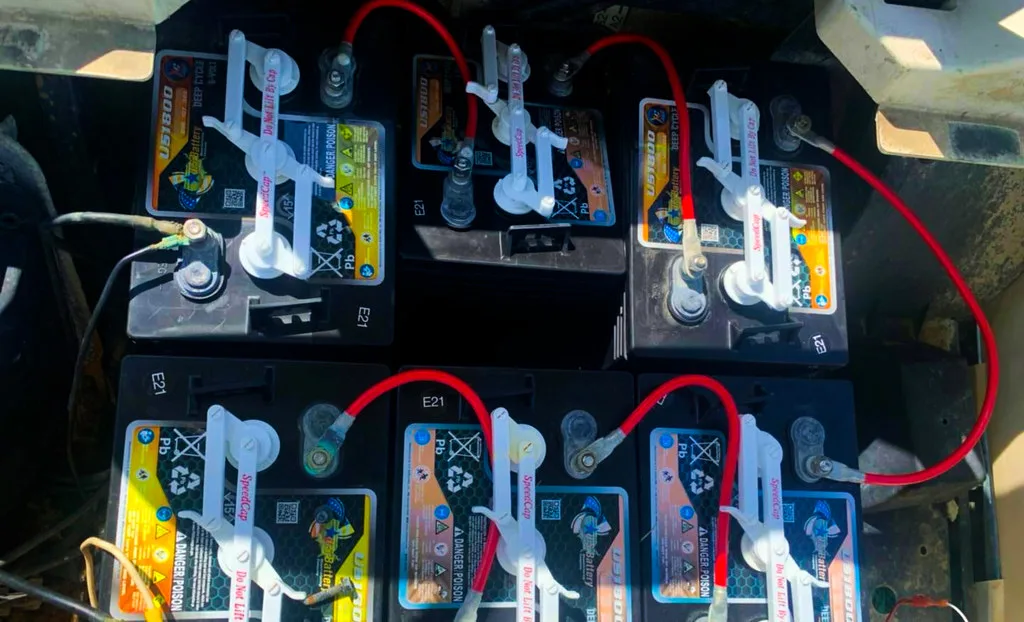
The battery pack stores electrical energy and sets much of the usable range. The battery pack is often the main range-limiting component in many EVs, and its capacity can change over time. Chemistry, climate exposure, charging habits, and age all affect degradation.
Battery management system
The battery management system monitors cell health, protects safety, and controls charging and discharge. It helps keep cell voltages and temperatures within safe limits. That control matters for both longevity and usable performance.
Charging hardware and power electronics
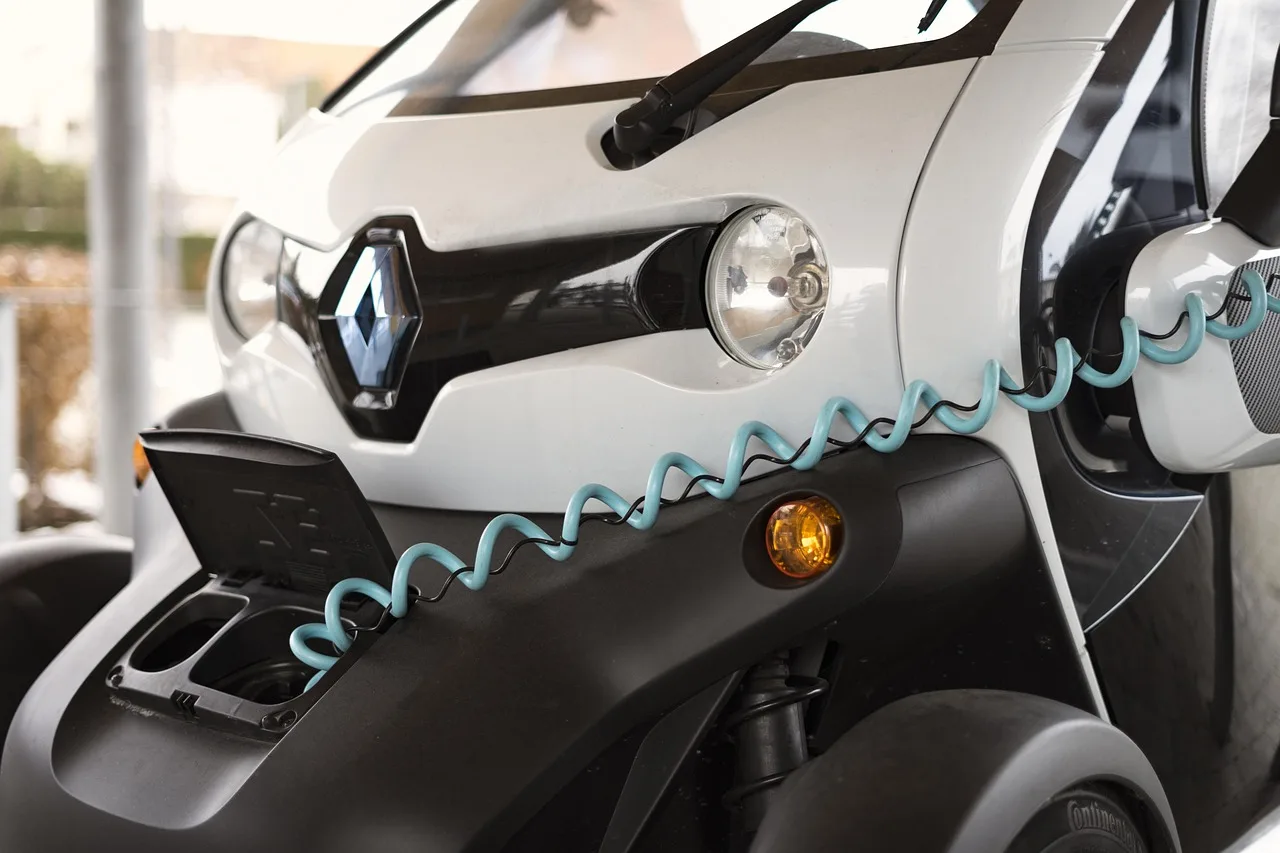
Charging hardware connects the car to AC or DC power. Power electronics convert and regulate that energy so the battery can store it. Home charging usually favors convenience, while public charging matters more for trip flexibility.
A common first-timer mistake is assuming an electric car must always be charged from empty to full, even though most owners top it off while parked at home or work. It is not. Charging rate changes with state of charge, battery temperature, charger type, and the car’s own limits.
How does charging infrastructure affect EV ownership?
Charging infrastructure affects convenience, trip planning, and ownership fit more than drivetrain efficiency itself. Home charging lets many drivers wake up to a full battery. Public charging helps on road trips, but station availability and charging speed shape how easy the car is to live with.

Charging access can matter more than the motor’s efficiency when the driver has no driveway, no workplace charging, or limited nearby stations. In those cases, the car may still be efficient, but the ownership experience can be harder.
What matters most
- Home charging access: Usually the easiest way to match overnight parking with daily range use.
- Public charging availability: Important when home charging is unavailable or travel extends beyond one charge.
- Charging speed: Matters on road trips, when time at a station changes trip length.
- Route density: Fewer reliable chargers mean more planning and less flexibility.
| Step | EV energy flow | Gasoline energy flow | Main loss point |
|---|---|---|---|
| Source | Grid electricity | Fuel extraction, refining, and delivery | Upstream energy use |
| Storage | Battery pack stores electrical energy | Fuel tank stores chemical energy | Battery aging versus fuel transport losses |
| Conversion | Motor converts 85% to 96% of electrical energy into motion | Engine converts 20% to 35% of fuel energy into motion | Heat from combustion |
| Drivetrain | Usually single-speed transmission | Generally multi-speed transmission for efficiency | Gear and friction losses |
| Braking | Regenerative braking recovers some energy | Brakes turn motion into heat | Non-recoverable stop losses |
| Net wheel result | About 59% to 62% grid-to-wheel | About 17% to 21% fuel-to-wheel | Upstream plus onboard losses |
When is electric car technology the better fit?
EV technology is the better fit when the car can charge where it sits, the daily route is predictable, and most miles are local or mixed urban driving. It is also a strong fit for drivers who want lower energy waste and fewer brake-related losses in stop-and-go traffic.
It is a weaker fit for drivers who tow often, travel long distances on short notice, or lack reliable charging access. Cold weather can also reduce range, which makes battery size and preconditioning more important. A colder battery needs more energy for the same trip.
Best fit
- Daily commuting with overnight charging
- Urban and suburban stop-and-go driving
- Drivers with home or workplace charging
- Routes that stay within a predictable daily range
Mixed fit
- Long highway trips
- Apartment parking with limited charging
- Cold climates with frequent winter driving
Poor fit
- Frequent towing
- Sparse charging networks
- Unpredictable long-distance use without charging time built in
Are electric cars always better for the environment?
No. EVs remove tailpipe emissions entirely, which improves local air quality, especially in dense traffic. But environmental impact also depends on grid cleanliness, battery production, and how the car is used. A coal-heavy grid can reduce the climate advantage, though local pollution may still drop.
The cleanest answer is use-based. Short daily drives with home charging often favor EVs more than high-mileage towing, repeated road trips, or charging from a carbon-heavy grid. Environmental tradeoffs are real, so the best choice depends on both energy source and driving pattern.
What problem does electric car technology solve?
Electric car technology solves the problem of wasting too much stored energy before it reaches the road. It also lowers tailpipe pollution, simplifies drivetrain design, and makes stop-and-go driving more efficient. The system is built to convert more input energy into motion with less heat loss.
That does not mean EVs erase every cost or every emissions source. They shift where the energy comes from and how efficiently it is used. That shift is the point.
Do electric cars really save money on fuel?
They can, but the answer depends on electricity rates, gasoline prices, driving pattern, and charging access. Higher efficiency often means lower energy cost per mile, but savings are not automatic. A driver who pays high public-charging rates may see a smaller gap than a driver who charges at home.
Commuters with steady daily mileage often see the clearest benefit because an EV wastes less energy in stop-and-go use. Highway-heavy drivers can still save money, but the gap may narrow if charging is expensive or frequent fast charging is needed.
Why do electric cars use single-speed transmissions?
Most electric cars use single-speed transmissions because electric motors deliver broad torque across a wide speed range. That makes extra gears unnecessary for most driving. Simpler drivetrains cut mechanical complexity and fit the motor’s operating pattern.
Gas cars generally need multi-speed transmissions for efficiency because an engine does not produce useful torque as broadly. Gears keep the engine in a more efficient operating range. EVs do not need that same gear juggling in normal use.
Frequently asked questions
What is the purpose of electric car technology?
Its purpose is to move stored electrical energy into motion with less waste than a gasoline drivetrain. EVs do that by using a high-efficiency motor, battery storage, regenerative braking, and control systems that manage charging and discharge. Lower tailpipe emissions are part of the result, not the whole job.
Products related to this article
Sponsored / affiliate links. As an Amazon Associate I earn from qualifying purchases. I may earn additional commission from eligible campaigns.