How Much Is Car Insurance for an 18-Year-Old? 2026 Cost Guide
Car insurance for an 18-year-old averages around $7,500 a year on a standalone policy, or roughly $6,850 a year if they stay on a parent policy – both far higher than the national average for adult drivers.
That gap comes down to one thing: inexperience. Drivers under 20 crash far more often per mile driven than any other age group, and insurers price that risk directly into the premium. The good news is that the number above is an average, not a fixed price – the coverage type, the car, the state, and a handful of discounts can swing the real cost by thousands of dollars a year.
This guide breaks down what 2026 data actually shows 18-year-olds paying, why the rate is so high, whether a parent policy or a standalone policy costs less, and the specific discounts that bring the number down the most.

Average Car Insurance Cost for an 18-Year-Old in 2026
According to 2026 industry data, full coverage car insurance for an 18-year-old costs an average of $7,498 a year (about $625 a month) on a standalone policy. The exact number depends heavily on gender, coverage level, and whether the teen is on their own policy or a parent’s:
| Policy Setup | Avg. Annual Cost | Avg. Monthly Cost |
|---|---|---|
| Own policy, full coverage (female) | $7,047 | $587 |
| Own policy, full coverage (male) | $7,946 | $662 |
| Added to parent policy, full coverage (female) | $6,588 | $549 |
| Added to parent policy, full coverage (male) | $7,143 | $595 |
| Minimum liability-only, either policy | ~$2,200–$2,800 | ~$183–$235 |
Two patterns stand out. First, full coverage costs roughly three times as much as liability-only coverage – that gap is the single biggest lever an 18-year-old has over their own premium. Second, male teen drivers consistently pay several hundred dollars more per year than female teen drivers at this age, a difference that narrows and eventually disappears by the mid-to-late 20s.
Rates also vary significantly by state. States with high traffic density, more uninsured drivers, or higher rates of litigation (Michigan, Louisiana, and Florida tend to rank among the most expensive) can push these averages well above the national figure, while states like Ohio, Iowa, and Maine tend to land below it. Always get a quote for your specific ZIP code rather than assuming the national average applies.
BUDGET-FRIENDLY DASH CAM PICK
 |
70mai A810 Lite 4K Dash Cam, Front and Rear – $89.99 A dash cam won’t lower your quoted premium, but clear front-and-rear footage protects a young driver from an unfair fault call after a fender-bender – and an at-fault accident is one of the fastest ways an 18-year-old’s rate jumps.
|
Why Is Car Insurance So Expensive for 18-Year-Olds?
Insurers set premiums based on risk, and the data on teen and young-adult drivers is unambiguous: drivers under 20 are involved in far more crashes per mile driven than any other age group, largely because they haven’t yet built the judgment and reaction habits that come with years behind the wheel. An 18-year-old is statistically just as likely to be in their first or second year of licensed driving, which puts them squarely in the highest-risk bracket insurers track.
Driving Experience
Insurers price experience almost as heavily as age itself. A driver who has held a license for two or three years, even at 18 or 19, will usually see a somewhat lower rate than someone who just got licensed at 18 with zero driving history. Keeping a clean record for the first few years matters more for future rates than almost anything else on this list.
Vehicle Type
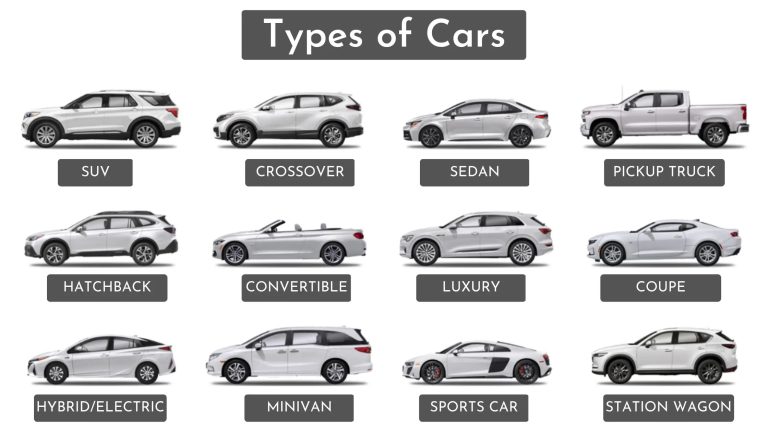
The car itself moves the number a lot. High-performance and sports cars cost more to insure because they’re statistically driven faster and are more expensive to repair. Older, common sedans (think Honda Civic or Toyota Corolla) tend to insure for less because parts are cheap and plentiful, and cars with modern safety features – airbags, anti-lock brakes, forward collision warning – can qualify for built-in safety discounts.
Location and State Laws
Each state sets its own minimum coverage requirements and has its own mix of traffic density, weather risk, and litigation rates, all of which factor into base premiums before any individual rating even applies.
Own Policy vs. Parent Policy: Which Costs Less?
In almost every case, adding an 18-year-old to a parent’s existing policy costs less than the teen buying a completely separate, standalone policy. Based on 2026 data, adding a teen to a parent policy saves roughly $460 to $800 a year compared to that same teen carrying their own policy with identical coverage.
The savings come from how insurers structure multi-driver, multi-car discounts and from the parent’s own driving history offsetting some of the teen’s risk on paper. A joint policy also tends to be simpler to manage – one bill, one renewal date, and often bundled discounts for combining auto with a homeowners or renters policy.
A standalone policy still makes sense in a few situations: if the teen owns the car outright and the title isn’t in a parent’s name, if the parent’s own driving record is poor enough that adding a teen would spike the whole household’s rate, or if the teen has moved out and no longer lives at the same address as the parent (most insurers require the same address for a joint policy).
Cheapest Car Insurance Companies for 18-Year-Olds
Rates vary by carrier more for young drivers than for almost any other group, so shopping around matters more here than at any other age. Based on 2026 rate comparisons:
- USAA – consistently the cheapest option for minimum liability coverage, but only available to active-duty military, veterans, and their immediate family.
- GEICO – regularly ranks among the lowest-cost national carriers for teen and young-adult drivers.
- State Farm – competitive rates plus a well-known good-student and Steer Clear safe-driving discount program aimed specifically at young drivers.
- Travelers – frequently among the cheapest for both full coverage and liability-only quotes for 18-year-olds.
Smaller regional insurers – companies like Erie, Auto-Owners, or NJM – can sometimes beat the national carriers by a wide margin, but they’re not licensed in every state. It’s worth getting a quote from at least one regional company if one operates where you live, alongside two or three national carriers.
Liability-Only vs. Full Coverage: What Actually Changes the Price
Liability-only coverage pays for damage and injuries you cause to someone else – their car, their property, their medical bills. It’s the cheapest option and, in most states, the legal minimum you’re required to carry. For an 18-year-old, minimum liability coverage runs an average of about $183 to $235 a month depending on the state and carrier.
Full coverage adds collision (damage to your own car in an accident) and comprehensive (theft, fire, weather, animal strikes, vandalism) on top of liability. It typically costs two to three times as much as liability-only, which is exactly why full coverage averages land closer to $7,000–$8,000 a year for this age group while liability-only lands closer to $2,200–$2,800.
Full coverage makes the most sense for a newer or more valuable car, especially one still being financed – lenders almost always require it. For an older car worth a few thousand dollars, liability-only (sometimes with an added collision waiver dropped once the loan is paid off) can be the more financially sensible choice, since the payout on an old car in a claim may not be much more than a year or two of the extra premium.
How to Lower Car Insurance Costs at 18
None of these discounts alone will cut the bill in half, but stacking two or three of them together can meaningfully close the gap between what an 18-year-old pays and what an experienced adult driver pays.
- Good student discount: Most major insurers offer a discount – commonly up to 25% – for full-time students who maintain a B average or better. Some carriers extend this to full-time college students well past 18.
- Stay on a parent policy: As covered above, this alone typically saves several hundred dollars a year compared to a standalone policy.
- Take a defensive driving or safe-driving course: Completing an approved course signals lower risk to the insurer and often unlocks a direct discount, separate from the good-student discount.
- Enroll in a telematics or usage-based program: Programs like State Farm’s Drive Safe & Save, Progressive’s Snapshot, or Allstate’s Drivewise track real driving behavior through an app or plug-in device. Genuinely safe driving – smooth braking, no hard acceleration, limited late-night driving – can earn a meaningful discount within a few months.
- Raise the deductible: Choosing a higher deductible (what you pay out of pocket before insurance kicks in on a claim) lowers the monthly premium. It’s a real tradeoff – only raise it to an amount you could actually cover in an emergency.
- Choose a lower-risk car: A common sedan with strong safety ratings and a low theft rate will almost always insure for less than a sports car, luxury model, or a vehicle with a history of high theft rates.
- Bundle policies: Combining auto insurance with a renters or homeowners policy under the same household frequently unlocks a multi-policy discount.
- Install a dash cam: A dash cam won’t lower a quoted premium by itself, but clear footage can speed up claims and protect against a fault dispute after an accident – which matters, since an at-fault accident on a young driver’s record is one of the single biggest rate increases they can trigger.

It’s also worth reading the rules around minimum age for car insurance if a driver in the household is younger than 18 – requirements for learner’s permits and provisional licenses affect when a teen can be added to a policy in the first place. Once coverage is in place, shopping quotes online through a site like an online comparison tool makes it easy to re-check rates every six to twelve months, since 18-year-old premiums tend to drop noticeably each year a clean driving record is maintained.
Frequently Asked Questions
What Is the Cheapest Car Insurance for an 18-Year-Old?
USAA is typically the cheapest option overall, but it’s restricted to military members, veterans, and their families. Among carriers open to everyone, GEICO, State Farm, and Travelers regularly come in among the lowest-cost options for 18-year-olds. Because rates vary so much by individual and state, comparing quotes from at least three companies is the only reliable way to find the actual cheapest option for a specific driver.
Does Car Insurance Get Cheaper After Age 18?
Rates generally start dropping noticeably around age 19 to 21, and they keep declining year over year as a driver builds experience and a clean record, with the steepest drop-off usually happening between ages 19 and 25. Insurance doesn’t reach its lowest point until around the mid-20s, once a driver has several years of licensed experience on file.
What Is the Cheapest Car to Insure at 18?
Common, mid-size sedans with strong safety ratings and low theft rates – think Honda Civic, Toyota Corolla, or Subaru Outback – tend to insure for less than sports cars, luxury models, or vehicles that appear frequently on theft lists. Older cars can also cost less to insure since their replacement value is lower, though very old cars sometimes lack the safety features that unlock certain discounts.
Should an 18-Year-Old Have Their Own Car Insurance Policy?
Not necessarily by default. In most cases, staying on a parent’s policy costs several hundred dollars less per year than a standalone policy with identical coverage. A separate policy makes more sense if the teen owns the car outright and it’s titled in their name, no longer lives with the parent, or if a parent’s own driving record would spike the household rate significantly.
How Much Does It Cost to Add a Teen Driver to a Parent’s Policy?
Adding an 18-year-old to a parent policy typically raises the total household premium by $2,700 to $5,100 a year depending on the driver’s gender and the coverage level, which is still notably less than that same teen carrying a separate standalone policy would cost on its own.
Conclusion
Car insurance for an 18-year-old is genuinely expensive – averaging around $7,500 a year on a standalone policy – but the number isn’t fixed. Staying on a parent’s policy, choosing liability-only coverage on an older car, keeping grades up, completing a safe-driving course, and shopping quotes across three or more insurers can realistically knock thousands of dollars off that average.
The rate also isn’t permanent. Every year of clean driving experience brings the premium down, with the steepest drops happening between 19 and 25. Building good habits now – and documenting them, whether through a telematics program or a simple dash cam – pays off directly on the next renewal.
Products related to this article
Sponsored / affiliate links. As an Amazon Associate I earn from qualifying purchases. I may earn additional commission from eligible campaigns.