How Much Does a Jump Starter Cost?
A jump starter often costs about $50 to $150, with emergency-only models near the bottom, daily-driver units in the middle, and truck or diesel models often higher. Buy too cheap and you may get a unit that fails in cold weather or cannot turn a larger engine. This guide breaks down price by use case and the features that actually justify each tier.
Jump starter prices by use case

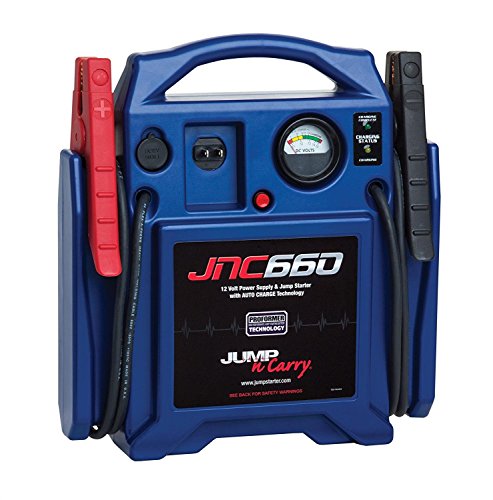
Prices differ by brand, battery size, and built-in features, but the cleanest way to shop is by the job you need it to do. Compact-car emergency units cost the least. Daily-driver units add real safety protections and better clamp hardware. Truck and diesel-ready models cost more because they need higher peak amps, larger packs, and stronger cables.
Compact car emergency units
For a small gasoline car or compact crossover, a basic portable jump starter often falls in the $50 to $90 range. These models usually aim at one or two jumps, light USB charging, and easy storage in a glove box or small trunk. They make sense if you want backup, not repeated use.
SUV and truck-ready units
For midsize SUVs, light trucks, and larger gasoline engines, expect roughly $90 to $180. The higher price usually buys more peak amps, thicker clamps, a larger internal battery, and better cold-weather margin. That matters because a unit that barely starts a small sedan may struggle once the engine is larger or the battery is deeply discharged.
Diesel-capable units
Diesel-capable jump starters often start around $150 and can climb past $300. Diesel engines need more cranking power, and marketing numbers alone are not enough. Look for a realistic peak-amp rating, heavy cables, and a battery pack large enough to hold charge between uses without losing too much reserve.
Daily-driver vs occasional-use pricing
If the jump starter will live in the trunk and be checked often, spending more usually buys longer shelf life, better charge retention, and less risk of a dead pack when you need it. For a rarely used emergency unit, a lower price can be fine if it has the right safety protections and enough peak amps for the vehicle.
What a jump starter cost buys
At a given price, you are mainly paying for usable peak amps, battery capacity, clamp quality, and safety circuitry. Extra features matter only when they solve a real need. A flashlight is useful for night repairs. An inflator helps if you need tire top-offs. A weak battery wrapped in a giant amp claim is still a bad deal.
Peak amps and real output
Peak amps are the maximum burst a unit claims, not the power it delivers continuously. That number affects whether the pack can spin a gasoline engine or handle a diesel with more compression. Marketing can be misleading because some brands list inflated peaks without telling you sustained output or cranking performance.
Battery capacity and recharge time
Capacity is usually listed in mAh or Wh. Higher capacity can mean more jump attempts and better phone charging, but it also adds size, weight, and cost. A compact pack may be around 10,000 to 12,000 mAh, while larger units can reach 20,000 mAh or more. More capacity usually takes longer to recharge.
Clamp quality and cable length
Good clamps bite cleanly and stay attached without slipping. Cheap clamps often feel loose, use thinner metal, and create more resistance. Cable length matters too. Short leads can make battery access awkward on larger vehicles, while thicker cables help deliver current with less loss, especially in cold conditions.
USB charging, flashlight, and inflator extras
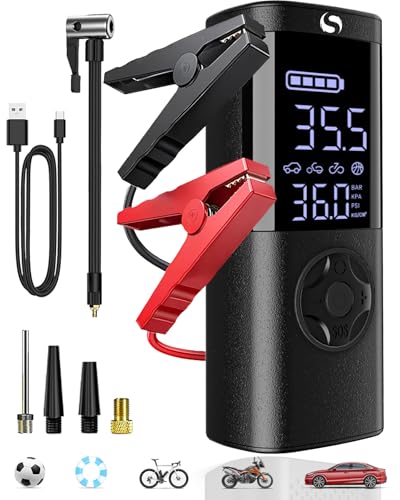
USB output turns the unit into a backup phone charger, which is useful on trips or after a roadside delay. A built-in flashlight helps at night. An inflator can justify a higher price if you will actually use it for tires, bikes, or sports gear. If not, skip the extra bulk.
What features justify a higher price?
A higher price is worth paying when it buys better electrical protection, stronger clamps, improved cold-weather behavior, and a battery pack that holds charge longer. The jump from bare minimum to midrange often matters more than the jump from midrange to premium, unless you need diesel capacity or added tools.
Safety protections that matter
Look for reverse-polarity protection, spark-proof clamps, over-current protection, and short-circuit protection. These features reduce the chance of damage if the clamps are connected incorrectly or touch metal in the wrong order. A cheap pack without these protections can be a poor choice even if the amp number looks high.
Build quality and storage case value
A rigid case, solid cable strain relief, and clamps that do not flex excessively are worth money. A storage case also keeps the pack, cables, and adapters together so the unit is actually usable when needed. Loose accessories in a trunk often become lost accessories.
Cold-weather behavior and battery chemistry
Many modern portable jump starters use a lithium-ion battery pack. Lithium packs are lighter, smaller, and usually hold charge better than older lead-acid jump starter units. Cold weather still hurts performance, though. Cheap lithium packs can sag badly in low temperatures, so winter use deserves a higher-quality unit.
Say your sedan sits outside overnight in 15-degree weather and the battery is weak. A bargain pack with an inflated peak-amp claim may not deliver enough real current, while a better-built lithium unit with modest but believable ratings is more likely to work.
When extra features are worth paying
Pay more for extras only when they support the core job. USB charging matters if the unit will double as a power bank. A flashlight matters for roadside use. An inflator matters if you want one case instead of two devices. If those features do not matter, the extra cost is easy to avoid.
Portable jump starter vs jump box
A portable jump starter is usually the smaller, lithium-based choice. A jump box often means a bulkier unit, sometimes with lead-acid inside, and sometimes with extra tools such as an inflator or utility light. The better choice depends on storage space, how often you need it, and whether you want the lightest pack possible.
Lithium-ion battery pack models
Lithium-ion jump starters are compact, lighter, and better for glove box or trunk storage. They usually recharge faster and keep their charge longer than lead-acid units. They also tend to cost more at similar amp ratings, especially once you add strong clamps, USB output, and better protection circuitry.
Lead-acid jump starter models
Lead-acid jump starters are older, heavier, and often cheaper at the entry level. They can be useful in a garage or shop because the weight is less of a problem. The tradeoff is clear: more bulk, more maintenance concerns, and usually worse self-discharge if the unit sits unused.
Size, weight, and self-discharge tradeoffs
For trunk storage, lithium usually makes more sense. For a garage tool that stays near an outlet, a lead-acid jump box can still be workable if you keep it charged. Lithium packs are easier to carry; lead-acid packs are easier to tip into the “too heavy to use often” category.
Which type fits your garage or trunk?
If the jump starter needs to live in a sedan, crossover, or daily-driver trunk, choose compact lithium. If it will stay at home or in a shop and rarely move, a larger jump box may be fine. If you need it for winter roadside use, lighter weight should not come at the expense of weak output.
How much does a jump starter cost?
Most buyers should expect about $50 to $150 for a useful portable jump starter, with basic emergency units below that and truck or diesel-capable models above it. “Good” usually means enough peak amps for your vehicle, real safety protections, and a pack that will still hold a charge when you need it.
Budget tier expectations
Budget units generally run from about $50 to $80. They are best for smaller gasoline cars, limited use, and drivers who want a backup more than a daily tool. At this tier, check the clamp quality and the protection list carefully. A cheap unit with missing protections is a poor buy.
Midrange tier expectations
Midrange models often land around $80 to $150. This is the sweet spot for many drivers because it often buys better build quality, higher realistic peak amps, and a larger battery. That extra headroom matters if the vehicle is parked outside, used often, or needs to start in cold weather.
Premium tier expectations
Premium models often start around $150 and can reach roughly $300 or more. You are paying for diesel readiness, heavier cables, larger capacity, stronger cases, and sometimes extras like an air compressor. A premium unit is worth it if you need repeated starts, larger engines, or a single compact kit for several jobs.
What not to expect below each tier
Below the budget tier, do not expect reliable diesel support or strong winter margin. Below the midrange tier, do not expect the best clamp hardware or long shelf life. Below the premium tier, do not expect large-engine capability plus extra tools without some tradeoff in size or recharge time.
Jump starter size classes and vehicle fit
Size class should match engine size and how you plan to store the unit. Small cars can use compact packs. Midsize SUVs and light trucks need more current. Diesel-capable models sit at the top of the range because the engine size and compression demand more from the battery and cables.
Small cars and compact crossovers
Compact gasoline vehicles often do fine with lighter lithium packs in the 10,000 to 12,000 mAh range, provided the peak-amp rating is honest and the clamps are decent. These are the easiest units to store and the cheapest to buy without stepping into junk territory.
Midsize SUVs and light trucks
For midsize SUVs and light trucks, step up to a stronger pack with more reserve capacity and higher peak amps. This does not mean buying the biggest number on the box. It means buying enough real output to handle a larger battery, more cable loss, and colder starts.
Diesel and large-engine requirements
Diesel and large gasoline engines need more margin than a compact sedan. That usually means a larger, more expensive pack with better clamps and more battery capacity. If the engine is large and the vehicle sits in cold weather, the cheapest unit in the aisle is usually the wrong choice.
Storage space and portability tradeoffs
A compact pack is easier to keep in the vehicle, which increases the chance it will be there when needed. A larger pack may be better on paper, but if it stays on a shelf because it is bulky, its value drops fast. Buy the size you will actually carry.
Jump starter price and spec table
The table below maps common use cases to realistic price tiers and the minimum features worth demanding. Use it to compare the actual job, not just the biggest peak-amp label on the package.
| Use case | Realistic price tier | Peak-amp range | Battery chemistry | Must-have safety features | Do not buy below this |
|---|---|---|---|---|---|
| Compact car emergency use | $50 to $90 | 300 to 600 A | Lithium-ion | Reverse-polarity, spark-proof clamps, short-circuit protection | No safety list, flimsy clamps, or vague amp claims |
| Daily-driver sedan or crossover | $80 to $150 | 600 to 1,000 A | Lithium-ion | Reverse-polarity, over-current, spark-proof clamps, USB output | Pack without real cable thickness or clear Wh/mAh listing |
| SUV or light truck | $100 to $180 | 800 to 1,500 A | Lithium-ion | All core protections, heavy clamps, storage case | Cheap pack with weak clamps or no winter-use margin |
| Diesel-capable model | $150 to $300+ | 1,500 A and up | Lithium-ion or heavy lead-acid jump box | All core protections, thick cables, strong case | Inflated amp claim without diesel-specific fit |
| Garage-only jump box | $70 to $200+ | 400 to 1,200 A | Lead-acid or lithium-ion | Reverse-polarity, over-current, solid clamps, charger access | Old lead-acid unit with dead battery or no maintenance plan |
- Match the vehicle first: compact car, SUV, truck, or diesel.
- Check peak amps, then compare it with the engine size and climate.
- Confirm reverse-polarity, spark-proof, over-current, and short-circuit protection.
- Look at battery capacity in Wh or mAh if you want phone charging or longer shelf life.
- Decide whether USB output, flashlight, inflator, and case are worth the extra cost.
How long does a jump starter hold its charge?
A good lithium jump starter can hold a usable charge for months, and many manufacturers tell buyers to recharge it every three to six months. Storage temperature matters. Heat and deep cold both reduce retention. Battery capacity also matters because a larger pack usually has more reserve for jump starts and phone charging.
Shelf life and recharge habits
Charge retention depends on chemistry, build quality, and storage conditions. Lithium-ion packs usually self-discharge slowly compared with older lead-acid units. Still, a pack left untouched for a year may be weak when needed. Regular top-ups are part of the ownership cost, not an optional extra.
Storage temperature and cold-weather loss
Cold weather can reduce available output, even if the pack was fully charged indoors. That is one reason bargain units can disappoint in winter. A jump starter that lives in a freezing trunk must be chosen with more margin than one stored inside a heated garage.
Why capacity matters for phone charging
If you want the unit to charge a phone or tablet, capacity matters beyond starting the engine. A larger Wh or mAh rating can support multiple top-offs, but it also usually raises price and size. Choose that tradeoff only if you will actually use the extra power.
Frequently asked questions
How much does a jump starter cost: a jump starter usually costs?
A jump starter usually costs $50 to $150 for most drivers, with small emergency models near the low end and diesel-capable units above it. The useful price jump is tied to better peak amps, stronger clamps, and real safety protections, not just a bigger number on the box.
How much does a jump box cost?
A jump box often costs about $70 to $200, though larger premium units can go higher. Lead-acid models usually enter at a lower price, while lithium versions cost more for the same size because they are lighter, hold charge better, and are easier to keep in the vehicle.
How much is a portable jump starter?
A portable jump starter usually starts around $50 and can reach $300 or more for truck and diesel models. The best value for most owners is the middle of the market, where you get enough peak amps for real use without paying for oversized capacity you may never need.
How much does a good jump box cost?
A good jump box commonly costs $80 to $180 if you want dependable performance for a car, crossover, or light truck. At that level, you should expect solid clamps, clear safety protections, and a battery large enough to keep working after storage time has passed.
What’s the best jump starter to buy
The best jump starter is the one that matches your engine size, climate, and storage needs. For most drivers, that means a midrange lithium pack with honest peak-amp ratings, reverse-polarity protection, spark-proof clamps, and enough capacity to avoid dying between uses.
How long does a jump starter hold its charge: most lithium jump starters hold?
Most lithium jump starters hold a useful charge for several months, but storage conditions matter. Heat, cold, and long periods without topping up can shorten that window. A habit of recharging every three to six months is a safer plan than waiting until the unit is needed.
Products related to this article
Sponsored / affiliate links. As an Amazon Associate I earn from qualifying purchases. I may earn additional commission from eligible campaigns.