How Much Oil to Put in a Car When Empty
Hey there! If you’re reading this, you’re probably wondering, “How much oil do I need to put in my car when it’s empty?” I’ve been there, staring under the hood, dipstick in hand, feeling a bit overwhelmed. It’s a simple question, but the answer depends on a few things like your car’s make, model, and engine size. Don’t worry—I’ve spent years tinkering with cars and researching this topic to keep my own vehicles running smoothly. In this article, I’ll walk you through everything you need to know about refilling your car’s oil when it’s bone dry. Let’s dive in and make this as clear as a sunny highway drive!
Why Knowing the Right Oil Amount Matters
Let’s start with why this even matters. Oil is like the lifeblood of your car’s engine. It lubricates moving parts, reduces friction, and keeps everything cool. If you put in too little oil, your engine could overheat or seize up—yikes! Too much oil? That’s not good either. It can cause leaks, damage seals, or even mess with your car’s performance. Getting the right amount is key to keeping your engine happy and your car on the road.
When your car’s oil is “empty,” it usually means the oil level is below the dipstick’s minimum mark or the engine has been drained completely, like during an oil change. Either way, you need to know how much oil to add to get it back to the right level. I’ve learned this the hard way after a few trial-and-error moments in my garage, so let me save you some trouble.
Checking Your Car’s Oil Capacity
The first thing you need to figure out is how much oil your car’s engine holds. Every car is different, and the oil capacity depends on the engine size and type. For example, a compact sedan might need 4 to 5 quarts, while a big truck could take 7 or more. Here’s how I figure it out when I’m working on my cars:
- Check the Owner’s Manual: This is your best friend. The manual will list the exact oil capacity for your car’s engine, usually in quarts or liters. It might say something like “4.5 quarts with filter change.” Keep that number in mind.
- Look Online: If you don’t have the manual, check your car manufacturer’s website or trusted automotive sites like Edmunds or Car and Driver. Just search for your car’s make, model, year, and engine size.
- Ask a Mechanic: If you’re still unsure, a quick call to your mechanic or dealership can clear things up. They’ll know the specs for your vehicle.
I remember the first time I changed the oil in my old Honda Civic. I didn’t check the manual and just guessed—big mistake! I overfilled it, and my engine started acting weird. Lesson learned: always check the specs first.
Here’s a quick table to give you a general idea of oil capacities for different types of vehicles. These are rough estimates, so always double-check your car’s specific needs:
| Vehicle Type | Typical Oil Capacity (Quarts) |
|---|---|
| Compact Car (e.g., Honda Civic) | 3.5–5.0 |
| Midsize Sedan (e.g., Toyota Camry) | 4.0–6.0 |
| SUV (e.g., Ford Explorer) | 5.0–7.0 |
| Pickup Truck (e.g., Ford F-150) | 6.0–8.0 |
| High-Performance Car (e.g., BMW M3) | 5.5–7.0 |
What Does “Empty” Really Mean?
When we say a car’s oil is “empty,” it’s not always literally empty. If you’re doing an oil change, you drain the old oil completely, so the engine is pretty much dry. But if your car is low on oil because of a leak or burning, there’s still some oil left—just not enough to keep things running smoothly.
If the engine is completely drained, you’ll need to add the full oil capacity as listed in your manual. If it’s just low, you’ll only need to top it off to reach the “full” mark on the dipstick. I always check the dipstick first to see where things stand. Pull it out, wipe it clean, dip it back in, and check the level. If it’s below the minimum mark, you’ve got some adding to do.
Step-by-Step Guide to Adding Oil
Let’s walk through how I add oil to my car when it’s empty, whether it’s from an oil change or because it’s running low. This is the process I’ve fine-tuned over years of working on my own vehicles:
- Park on Level Ground: Make sure your car is on a flat surface so the oil settles evenly. I learned this after trying to check the oil on a sloped driveway—total mess!
- Turn Off the Engine and Let It Cool: Hot oil can burn you, and the engine needs to be off for an accurate reading. Give it 10–15 minutes to cool down.
- Pop the Hood and Find the Oil Filler Cap: It’s usually on top of the engine, marked with an oil can symbol. Check your manual if you’re not sure.
- Check the Dipstick (If Not Completely Drained): If you’re topping off, use the dipstick to see how low the oil is. This helps you estimate how much to add.
- Choose the Right Oil: Your manual will tell you the oil type (like 5W-30 or 0W-20) and whether to use synthetic, conventional, or a blend. I always go with what the manufacturer recommends to avoid problems.
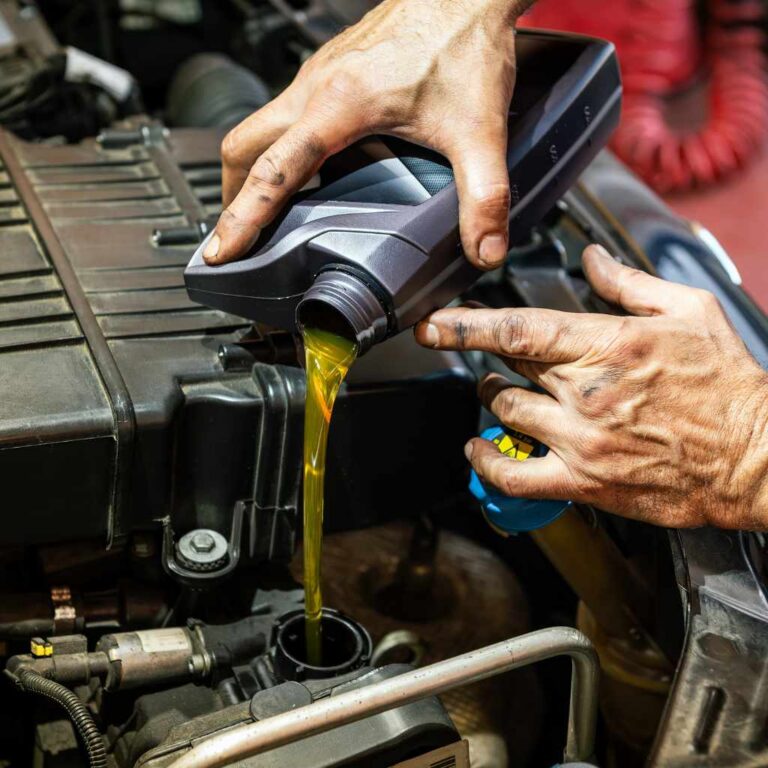
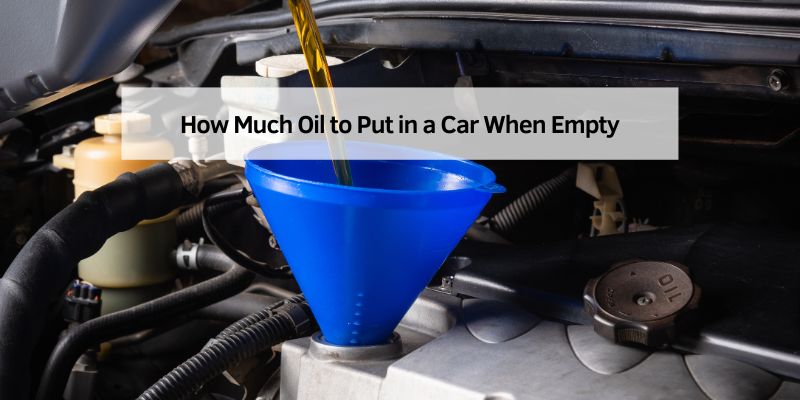
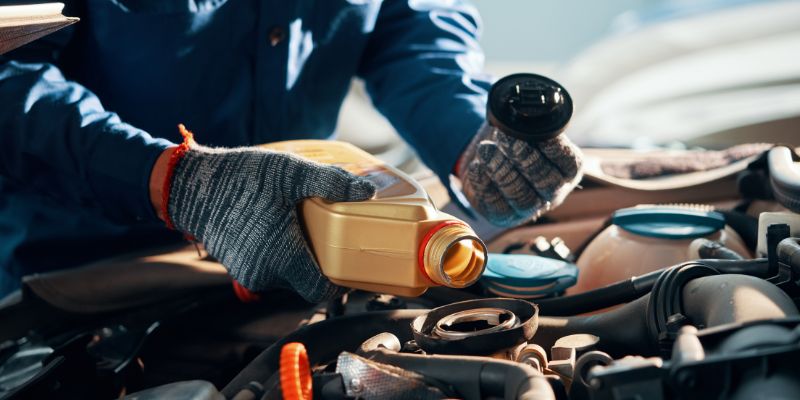
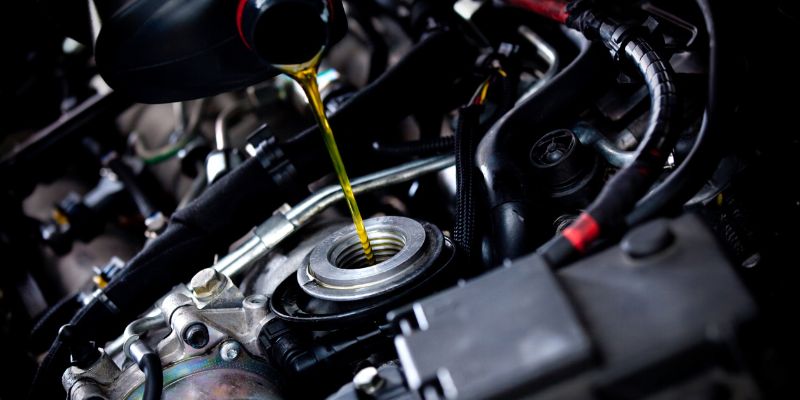
- Add Oil Gradually: Use a funnel to avoid spills. Pour in about half the recommended capacity, then wait a minute for it to settle. Check the dipstick and add more as needed. For a full oil change, pour in the amount listed in your manual, minus a little if you’re replacing the oil filter (more on that later).
- Check the Level Again: After adding oil, wait a few minutes, then check the dipstick. The oil should be between the “low” and “full” marks. If it’s too high, you’ll need to drain some out.
- Secure the Cap and Clean Up: Make sure the filler cap is tight, clean any spills, and close the hood.
I usually keep a couple of extra quarts of oil in my garage, just in case. It’s a lifesaver when you realize you’re a little short during an oil change.
Oil Filter Changes and Oil Capacity
If you’re doing an oil change, you might need to replace the oil filter too. The filter holds a small amount of oil—usually about 0.2 to 0.5 quarts. When you replace the filter, you’ll need to add a bit more oil to account for it. Your owner’s manual will say something like “4.5 quarts with filter change” or “4.0 quarts without filter change.” I always replace the filter during an oil change to keep things clean and efficient, but if you’re just topping off, you don’t need to touch it.
One time, I forgot to add extra oil after changing the filter on my truck. The dipstick showed it was low, and I was scratching my head until I realized my mistake. Always check the manual for the “with filter” capacity if you’re swapping it out.
What Happens If You Get It Wrong?
I’ve made mistakes with oil levels, and trust me, you don’t want to go there. Here’s what can happen if you mess up:
- Too Little Oil: Without enough oil, your engine parts grind against each other, causing wear and heat buildup. This can lead to engine damage or even a total breakdown. I once had a friend who ignored a low oil warning, and his engine seized up on the highway—expensive repair!
- Too Much Oil: Overfilling can create excess pressure, leading to leaks, damaged seals, or foamy oil that doesn’t lubricate properly. I’ve seen this cause smoke from the exhaust, which is never a good sign.
The key is to add oil slowly and check the dipstick often. It’s better to underfill slightly and add more than to overdo it and have to drain the excess.
Choosing the Right Oil Type
Not all oils are the same, and picking the right one is just as important as adding the right amount. Your manual will specify the viscosity (like 5W-30) and whether you need synthetic, conventional, or a blend. Here’s a quick rundown based on my experience:
- Synthetic Oil: Lasts longer, performs better in extreme temperatures, and is great for newer cars. I use synthetic for my daily driver because it’s worth the extra cost for the protection.
- Conventional Oil: Cheaper but needs changing more often. Good for older cars or if you’re on a budget.
- Synthetic Blend: A middle ground—some synthetic benefits at a lower price.
I always stick to the viscosity recommended by the manufacturer. For example, my wife’s SUV takes 0W-20 synthetic, while my old pickup runs fine on 5W-30 conventional. Using the wrong type can mess with your engine’s performance, so don’t guess—check the manual or the oil cap, which often lists the type.
How Often Should You Check Your Oil?
Even if you’re not doing an oil change, you should check your oil level regularly. I check mine about once a month or before a long road trip. It’s a quick habit that can catch leaks or burning issues early. Here’s how I do it:
- Park on level ground and let the engine cool.
- Pull the dipstick, wipe it clean, and reinsert it.
- Pull it out again and check where the oil level is. It should be between the “low” and “full” marks.
- If it’s low, add a little oil (start with half a quart) and check again.
Keeping an eye on your oil can save you from big problems down the road. I once caught a slow leak this way and got it fixed before it became a major issue.
Tips for First-Timers
If you’re new to this, don’t stress—it’s easier than it looks. Here are some tips I wish I’d known when I started:
- Use a Funnel: Spills are messy and can make your engine bay look gross. A cheap funnel is a game-changer.
- Keep Rags Handy: Oil can get everywhere. I keep old towels in my garage for quick cleanups.
- Don’t Rush: Adding oil slowly and checking the dipstick often prevents overfilling.
- Recycle Old Oil: If you’re doing an oil change, take the old oil to an auto parts store or recycling center. Don’t dump it—it’s bad for the environment.
- Double-Check Everything: Make sure the filler cap and drain plug (if you’re changing oil) are tight to avoid leaks.
The first time I changed my oil, I was nervous, but after a couple of times, it became second nature. You’ll get the hang of it too!
When to Get Professional Help
If all this sounds overwhelming, it’s okay to take your car to a mechanic or oil change shop. They’ll know exactly how much oil your car needs and can check for other issues like leaks or worn parts. I still do my own oil changes, but when I’m short on time, I’ll swing by my local shop. Just make sure you go to a reputable place—check reviews or ask friends for recommendations.
If you notice your car is burning oil (smoke from the exhaust or a burning smell), losing oil quickly, or making weird noises, don’t wait. Get it checked out. I ignored a small issue once, and it turned into a costly repair. Learn from my mistake!
Conclusion
Figuring out how much oil to put in your car when it’s empty doesn’t have to be a headache. By checking your owner’s manual, using the right oil, and adding it carefully, you can keep your engine running smoothly for years. Whether you’re topping off a low level or doing a full oil change, take your time and double-check everything. I’ve learned through years of trial and error that a little care goes a long way in keeping your car happy. So grab that funnel, check your dipstick, and hit the road with confidence. Your car will thank you, and you’ll feel like a pro under the hood!
Frequently Asked Questions
How do I know how much oil my car needs?
Check your owner’s manual or the manufacturer’s website for your car’s oil capacity. It’s usually listed in quarts or liters, depending on your engine size. You can also ask a mechanic or check the oil cap for clues.
Can I use any oil for my car?
No, you should use the oil type and viscosity recommended in your owner’s manual, like 5W-30 or 0W-20. Using the wrong oil can harm your engine’s performance.
What happens if I put too much oil in my car?
Overfilling can cause leaks, damage seals, or create foamy oil that doesn’t lubricate well. If you overfill, drain some oil until the dipstick shows the right level.
How often should I change my car’s oil?
It depends on your car and driving habits, but most cars need an oil change every 5,000 to 7,500 miles for synthetic oil or 3,000 to 5,000 miles for conventional. Check your manual for specifics.
Can I add oil without changing the filter?
Yes, if you’re just topping off, you don’t need to change the filter. But during a full oil change, it’s a good idea to replace the filter to keep things clean.
What if my car is burning oil?
If you notice smoke, a burning smell, or frequent low oil levels, your car might be burning oil. Take it to a mechanic to check for leaks or engine issues.