How Much to Replace a Thermostat in a Car?
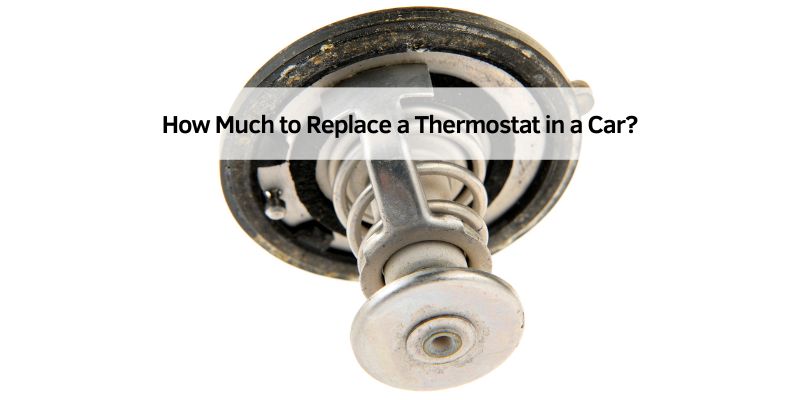
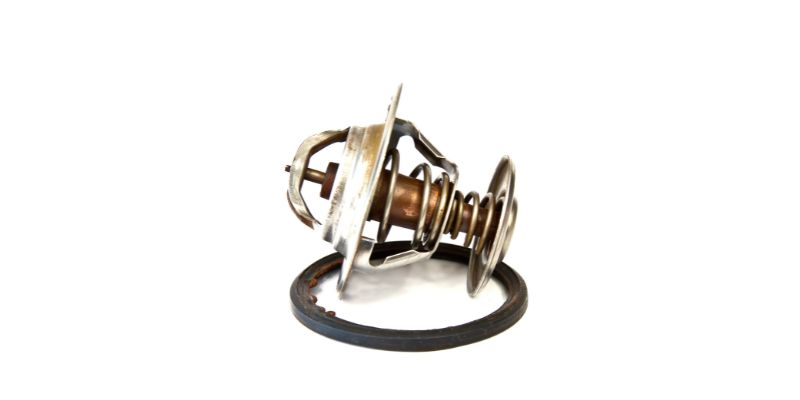
A car thermostat is a tiny valve that controls your engine’s temperature. It’s like a gatekeeper for coolant, letting it flow to keep your engine cool.
Think of it as a traffic light for coolant. When your engine’s cold, the thermostat stays closed so the engine warms up fast. Once it’s hot, it opens to let coolant flow through the radiator. This keeps your engine happy—not too hot, not too cold.
Why Does It Matter?
A bad thermostat can cause big problems. If it’s stuck closed, your engine overheats, which can damage parts like the head gasket. If it’s stuck open, your engine runs too cold, wasting gas and reducing power. Replacing it in time saves your engine and your wallet!
How Much to Replace a Thermostat in a Car?
The cost to replace a thermostat varies, but here’s the scoop. On average, expect to pay $150 to $747, depending on your car, location, and whether you go to a mechanic or do it yourself.
Cost Breakdown
Here’s what affects the price:
- Parts: A thermostat costs $10–$175. Basic ones for a Honda Civic are cheap, while fancy electronic ones for a BMW cost more.
- Labor: Mechanics charge $50–$100 per hour, and the job takes 1–3 hours. Dealerships often charge more than local shops.
- Car Type: Luxury cars like Mercedes or complex engines like a BMW V10 jack up costs. Simpler cars like a Toyota Corolla are cheaper.
- Location: Big cities like Los Angeles have higher labor rates ($80–$100/hour) than small towns ($35–$50/hour).
Here’s a quick table to show average costs for different cars:
| Car Type | Parts Cost | Labor Cost | Total Cost |
|---|---|---|---|
| Honda Civic | $10–$50 | $50–$150 | $60–$200 |
| Toyota Corolla | $15–$60 | $60–$180 | $75–$240 |
| BMW 3 Series | $50–$175 | $100–$300 | $150–$475 |
| Ford F-150 | $20–$80 | $80–$200 | $100–$280 |
Table 1: Average thermostat replacement costs for popular cars.
Regional Cost Differences
Where you live matters. In big cities, labor costs more because of higher demand. For example, a thermostat replacement in New York City might cost $300, while in a small Ohio town, it could be $150. Check local shops for quotes to save money.
DIY vs. Mechanic: Which Is Better?
You can replace a thermostat yourself or hire a mechanic. Let’s compare both options to help you decide.
DIY Thermostat Replacement
Doing it yourself is cheaper but takes some know-how. My first DIY thermostat swap on my Civic was a bit messy, but I saved $100! Here’s a simple guide:
- Gather Tools: You’ll need a wrench, screwdriver, pliers, new thermostat, gasket, and coolant.
- Drain Coolant: Place a bucket under the radiator and open the drain valve.
- Remove Old Thermostat: Find the thermostat housing (near the radiator hose), unscrew it, and take out the old thermostat.
- Install New Thermostat: Put the new one in, spring side down, with a new gasket.
- Refill Coolant: Pour coolant back in, close the cap, and run the engine to check for leaks.
Tip: Watch a YouTube video for your car model before starting. It’s like having a friend guide you!
Here’s a table comparing DIY and mechanic costs:
| Option | Cost | Time | Skill Level |
|---|---|---|---|
| DIY | $10–$175 | 1–2 hours | Beginner–Medium |
| Mechanic | $150–$747 | 1–3 hours | None |
Table 2: DIY vs. mechanic thermostat replacement costs.
Going to a Mechanic
If DIY feels scary, a mechanic’s a safe bet. They have the tools and know-how to do it fast. But shop around! Dealerships charge more—my friend got quoted $550 at a Jeep dealer, but a local shop did it for $200.
Visual Idea
A diagram showing the thermostat’s location (near the radiator hose) and a step-by-step flowchart for DIY replacement would make this easier. Sadly, I can’t include visuals here, but check AutoZone’s website for guides!
Signs Your Thermostat Needs Replacing
A bad thermostat causes clear symptoms. Here are the big ones to watch for:
- Overheating Engine: The temperature gauge shoots up, or steam comes from the hood.
- Cold Engine: The engine takes forever to warm up, or your heater blows cold air.
- Check Engine Light: Codes like P0128 often mean a bad thermostat.
- Coolant Leaks: Look for puddles under your car near the thermostat housing.
- Weird Noises: Gurgling or boiling sounds from the radiator are bad news.
If you spot these, don’t wait! Driving with a bad thermostat can fry your engine, costing thousands to fix.
Benefits of Replacing Your Thermostat
Fixing a bad thermostat is a no-brainer. Here’s why:
- Saves Your Engine: No overheating means no blown head gaskets.
- Better Gas Mileage: A working thermostat keeps your engine efficient.
- Warmer Heater: You’ll stay cozy in winter with a good thermostat.
Risks of Waiting
Ignoring a bad thermostat is like skipping a dentist visit—it gets worse. Overheating can crack your engine block or ruin your radiator, adding $1,000+ to repairs. I learned this when I ignored a gurgling noise—yikes
My Top Tips for Saving Money
After years of tinkering with cars, here are my best hacks for thermostat replacement:
- Shop Around: Get quotes from local shops and compare. Avoid dealerships unless it’s a luxury car.
- Buy Aftermarket Parts: Brands like Stant offer thermostats for $10–$50 that work as well as OEM parts.
- Do It Yourself: If you’re handy, DIY saves $50–$300. Just follow a guide for your car.
-
Check for Recalls: Some cars, like certain Minis, had thermostat recalls. Look it up
Common Mistakes to Avoid
- Wrong Thermostat: Get one with the right heat rating for your car. Check your manual.
- Skipping Coolant Flush: Old coolant can clog the new thermostat. Flush the system!
- Bad Installation: If the thermostat’s upside down, it won’t work right. Spring side goes toward the engine.
Visual Idea
A chart comparing thermostat brands (e.g., Stant vs. OEM) with prices and durability would be super helpful. You could also sketch a simple engine cooling system to show how the thermostat works.
Frequently Asked Questions
How Do I Know If My Thermostat Is Bad?
Strong: Look for overheating, a cold engine, or a check engine light (code P0128). Coolant leaks or gurgling noises near the radiator also mean trouble. Get it checked fast to avoid engine damage.
Can I Drive With a Bad Thermostat?
Strong: It’s risky. A stuck-closed thermostat can overheat your engine, causing major damage. A stuck-open one lowers efficiency and gas mileage. Fix it ASAP to stay safe.
How Long Does It Take to Replace a Thermostat?
Strong: Mechanics take 1–3 hours, depending on the car. DIY might take 1–2 hours for beginners. Complex cars like BMWs take longer due to tight engine spaces.
Is It Cheaper to Do It Myself?
Strong: Yes! DIY costs $10–$175 for parts, while mechanics charge $150–$747. You’ll need basic tools and coolant. Watch a video guide to make it easier.
How Often Should I Replace My Thermostat?
Strong: Thermostats last about 10 years or 100,000 miles. Replace them during coolant flushes or if you notice symptoms like overheating or poor heater performance.
Can a Bad Thermostat Cause a Coolant Leak?
Strong: Yes, a stuck thermostat can cause pressure buildup, leading to leaks around the housing. Check for puddles under your car and fix it quickly.
Are Dealerships or Local Shops Better?
Strong: Local shops are usually cheaper ($150–$300) than dealerships ($300–$1000). Compare quotes and check reviews for a trustworthy mechanic.
Conclusion
Replacing a car thermostat isn’t as scary as it sounds. Costs range from $150 to $747, but you can save big with DIY or by shopping around. A bad thermostat can wreck your engine, so don’t wait if you spot trouble. Try checking your car’s thermostat this weekend, or share your repair stories in the comments! For more tips, visit AutoZone or Kelley Blue Book. Pop the hood and keep your engine cool!