Do Car Dealerships Detail Cars? Cost and Reconditioning Fees
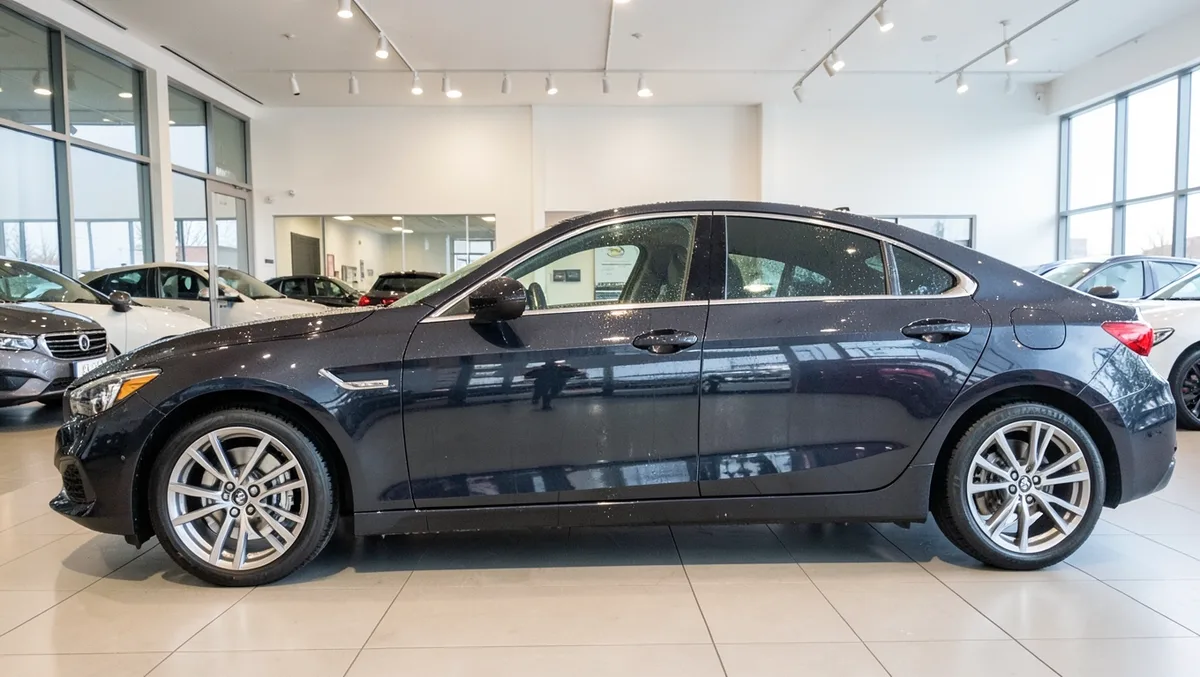
Yes, nearly every car dealership details a vehicle before it reaches the lot, whether it is brand new or a trade-in. How deep that detail goes varies by dealer, and on a used car the cost is often folded into a reconditioning fee instead of being billed as its own line item.
Here is what a dealership detail actually includes, why dealers bother with it, what it costs, and what to watch out for if you are buying a used car.
What Does Detailing Mean?
Detailing is a deep cleaning process that goes far beyond a regular car wash. It covers both the interior and exterior, from the paint and wheels to the carpets and air vents, with the goal of making a car look as close to new as possible. For a full step-by-step breakdown of everything a proper detail covers, see our guide on what is involved in car detailing.
A full detail typically includes washing, waxing, polishing, vacuuming, and cleaning every panel and crevice inside and out. It is not just cosmetic, either. Removing road grime and contaminants from the paint, and cleaning upholstery and carpets, also helps protect the car’s surfaces and preserve its resale value.
Do Car Dealerships Detail Cars?
Detailing before a sale is standard practice at most dealerships in the U.S., for a few practical reasons:
- New Cars: New vehicles get detailed to remove dust, protective film residue, and smudges picked up during transport from the factory or a rail yard.
- Used Cars: Trade-ins and used inventory get a more thorough detail to erase visible signs of wear, like stained seats, pet hair, or a dirty carpet, before they go on the lot.
- Customer Appeal: A clean, glossy car simply sells faster. Shoppers are drawn to the shiniest vehicles on the lot first, and dealers know it.
Some dealerships run their own in-house detailing bay staffed by dedicated detailers; others outsource the work to a local professional detailing shop. Either way, detailing is one of the last steps before a car is ready for sale.
What Is Included in a Dealership Detail?
A typical dealership detail is a lot more thorough than a quick rinse and vacuum. Here is what is usually included:
- Exterior Wash: The body, wheels, and glass get washed to remove dirt and grime, often with a foam pre-soak before any contact cleaning.
- Waxing and Polishing: A coat of wax or sealant gives the paint a glossy shine and adds a thin layer of protection.
- Interior Vacuuming: Carpets, seats, floor mats, and the trunk get vacuumed, including hard-to-reach spots under the seats.
- Upholstery Cleaning: Cloth seats and carpets are typically shampooed or steam-cleaned to lift stains and odors.
- Dashboard and Trim Cleaning: The dashboard, door panels, and other interior surfaces get wiped down with dedicated interior cleaners, which also helps keep the cabin smelling fresh.
- Glass Cleaning: Windows and mirrors are polished for a streak-free finish, inside and out.
- Tire Dressing: Tires get a dressing product to look black and glossy, a small finishing touch that makes a big visual difference.
Some dealerships go a step further, using clay bars to pull embedded contaminants out of the paint or applying a longer-lasting sealant. How thorough the job is depends on the dealership and the condition of the specific car.
Why Dealerships Detail Cars
Detailing takes time and money, so dealers do not do it for free. It pays off in a few concrete ways:
- Boost Sales: Shoppers are consistently drawn to the cleanest, shiniest cars on the lot, which shortens time-to-sale.
- Increase Perceived Value: A well-detailed used car looks newer and better maintained, supporting a higher asking price.
- Customer Satisfaction: Handing over a spotless, glossy car makes the purchase feel more like a premium experience.
- Brand Image: A dealership with a consistently clean, well-presented lot reflects better on the business as a whole.
How Dealership Detailing Differs From DIY
Dealerships have a few structural advantages over cleaning a car at home:
- Equipment: Dealerships use professional-grade tools, like high-pressure washers, steam cleaners, and dual-action polishers, that most owners do not have at home.
- Products: Detailing shops often use commercial-grade cleaners, waxes, and sealants that are not sold in ordinary retail stores.
- Expertise: Trained detailers are better at spotting and correcting issues like light scratches, water spots, or stubborn stains.
- Time: A dealership can turn around a full detail in a few hours, while a comparable DIY job can eat up an entire weekend.
That said, DIY detailing is a perfectly good way to maintain a car between professional visits. Many owners do light cleaning at home and leave the deeper, once-or-twice-a-year job to the professionals.
Here is a quick side-by-side comparison:
| Aspect | Dealership Detailing | DIY Detailing |
|---|---|---|
| Equipment | Professional-grade tools | Household tools |
| Products | Specialized cleaners and waxes | Store-bought products |
| Expertise | Trained detailers | Your own skills |
| Time | A few hours | Several hours or a weekend |
| Cost | $100-$300 | $20-$50 for supplies |
Can You Get Your Car Detailed at a Dealership?
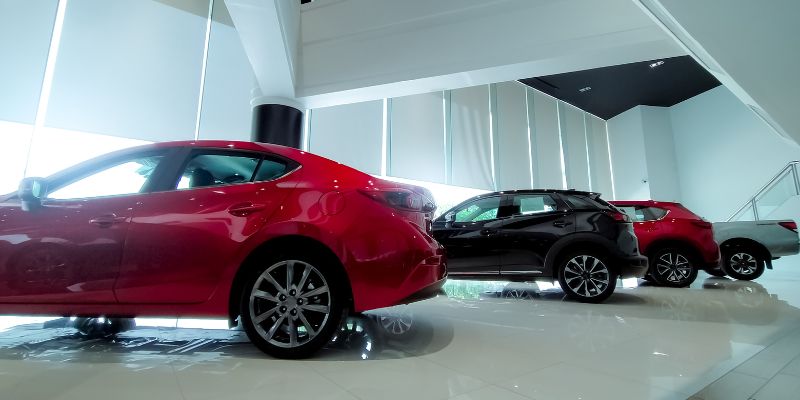
You do not have to buy a car to get one detailed there. Most dealerships will detail any vehicle for a fee, whether or not you bought it from them, and some offer it as a paid add-on alongside routine service appointments like an oil change.
Some dealers include a complimentary detail with a purchase, especially on new cars. Prices for a standalone visit generally range from around $100 for a basic wash-and-vacuum package up to $300 or more for a full interior-and-exterior job, so it is worth calling ahead and asking exactly what is included before booking.
What Is a Dealership Reconditioning Fee?
On used-car sales, dealers frequently roll the cost of detailing into a broader reconditioning fee rather than billing it separately. That fee is meant to cover everything the dealer does to make a trade-in or auction purchase sale-ready: a mechanical inspection, minor repairs, fresh fluids, and the detail itself. Part of that inspection is not optional, either. Many states legally require a safety or roadworthiness check before a used vehicle can be resold, so a portion of the reconditioning charge reflects a mandatory step rather than pure profit.
Reconditioning fees commonly range from a few hundred dollars up to $1,500 or more depending on the vehicle’s condition, and there is no standard rate, so dealers can set the charge however they choose. The catch is disclosure: this fee is not always itemized on the sticker or in an online listing, and some buyers do not see it until the final paperwork. Like most add-on fees, it is usually negotiable, so it is worth asking for an itemized breakdown of exactly what the reconditioning charge covers before agreeing to pay it.
What to Expect When Getting a Dealership Detail
- Booking: Most dealerships take an appointment, though some also accept drop-ins if the detail bay is not busy.
- Inspection: A detailer typically walks the car first, noting any scratches, stains, or areas that need extra attention.
- Time: A full detail generally takes about 2 to 3 hours, with most dealerships offering a waiting area or lounge.
- Results: A properly finished detail should leave the paint glossy and swirl-free, the glass streak-free, and the interior free of dust, stains, and odors.
Pros and Cons of Dealership Detailing
Pros
- Quality: Professional results are typically well beyond what most people can achieve at home.
- Convenience: Drop off the car and let a trained detailer handle the entire job.
- Warranty Protection: Some dealerships will correct their own detailing work at no charge if something is missed.
- Specialized Tools: Access to equipment, like rotary and dual-action polishers, that would be expensive to buy for occasional home use.
Cons
- Cost: A full detail typically runs $100 to $300 or more, well above the price of DIY supplies.
- Time: A full job can take a few hours, or a full day if you leave the car overnight.
- Inconsistent Quality: Not every dealership details to the same standard. A rushed wash with a dirty rag or an improperly used buffer can leave fine swirl marks in the clear coat, which is one reason some owners prefer handling a brand-new car’s first wash themselves rather than letting a rushed prep team do it.
How Much Does Dealership Detailing Cost?
Prices depend on the dealership, the vehicle, and the level of service. As a rough guide, in the U.S.:
- Basic Detail: $50-$100. A wash, vacuum, and window cleaning for a quick refresh.
- Full Detail: $150-$300. Interior and exterior, including waxing and upholstery cleaning.
- Premium Services: $300-$500+. Adds extras like paint correction or ceramic coating, aimed at higher-end or newer vehicles.
Some dealerships discount detailing for repeat customers or when it is bundled with other service work. Always ask for a quote upfront so there are no surprises on the final bill, and if you are buying a used car, ask whether the detail is already covered by a reconditioning fee (see above) rather than paying for it twice.
How to Choose a Good Dealership for Detailing
- Check Reviews: Look up reviews specifically mentioning the detailing or service department, not just the sales experience.
- Ask Questions: A good detailing department will explain exactly what a package includes without hedging.
- Visit the Lot: A clean, well-kept lot is usually a sign the dealership takes detailing seriously across the board.
- Ask About Staff: Confirm the detailers are trained and not just assigned the job with a sponge and a bucket.
- Get a Quote: Compare prices across a few dealerships or independent shops for the same scope of work before booking.
DIY Detailing vs. Dealership Detailing
- DIY Pros: Cheaper, and you control every step of the process.
- DIY Cons: Time-consuming, and without the right tools or products the results usually fall short of a professional finish.
- Dealership Pros: Professional-grade results with far less personal effort.
- Dealership Cons: Costs more, and you are working around the shop’s schedule.
A common middle ground is doing light maintenance cleaning at home and reserving a professional dealership detail for a deeper clean once or twice a year.
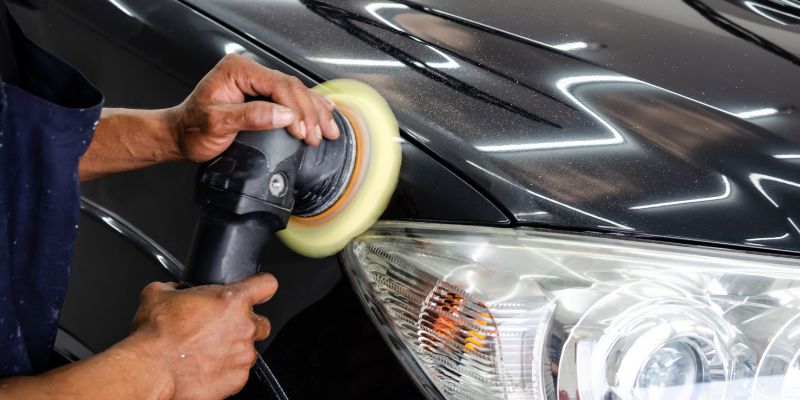
Environmental Benefits of Detailing
Detailing is not only about looks. A growing number of dealerships use eco-friendly products, like biodegradable cleaners and water-recycling wash systems, which cuts down on chemical runoff and water waste compared to an old-fashioned bucket wash. Keeping a car’s exterior clean can also modestly help fuel efficiency by reducing aerodynamic drag from built-up dirt and grime, though the effect is small compared to tire pressure and driving habits.
The Bottom Line
Most dealerships detail cars, new and used, as a standard part of getting them ready for sale, and many will detail a car for a fee even if you never buy from them. If you are buying used, the real thing to watch is not whether the car gets detailed, but whether that cost is already baked into a reconditioning fee you have not been shown yet. Ask for an itemized quote either way, and you will know exactly what you are paying for.
FAQs
Do all car dealerships offer detailing services?
Most dealerships detail every vehicle before it reaches the lot, though the depth varies. Some run an in-house detail bay, while others outsource to a professional detailer. Many will also detail a car for a non-customer for a flat fee.
How long does a dealership detail take?
A full interior-and-exterior detail typically takes 2 to 4 hours. A basic wash-and-vacuum refresh can be done in under an hour, while paint correction or a ceramic coating add-on can take a full day.
Is dealership detailing worth the cost?
For a deep clean using professional-grade equipment and trained staff, yes. But if you are buying a used car, remember the detailing cost may already be built into a reconditioning fee rather than a separate charge.
Can I get a free detail when buying a car?
Some dealerships include a detail in the purchase price, especially on new cars. On used cars, that cost is more often rolled into a reconditioning fee, so ask for an itemized breakdown before assuming it is complimentary.
What is a dealership reconditioning fee, and can I negotiate it?
It is a charge, often ranging from a few hundred dollars up to $1,500 or more, meant to cover the inspection, repairs, and detailing that get a used car ready for sale. It is frequently negotiable and is not always disclosed until late in the buying process, so always ask for an itemized quote.
How often should I get my car detailed?
Once or twice a year for a full professional detail is typical for most drivers, with lighter cleaning in between to protect the paint and upholstery.
Products related to this article
Sponsored / affiliate links. As an Amazon Associate I earn from qualifying purchases. I may earn additional commission from eligible campaigns.