How Often Should You Drive a Stored Car: Essential Maintenance Tips
Have you ever wondered what happens to your car when it just sits unused for weeks or months? You might think that leaving it parked and untouched is harmless, but the truth is, your car needs attention even when it’s stored.
Driving a stored car regularly can keep it healthy and ready for the road. But how often should you actually take it out for a spin? Getting this right can save you from costly repairs and unexpected breakdowns. Keep reading to discover the simple steps you can take to protect your car and keep it running smoothly, no matter how long it’s been sitting still.
Impact Of Long-term Storage
Storing a car for a long time affects many parts. The vehicle sits unused, causing small problems to grow. Understanding these effects helps keep the car in good shape. Regular checks and short drives can reduce damage and cost.
Effects On Engine And Fluids
Engines need regular running to stay healthy. Oil and other fluids settle and lose their strength. Old oil cannot protect engine parts well. Fuel can go stale and clog the system. Short drives keep fluids moving and fresh.
Tire And Battery Concerns
Tires lose air and can form flat spots from sitting. Flat spots make driving unsafe and uncomfortable. Batteries lose charge fast when unused. A dead battery makes starting the car hard. Moving the car helps keep tires round and battery charged.
Potential For Rust And Corrosion
Moisture builds up inside and outside the car. Metal parts start to rust without use. Rust weakens the car’s body and parts. Corrosion can affect brakes and fuel lines. Driving the car helps air out moisture and stops rust.
Ideal Driving Frequency
Driving a stored car once every two weeks helps keep the engine and battery healthy. Regular use prevents parts from seizing and fluids from degrading. Keeping a steady schedule protects your vehicle during long storage.
Recommended Intervals For Driving
Driving a stored car regularly keeps its parts working well. Experts suggest driving the car at least once every two weeks. This helps the battery stay charged and oil circulate properly. Short drives of 15 to 20 minutes are enough to warm up the engine fully.
Driving less often can cause problems like flat spots on tires and stale fuel. Even if the car is stored indoors, it needs movement. Frequent use prevents seals and gaskets from drying out and cracking.
Factors Influencing Drive Schedule
Several factors affect how often you should drive your stored car. The storage environment is one. Cars stored outside may need more frequent drives than those kept in a garage. Weather conditions also matter; cold weather can drain the battery faster.
The car’s age and condition play a role too. Older cars often need more care and should be driven more often. If the car was stored with a full fuel tank and fresh oil, it can sit longer without damage.
Finally, check the manufacturer’s advice. Some cars have specific needs that affect driving frequency during storage.

Pre-drive Checklist
Before driving a car that has been stored for a while, a quick check is very important. This pre-drive checklist helps avoid problems and keeps you safe on the road. It takes just a few minutes to make sure your car is ready to go.
Inspecting Fluid Levels
Check the engine oil first. Low oil can damage the engine. Next, look at the coolant level to avoid overheating. Brake fluid must be at the right level for good braking. Also, check the transmission fluid if your car has an automatic transmission. Don’t forget windshield washer fluid for clear visibility.
Checking Tire Pressure
Tires lose air over time, especially when the car sits still. Use a pressure gauge to measure each tire’s pressure. Inflate tires to the recommended level found in the owner’s manual or door sticker. Proper tire pressure helps with fuel efficiency and safe handling.
Battery Health Tips
Battery charge drops when a car is not used. Look for corrosion on battery terminals and clean if needed. Use a voltmeter to check battery voltage. A fully charged battery reads about 12.6 volts. If the battery is weak, consider charging or replacing it before driving.
Post-drive Maintenance
After driving a stored car, taking care of it is very important. Post-drive maintenance keeps the car in good shape. It helps avoid problems and keeps the car ready for the next drive. Small checks and simple cleaning make a big difference.
Cool Down And Cleaning
Let the engine cool down before doing anything. Hot parts can cause burns or damage. After cooling, clean dirt and bugs from the car. Use a soft cloth and mild cleaner. This stops rust and keeps the paint fresh.
Monitoring For Leaks And Noises
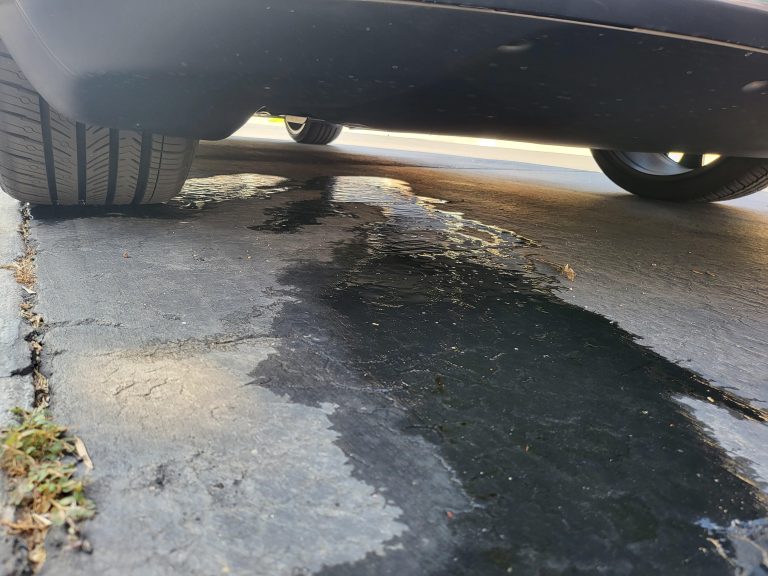
Check under the car for any leaks. Oil, coolant, or fuel leaks need quick attention. Listen for strange noises while the engine runs. Odd sounds can mean parts are loose or broken. Fixing these early saves money and trouble later.
Storage Preparation Tips
Preparing your car for storage helps keep it in good shape. Small steps now save big repair costs later. Focus on the basics to protect your vehicle.
Fuel, tires, and battery need special care. Each part can cause problems if ignored. Take time to prepare well.
Fuel Stabilization
Fuel breaks down over time and causes engine issues. Add a fuel stabilizer to a full tank. Run the engine for a few minutes. This spreads the stabilizer through the system. It stops fuel from turning bad and clogging parts.
Proper Tire Care
Tires can develop flat spots during storage. Inflate them to the recommended pressure. Check the pressure every few weeks. If possible, move the car slightly to change tire position. Use tire jacks for long storage to lift weight off tires.
Battery Maintenance
Batteries lose charge quickly when unused. Disconnect the battery to stop drainage. Use a trickle charger to keep it healthy. Check battery terminals for corrosion. Clean them with a baking soda solution if needed.
When To Seek Professional Help
Knowing when to ask a mechanic for help keeps your stored car safe and running well. Some problems need expert care to avoid costly repairs later. Regular checks by a professional can catch small issues early. This advice helps your car stay in good shape during storage.
Signs Of Mechanical Issues
Watch for strange noises from the engine or brakes. Leaks under the car may mean worn seals or hoses. Difficulty starting the car shows battery or fuel system troubles. Smoke or unusual smells signal engine or exhaust problems. Vibrations or shaking can mean tire or suspension faults. These signs require quick professional attention.
Routine Servicing Recommendations
Have a mechanic inspect the car every three to six months. They can change fluids like oil, brake, and coolant to keep parts moving smoothly. A full check of belts, hoses, and filters prevents breakdowns. Tire pressure and tread depth also need regular checks. Professionals can test the battery and charging system. Staying on schedule helps your car last longer in storage.

Frequently Asked Questions
How Often Should You Start A Stored Car?
Start a stored car at least once every two weeks. This keeps the battery charged and engine lubricated. Regular starts prevent fuel degradation and maintain fluid circulation, ensuring the car stays in good running condition during storage.
Is It Necessary To Drive A Stored Car Regularly?
Yes, driving a stored car regularly is important. It helps maintain tire shape, prevents brake issues, and circulates fluids. Driving every few weeks ensures mechanical parts stay functional and avoids problems caused by long periods of inactivity.
What Distance Should I Drive A Stored Car?
Drive a stored car for at least 10 to 15 minutes. This distance allows the engine to reach optimal temperature. Proper heat prevents moisture buildup, evaporates condensation, and maintains the car’s overall health during storage.
Can Long Storage Damage A Car’s Battery?
Yes, long storage can drain a car’s battery. Without regular charging, batteries lose power and may fail. Starting the car or using a trickle charger every couple of weeks keeps the battery healthy and extends its lifespan.
Conclusion
Driving a stored car regularly keeps its engine and parts healthy. Aim to drive it at least once every two weeks. This prevents battery drain and stops tires from getting flat spots. Short trips help oil circulate and fuel stay fresh.
Ignoring this can lead to costly repairs later. Keep your car ready to use by giving it simple care. Regular driving protects your investment and extends your car’s life. A little effort now saves trouble down the road.