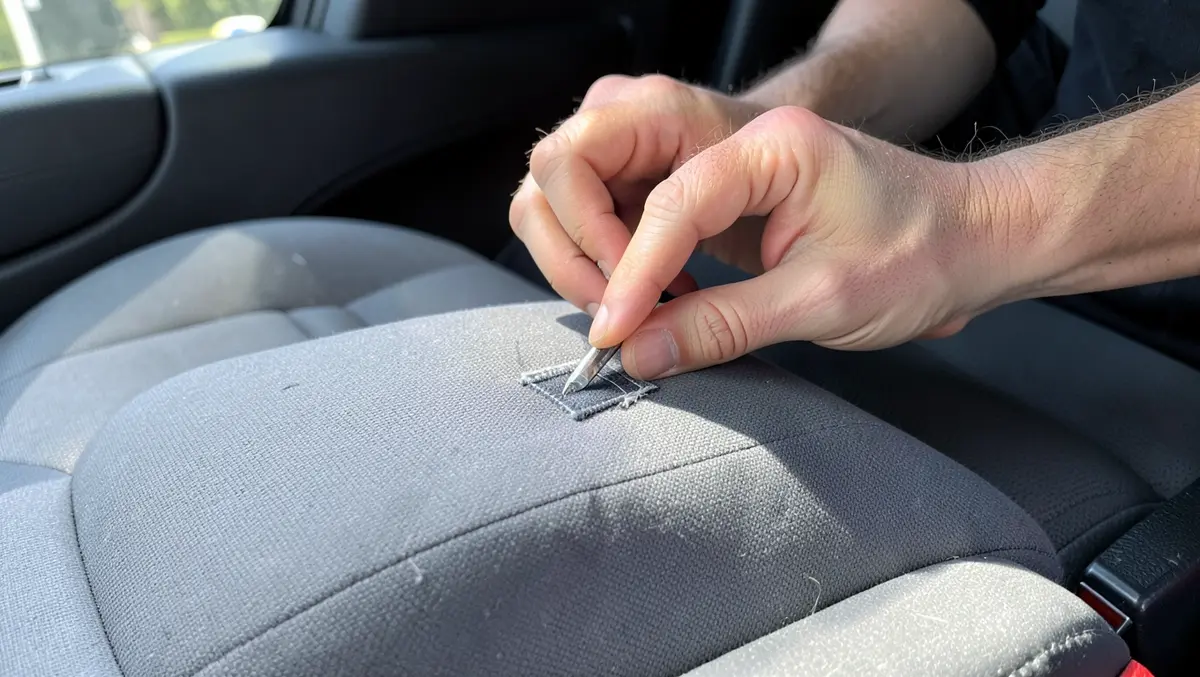
Upholstery Patches for Car Seats: Types, Fixes and Buying Tips
Upholstery patches let you fix a torn, burned, or cracked car seat yourself for $10 to $25, instead of paying $150 to $400+ for professional reupholstering. The right kit depends on your seat material: woven fabric patches work for cloth seats, while leather and vinyl seats need a flexible filler compound rather than a stitched patch. Below is how to tell which kind you need, how to apply it, and when the damage is too far gone for a DIY fix.
What Type of Seat Damage Are You Fixing?
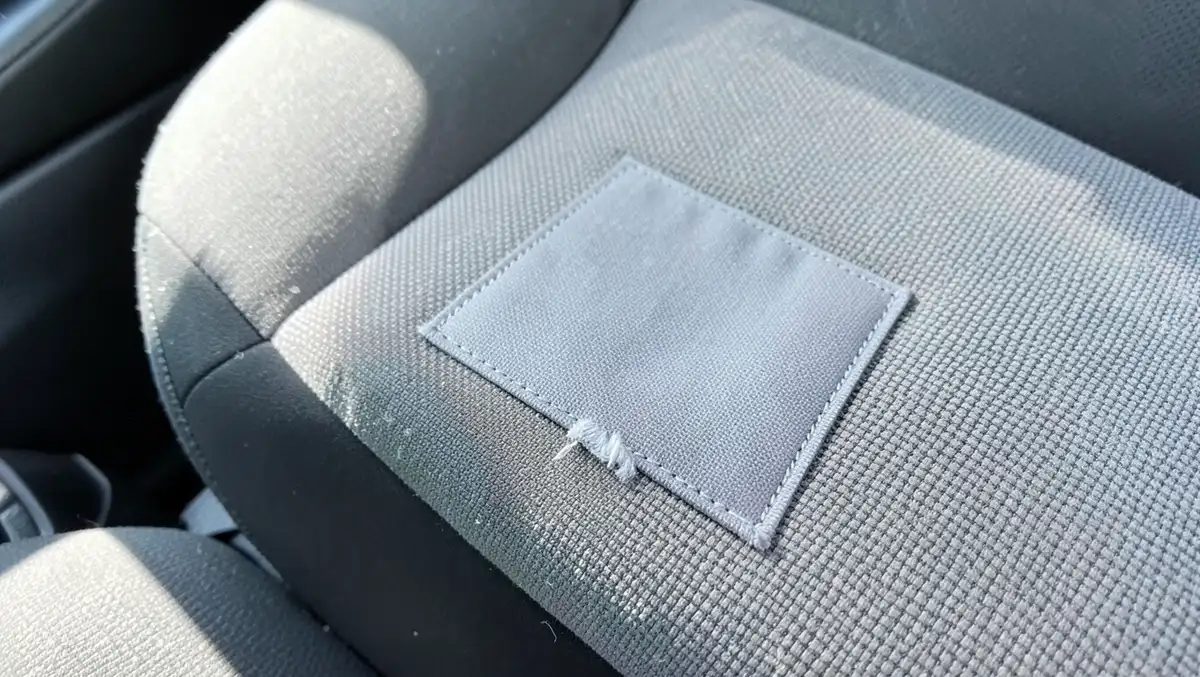
Not every upholstery problem gets fixed the same way. Cloth seats tear along the weave and need a patch that can be stitched or heat-bonded in place. Leather and vinyl seats don’t tear the same way — they crack, puncture, or burn, and a woven fabric patch will not bond to either surface. Use the table below to match your damage to the right repair approach.
| Damage Type | Seat Material | Repair Approach |
|---|---|---|
| Small tear or rip along a seam | Cloth/fabric | Woven fabric patch (iron-on or fabric glue) |
| Cigarette burn or small hole | Fabric, leather, or vinyl | Trim frayed edges first, then patch or filler compound — see our dedicated cigarette burn repair guide for the full trim-and-fill process |
| Crack or split in the surface | Leather or vinyl | Flexible filler compound + color-matched topcoat |
| Puncture or clean cut | Vinyl | Adhesive-backed vinyl patch (heat-set or peel-and-stick) |
| Large split, structural tear, or foam exposed | Any | Professional reupholstery recommended |
BEST FOR LEATHER & VINYL SEATS
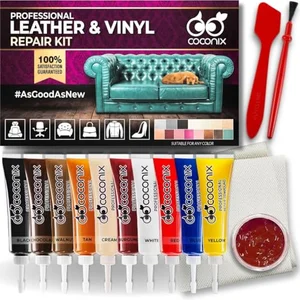 |
COCONIX Leather & Vinyl Repair Kit – $17.95 Since leather and vinyl seats need a filler compound rather than a stitched patch, this kit covers both with a full color-mixing range and a texture paper for matching the seat’s grain.
|
Fabric vs. Leather vs. Vinyl Patches: What Is the Difference
These three kit types are not interchangeable, and buying the wrong one is the most common reason a DIY repair fails.
- Fabric patch kits include a woven patch (often iron-on backed, or applied with fabric glue) that gets trimmed to size and pressed into the tear. Some kits include loose colored fiber and adhesive so you can build a patch that blends with the seat’s weave instead of using a plain solid patch.
- Leather repair kits use a flexible filler compound that dries into the crack or hole, then a color coat and a texture paper (pressed over the wet filler) to recreate the leather’s grain pattern.
- Vinyl repair kits work the same way as leather kits — filler plus color plus texture paper — because vinyl and leather crack and puncture in a similar way. Many kits, including the one above, are sold as “leather & vinyl” kits because the repair method is identical for both.
If you’re not sure which material your seat is, run your fingernail lightly across the surface near the damage. Fabric has a visible woven texture and will fray at a cut edge. Leather and vinyl are smooth and non-porous, and a cut edge stays clean rather than fraying.
How to Apply an Upholstery Patch to a Car Seat
- Clean and dry the area. Wipe away dirt, oil, and any loose debris around the damage. Adhesive and filler compound will not bond to a dirty or greasy surface.
- Trim frayed edges. On fabric, snip any loose threads. On leather or vinyl, trim any curled or peeling edges around the damage so the repair sits flush instead of raised.
- Apply the patch or filler. For fabric, cut the patch slightly larger than the tear and press it in place, using an iron on low heat if the kit calls for it. For leather or vinyl, apply the filler compound in thin layers, letting each layer dry before adding the next.
- Match the color. Most kits let you mix their base colors to match your seat rather than relying on one factory shade. Test the mix on a hidden spot (like the underside of the seat) before applying it to the visible repair.
- Recreate the texture. For leather and vinyl, press a texture paper over the still-wet color coat to restore a grain pattern instead of leaving the repair looking flat and shiny.
- Let it cure fully before use. Most filler compounds need several hours to a full day to cure. Sitting on the seat before it’s cured will leave an indent or smear the repair.
When a Patch Is Not Enough
A patch kit is built for small, contained damage — a tear a few inches long, a cigarette burn, a single crack or puncture. It’s not a fix for structural problems. If the foam underneath is exposed, if a seam has ripped open along its full stitch line, or if more than one large area is damaged, a patch will not hold up to regular use and a professional upholsterer (or a seat cover, as a cheaper stopgap) is the more realistic option — or, for a full DIY reupholster, sourcing your own automotive-grade leather hide and doing the job yourself. Reupholstering a single seat typically runs from around $150 to $400 depending on material and shop labor rates, which is still worth comparing against a full seat replacement before you decide.
Frequently Asked Questions
What Is the Best Patch for a Torn Car Seat?
It depends on the material. A woven fabric patch kit is best for cloth seats, while a leather-and-vinyl repair kit with a flexible filler compound is best for leather or vinyl seats. Using a fabric patch on leather, or a filler compound on fabric, will not hold.
Can You Patch a Leather Car Seat Yourself?
Yes, for small cracks, punctures, or burns. A leather repair kit with a color-matched filler compound and a texture paper can make the repair blend in closely with the surrounding seat. Large tears or damage where the foam is exposed are better handled by a professional upholsterer.
How Long Do Upholstery Patches Last on a Car Seat?
A properly applied patch or filler repair can last for years of normal use, especially on leather and vinyl where the filler compound cures into a flexible, durable surface. Repairs in high-friction spots, like the seat bolster you slide across getting in and out, tend to wear faster than repairs on the seat back or cushion center.
Do Fabric Patches Work on a Ripped Seam?
A patch alone usually isn’t the right fix for a ripped seam, since the problem is the stitching pulling apart rather than the fabric itself tearing. A ripped seam is generally better re-sewn (by hand or with a sewing machine), with a patch reserved for actual holes or tears in the fabric panel itself.
Is It Cheaper to Patch a Car Seat or Replace It?
Patching is almost always cheaper for small, isolated damage. A repair kit costs roughly $10 to $25, compared to $150 to $400+ to have a single seat professionally reupholstered, or significantly more to replace the seat assembly itself. Replacement only makes sense once the damage is too extensive, or too structural, for a patch to hold.
Conclusion
Matching the repair kit to your seat’s actual material is the single biggest factor in whether an upholstery patch works. Cloth seats need a woven fabric patch; leather and vinyl seats need a filler compound and a texture paper to blend the repair in. For most tears, burns, and small cracks, a $10–$25 kit and about an hour of careful work will save you a $150-plus trip to an upholstery shop.
Products related to this article
Sponsored / affiliate links. As an Amazon Associate I earn from qualifying purchases. I may earn additional commission from eligible campaigns.