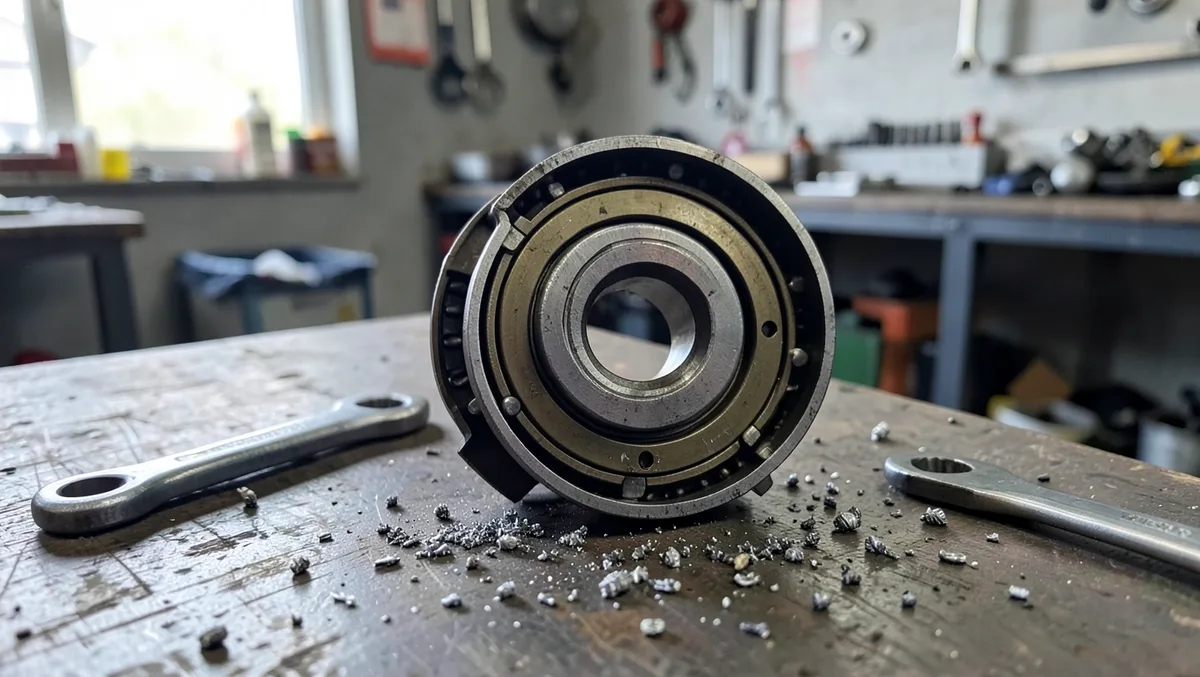
Wheel Bearing for a Car: Symptoms, Cost & Best Parts
A failing wheel bearing growls or hums louder as the car speeds up, and it usually needs replacing somewhere between 85,000 and 100,000 miles.
Left unaddressed, that noise turns into steering vibration, uneven tire wear, and eventually a wheel that can separate from the hub while driving. A shop typically charges $260 to $480 per axle for a full hub assembly replacement, while a bolt-on hub kit for a DIY swap runs about $50 to $150 in parts. Below are the warning signs worth checking first, followed by three hub assembly kits matched to specific vehicles.
Wheel Bearing Symptoms and Replacement Cost
Before buying a replacement part, confirm the bearing is actually the problem and not a warped rotor or worn CV joint. A bad wheel bearing usually shows up as one or more of these:
- A humming or growling noise that grows louder with speed and shifts pitch when you turn
- Vibration in the steering wheel or floorboard that a wheel alignment or new tires does not fix
- The car pulling to one side under braking
- A wheel hub that feels unusually hot after a drive, or noticeable play when you grip the tire at 12 and 6 o’clock and rock it
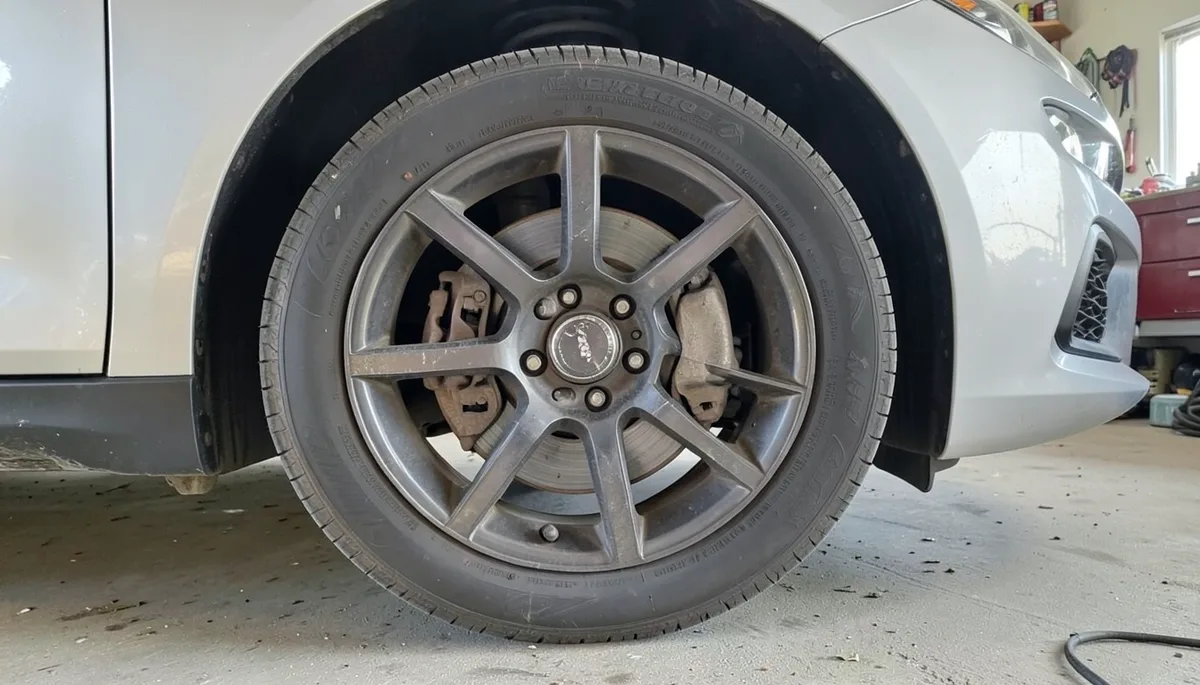
Under normal driving, a wheel bearing lasts about 85,000 to 100,000 miles, though frequent exposure to road salt, water crossings, or unpaved roads can cut that lifespan by 25 to 30 percent or more. A shop’s $260 to $480 quote for one front hub assembly usually splits into $120 to $200 for the part and $140 to $280 for labor. For a deeper look at how the part is built and how front and rear bearings differ, see our guide to what a wheel bearing does.
Parod 513214 Set Of 2 Front Wheel Bearing Hub Assembly
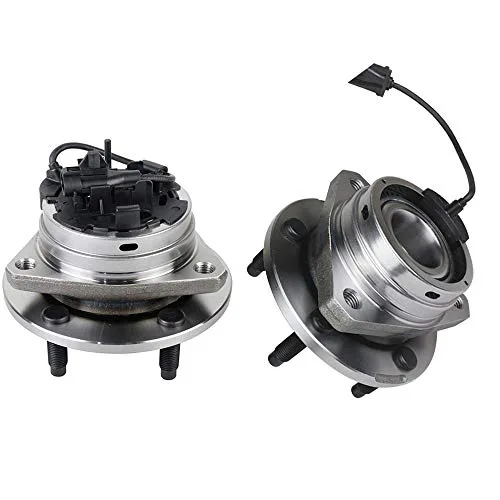
The PAROD 513214 Set of 2 Front Wheel Bearing Hub Assembly is a direct bolt-in replacement for a 2004-2012 Chevy Malibu, 2008-2010 Cobalt HHR, 2005-2010 Pontiac G6, or 2007-2009 Saturn Aura. Because it comes as a set of two, it works well if you already know both front bearings are worn or want to replace them together to avoid pulling the same corner apart twice.
Pros:
- Sold as a pair, so both front corners get done in one order
- ABS sensor pre-installed on the hub, so the wiring plugs straight into the harness
- 5-lug pattern matches the GM models listed without modification
Cons:
- Only fits the specific GM platforms listed, not a universal part
- Heavier than a bearing-only kit since the full hub and sensor are included
Because the hub, bearing, and ABS sensor arrive as one pre-assembled unit, there is no press or bearing puller needed for this job. Most owners can swap a hub assembly like this with a jack, a torque wrench, and basic hand tools in under an hour per side. Check current pricing for the PAROD 513214 on Amazon.
A-premium Front Wheel Bearing And Hub Assembly
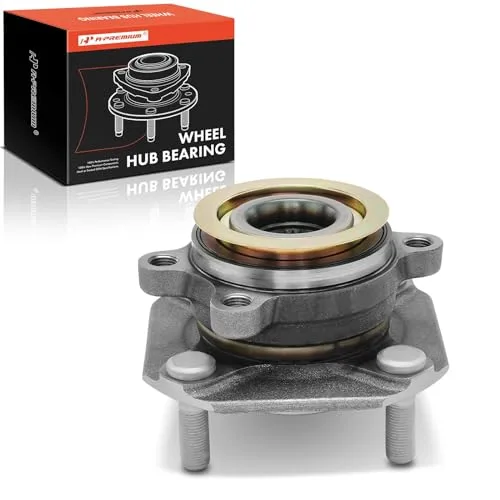
This A-Premium Front Wheel Bearing and Hub Assembly is built for a 2007-2012 Nissan Sentra with the 2.0L L4 engine and 4-wheel ABS — check your build sheet before ordering, since Sentras from this era were sold with more than one drivetrain configuration. It replaces the front hub as a single unit rather than pressing a bare bearing into your existing hub.
Pros:
- 4-lug fitment matches the Sentra’s wheel pattern exactly
- Reduces the humming and vibration that a worn bearing causes at speed
- No hydraulic press required for a DIY install
Cons:
- Only fits Sentras with the 2.0L, 4-wheel ABS build, not every Sentra trim from that generation
- A torque wrench is required to seat the axle nut correctly, or the new bearing can fail early
Confirm your VIN’s drivetrain and ABS configuration before ordering, since a mismatched hub will not seat the axle nut properly. Once fitted, this hub is a straightforward way to quiet down a front end that hums or vibrates without touching the wheel alignment. Compare the A-Premium Sentra hub assembly price on Amazon.
A-premium Rear Wheel Bearing And Hub Assembly
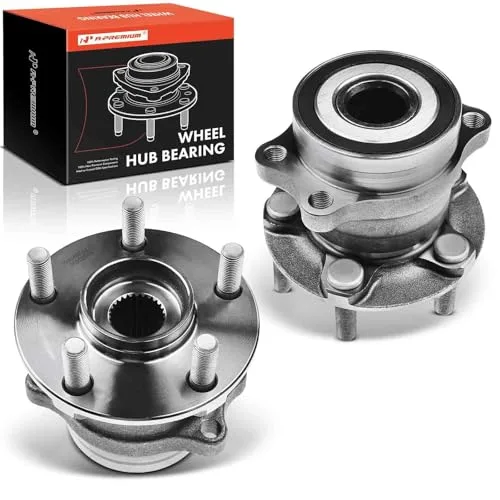
Subaru’s all-wheel-drive layout puts extra load on the rear bearings, which is why this A-Premium rear kit ships as a matched pair rather than a single side. It fits the Subaru Forester (2014-2018), Impreza (2012-2021), Crosstrek (2016-2021), and XV Crosstrek (2013-2015) with the 5-lug rear hub.
Pros:
- Both rear hubs included, so you are not ordering a second part later
- 5-lug fitment matches the Subaru models listed
- Pre-assembled hub and bearing means no press-fit tools needed
Cons:
- Rear subframe access varies by model year, so budget extra time on some Foresters
- Limited to the Subaru platforms listed, not a universal rear hub
Because AWD Subarus turn the rear wheels under power, a worn rear bearing here tends to announce itself with the same growling noise as a front one, just felt more toward the back seat than the steering wheel. Replacing both sides together, as this kit is packaged, avoids a mismatched noise level between the two rear corners a few months apart. See the A-Premium Subaru rear hub kit on Amazon.
Frequently Asked Questions
What Is A Wheel Bearing Hub Assembly?
A wheel bearing hub assembly connects the wheel to the vehicle’s suspension and lets it spin with minimal friction while carrying the car’s weight. It combines the sealed bearing itself with the hub the wheel bolts to, and on many modern vehicles the ABS speed sensor as well, so replacing the whole assembly is usually simpler than pressing a bare bearing into the original hub.
How To Know If Wheel Bearings Are Failing?
A failing wheel bearing usually announces itself with a humming or growling noise that gets louder as speed increases and changes pitch in turns. Steering vibration, a car that pulls under braking, and a wheel hub that feels hot or has play when rocked by hand are the other warning signs worth checking before you drive further.
Are These Wheel Bearings Easy To Install?
All three hub assemblies above are pre-assembled units, so no bearing press is needed; a jack, jack stands, a torque wrench, and basic hand tools are usually enough for a driveway install. The one step that trips people up is torquing the axle nut to the manufacturer’s spec once it’s back together, since an under-tightened nut can cause a new bearing to fail early.
Can I Drive With A Bad Wheel Bearing?
Driving with a bad wheel bearing is unsafe. As the bearing wears further it loses its ability to hold the wheel in alignment, and in the worst case the wheel can separate from the hub while moving. If you hear a growing hum or feel new steering vibration, get the bearing inspected before your next long drive rather than waiting for the noise to worsen.
How Often Should Wheel Bearings Be Replaced?
Most wheel bearings last 85,000 to 100,000 miles under normal driving, and some last the life of the vehicle. Frequent exposure to road salt, water, or unpaved roads can shorten that lifespan by 25 to 30 percent or more, so replace on symptoms rather than a fixed mileage number if you drive in those conditions often.
How Much Does It Cost To Replace A Wheel Bearing?
A shop typically charges $260 to $480 to replace one front hub assembly, split roughly between $120 to $200 for the part and $140 to $280 for labor; replacing all four corners can run close to $1,400. A bolt-on hub kit for a DIY install, like the three above, generally costs $50 to $150 in parts alone.
Conclusion
A wheel bearing that hums louder with speed, lets the wheel wobble, or feels hot after a drive needs attention before the next long trip, not after. Most bearings last 85,000 to 100,000 miles, and a shop repair runs $260 to $480 per axle if you would rather not do the swap yourself.
Whether you drive a Chevy Malibu, Nissan Sentra, or Subaru Forester, matching the hub assembly to your specific model and lug pattern is what makes the difference between a clean bolt-in job and one that fights you. Confirm your vehicle’s exact fitment against the listings above, torque the axle nut to spec once it’s installed, and the noise and vibration should disappear for good.
Products related to this article
Sponsored / affiliate links. As an Amazon Associate I earn from qualifying purchases. I may earn additional commission from eligible campaigns.