How to Add an Aux Port to Your Car: A Step-by-Step Guide
Hey there! So, you’re looking to add an aux port to your car, huh? I totally get it. There’s something so satisfying about plugging in your phone and blasting your favorite playlist through your car’s speakers. I remember the first time I wanted to ditch those old CDs and upgrade my ride’s audio system—it felt like stepping into the modern age! Whether you’re tired of FM transmitters or just want a cleaner way to play music, adding an auxiliary (aux) port to your car is a game-changer. I’ve been down this road myself, and I’m excited to share everything I’ve learned. In this guide, I’ll walk you through the process, step by step, so you can enjoy your tunes without breaking the bank or your car’s dashboard. Let’s dive in!
Why Add an Aux Port to Your Car?
Let’s start with why you’d want an aux port in the first place. If your car is a bit older, it might not have a built-in aux input. Back in the day, car stereos relied on cassette tapes or CDs, and while those were great, they’re not exactly convenient now. An aux port lets you connect your phone or MP3 player directly to your car’s audio system. This means better sound quality, no static, and no fussing with finicky Bluetooth connections or FM transmitters.
When I first started exploring this, I was using an FM transmitter, and let me tell you, it was a hassle. The signal would cut out, and I’d have to switch frequencies every time I drove through a new city. Adding an aux port solved all that. It’s simple, reliable, and works with any device that has a headphone jack. Plus, it’s a budget-friendly upgrade compared to replacing your entire stereo system.
Checking Your Car’s Stereo Compatibility
Before you grab your tools, you need to figure out if your car’s stereo can support an aux port. This was the first thing I did when I tackled this project, and it saved me a ton of time. Most cars built after the early 2000s have stereos that can handle an aux input, either through a built-in port or an add-on. Here’s how to check:
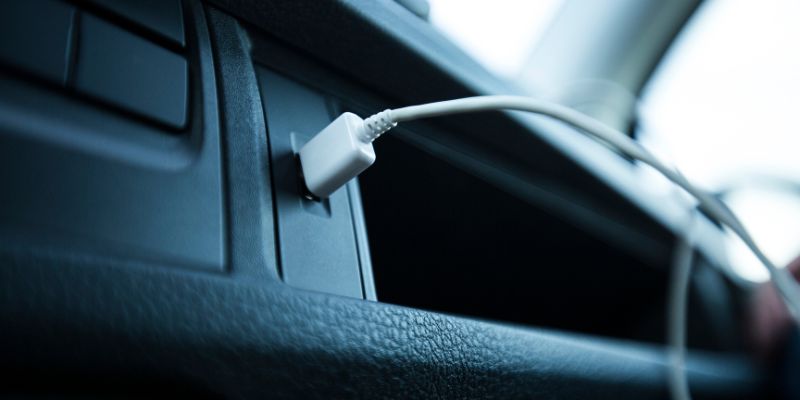
- Look for an existing aux port: Pop open your glovebox, center console, or check the front of your stereo. Some cars have a hidden 3.5mm jack you might’ve missed.
- Check your stereo model: If there’s no aux port, find your stereo’s make and model. You can usually see this on the stereo faceplate or in your car’s manual. A quick Google search will tell you if it supports an aux input add-on.
- Inspect for CD changer or satellite radio ports: Many older stereos have ports in the back for external devices like CD changers. These can often be used to add an aux input.
When I checked my old Honda Civic’s stereo, I found it didn’t have an aux port but had a CD changer input in the back. That was my ticket to adding an aux connection without swapping out the whole unit.
Options for Adding an Aux Port
There are a few ways to add an aux port to your car, and the best one depends on your car, budget, and comfort with DIY projects. I’ve tried a couple of these methods, and each has its pros and cons. Here’s a breakdown:
| Method | Pros | Cons | Best For |
|---|---|---|---|
| Aux Input Adapter | Affordable, easy to install, uses existing stereo ports | May require some wiring, not all stereos compatible | Budget-conscious DIYers |
| Aftermarket Stereo | Modern features (Bluetooth, USB, etc.), high-quality sound | Expensive, complex installation | Those wanting a full upgrade |
| FM Transmitter with Aux | No installation needed, portable, works with any car | Sound quality can be inconsistent, interference in busy areas | Temporary or non-invasive solution |
| Cassette Adapter | Cheap, easy to use, no tools required | Only works with cassette players, lower sound quality | Cars with cassette decks |
I went with an aux input adapter for my car because it was affordable and didn’t require replacing my stereo. But let’s explore each option so you can pick what works for you.
Aux Input Adapter
This is the method I used, and it’s great if you want to keep your factory stereo. An aux input adapter connects to the back of your stereo, usually through the CD changer or satellite radio port. You can find adapters for most car makes and models online for $20–$50. Here’s how it works:
- Buy an adapter specific to your car’s stereo brand (like Pioneer, Sony, or Kenwood).
- The adapter plugs into the stereo’s external port and gives you a 3.5mm aux jack.
- You’ll need to route the aux cable somewhere accessible, like your glovebox.
The installation took me about an hour, and I’ll walk you through the steps later. The sound quality was crisp, and I loved how seamless it felt—like my car came with an aux port from the factory.
Aftermarket Stereo
If your stereo doesn’t support an aux adapter or you want modern features, swapping it out for an aftermarket stereo is a solid option. I considered this but decided against it because my factory stereo matched my car’s vibe. New stereos often come with aux ports, Bluetooth, and USB inputs. They cost $100–$500, depending on the brand and features.
Installation can be tricky, though. You might need a wiring harness and a dash kit to make the new stereo fit your car’s dashboard. If you’re not comfortable with wiring, a professional can do it for about $100–$200. The upside? You get a modern audio system that’ll make your car feel brand-new.
FM Transmitter with Aux
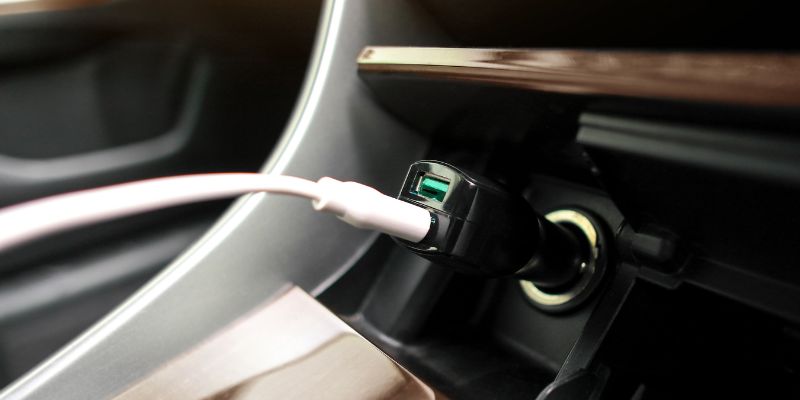
I used an FM transmitter before I installed my aux port, and it’s a decent temporary fix. You plug it into your car’s cigarette lighter, connect your phone via a 3.5mm cable, and it broadcasts your music to an unused FM frequency. They’re super cheap—$10–$30—and require zero installation.
The downside? Sound quality depends on where you’re driving. In big cities, finding a clear FM frequency can be a pain. I’d recommend this if you’re not ready for a permanent solution or just want something quick.
Cassette Adapter
If your car has a cassette player, a cassette adapter is the easiest option. It’s a cassette-shaped device with a 3.5mm cable that plugs into your phone. Pop it into the cassette deck, and you’re good to go. I borrowed one from a friend to test it out, and it worked fine, but the sound wasn’t as clear as a direct aux connection. Plus, it only works if your car has a cassette player, which is rare in newer models.
Tools and Materials You’ll Need
Before you start, gather your tools. I learned the hard way that having everything ready makes the process smoother. Here’s what I used for my aux input adapter installation:
- Screwdrivers (Phillips and flathead)
- Trim removal tools (plastic ones to avoid scratching your dashboard)
- Aux input adapter (specific to your stereo)
- 3.5mm aux cable
- Electrical tape or zip ties (to secure wires)
- Socket wrench (for some stereos)
- Wire stripper (if splicing is needed)
You can find most of these at a hardware store or online. My total cost was about $40, including the adapter. If you’re going with a different method, like an aftermarket stereo, you might need additional items like a wiring harness or dash kit.
Step-by-Step Guide to Installing an Aux Input Adapter
Alright, let’s get to the fun part—installing the aux port! I’m going to walk you through how I added an aux input adapter to my car. If you’re using a different method, some steps might vary, but this should give you a good starting point.
Step 1: Disconnect the Battery
Safety first! I always disconnect my car’s battery before messing with the stereo. Pop the hood, find the negative battery terminal (usually marked with a “–”), and loosen it with a wrench. This prevents any electrical mishaps while you’re working.
Step 2: Remove the Stereo
This part can feel intimidating, but it’s not too bad. Check your car’s manual or look up your stereo model online to see how it’s secured. For my Civic, I used a flathead screwdriver and trim removal tools to pop off the dashboard trim around the stereo. Be gentle—you don’t want to crack the plastic.
Once the trim is off, you’ll see screws or bolts holding the stereo in place. Remove them and gently pull the stereo out. It’ll still be connected by wires, so don’t yank it too hard.
Step 3: Locate the CD Changer or Aux Port
With the stereo out, look at the back for a CD changer or satellite radio port. It’s usually a rectangular or circular plug. My adapter came with a cable that matched this port perfectly. If you’re unsure, double-check your adapter’s instructions or the stereo’s manual.
Step 4: Connect the Aux Input Adapter
Plug the adapter into the stereo’s port. It should click in securely. Then, connect the 3.5mm aux cable to the adapter. I routed my cable through the dashboard to the glovebox so it was easy to access but out of sight. Use zip ties or electrical tape to keep the wires tidy.
Step 5: Test the Connection
Before putting everything back together, reconnect the battery and test the setup. Plug your phone into the aux cable, play some music, and switch your stereo to the “aux” or “CD” input (check your adapter’s instructions). I was so excited when I heard my playlist come through the speakers—crystal clear!
Step 6: Reassemble Everything
If the test works, disconnect the battery again, tuck the wires away, and slide the stereo back into place. Secure it with the screws or bolts, then snap the dashboard trim back on. Reconnect the battery, and you’re done!
Troubleshooting Common Issues
I ran into a couple of hiccups during my installation, so let me save you some trouble. If you don’t hear sound, check that the adapter is firmly plugged in and the stereo is set to the right input. If the sound is fuzzy, make sure your aux cable isn’t damaged—try a different one. And if your stereo doesn’t have a compatible port, you might need to go with an aftermarket stereo or FM transmitter instead.
Maintaining Your New Aux Port
Once your aux port is installed, it’s pretty low-maintenance. I’ve been using mine for years, and it’s still going strong. Just keep the aux cable clean and avoid yanking it too hard. If you notice static or poor sound quality, try a new cable or check the adapter’s connections.
Benefits of Adding an Aux Port
Adding an aux port isn’t just about playing music—it’s about making your drive more enjoyable. I love how I can now play podcasts, audiobooks, or my curated playlists without dealing with spotty connections. It’s also safer than fumbling with CDs or a phone while driving. Plus, it adds value to your car if you ever decide to sell it.
Cost Breakdown
Here’s a quick look at what you might spend, based on my experience:
| Item | Cost |
|---|---|
| Aux Input Adapter | $20–$50 |
| Tools (if you don’t own) | $10–$30 |
| Aux Cable | $5–$15 |
| Professional Installation (optional) | $50–$150 |
I kept my costs under $50 by doing it myself, but even with professional help, it’s way cheaper than a new stereo.
Conclusion
Adding an aux port to my car was one of the best upgrades I’ve made. It’s simple, affordable, and makes every drive more fun. Whether you’re rocking out to your favorite band or catching up on a podcast, having a direct aux connection beats messing with FM transmitters or outdated CDs. I hope this guide has given you the confidence to tackle this project yourself. Grab your tools, pick the method that suits you, and get ready to enjoy your music like never before. Happy driving!
FAQs
Can I add an aux port to any car?
Yes, most cars can have an aux port added, but the method depends on your stereo. If your car has a cassette player, a cassette adapter is the easiest fix. For stereos with CD changer ports, an aux input adapter works great. If neither is an option, you might need an aftermarket stereo or FM transmitter.
How much does it cost to add an aux port?
It depends on the method. A cassette adapter or FM transmitter costs $10–$30. An aux input adapter runs $20–$50, plus tools if you don’t have them. An aftermarket stereo can cost $100–$500, plus installation fees if you hire a pro.
Do I need professional help to install an aux port?
Not always! If you’re comfortable with basic tools and following instructions, you can install an aux input adapter yourself. I did it in about an hour. But if you’re swapping out the stereo or aren’t confident with wiring, a professional can help.
Will adding an aux port affect my car’s warranty?
Adding an aux port usually won’t void your car’s warranty, especially if you’re using a plug-and-play adapter. However, if you modify the wiring or install a new stereo, it could affect the warranty for the audio system. Check with your dealer if you’re unsure.
Can I add an aux port if my car has Bluetooth?
If your car has Bluetooth, you might not need an aux port, as Bluetooth does the same job wirelessly. But if your Bluetooth is spotty or you prefer a wired connection for better sound quality, adding an aux port is still a great option.