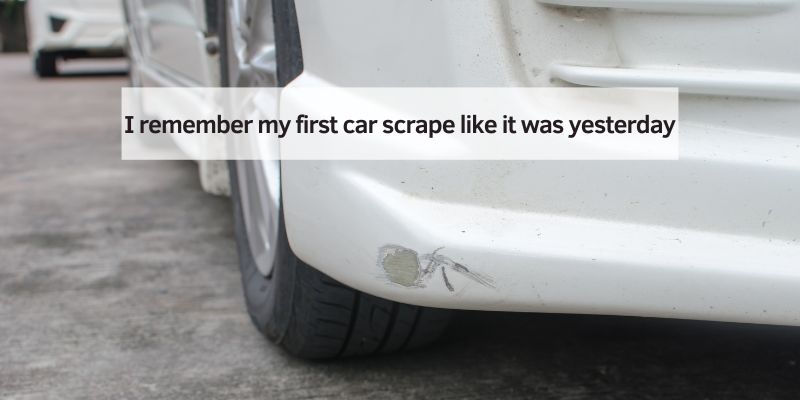
I remember my first car scrape like it was yesterday
I was pulling into a tight parking spot when crunch—my bumper grazed a pole, leaving an ugly scrape. My heart sank, but I learned how to buff out a scrape on a car and made it disappear. In this guide, I’ll share easy steps to fix a car scrape yourself, even if you’re new to this. You’ll learn what tools you need, how to do it safely, and tips to save money. Let’s make your car shine again!
What Is Buffing Out a Car Scrape?
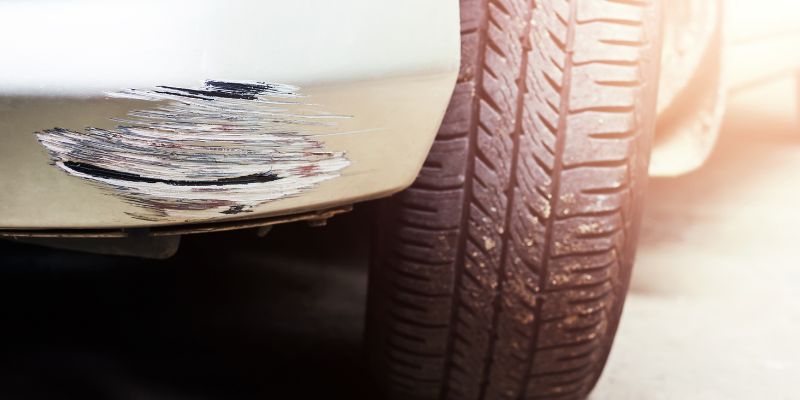
Buffing a car scrape means gently polishing the surface to remove light scratches. It smooths out tiny marks in the paint, making them invisible. This works best for shallow scrapes, not deep dents. I once fixed a scrape on my door that looked bad but was just surface-level. Buffing is like erasing pencil marks—it’s simple and satisfying when done right.
Why Buff Out a Scrape?
Buffing saves you money compared to a body shop. A professional repair can cost $500 or more, but DIY buffing might cost $20-$50. It also keeps your car looking great, which feels good. Plus, it’s a fun project! I felt proud fixing my car myself, and you can too.
Tools and Materials You Need
You don’t need fancy tools to buff out a scrape. Here’s what I use:
- Rubbing compound: A mild abrasive paste to smooth scratches.
- Polishing compound: Adds shine after buffing.
- Microfiber cloths: Soft cloths to avoid new scratches.
- Car wax: Protects the paint afterward.
- Bucket and soap: To clean the car first.
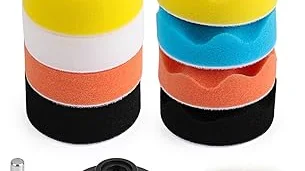
- Orbital buffer (optional): Makes buffing faster but isn’t required.
- Masking tape: Protects areas around the scrape.
I bought a basic kit at an auto store for about $30. You can find these at places like AutoZone or Walmart.
Table 1: Tool Comparison
| Tool | Cost | Why Use It? |
|---|---|---|
| Rubbing Compound | $10-15 | Removes light scratches |
| Polishing Compound | $10-15 | Restores shine |
| Orbital Buffer | $30-50 | Faster, smoother buffing |
Caption: Compare tools to decide what fits your budget and needs.
How to Buff Out a Scrape on a Car: Step-by-Step
Here’s my easy guide to buffing out a scrape. Follow these steps, and you’ll be amazed at the results.
Step 1: Clean the Area
Wash the scraped area with soap and water. Dry it with a microfiber cloth. A clean surface helps you see the scrape clearly. I once skipped this step and got dirt in my compound—big mistake!
Step 2: Check the Scrape
Feel the scrape with your finger. If it’s smooth, it’s just paint damage and buffing will work. If it’s deep or you feel metal, you may need a professional. My bumper scrape was shallow, so buffing was perfect.
Step 3: Apply Rubbing Compound
Put a small dab of rubbing compound on a microfiber cloth. Rub it gently in circles over the scrape. Do this for 1-2 minutes. I use light pressure to avoid damaging the paint.
Step 4: Wipe and Inspect
Wipe off the compound with a clean cloth. Check if the scrape is gone. If not, repeat step 3. My door scrape took two rounds to disappear completely.
Step 5: Polish for Shine
Apply polishing compound with a fresh cloth. Rub in circles to make the area shiny. This step makes your car look brand-new. I love seeing the sparkle return!
Step 6: Wax for Protection
Put a thin layer of car wax over the area. This protects the paint from sun or rain. I wax my car every few months to keep it safe.
Step 7: Optional Buffing with a Tool
If you have an orbital buffer, use it on low speed with a polishing pad. It saves time but be careful not to press too hard. I borrowed a friend’s buffer once and finished in half the time.
Table 2: Step-by-Step Buffing Guide
| Step | Time | Tips |
|---|---|---|
| Clean the Area | 5 min | Use soap to remove dirt |
| Apply Compound | 2 min | Rub gently in circles |
| Polish and Wax | 5 min | Use microfiber for best shine |
Caption: Follow these steps for a smooth buffing process.
Benefits of Buffing a Car Scrape
Buffing is cheap and quick. It can fix small scrapes in under 30 minutes. It also saves you from costly repairs. I’ve buffed out three scrapes on my car and saved hundreds of dollars. Plus, it’s satisfying to do it yourself.
Drawbacks and Other Options
Buffing only works for light scrapes. Deep scratches or dents need professional help. If you buff too hard, you might damage the paint. I once pressed too hard and made a dull spot—lesson learned! You could also use touch-up paint for deeper scratches, but it’s trickier. A body shop is another option, but it’s pricier.
My Top Tips for Buffing Success
Here are my favorite tips to make buffing easy:
- Test first: Try the compound on a small spot to check it works.
- Work in shade: Sunlight can dry the compound too fast.
- Use soft cloths: Hard rags can scratch the paint.
Table 3: Cost-Saving Tips
| Tip | Why It Saves Money |
|---|---|
| Use microfiber cloths | Reusable, no need for new ones |
| Buy a kit | Cheaper than individual items |
| Buff yourself | Avoid $500+ shop fees |
Caption: Save money with these easy buffing tips.
Common Mistakes to Avoid
Don’t rush the process. I once skipped cleaning and got dirt streaks. Don’t use too much compound—it can clog and make a mess. Also, avoid buffing in direct sun. It dries the paste and leaves marks. Take your time, and you’ll get great results.
Visual Ideas for Better Understanding
To make this easier, imagine these visuals:
- A diagram showing how to rub compound in circles.
- A photo of tools like cloths and compounds laid out.
- A before-and-after picture of a buffed car scrape.
These would help you see each step clearly.
Safety Tips for Buffing
Always work in a well-ventilated area. Rubbing compounds can have strong smells. Wear gloves if your skin is sensitive. I wear old clothes since compounds can stain. Keep kids and pets away from your workspace to avoid messes.
My Personal Buffing Story
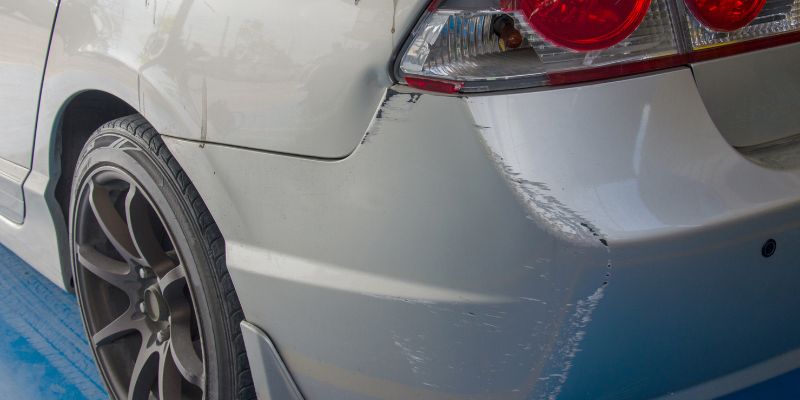
Last summer, I scraped my car’s door on a fence. It looked awful, but I didn’t want to pay $600 at a shop. I watched a video on YouTube and bought a $25 buffing kit. After 20 minutes of careful work, the scrape was gone! I felt like a pro. You can do this too with a little patience.
Conclusion
Buffing out a car scrape is easy, cheap, and fun. You just need a few tools, some simple steps, and a bit of care. It saves money and makes your car look great. Try it on a small scrape first to build confidence. Share your results with friends or on social media—I’d love to hear how it goes! Grab your supplies and start buffing today!
Frequently Asked Questions
What Is a Car Scrape?
A car scrape is a light scratch on the paint. It happens when something like a key or branch rubs the surface. Buffing can fix shallow scrapes by smoothing the paint. Deep scratches may need more work.
Can I Buff Out Any Scrape?
Buffing works for light, surface-level scrapes. Feel the scratch—if it’s smooth, you can buff it. If it’s deep or shows metal, see a professional. I fixed a light bumper scrape, but a deep one needed a shop.
How Long Does Buffing Take?
Buffing a small scrape takes about 20-30 minutes. Cleaning, buffing, and polishing are quick steps. I spent 25 minutes on my door scrape and got great results.
Do I Need an Orbital Buffer?
No, you can buff by hand with a cloth. An orbital buffer is faster but costs more. I’ve done it both ways—hand-buffing works fine for small scrapes.
How Much Does Buffing Cost?
A DIY buffing kit costs $20-$50. You’ll need compounds, cloths, and wax. I spent $30 on my kit and fixed multiple scrapes, saving hundreds compared to a shop.
Can Buffing Damage My Car?
If you buff too hard or use the wrong compound, you might dull the paint. Always test a small area first. I learned to use light pressure to avoid mistakes.
Where Can I Buy Buffing Supplies?
You can find buffing supplies at auto stores like Advance Auto Parts or online at Amazon. I got my kit locally for convenience.