Best Car Waxes for Protection (2026): We Compared
For most DIY owners, the best car wax depends on use: pick a long-wearing synthetic liquid or hybrid sealant for daily drivers, a carnauba-rich paste for garaged weekend cars, and a spray wax for fast top-ups. Match the product to parking, wash habits, and paint condition, or you will lose protection early or pay for shine that fades after a few washes. This guide separates long-lasting protection from show-car gloss and points you to the right wax type for your car’s conditions.
Quick comparison
| Product | Badge | Best for | Price | ||
|---|---|---|---|---|---|
 |
Meguiar’s Ultimate Liquid Wax, 16 Oz | Improved Liquid CarMeguiar’s | Our pick | 16 oz · Liquid · Synthetic | $29.99
Price as of 16 Oct 2026
|
View |
 |
Collinite 845 Insulator Wax-Easy to Use Carnauba+PolymerCOLLINITE | Upgrade pick | 16 fl oz · Carnauba+Polymer · Hybrid | $20.95
Price as of 16 Oct 2026
|
View |
 |
P & S PROFESSIONAL DETAIL PRODUCTS Bead Maker Combo Kit –P & S PROFESSIONAL DETAIL PRODUCTS | Budget pick | 1 Gallon · Spray · Sealant | $68.50
Price as of 16 Oct 2026
|
View |
 |
Chemical Guys Butter Wet Wax Deep Wet Shine, Carnauba Wax,Chemical Guys | Also great | 1 Gallon · Carnauba · Gloss | $79.99
Price as of 16 Oct 2026
|
View |
Use this section to separate what looks good from what keeps working after rain, road film, and repeated washing. Durability, where you park, and paint prep matter more than brand language on the bottle.
How we chose
We compared product types on four concrete points: stated durability, finish quality, ease of application, and how much prep they need before they bond well. We also weighed whether each format suits daily driving, garage storage, or quick wash-day maintenance.
One more filter mattered: failure cases. A wax that looks excellent on clean paint but struggles on hot panels, dirty paint, or neglected clear coat does not help most owners.
Synthetic liquid wax: best for daily drivers
For a car that lives outside, gets washed often, and needs protection that lasts longer than a weekend, a synthetic liquid wax is the safest starting point. Meguiar’s Ultimate Liquid Wax fits that role because its pure synthetic formula is built around durable paint protection, and the liquid format is straightforward for beginners.
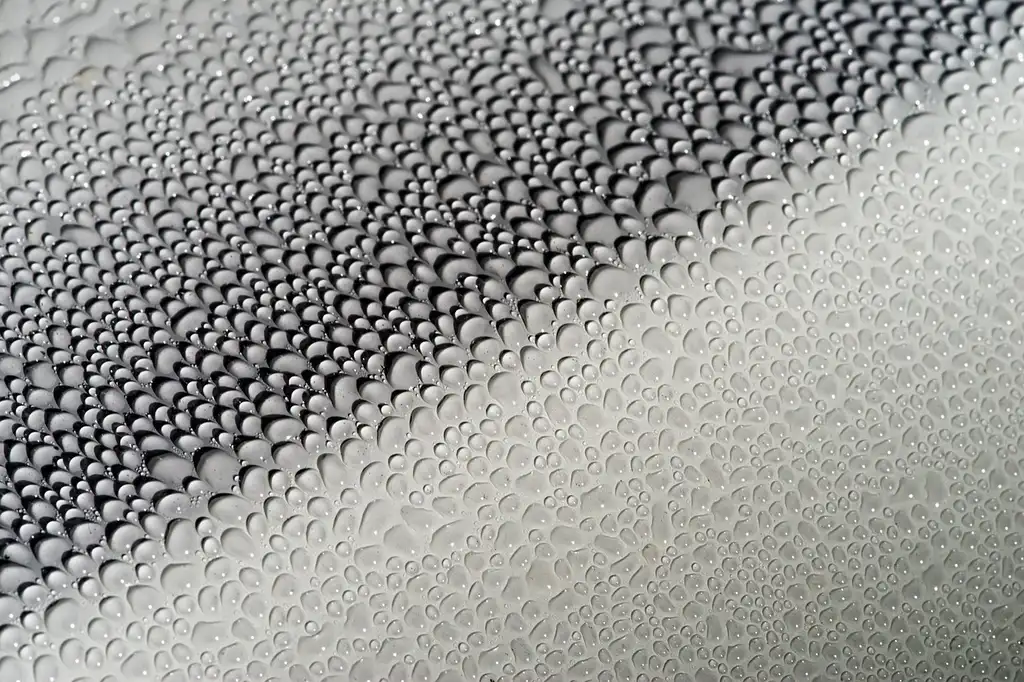
It stands out for easy spreading and strong water beading after application, which usually means fresh protection is present. The drawback is that synthetic liquid waxes usually aim more at practical durability than deep, soft gloss, so they can look a little less dramatic than a carnauba-rich paste on dark paint.
Carnauba paste wax: best for show-car gloss
For a garaged car, a weekend cruiser, or any owner who cares more about warm, deep gloss than maximum months of protection, Collinite 845 is a strong hybrid choice. It combines carnauba with polymers, so it gives you more shine than a straight synthetic sealant while still lasting longer than many traditional paste waxes.
Based on the published product details, this formula is the best fit when you want a richer finish without giving up all durability. The drawback is that paste and paste-like products usually ask more of the user during application and buffing, and they are a poor fit if the car sees constant weather and frequent washing.
Spray wax: best for quick maintenance
For after-wash top-ups, quick gloss, or a drying-aid step on already clean paint, P&S Bead Maker is the fastest option here. Spray waxes are not the same thing as a full protection layer, but they are useful when you want slickness, easier drying, and a short-term hydrophobic boost with minimal effort.
The drawback is simple: spray waxes usually have the shortest protection window of the group, so they are maintenance products, not the only layer of protection for a car that sleeps outside. They work best on clean, healthy paint and fall short when you are trying to revive neglected finish.
Carnauba gloss: best for dark paint
Chemical Guys Butter Wet Wax is aimed at owners who want a wet-looking finish and do not mind reapplying more often than they would with a synthetic wax. Its carnauba-rich formula is the classic route to a deeper visual effect, especially on black, blue, and red paint that shows gloss clearly.
The drawback is durability. Even when a carnauba wax beads water well at first, that does not mean it will outlast a synthetic wax in sun, rain, or repeated wash cycles. It is better for appearance-first owners than for people who want the longest gap between applications.
Wax protection decision table
| Car condition | Parking exposure | Wash frequency | Desired finish | Best wax format | Reapplication timeline | Do not use when |
|---|---|---|---|---|---|---|
| Daily driver | Street parking, full sun or weather | Every 1 to 2 weeks | Protection first, clean shine second | Synthetic liquid wax | Every 2 to 3 months, sooner after harsh weather or aggressive washing | Paint is dirty, hot, or visibly oxidized |
| Garaged weekend car | Indoor storage, limited exposure | Every 2 to 4 weeks | Deep gloss and warm reflection | Carnauba paste or carnauba-rich hybrid | Every 6 to 10 weeks for appearance, longer only if gloss and water behavior remain strong | Paint has bonded grime, heavy swirls, or needs polishing first |
| Washed often with quick top-ups | Mixed use, light exposure | Weekly or after most washes | Fast gloss and slick drying | Spray wax | After each wash or every 1 to 2 weeks | You want one product to carry the whole protection job |
| Neglected paint or oxidized finish | Any exposure | Irregular | Visual recovery | None first; clean, decontaminate, then polish if needed | Wax only after correction and prep | Clear coat is chalky, rough, or dull from oxidation |
| Ceramic-coated car | Garage or street | Varies | Extra slickness or short-term water behavior | Optional spray wax or coating-safe topper | As needed, not as the primary layer | You want wax to replace coating maintenance or fix coating failure |
What should you use before waxing?
Start with a wash and dry, then inspect the paint. If the surface feels rough after washing, or if bonded grime, tar, or fallout remains, use a clay bar or another decontamination step before waxing so the product can bond evenly and the finish looks clean, not smeared.
Wax should not be the repair step for oxidation, swirl marks, or embedded dirt. If the paint is dull from damage or contamination, polish first or clean the surface more thoroughly; otherwise the wax will sit on top of the problem and hide little.
Picture a silver sedan that has been street parked under trees for three months. If the hood feels gritty after a wash, waxing it immediately leaves contamination under the layer, which weakens bonding and makes drying uneven. A decon step first gives the wax a clean surface to grip.
- Wash the panel thoroughly.
- Dry it completely with a clean microfiber towel.
- Check for roughness by hand.
- Clay or decontaminate if needed.
- Polish only if the clear coat is dull, oxidized, or swirled.
- Apply wax to cool, clean paint.
Is paste wax better than liquid wax?
Paste wax usually wins on feel and finish depth, while liquid wax usually wins on speed and convenience. If you want the richest gloss on a garage-kept car and do not mind extra effort, paste is often the better visual choice; if you want simpler, more repeatable application, liquid is easier.
Durability can go either way, because the format alone does not decide it. The formula matters more than whether the wax comes as a paste or liquid, but liquid synthetic waxes are commonly chosen for longer-lasting protection, while paste carnauba products are commonly chosen for appearance.
A common first-timer mistake is buying a heavy paste wax for a daily driver parked outside all week. The result is good-looking paint for a short time, then fading protection and more frequent rework than the owner expected.
Can you wax over ceramic coating?
Yes, but only as a topper, not as a substitute for the coating itself. A coating-safe spray wax or a light wax topper can add slickness, temporary water behavior, and easier drying, but it should not be used to cover up coating failure or replace regular washing.
Skip wax entirely if the coating is already performing well and you want the simplest maintenance routine. Also skip it if the coating maker warns against topper products, or if the surface is contaminated and needs decon first.
Which one should you buy?
If you want the lowest-effort daily-driver choice, start with a synthetic liquid wax like Meguiar’s Ultimate Liquid Wax. If you want the strongest appearance payback on a garaged car, choose a carnauba-rich product like Collinite 845 or Chemical Guys Butter Wet Wax depending on whether you want more durability or more gloss.
If your routine is wash, dry, and move on, a spray wax such as P&S Bead Maker is the practical add-on, not the main event. It is the best match for quick maintenance, but not for a car that needs serious, longer-lived protection from the elements.
For budget-minded buyers, Collinite 845 is hard to ignore because it mixes strong durability with a lower price than many large-format products. For beginners, Meguiar’s liquid format is the least fussy of the group. For shine-first buyers, a carnauba-rich wax is the right lane.
Frequently asked questions
What is the best car wax for long-lasting protection?
A durable synthetic liquid wax or a hybrid wax-sealant blend is usually the best pick when protection matters most. On real cars, longevity depends on sun, rain, washing frequency, and whether the paint was properly cleaned first. A claimed “months” figure means little if the car sits outside and gets harsh washes.
Which car wax gives the shiniest finish?
Carnauba-rich paste waxes usually give the deepest-looking gloss, especially on dark paint. That finish often looks warmer and wetter than a synthetic wax, but it usually does not last as long under weather, road film, and repeated washes. Shine and durability are rarely the same product strength.
How often should I apply car wax?
Most drivers should think in weeks or months, not in one blanket rule. A daily driver may need reapplication every 2 to 3 months, a garaged weekend car every 6 to 10 weeks for appearance, and a spray wax can be refreshed after each wash or every 1 to 2 weeks.
What car wax is easiest for beginners to apply?
Liquid synthetic wax is usually the easiest starting point because it spreads evenly, buffs off cleanly, and is less sensitive to application mistakes than a heavy paste. Spray wax is even faster, but it is better as maintenance than as a full protection layer on its own.
Does car wax protect against UV rays and water spots?
Wax can help reduce UV exposure and make water bead or sheet more cleanly, which can lower the chance of spotting if you dry the car promptly. It is not a force field. Hard water, sunbaked droplet residue, and neglected washing can still leave marks on the paint.
What should I use before applying car wax?
Wash and dry the car first. If the paint still feels rough or looks dull, decontaminate with a clay bar or similar step, and polish if the clear coat is oxidized or swirled. Wax works best on clean, cool paint that is ready to accept protection.
Products related to this article
Sponsored / affiliate links. As an Amazon Associate I earn from qualifying purchases. I may earn additional commission from eligible campaigns.