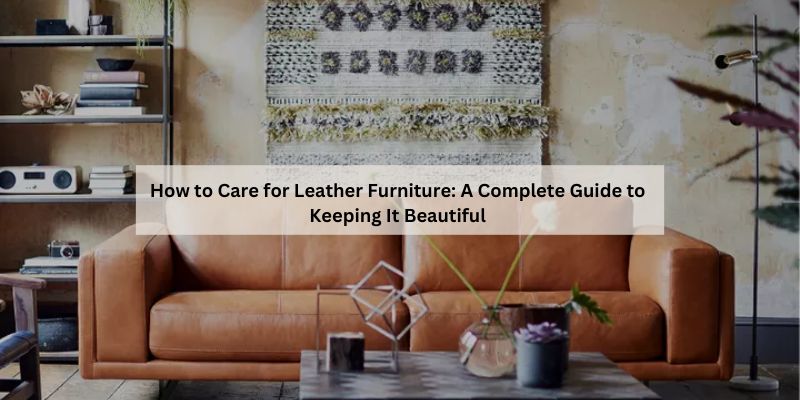
How to Care for Leather Furniture: A Complete Guide to Keeping It Beautiful
Hey there, friend! So, you’ve got some gorgeous leather furniture, and you’re wondering how to care for it to keep it looking amazing. I totally get it—when I bought my leather sofa a few years back, I was thrilled but also a bit nervous about keeping it in top shape. Leather is luxurious, but it needs a little love to stay soft, supple, and free from cracks or stains.
After diving deep into this topic and trying out different care methods, I’ve learned what works and what doesn’t. Picture us sitting on that cozy leather couch, chatting about how to make it last for years. Whether you’re a new leather furniture owner or want to revive an older piece, this guide will walk you through everything you need to know to care for your leather furniture. Let’s get started and keep that leather looking fabulous!
Why Leather Furniture Needs Special Care
Leather furniture is a big investment, and it’s worth taking care of. Unlike fabric, leather is a natural material that can dry out, crack, or fade if neglected. I learned this the hard way when I noticed my armchair getting a bit stiff after a year of ignoring it. Leather is like skin—it needs moisture, protection, and regular cleaning to stay healthy.
Proper care also keeps your furniture looking luxurious and boosts its lifespan. A well-maintained leather sofa can last decades, while a neglected one might crack or peel in just a few years. Plus, leather’s smooth surface can attract dust, oils, and stains, especially in busy households. I’ve got two kids and a dog, so keeping my leather clean is a must. Let’s talk about the types of leather so you know what you’re working with.
Types of Leather and Their Care Needs
Not all leather is the same, and knowing your type helps you care for it right. I checked the tag on my sofa to figure out what kind I had. Here are the main types I’ve come across:
- Aniline Leather: This is soft, natural leather with a rich look. It’s dyed but not coated, so it’s prone to stains and fading. I have a friend with an aniline sofa, and she’s super careful about spills.
- Semi-Aniline Leather: This has a light protective coating, making it more stain-resistant but still soft. My armchair is semi-aniline, and it’s a bit easier to clean.
- Protected (Pigmented) Leather: This is the most durable, with a thick coating that resists scratches and stains. My main sofa is protected leather, perfect for my busy family.
- Nubuck and Suede: These are brushed leathers with a velvety feel. They’re delicate and need special brushes to clean. I’ve avoided these for furniture because they’re high-maintenance.
Each type needs slightly different care. I’ll cover specific tips later, but always check your furniture’s care label or contact the manufacturer to confirm the leather type. Now, let’s gather the tools you’ll need.
Tools and Supplies for Leather Care
Taking care of leather doesn’t require a ton of stuff, which I love. Here’s what I keep in my cleaning caddy for my leather furniture:
- Mild Leather Cleaner: A pH-balanced cleaner made for leather, like Leather Honey or Weiman. Avoid dish soap—it’s too harsh.
- Leather Conditioner: This keeps leather hydrated, like Lexol or Bick 4. I use conditioner every few months.
- Microfiber Cloths: Soft and lint-free, these won’t scratch the leather. I have a stack just for cleaning.
- Soft Brush: For nubuck or suede, a suede brush lifts dirt without damage.
- Distilled Water: Tap water can leave spots, so I use distilled for wiping down surfaces.
- Vacuum with Brush Attachment: To remove dust and crumbs from crevices.
- White Vinegar (Optional): For tough stains, diluted vinegar works in a pinch.
- Protective Spray: A leather protector spray adds a barrier against spills, especially for aniline leather.
- Bucket or Spray Bottle: For mixing cleaners or applying water.
I found most of these at a home goods store or online. Always test products on a hidden spot first—I learned this after a cleaner dulled a small patch on my sofa. Let’s dive into the cleaning process.
Step-by-Step Guide to Cleaning Leather Furniture
Cleaning leather furniture is easier than it sounds. I do this every month or so to keep my sofa and armchair looking great. Here’s how I do it, step by step.
Step 1: Vacuum to Remove Dust
Start by vacuuming your furniture to get rid of dust, crumbs, and pet hair. I use the brush attachment on my vacuum to gently go over the entire surface, especially seams and crevices. Be careful not to press too hard—you don’t want to scratch the leather. I found a surprising amount of dog hair in my sofa’s folds the first time I did this!
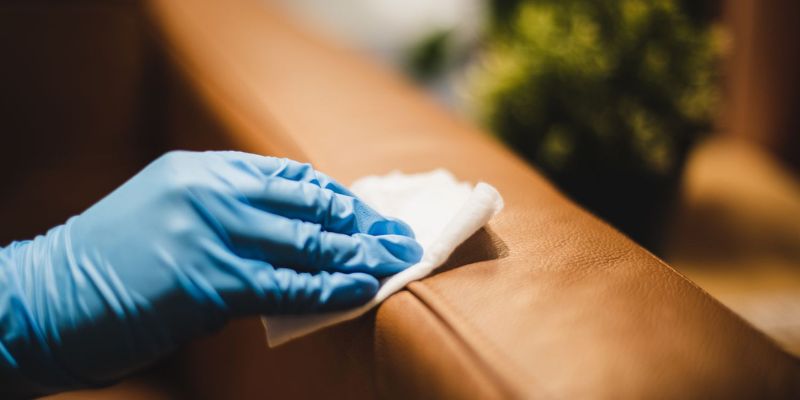
Step 2: Wipe Down with a Damp Cloth
Mix a small amount of leather cleaner with distilled water in a spray bottle or bucket. Dampen a microfiber cloth—not soaking wet—and wipe down the leather in small, circular motions. I focus on high-touch areas like armrests and headrests, where body oils build up. For aniline or semi-aniline leather, use less water to avoid soaking it. Rinse the cloth often to avoid spreading dirt.
Step 3: Tackle Stains Immediately
If you spot a stain, act fast. For spills like coffee or juice, blot with a dry microfiber cloth—don’t rub, or it’ll spread. I spilled red wine once and panicked, but blotting saved the day. For grease or ink, dab with a cloth dipped in diluted white vinegar (1:1 with water), then wipe with a clean, damp cloth. For protected leather, a leather cleaner usually does the trick. Nubuck and suede need a suede brush and special cleaner—don’t use water.
Step 4: Dry Thoroughly
After cleaning, dry the leather with a fresh microfiber cloth. I let my furniture air dry for an hour or two, keeping it out of direct sunlight to avoid fading. Don’t use a hairdryer—it can dry out the leather and cause cracks. I made this mistake early on and noticed a small crack forming.
Step 5: Apply Leather Conditioner
Conditioning keeps leather soft and prevents cracking. I apply a leather conditioner every 3-6 months, depending on the season. Squeeze a small amount onto a microfiber cloth and rub it into the leather in circular motions. Don’t overdo it—a thin layer is enough. Let it soak in for a few hours, then buff with a clean cloth for a soft shine. I love how my sofa feels like butter after conditioning!
Step 6: Protect with a Spray (Optional)
For aniline or semi-aniline leather, a protective spray adds a barrier against spills and UV rays. I use a leather protector spray on my armchair once a year. Spray lightly from about 12 inches away, let it dry, and buff with a cloth. Test it first to make sure it doesn’t change the leather’s color. My sofa is protected leather, so I skip this step for it.
Regular Maintenance Tips
Cleaning is just part of the equation. I’ve learned that regular maintenance keeps leather furniture looking its best. Here’s what I do:
- Dust Weekly: Use a dry microfiber cloth to wipe off dust. I do this every Sunday while tidying up.
- Avoid Direct Sunlight: Sunlight fades leather fast. I moved my sofa away from a sunny window, and it made a huge difference.
- Keep Away from Heat: Don’t place leather near radiators or fireplaces—it dries out the material. I learned this after my armchair got stiff near a heater.
- Blot Spills Right Away: Water, coffee, or pet accidents can stain if left sitting. I keep a microfiber cloth handy for quick blotting.
- Rotate Cushions: If your furniture has removable cushions, rotate them monthly to even out wear. I flip mine regularly to keep the shape.
- Use Throws or Covers: In high-use areas, a throw blanket protects against oils and dirt. I toss one over my sofa when the kids watch TV.
These habits take just a few minutes but save so much hassle in the long run.
Caring for Different Leather Types
Each leather type needs a slightly different approach. Here’s a quick guide based on my experience:
| Leather Type | Cleaning Tips | Conditioning Frequency | Special Notes |
|---|---|---|---|
| Aniline | Use minimal water, dry immediately, and apply protective spray. | Every 2-3 months. | Very prone to stains; test cleaners carefully. |
| Semi-Aniline | Gentle cleaner with a damp cloth; avoid soaking. | Every 3-4 months. | Slightly more durable but still needs care. |
| Protected | Regular cleaner and water; scrub gently for stains. | Every 4-6 months. | Most forgiving; great for families. |
| Nubuck/Suede | Use a suede brush and special cleaner; no water. | Every 3 months with suede conditioner. | High-maintenance; avoid spills. |
I always check my furniture’s care label to confirm the type before cleaning. If you’re unsure, contact the manufacturer—they’re usually happy to help.
Common Mistakes to Avoid
I’ve made some blunders caring for my leather furniture, so let me save you the trouble. Here are mistakes to steer clear of:
- Using Harsh Cleaners: Dish soap, bleach, or all-purpose cleaners can strip leather’s finish. I ruined a small patch on my sofa with dish soap before I knew better.
- Over-Wetting: Too much water can soak into leather, causing stains or mold. I now wring out my cloth well.
- Skipping Conditioner: Without conditioning, leather dries out and cracks. I forgot to condition my armchair once, and it started feeling rough.
- Placing in Sunlight: Direct sun fades and dries leather. I moved my furniture after noticing my sofa’s color fading.
- Ignoring Stains: Letting spills sit makes them harder to remove. I learned to blot immediately after a juice spill set in.
Taking your time and using the right products makes all the difference.
Dealing with Specific Stains and Issues
Leather can face some tricky problems, but I’ve tackled most of them. Here’s how I handle common issues:
- Ink Marks: Dab with rubbing alcohol on a cotton ball, then wipe with a damp cloth. I removed a pen mark this way without damage.
- Grease Stains: Sprinkle baking soda on the spot, let it sit for a few hours, then wipe off. This worked for a pizza grease spot on my sofa.
- Pet Scratches: For light scratches, rub with a leather conditioner to blend them in. I used this on my dog’s claw marks, and they’re barely noticeable.
- Mold or Mildew: Wipe with a 1:1 vinegar and water mix, then dry thoroughly. I had to do this in a humid summer when mold appeared.
- Fading: A leather dye or recoloring balm can restore color. I haven’t tried this yet, but a friend swears by it for her faded chair.
For stubborn issues, a professional leather cleaner might be worth it. I called one for a deep stain, and they worked magic.
Protecting Leather Furniture from Pets and Kids
With a dog and two kids, my leather furniture takes a beating. Here’s how I keep it safe:
- Use Throws or Slipcovers: A washable throw protects high-use areas. I keep one on my sofa during movie nights.
- Trim Pet Nails: Short nails mean fewer scratches. I trim my dog’s nails monthly.
- Set Rules for Kids: No eating or drinking on the leather. I enforce this to avoid spills.
- Keep Toys Away: Sharp toys can puncture leather. I store my kids’ toys in a bin.
- Train Pets: Teach dogs to stay off furniture or use a pet bed. My dog now lounges on his own mat.
These steps have saved my furniture from countless disasters.
When to Call a Professional
Most leather care is DIY-friendly, but sometimes a pro is the best choice. If your furniture has deep stains, major cracks, or needs re-dyeing, a leather restoration expert can help. I called one when my sofa had a stubborn ink stain I couldn’t remove. They cleaned and reconditioned it for about $200, which was cheaper than replacing it.
Look for a reputable leather cleaner in your area—check reviews or ask for recommendations. I found mine through a local furniture store. They can also repair tears or restore faded leather, making it look brand-new.
Benefits of Well-Maintained Leather Furniture
Taking care of your leather furniture has some awesome perks. Here’s why I love keeping mine in top shape:
- Longer Lifespan: Proper care can make leather last decades. My sofa’s five years old and looks almost new.
- Better Appearance: Clean, conditioned leather looks luxurious. I get compliments on my furniture all the time.
- Higher Resale Value: Well-maintained leather furniture holds its value. I plan to sell my armchair someday, and it’s in great shape.
- Comfort: Conditioned leather stays soft and comfy. My sofa’s the coziest spot in the house.
- Easy Cleaning: Unlike fabric, leather doesn’t trap dust or allergens, making it great for allergies.
It’s a small effort for a big payoff.
Seasonal Care Tips
Leather needs different care depending on the season. Here’s what I do year-round:
- Winter: Dry indoor air can crack leather. I condition every 3 months and use a humidifier to keep moisture in the air.
- Summer: Heat and humidity can cause mold or fading. I clean monthly and keep furniture out of direct sun.
- Spring/Fall: These are great times for deep cleaning and conditioning. I give my sofa a full treatment twice a year.
Adjusting care for the weather keeps my leather looking great no matter the season.
Conclusion
There you go, friend! Caring for your leather furniture is easier than it seems, and the results are so worth it. With regular cleaning, conditioning, and a few simple habits, you can keep your leather sofa, chair, or ottoman looking luxurious for years. I’ve loved watching my leather furniture stay soft, shiny, and inviting, even with kids and pets running around. From vacuuming dust to blotting spills and avoiding sunlight, these steps protect your investment and keep your home feeling special. So, grab that microfiber cloth, treat your leather to some TLC, and enjoy the cozy, elegant vibe it brings. Here’s to leather furniture that stays beautiful for decades!
FAQs
How often should I clean my leather furniture?
Clean it monthly with a damp cloth and leather cleaner to remove dust and oils. Deep clean every 3-6 months, depending on use.
Can I use household cleaners on leather?
No, avoid dish soap, bleach, or all-purpose cleaners—they can damage leather. Use a pH-balanced leather cleaner instead.
How often should I condition my leather furniture?
Condition every 3-6 months, or more often for aniline leather or in dry climates. Don’t overdo it—a thin layer is enough.
What’s the best way to remove stains from leather?
Blot spills immediately with a dry cloth. For grease, use baking soda; for ink, try rubbing alcohol. Test cleaners on a hidden spot first.
Can I place my leather furniture in sunlight?
No, direct sunlight fades and dries out leather. Keep it in a shaded spot or use curtains to protect it.
How do I protect leather furniture from pets?
Use throws, trim pet nails, and train pets to stay off. Clean scratches with conditioner to minimize damage.
When should I call a professional for leather care?
Call a pro for deep stains, cracks, tears, or fading that DIY methods can’t fix. They can also restore or re-dye leather.