How To Check Freon Level In A Car Without A Mechanic
It’s quite common for car air conditioning systems to lose some refrigerant over time. Checking your car’s freon level yourself is possible with the right tools and a little know-how. This guide will walk you through how to do it safely and effectively, so you can understand if your AC problem is simple or needs a professional touch.
Understanding Your Car’s AC System
Your car’s air conditioning system is a bit like a refrigerator. It uses a special liquid called refrigerant. This refrigerant cycles through the system. It absorbs heat from inside your car. Then, it releases that heat outside. This process cools the air you feel.
The refrigerant is what makes the magic happen. It changes from a liquid to a gas. Then, it changes back to a liquid. This change of state absorbs and releases heat. It’s a closed loop system. It should not lose refrigerant.
Why Refrigerant Levels Drop
Over time, tiny leaks can develop. These leaks are often in the hoses or seals. Even small leaks let some refrigerant escape. This is why your AC might work less well. It’s not the system itself failing. It’s just running low on its cooling juice.
The refrigerant isn’t used up like gas in your tank. It just leaks out. So, if it’s low, it needs to be refilled. Sometimes, a larger leak can happen suddenly. This would cause your AC to stop cooling quickly.
Freon vs. Refrigerant
Many people still call the refrigerant “freon.” Freon is actually a brand name. It was used for older types of refrigerants. The most common type today is R-134a. Newer cars might use R-1234yf. It’s important to know which one your car uses. Using the wrong type can damage your system.

Signs Your Car May Need Refrigerant
Before you even grab a tool, you can often tell if your AC is low on refrigerant. These signs are your car’s way of telling you something is up. Paying attention can help you know when to investigate further.
Warm Air Blowing
The most obvious sign is when your AC blows warm air. You expect cool air when you turn it on. If it feels like outside air, or even warm, that’s a big clue. This happens because there’s not enough refrigerant to absorb heat properly.
AC Not Cooling As Cold As It Used To
Sometimes, it’s not completely warm air. It might just not be as cold as it used to be. You might have to set the temperature very low. Even then, it might not feel as refreshing. This is a gradual sign of a slow leak.
AC Cycling On and Off Frequently
If your AC compressor kicks on and off a lot, it could be a sign. The system might be struggling to maintain pressure. Low refrigerant can cause this pressure imbalance. The system’s safety features might be trying to protect it.
Quick AC Checkpoints
What to look for:
- Air temp from vents
- Fan speed vs. cooling
- Strange noises from AC compressor
Visible Leaks or Oil Residue
Sometimes, you might see oily residue around AC components. This oil often mixes with the refrigerant. If you see this, it means refrigerant has escaped. You might find it around hose connections or the compressor.
What You’ll Need to Check Freon Level
You don’t need to be a car expert to check your refrigerant. But you do need the right tools. These are simple to find at auto parts stores. Safety is key when working with AC systems.
Refrigerant Gauge Kit
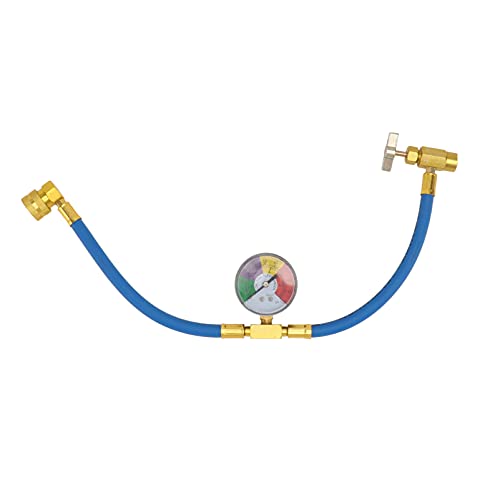
This is the most important tool. A refrigerant gauge kit usually comes with a gauge. It also has a hose with a connector. Make sure the kit is for the correct refrigerant type (R-134a is most common). Some kits include a can of refrigerant, but it’s often better to buy that separately.
Safety Glasses
Refrigerant can be under pressure. It can spray out. Protect your eyes. Always wear safety glasses.
Gloves
The refrigerant and metal parts can be cold or hot. Gloves protect your hands. They also keep oil from your hands off the system.
Shop Rags
You might need to wipe things down. Rags are useful for cleaning up any small spills.
Car’s Service Manual (Optional but Helpful)
Your car’s manual might show you where the AC service ports are located. It can also tell you the correct refrigerant type.
Essential Tools for AC Checks
Item List:
- AC Refrigerant Gauge Kit (for R-134a or R-1234yf)
- Safety Glasses
- Work Gloves
- Shop Rags
- Car Owner’s Manual (optional)
How to Check Freon Level: Step-by-Step
Now, let’s get to the actual check. It’s best to do this when your car is off. This makes it safer. Make sure you have good lighting.
Step 1: Locate the AC Service Ports
Your car’s AC system has service ports. These are for adding or removing refrigerant. They are usually on the AC lines under the hood. There are two ports. One is for the low-pressure side. One is for the high-pressure side.
You need to connect your gauge to the low-pressure port. This port is typically larger. It’s often on a wider AC line. It might have a blue or black cap. The high-pressure port is smaller. It might have a red cap.
Step 2: Connect the Gauge to the Low-Pressure Port
Make sure your car’s engine is off. Take the cap off the low-pressure service port.
Now, take your gauge kit’s hose. It has a special connector on the end. This connector is designed to click onto the service port.
Carefully line up the connector with the port. Push it down firmly. You should hear a click or feel it lock in place. This ensures a good seal.
Step 3: Read the Gauge
Once the gauge is connected, you can turn on your car’s engine. Turn the AC on to its coldest setting. Let it run for a few minutes. This allows the system to stabilize.
Now, look at the gauge. It will have a dial. This dial shows the pressure in the system. There are usually marked zones on the gauge. These zones indicate:
Too Low: This means you definitely need more refrigerant.
Normal: The pressure is good. The refrigerant level is likely okay.
Too High: This could mean too much refrigerant has been added. Or it could indicate another problem.
The reading will be in PSI (pounds per square inch). The exact “normal” range can vary slightly. It often depends on the outside temperature. Most gauges will have a guide on them.
Understanding Your Gauge Reading
Pressure Zones:
- Low Zone: Typically below 25 PSI. Indicates low refrigerant.
- Normal Zone: Often between 25-45 PSI. System is likely okay.
- High Zone: Usually above 45 PSI. Could mean overfilled or another issue.
Always check your specific gauge’s guide for accurate ranges, as outside temperature affects readings.
Step 4: Disconnect the Gauge
After you’ve read the gauge, turn off the engine.
To disconnect the gauge, there’s usually a release lever on the connector. Press this lever. This will release the pressure in the hose. Then, pull the connector off the service port.
Put the cap back on the service port securely.
When to Add Refrigerant (and How)
If your gauge reading shows the system is low, you’ll need to add refrigerant. This is often called “recharging” your AC. You can buy cans of refrigerant at most auto parts stores. They often come with their own simple gauges.
Choosing the Right Refrigerant
As mentioned, R-134a is common for cars made before 2015. Newer cars use R-1234yf. Check your car’s manual or a sticker under the hood. Using the wrong type is a big no-no.
Adding Refrigerant Safely
Follow the instructions on the refrigerant can very carefully. Connect the can to the low-pressure service port. Make sure your car’s engine is running and the AC is on.
Slowly open the valve on the can. Let the refrigerant flow into the system. Watch your gauge (either on the can or your separate kit). Add refrigerant in short bursts. Check the gauge after each burst.
Do NOT overfill. Too much refrigerant can be just as bad as too little. It can damage your AC system. The gauge will tell you when you’ve reached the normal operating range.
Adding Refrigerant: A Quick Guide
Key Steps:
- Engine ON, AC ON.
- Connect to LOW-PRESSURE port.
- Add in SHORT bursts.
- Monitor gauge constantly.
- DO NOT OVERFILL.
What If It’s Still Not Cooling?
If you add refrigerant and the air is still warm, or doesn’t get cold enough, there might be other issues. This is where things can get more complex.
Common AC Problems Beyond Low Refrigerant
Sometimes, low refrigerant isn’t the only reason your car’s AC isn’t working right. There are other parts that can fail.
Leaky Hoses or Seals
The most common reason for low refrigerant is a leak. These leaks can be tiny. They might be in the rubber hoses or O-ring seals. Pinpointing these small leaks can be tricky.
Faulty Compressor
The compressor is the heart of the AC system. It pumps the refrigerant. If it’s not working correctly, the system won’t cool. You might hear noises or notice it’s not engaging.
Clogged Condenser or Evaporator
These parts help transfer heat. If they get clogged with debris or dirt, airflow is reduced. This makes cooling less effective. The condenser is usually at the front of the car. The evaporator is inside the dashboard.
Electrical Issues
The AC system has electrical components. Fuses, relays, or wiring problems can stop it from working. A simple fuse could be the culprit.
Common AC Failure Points
Potential Issues:
- Refrigerant Leaks: Hoses, seals, connections.
- Compressor Problems: Not pumping, noisy.
- Blockages: Condenser or evaporator fins dirty.
- Electrical Faults: Fuses, relays, wiring.
When to Call a Professional Mechanic
If checking your refrigerant level shows it’s low, and adding some helps, you might be good to go. But if it’s still not cold, or if you’re uncomfortable doing the check yourself, it’s time for a pro.
Mechanics have special equipment. They can detect tiny leaks. They can also diagnose more complex issues. They can also ensure the correct amount of refrigerant is added. This is important for the system’s health.
I remember a time when my car’s AC went out on a road trip. It was the middle of summer. I stopped at an auto parts store. I bought a DIY kit. I checked the gauge. It was indeed very low. I added a can of R-134a. Within minutes, cool air started blowing again! It was such a relief. That simple check saved me a potential trip to the mechanic and a hefty bill.
My Own AC Scare (and What I Learned)
One sweltering August afternoon, I noticed my car’s AC was acting funny. It wasn’t blowing as cold as usual. I’d just driven through a car wash. I thought maybe the water had messed something up. I fiddled with the settings. Nothing seemed to help.
I started to panic a little. I pictured expensive repairs. My mind raced with scenarios of broken compressors and blown seals. I pulled over and popped the hood, even though I wasn’t sure what I was looking for. I saw a little bit of what looked like oily residue near one of the AC lines. That immediately made me think “leak.”
I remembered a friend telling me about DIY AC recharge kits. I drove to the nearest auto parts store. I described my symptoms. The guy there showed me a kit for R-134a. He explained how to use the gauge. He also stressed safety.
Back home, I followed the instructions carefully. I found the low-pressure port. I connected the gauge. The reading was way down in the red. I took a deep breath and connected the can of refrigerant. I added it slowly, watching the gauge. It took about half a can.
The moment of truth came when I started the car again. I turned on the AC. Lo and behold, cold air! It was a mix of relief and pride. I had fixed it myself. I learned that sometimes, the problem is simpler than you think. And having the right information and tools makes a big difference.
Real-World Context: Why AC Systems Leak
In many American homes, central air is common. But in cars, it’s a constant battle against heat. Car AC systems are under a lot of stress. They deal with vibrations, heat, and pressure changes. This makes them prone to developing small leaks over time.
Environmental Factors
Road salt in winter can cause corrosion. Dirt and bugs can clog the condenser. Extreme heat can put extra strain on the seals. All these factors contribute to wear and tear. This wear can eventually lead to leaks.
Material Degradation
The rubber hoses and seals used in AC systems degrade over time. They can become brittle. They can crack. This allows refrigerant to escape. It’s a natural aging process for these parts.
Physical Damage
Road debris can strike AC lines and components. This can cause damage. A stone kicked up by another car can create a tiny puncture.
Why Car ACs Leak Over Time
Contributing Factors:
- Corrosion: From road salt and moisture.
- Heat & Pressure: Constant system operation.
- Material Aging: Rubber hoses and seals dry out.
- Road Debris: Impacts can puncture lines.
- Vibration: Constant movement causes wear.
What This Means For You: When It’s Normal vs. When to Worry
It’s helpful to know what’s common and what’s a red flag.
When a Slight Drop is Normal
A very slow loss of refrigerant over several years is somewhat normal. Most AC systems are designed to hold their charge for a long time. But if your car is 10+ years old, a small leak might be present. If you only need to recharge every few years, it’s often not a major concern.
When to Worry About Your AC
If your AC suddenly stops cooling completely. Or if you have to recharge it every few months. This indicates a bigger problem. A major leak needs professional attention. Also, if you hear loud noises from the AC system.
Simple Checks You Can Do
Visually inspect the AC lines under your hood. Look for oily residue. Check if the compressor clutch is engaging. You can usually see it spin when the AC is on. If it’s not spinning, it could be an electrical issue or a lack of refrigerant pressure.
Quick Fixes & Tips for Car AC Maintenance
While you can’t “fix” a leak yourself easily, you can help maintain your system.
Run Your AC Regularly
Even in winter, run your AC for a few minutes every couple of weeks. This keeps the seals lubricated. It helps prevent them from drying out and cracking.
Keep it Clean
Gently clean the front of your condenser. Remove leaves and bugs. Good airflow is essential for efficient cooling.
Know Your Refrigerant Type
Always know if your car uses R-134a or R-1234yf. Buying the wrong one is costly.
Easy AC Maintenance Tips
Do this:
- Run AC weekly: Keeps seals healthy.
- Clean condenser fins: Improves airflow.
- Check refrigerant type: Avoid costly mistakes.
- Listen for noises: Early warnings of trouble.
Frequent Questions About Checking Car Freon
How often should I check my car’s freon level?
You don’t need to check it constantly. It’s best to check if you notice your AC isn’t cooling well. Many people check it yearly or when they notice a performance drop.
If you’ve noticed a gradual decline in cooling, it’s a good time to check.
Can I just add freon without checking the level?
It’s strongly advised not to. Adding refrigerant without knowing the current level can lead to overcharging. This can damage your AC system and be expensive to fix.
Always use a gauge to check the pressure first.
What happens if I put the wrong type of refrigerant in my car?
Using the wrong refrigerant can cause severe damage to your AC system. It can contaminate the system and mix with the existing refrigerant or oil. This often requires a complete system flush and recharge, which is costly.
Is it dangerous to work with freon?
Refrigerant is under pressure. It can cause frostbite if it touches your skin. It can also cause eye damage.
Always wear safety glasses and gloves. Work in a well-ventilated area. Never vent refrigerant into the atmosphere, as it’s harmful to the environment.
My AC is blowing cold, but only when I’m driving fast. What’s wrong?
This often means your AC system is low on refrigerant. The higher airflow when driving helps it cool better. When stopped, there isn’t enough refrigerant to absorb heat effectively.
This is a classic sign to check your refrigerant level.
How long does a DIY freon recharge last?
It depends on the size of the leak. If you have a small leak, a recharge might last several months or even a year. If the leak is larger, you might find the system low again in a few weeks.
If you have to recharge often, you have a leak that needs fixing.
Conclusion: Taking Control of Your Car’s Comfort
Keeping your car cool on a hot day is important. Knowing how to check your car’s freon level yourself is a great skill. It can help you understand if a simple recharge is needed or if there’s a bigger issue. Remember to always prioritize safety. Use the right tools and follow instructions carefully. Sometimes, a simple check is all you need.
Products related to this article
Sponsored / affiliate links. As an Amazon Associate I earn from qualifying purchases. I may earn additional commission from eligible campaigns.