How To Change Interior Car Lights Easily (Step-By-Step)
You can easily change most interior car lights by identifying the bulb type, gathering simple tools, and carefully removing the old bulb. Then, insert the new bulb and reassemble the fixture. Safety first: always ensure the car is off and cool before starting.
Understanding Your Interior Car Lights
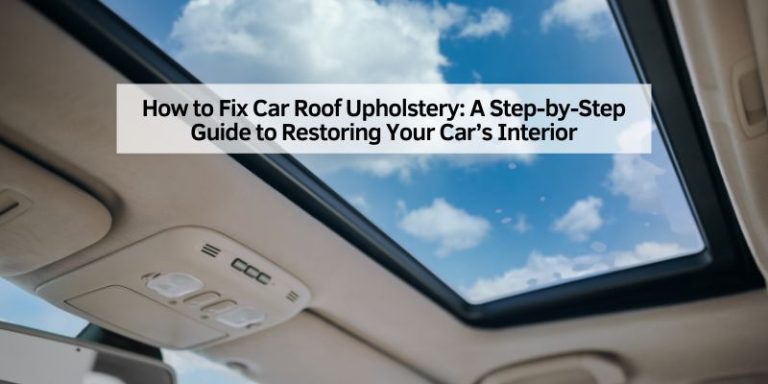
Your car has several interior lights. You might have a main dome light. This is often in the middle of the roof.
Then there are usually map lights. These are right above the front seats. Many cars also have vanity mirror lights.
These are inside the sun visors. Some newer cars have footwell lights too. All of these help you see inside your car.
They make driving at night much safer. They also add to the comfort of your ride.
Knowing where these lights are is the first step. They use different types of bulbs. Some are simple screw-in bulbs.
Others use wedge bases. Some are even tiny LEDs. The type of bulb depends on your car’s make and model.
Older cars might use glass bulbs. Newer cars often use long-lasting LEDs. These LEDs are sometimes built-in.
If they are, you might need a whole new assembly. But most bulbs are still replaceable.
These lights are connected to your car’s electrical system. They usually run on a 12-volt power source. This is the same as your car battery.
When you turn them on, power flows to the bulb. This makes it light up. The power is controlled by switches or by your car’s computer.
Sometimes, a flickering light means the connection is loose. Other times, the bulb itself has just burned out. It’s like any other light bulb in your house.
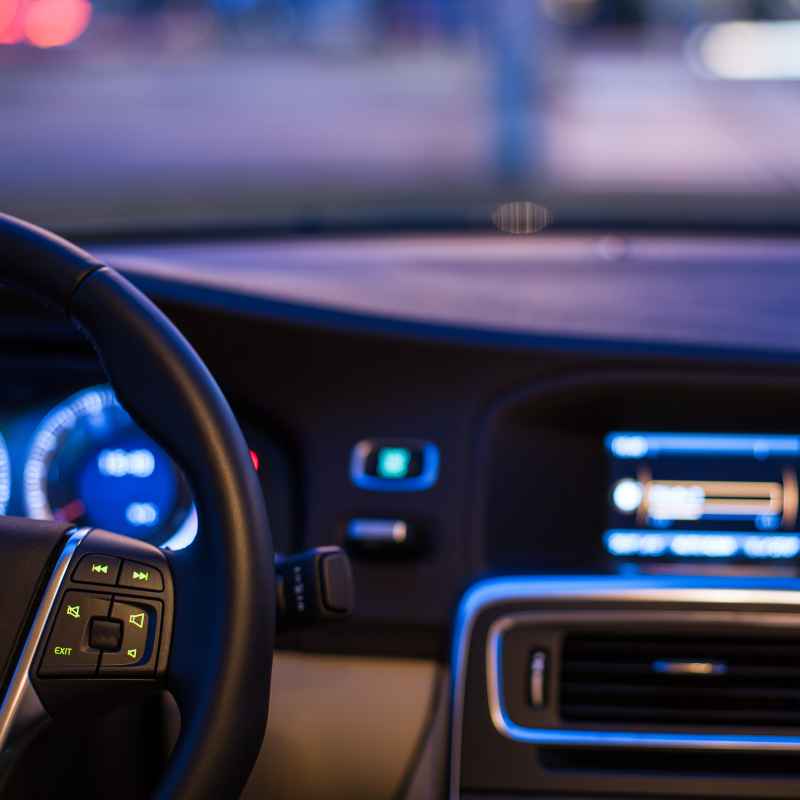
Why Interior Lights Matter
Good interior lights are more than just a luxury. They are a safety feature. Imagine driving at night.
You need to find something in your glove box. Or maybe you need to read a map. A working light lets you do this safely.
Without it, you might strain your eyes. Or you might get distracted from the road. This distraction can be dangerous.
Having clear visibility inside your car is key.
They also add to your comfort. Getting into a dark car at night can feel a bit spooky. A light makes it feel welcoming.
If you’re picking up friends, they’ll appreciate it too. The vanity lights are useful for quick checks. You can fix your hair or makeup.
This is handy before arriving at a destination. Even the footwell lights help. They make it easier to avoid tripping when getting in or out.
Think about looking for dropped items. Keys, coins, or a phone can fall under the seats. A dim or dead light makes this a treasure hunt in the dark.
A bright, clear light changes that. You can spot what you need quickly. This saves time and reduces frustration.
For families, especially with kids, good lights are a must. They help keep little ones entertained. They also help you find lost toys or pacifiers.
My Own Interior Light Saga
I remember one time, years ago, my dome light just went out. It was late, and I was driving home from a friend’s house. The moon was out, but it wasn’t bright enough.
I needed to find a dropped cough drop under my seat. It felt like an eternity of poking around in the dark. I kept thinking, “This is ridiculous.
I should just change this stupid bulb.” But I didn’t know how.
I ended up driving around with a dim dashboard light illuminating only a tiny patch. It was super annoying. I finally got home and found it, but it made me realize how much I relied on that simple light.
The next day, I decided enough was enough. I looked up how to change it online. It turned out to be surprisingly easy.
I just needed a small screwdriver and a new bulb. That little victory felt huge!
The feeling of accomplishment was great. I saved money too, instead of going to a mechanic. Now, whenever a light goes out, I don’t wait.
I know I can handle it. It’s empowering to know you can fix small things on your own. This experience taught me that many car maintenance tasks aren’t as scary as they seem.
You just need a little guidance and the right tools.
What You’ll Need to Change Interior Car Lights
Most interior light bulb changes are simple. You usually don’t need fancy tools. Often, a small flat-head screwdriver is enough.
This helps you gently pry open the light cover. Sometimes, a Phillips head screwdriver is needed. Check your light fixture before you start.
Some covers just pop off. Others have small screws holding them in place.
You will, of course, need a new bulb. This is the most important part. How do you know which bulb to get?
The best way is to check your car’s owner’s manual. It usually lists all the bulb types. You can also find this information online.
Just search for your car’s make, model, and year, plus “interior bulb type.” You can also often find this information on the bulb itself.
Many auto parts stores have charts. You can look up your car there. Or, you can bring the old bulb with you.
This way, you can match it exactly. Don’t forget a clean cloth or some gloves. You don’t want to get fingerprints on the new bulb.
This is especially true for halogen bulbs. Oil from your skin can cause them to overheat and break. A small plastic bag for the old bulb is also handy.
Common Interior Light Bulb Types
- Wedge Base Bulbs: Small, cylindrical bulbs with metal contacts on the base. Like T10 or T5 bulbs.
- Festoon Bulbs: Tubular glass bulbs with metal caps on each end. Often used for dome lights.
- Bayonet Base Bulbs: Have two pins that twist into a socket. Similar to some home light bulbs.
- LEDs: Increasingly common. Can be direct replacements or integrated units.
Step-by-Step Guide: Changing Your Interior Lights
Let’s walk through this. It’s easier than you think. First, park your car.
Make sure it’s on a flat surface. Turn off the engine. This is super important for safety.
Let the engine cool down. Some light fixtures might be warm.
Next, identify the light you want to change. Is it the dome light? Or a map light?
Locate the plastic cover. This cover hides the bulb. Look for any small gaps.
You might see a seam around the edge. This is where you’ll gently insert your tool. A small flat-head screwdriver often works best.
Carefully safe.
Now you can see the old bulb. It might be held in place by a metal clip or a socket. If it’s a clip, gently bend it away.
If it’s a socket, it might just pull out. For wedge bulbs, gently pull the bulb straight out. For festoon bulbs, they might just slide out.
For bayonet bulbs, you might need to push and twist.
Take the old bulb out. Notice its shape and size. This confirms you have the right replacement.
Now, take your new bulb. Handle it by the plastic or metal base. Avoid touching the glass part.
Insert the new bulb. Make sure it’s seated firmly. For wedge bulbs, push them in until they feel snug.
For festoon bulbs, slide them into their holders.
If you removed a clip, bend it back into place. This holds the new bulb securely. Now, test the light.
Before putting the cover back on, turn on your car’s ignition. Flip the light switch. Does it work?
If yes, great! If not, double-check the bulb seating. Make sure the battery connections are clean.
Once confirmed working, gently press the light cover back into place. It should snap or click into position. Make sure it’s aligned properly.
Give it a gentle push. That’s it! You’ve changed your interior car light.
Easy, right?
Quick Light Check Sequence
1. Identify the light.
2. Gather tools: Screwdriver, new bulb, cloth.
3. Power Off: Engine off, car cool.
4. Remove Cover: Gently pry or unscrew.
5. Remove Old Bulb: Pull or twist out.
6. Insert New Bulb: Push firmly into place.
7. Test Light: Turn on ignition and switch.
8. Replace Cover: Snap or screw back on.
Dealing with Different Light Fixtures
Not all interior lights are the same. Some car models have very simple fixtures. Others are more complex.
Let’s look at a few common types.
Dome Lights
These are usually the largest. They are often in the center of the roof. Many have a large plastic lens.
You might need to slide a screwdriver into a small notch. Or you might need to gently pull the entire lens down. Once the lens is off, you’ll see the bulb.
It could be a festoon bulb. Or it could be a wedge bulb.
Map Lights
These are smaller lights. They are often focused. They are usually near the rearview mirror.
The covers for these can be very small. Sometimes they have tiny screws. Other times, they have very subtle seams.
Be extra careful with these. The parts are small and easy to lose.
Vanity Mirror Lights
These are in the sun visors. They are often small and rectangular. The cover might be hard to remove.
Sometimes the whole visor needs to come down. This can be a bit more work. Other times, the light cover just pops off.
You might need to disconnect a small wire. Be gentle. The wiring can be delicate.
LED Interior Lights
Many modern cars use LED lights. These are different. They don’t have a filament like old bulbs.
LEDs are electronic components. If an LED goes out, it’s often not a simple bulb swap. Sometimes, the entire module needs replacing.
This is more expensive. Check your manual. It will tell you if your LEDs are replaceable.
If your car has LED lights, they might be wired directly. Or they might plug into a small circuit board. If you can’t find a replaceable bulb, it’s usually the whole unit.
Some people try to replace individual LEDs. This is advanced. It requires soldering.
For most people, it’s better to replace the whole light fixture. Or, if it’s a common LED type, you might find a direct-fit LED replacement assembly online.
LED vs. Incandescent Bulbs
| Feature | Incandescent | LED |
|---|---|---|
| Lifespan | Shorter | Much Longer |
| Energy Use | Higher | Lower |
| Heat Output | Higher | Lower |
| Brightness | Standard | Often Brighter |
| Replacement | Easy bulb swap | Often whole unit |
Troubleshooting Common Issues
What if the new bulb doesn’t work? Don’t panic. This happens.
Let’s figure it out.
The New Bulb Doesn’t Light Up
First, check the bulb itself. Is it seated correctly? Push it in again, firmly.
Make sure it’s the right type. Did you check your owner’s manual? If it’s a wedge bulb, sometimes they have a polarity.
Try flipping it around. Most bulbs don’t care which way they go in. But some exceptions exist.
Next, check the socket. Is it clean? Sometimes corrosion builds up.
You can gently clean it with a pencil eraser. Be careful not to damage the metal. If you have another light of the same type, try swapping bulbs.
If the known good bulb doesn’t work in this socket, the problem is likely the socket or wiring. If the new bulb works in the other socket, then the new bulb might be faulty.
The Light Flickers
Flickering usually means a loose connection. Or it could mean the bulb is failing. Make sure the bulb is snug in its socket.
Check the metal contacts on the bulb and socket. Are they bent? Try gently bending them back.
If the bulb is old, it might just be time for a new one. Even new bulbs can sometimes be faulty.
Another cause can be a bad ground connection. The car’s electrical system needs a good ground. This is usually a metal-to-metal connection.
If that connection is loose or corroded, it can cause issues. This is more complex to fix. If the flickering persists, it might be time to consult a mechanic.
The Bulb Burns Out Quickly
This is frustrating. If a bulb burns out fast, it could be a few things. Too much voltage is a common cause.
Something in your car’s electrical system might be sending too much power. This can be a sign of a bigger issue. Or, the bulb itself might be a cheap, low-quality one.
Always try to buy decent quality replacement bulbs.
If you installed an LED bulb where an incandescent was, sometimes the car’s computer doesn’t like it. It might send a “check bulb” warning. Or it might try to send power in a way that damages the LED.
Ensure you get LEDs designed for automotive use. They often have built-in resistors to prevent issues.
Common Causes for Light Issues
- Loose Bulb: Not seated properly in the socket.
- Faulty Bulb: The new bulb is defective.
- Corroded Socket: Metal contacts are dirty or rusty.
- Bad Ground: Poor electrical connection to the car body.
- Voltage Fluctuation: Too much power is reaching the bulb.
- Incorrect Bulb Type: Using the wrong wattage or style.
When to Call a Professional
Most interior light bulb changes are simple DIY jobs. But sometimes, it’s best to get help. If you’ve tried changing the bulb, and it still doesn’t work, there might be a deeper electrical problem.
This could be a wiring issue. Or a problem with a fuse or relay. These can be tricky to diagnose.
If your car has a complex lighting system, like some luxury vehicles, it might be more involved. Some systems use fiber optics or integrated LED panels. These might require special tools or knowledge.
If you’re uncomfortable at any point, stop. It’s better to pay a little for a mechanic than to damage your car.
Also, if you notice other electrical issues, pay attention. Do other lights flicker? Do your windows go up slowly?
These could be signs of a larger electrical fault. In these cases, a mechanic’s expertise is invaluable. They have the diagnostic tools to pinpoint the exact problem.
Don’t hesitate to reach out to them.
Signs You Might Need a Mechanic:
- New bulb doesn’t work after trying several times.
- Multiple lights are out or flickering.
- Other electrical systems are acting strange.
- Light fixture is complex or involves delicate wiring.
- You’re uncomfortable with the process.
Maintaining Your Interior Car Lights
Keeping your interior lights in good shape is easy. The most common maintenance is simply replacing bulbs when they burn out. It’s good to keep a few spare bulbs on hand.
Especially for common types like wedge bulbs. This way, you can fix them right away.
Regularly check your lights. Do a quick walk-around of your car at night. Make sure all your interior lights are working.
This includes dome lights, map lights, and vanity lights. It only takes a minute. This helps you catch issues early.
When you clean your car’s interior, gently wipe down the light covers. This keeps them clear and bright. Avoid using harsh chemicals.
They can damage the plastic. Just a damp cloth is usually enough. This simple care can keep your lights looking good and working well for years.
Frequently Asked Questions About Interior Car Lights
How often should I change my interior car lights?
You don’t need to change them on a schedule. Replace them only when they burn out. Most modern LED lights last for many years.
Traditional bulbs last a few years, depending on usage.
Can I use brighter bulbs than the original ones?
It depends. For incandescent bulbs, using a higher wattage can overheat the fixture and wiring. It can even melt plastic.
For LEDs, there are often brighter options available. But make sure they are compatible with your car. Check your owner’s manual or consult an expert.
What if my car has no interior lights at all?
This could be a blown fuse. Or it might be a problem with the light switch. It could also be a wiring issue.
Check your car’s fuse box first. Your owner’s manual will show you which fuse is for interior lights.
Are LED interior lights worth the upgrade?
Yes, generally they are. LEDs use less energy, last much longer, and provide brighter, cleaner light. They can also improve the look of your car’s interior.
Just ensure you buy quality ones designed for automotive use.
My interior light stays on even when the car is off. What’s wrong?
This is usually a faulty door switch. The car thinks a door is still open. Or it could be a problem with the light’s timer module.
Try to see if the light goes off after a few minutes. If not, the switch is the most likely culprit.
Do I need to disconnect the battery before changing a light bulb?
For most simple interior light bulbs, disconnecting the battery is not necessary. Just ensure the car’s ignition is off. If you are working with more complex wiring or modules, it is a good safety practice.
Final Thoughts on Changing Your Car Lights
See? Changing your interior car lights is a very doable task. It’s a small maintenance job.
But it makes a big difference. A well-lit car interior is safer. It’s also more pleasant.
You’ve got the steps now. You know what tools to use. You know how to handle different fixtures.
And you know what to do if something goes wrong.
Don’t be afraid to try it. You might surprise yourself. You’ll save money.
You’ll gain confidence. And you’ll have a brighter, better car. Enjoy that new light!
Products related to this article
Sponsored / affiliate links. As an Amazon Associate I earn from qualifying purchases. I may earn additional commission from eligible campaigns.