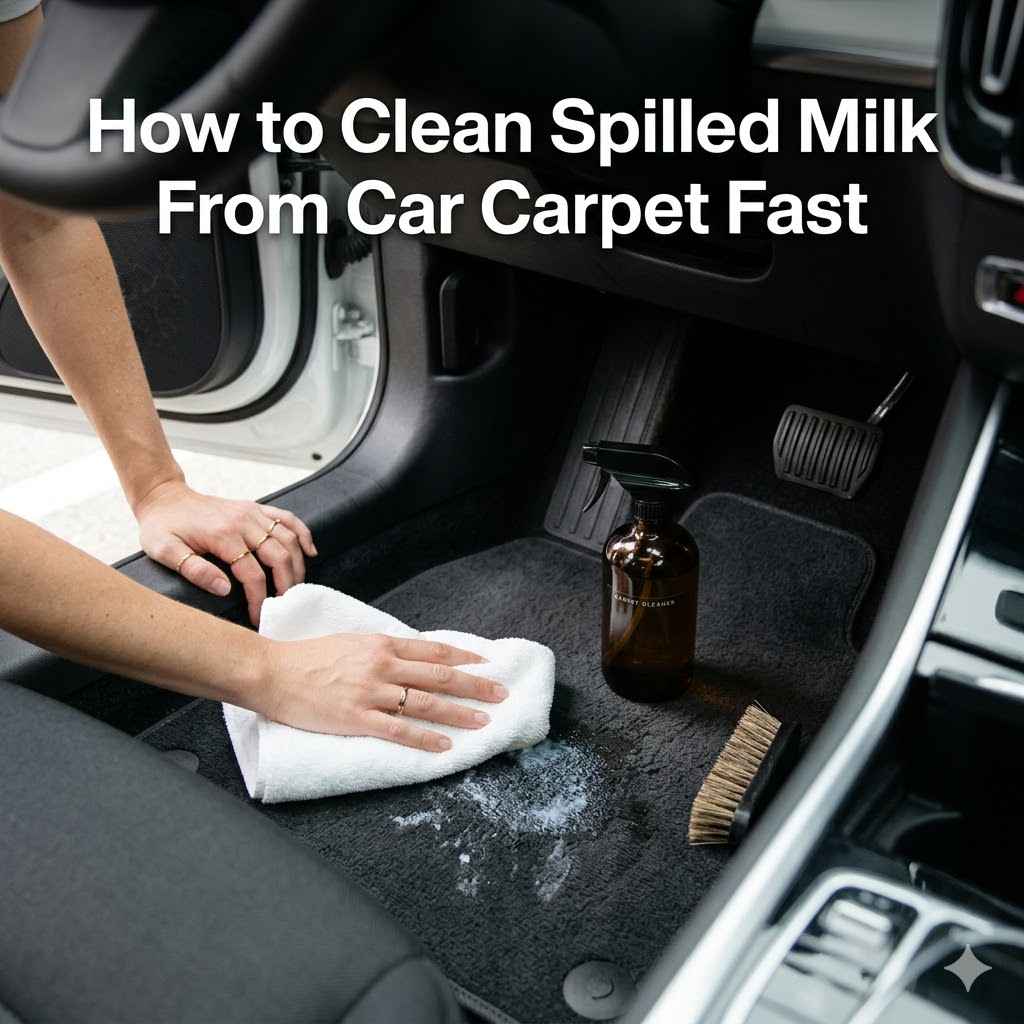
How to Clean Spilled Milk From Car Carpet Fast
It happens to everyone. You’re on the go, and suddenly a cup of milk goes flying. Spilled milk in your car can be a real sticky mess, and dealing with it quickly is key to preventing stains and odors.
For many, knowing exactly what to do when this happens can feel a bit overwhelming. But don’t worry, it’s not as hard as it looks! We’ll walk you through a simple, step-by-step plan for How to Clean Spilled Milk from Car Carpet Fast so your car smells fresh and looks clean again.
Get ready to tackle that spill like a pro.
Tackling the Milk Spill Emergency
When milk spills on your car’s carpet, time is of the essence. Milk contains fats and sugars that can quickly soak into the fibers, creating a sticky residue and a breeding ground for bacteria. If left untreated, this can lead to stubborn stains and a lingering sour smell that’s tough to get rid of.
This section covers the immediate actions you need to take the moment a milk spill occurs to stop it from becoming a bigger problem. Acting fast prevents the milk from setting deep into the carpet.
Immediate Action Steps
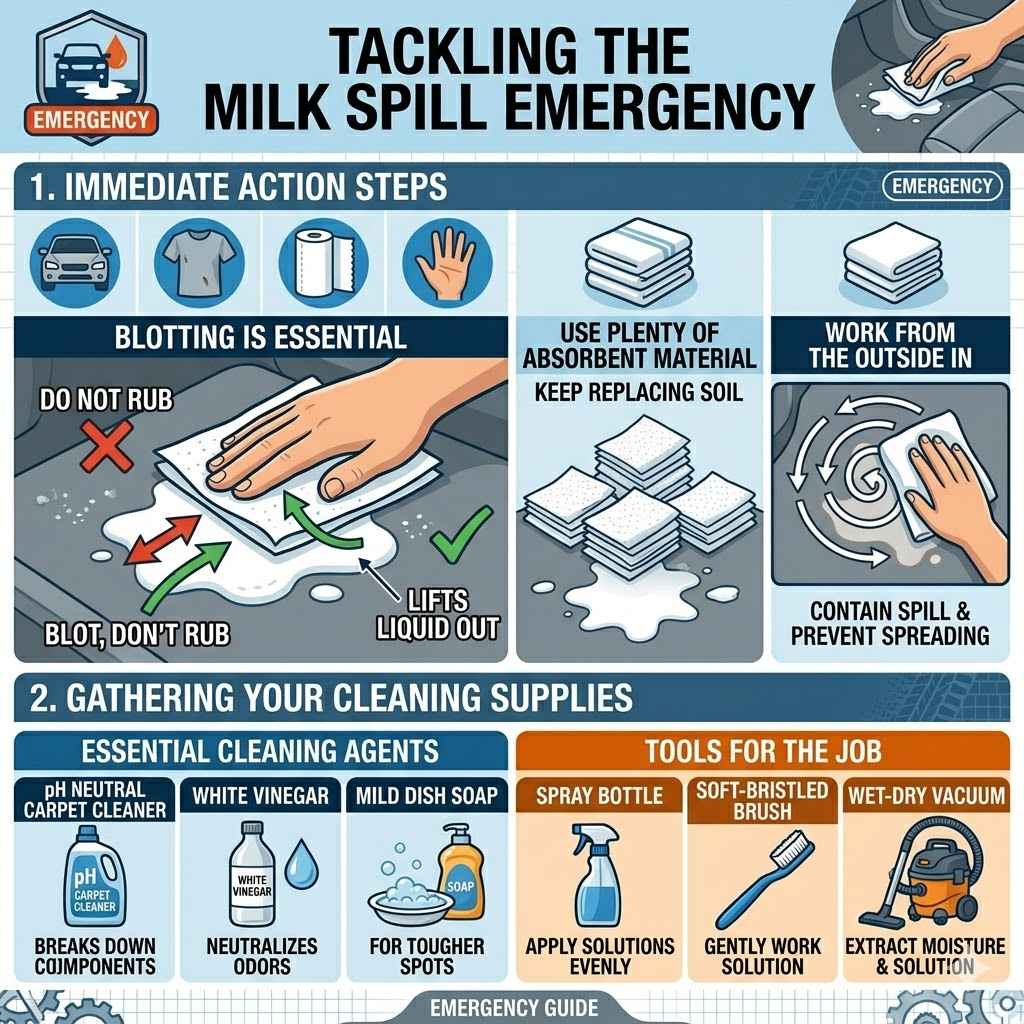
The very first thing to do is act fast. Grab any absorbent materials you have on hand, like paper towels, a clean rag, or even an old t-shirt. The goal is to soak up as much of the liquid as possible before it has a chance to spread and seep deeper into the carpet padding.
Don’t rub the spill; instead, gently blot it to avoid pushing the milk further down.
Blotting is Essential
Blotting means pressing absorbent material onto the spill to draw out the liquid. This is far more effective than rubbing, which can spread the stain and damage carpet fibers. Imagine dabbing a sponge on a wet surface; it lifts the water.
That’s what blotting does for spilled milk. You want to lift that liquid out of the carpet.
Use Plenty of Absorbent Material
Don’t be shy with your paper towels or cloths. You’ll likely need quite a few to absorb the bulk of the milk. Keep replacing the soiled material with fresh, dry pieces until no more liquid is being absorbed.
This step is crucial for minimizing the amount of milk that penetrates the carpet backing.
Work from the Outside In
When blotting a spill, start at the outer edges and work your way toward the center. This technique helps contain the spill and prevents it from spreading further across the carpet. If you start in the middle and move outwards, you’re essentially pushing the liquid into new, clean areas of the carpet, making the problem larger.
Gathering Your Cleaning Supplies
Before you can effectively clean the spilled milk, you’ll need a few common household items. Having these ready will make the process much smoother and more efficient. A good cleaning solution can break down the milk’s components, while a brush can help lift dried residue.
Essential Cleaning Agents
You’ll need a gentle, pH-neutral carpet cleaner or a homemade solution. A common and effective DIY cleaner is a mix of one part white vinegar to two parts water. This vinegar solution is excellent because vinegar helps neutralize odors.
You might also want a few drops of mild dish soap in a bowl of water for tougher spots.
Tools for the Job
Beyond absorbent cloths, a spray bottle is very helpful for applying cleaning solutions evenly. A soft-bristled brush, like a detailing brush or even an old toothbrush, can gently work the cleaning solution into the carpet fibers. Finally, a wet-dry vacuum is incredibly useful for extracting moisture and cleaning solutions, but a stack of dry towels will work if you don’t have one.
Deep Cleaning the Milk Stain and Odor
Once the initial liquid is absorbed, the real work begins to tackle any remaining residue and the inevitable odor that milk can leave behind. This involves using cleaning solutions to break down the fats and proteins in the milk and then thoroughly rinsing the area. Proper technique here prevents the stain from setting permanently.
Creating Your Cleaning Solution
For most milk spills, a simple, yet effective cleaning solution can be made with common household items. These solutions work by breaking down the milk’s components and lifting them from the carpet fibers.
Vinegar and Water Solution
Mix one part white vinegar with two parts cool water in a spray bottle. White vinegar is a natural deodorizer and disinfectant, making it ideal for milk spills. It helps break down the fats and proteins left behind by the milk, making them easier to lift from the carpet.
The acidity of the vinegar also helps to neutralize the alkaline nature of milk residue.
Dish Soap and Water
For more stubborn spots, a few drops of mild dish soap (like one meant for handwashing dishes, not dishwasher detergent) can be added to a cup of cool water. Dish soap is designed to cut through grease and oil, which are present in milk, and it helps lift stains from fabric. Be careful not to use too much soap, as it can leave a residue that attracts dirt.
Applying the Cleaning Solution
How you apply the cleaning solution is as important as the solution itself. You want to saturate the affected area without drowning it. This ensures the cleaner reaches all the milk residue.
Spray and Let Sit
Lightly spray your chosen cleaning solution onto the stained area. You want the carpet to be damp, not soaking wet. Let the solution sit for about 5 to 10 minutes.
This allows the cleaning agents to break down the milk’s residue and lift it from the carpet fibers. This waiting period is crucial for the solution to do its work.
Gentle Agitation
After the solution has had time to work, use a soft-bristled brush or a clean cloth to gently agitate the stained area. Work in a circular motion or from the outside of the stain towards the center. This gentle scrubbing helps to loosen any remaining milk particles from the carpet fibers, making them easier to remove in the next step.
Rinsing and Extracting
After cleaning, it’s vital to rinse the area thoroughly to remove any cleaning solution residue. Any leftover cleaner can attract dirt and create new problems. Extracting as much moisture as possible is also key to preventing mold and mildew.
Rinse with Clean Water
Spray the area with plain cool water. Then, blot it up with clean, dry towels. Repeat this process several times.
This step is critical for removing any lingering cleaning solution and loosened milk residue from the carpet. It ensures that no sticky or smelly remnants are left behind, which could attract dirt or cause new odors.
Using a Wet-Dry Vacuum
If you have a wet-dry vacuum, this is the ideal time to use it. It can powerfully extract both the cleaning solution and any remaining moisture from the carpet. Go over the area several times, vacuuming up the liquid.
This is a very efficient way to get the carpet as dry as possible.
Dealing with Lingering Odors
Even after cleaning, milk spills can sometimes leave a faint, unpleasant odor. This is because milk proteins can be tricky to remove completely. Addressing odors requires specific steps to neutralize them rather than just masking them.
Odor Neutralization Techniques
Several methods can help eliminate those persistent milk smells. These techniques focus on breaking down the odor-causing compounds rather than just covering them up with artificial fragrances.
Baking Soda Power
Baking soda is a fantastic natural odor absorber. Sprinkle a generous amount of baking soda over the dried or damp carpet area. Let it sit for several hours, or even overnight.
The baking soda will absorb any remaining odors. Afterward, vacuum up the baking soda thoroughly. This is a simple yet effective way to tackle smell.
Activated Charcoal
Activated charcoal is another highly effective odor absorber. You can place bowls of activated charcoal near the affected area to absorb airborne odors. Some car cleaning products also contain activated charcoal for odor elimination.
It works by trapping odor molecules on its porous surface.
Enzymatic Cleaners
For truly stubborn odors, consider using an enzymatic cleaner specifically designed for pet stains or organic matter. These cleaners contain enzymes that break down the organic compounds in milk that cause odors. Follow the product instructions carefully, as they often require some time to work.
Ensuring Complete Drying
Damp carpets are a breeding ground for mold and mildew, which can create even worse odors. Ensuring the area dries completely is as important as the cleaning itself.
Ventilation is Key
Open all car doors and windows on a sunny, breezy day to allow for maximum air circulation. Good ventilation helps speed up the drying process significantly. If it’s not a nice day, use fans to blow air onto the wet spot.
You want to create airflow across the carpet surface.
Using Fans or Dehumidifiers
Place fans strategically to blow air directly onto the damp carpet. If you live in a humid climate, a dehumidifier can also be very helpful in drawing out moisture from the air and the carpet. The goal is to get the carpet completely dry to the touch, and even slightly dry underneath.
Preventing Future Spills
While accidents happen, a few simple precautions can help prevent future milk spills in your car. Thinking ahead can save you a lot of cleaning time and effort down the road.
Smart Habits for Car Travel
Making small changes to how you handle drinks in the car can make a big difference. These are easy habits to adopt that can save you from future cleaning headaches.
Secure Drink Containers
Always ensure that lids are tightly secured on all drink containers before placing them in the car. Use cup holders that securely grip the containers. If you’re transporting milk, consider using a cooler bag with a secure lid.
This adds an extra layer of protection against spills, especially during sudden stops.
Designated Eating and Drinking Areas
Try to keep eating and drinking to specific, easy-to-clean areas if possible, or at least be extra cautious when consuming messy items in the car. When children are in the car, consider limiting drinks that are prone to spilling, or use spill-proof cups and bottles.
Keep Cleaning Supplies Handy
Consider keeping a small emergency cleaning kit in your car. This could include a pack of paper towels, a small bottle of carpet cleaner, and a few clean rags. Having these items readily available means you can address a spill immediately, which is the best defense against stains and odors.

Frequently Asked Questions
Question: How quickly should I clean spilled milk?
Answer: You should clean spilled milk as soon as possible, ideally within minutes. The longer it sits, the more it soaks into the carpet and the harder it is to remove stains and odors.
Question: Can I use regular soap to clean milk from car carpet?
Answer: Mild dish soap can be used sparingly, but avoid harsh detergents. Too much soap can leave residue that attracts dirt. A vinegar and water solution is often better for odor and stain removal.
Question: Will vinegar remove the milk smell from my car carpet?
Answer: Yes, white vinegar is excellent at neutralizing odors. Its acidic properties break down the compounds in milk that cause smells, leaving a fresh scent.
Question: How do I know if the milk stain is completely gone?
Answer: Visually inspect the area for any discoloration. After cleaning and drying, you can carefully feel the carpet to ensure it’s not sticky. Also, check that the sour milk smell has completely disappeared.
Question: What if the stain is old and dried?
Answer: For dried stains, you’ll need to rehydrate the area with your cleaning solution and let it sit longer before scrubbing and blotting. Repeat the cleaning and rinsing process until the stain is gone.
Summary
Dealing with spilled milk in your car carpet is manageable. By acting fast, using the right cleaning agents like vinegar and water, and ensuring thorough rinsing and drying, you can effectively remove stains and odors. Remember to blot up excess liquid immediately, apply your solution, gently agitate, and then rinse and extract.
Addressing any lingering smells with baking soda or enzymatic cleaners and ensuring complete dryness will leave your car fresh. Keep a small cleaning kit handy to be prepared for future spills.