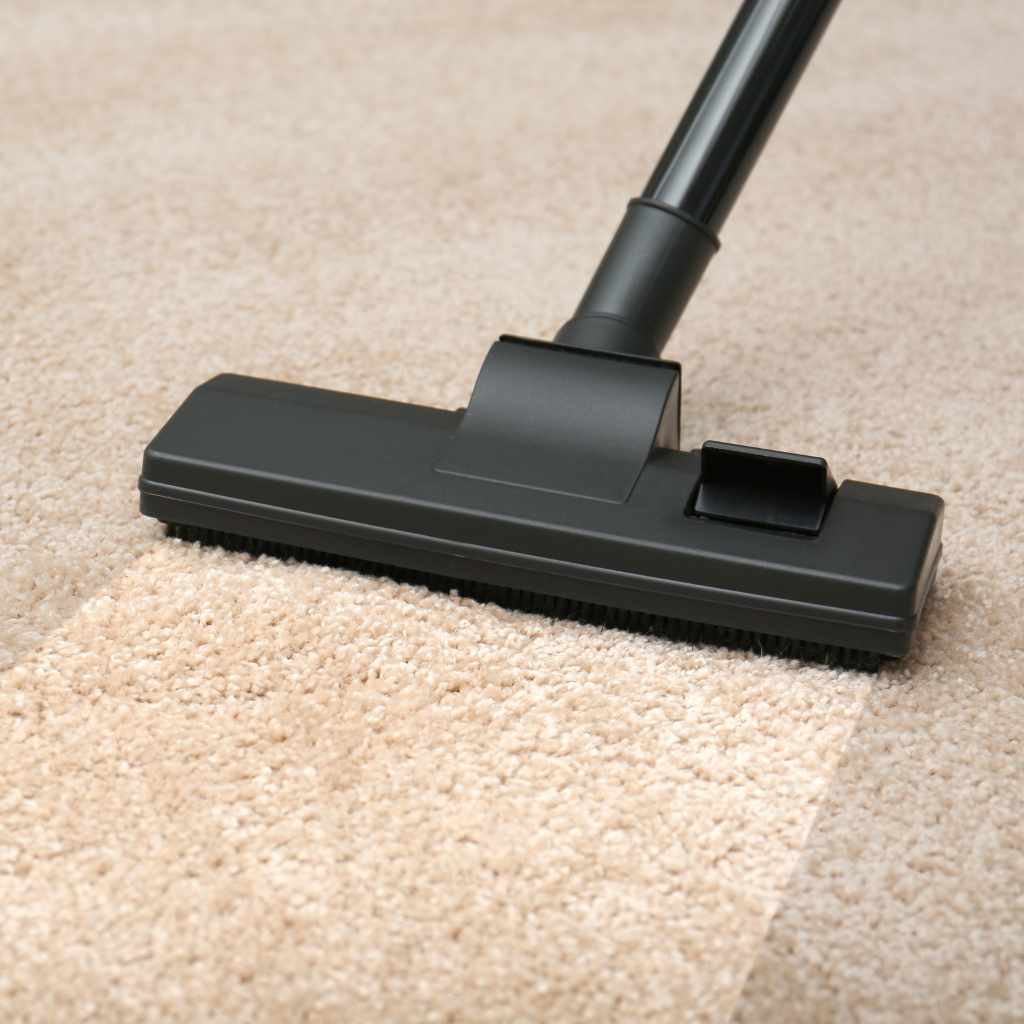
How To Clean Sticky Carpet: Proven Effortless Fix
To easily clean sticky carpet, apply household solvent like rubbing alcohol or dry-cleaning fluid directly to the residue. Gently scrape off the softened mess with a dull knife or credit card, working from the outside in, then rinse the spot with clean water and blot dry. This method lifts residues from gum, wax, or adhesives without damaging carpet fibers.
Carpets get sticky for many reasons. Maybe the kids spilled juice, or perhaps some construction adhesive tracked in from the garage. That tacky, gummy feeling is annoying! It traps dirt fast and makes high-traffic areas look terrible. Don’t worry; this is a super common problem, and you do not need expensive professional help to fix it. You probably have the right tools right now in your home cleaning cabinet. We will walk through simple, effective steps to restore the soft feel of your carpet. Get ready to say goodbye to that sticky mess for good!
Understanding the Enemy: Why Is My Carpet Sticky?
Before we tackle the cleaning, knowing what caused the stickiness guides our specific fix. Different sticky substances need slightly different approaches. Generally, residue falls into three main categories: sugary/water-based, oil/wax-based, or adhesive-based. As a DIY guide, my goal is to equip you with tools to handle any of these common culprits safely.
Common Causes of Sticky Patches
When you find a sticky area, it usually comes from one of these sources:
- Sugary Spills: Sodas, sports drinks, pancake syrup, or frosting. These leave crystallized sugars behind that attract dust and feel tacky.
- Grease and Oil: Butter, cooking oil, or candle wax drippings. These sit on top of the fiber and feel slick or sticky.
- Adhesives and Glues: Carpet tape residue, craft glue, small pieces of mounting putty, or dried chewing gum. These are usually the hardest to remove.
- Improper Cleaning: Sometimes, using too much soap or not rinsing the solution out completely leaves a soapy residue that attracts dirt, making that area feel sticky even if nothing spilled there.
Preparation: Gathering Your Effortless Cleaning Kit
The secret to an effortless fix is having the right tools ready before you start scrubbing. Remember, we want to lift the residue, not grind it deeper into the carpet backing. Safety first: always test any cleaning solution on a hidden spot of the carpet before tackling the main area.
Essential Tools for Sticky Stain Removal
Here is what you should assemble for success:
-
- Dull Scraper: A plastic scraper, the edge of an old plastic credit card, or a butter knife (use the dull side only!).
- Clean, White Cloths or Paper Towels: White prevents dye transfer onto your carpet.
- Solvent/Cleaner (Choose Based on Stain): See the table below for guidance.
- Cool Water: For rinsing.
- Spray Bottle (Optional): Helpful for controlled application of rinsing water.
Choosing the Right Solvent
The chemical makeup of the sticky substance determines what dissolves it best. This is the key to making the process effortless.
| Residue Type | Recommended Solvent | Why It Works |
|---|---|---|
| Sugars (Soda, Juice) | Mild Dish Soap & Water OR White Vinegar Solution | Breaks down crystallized sugars and lifts stickiness. |
| Wax, Gum, Oil-Based Spills | Ice (Freezing) followed by Rubbing Alcohol (Isopropyl) | Freezing hardens the substance so flakes lift; alcohol dissolves oils. |
| Adhesives (Glue, Tape Residue) | Dry-Cleaning Fluid or Rubbing Alcohol | These solvents are excellent at breaking down petrochemical-based glues. |
The Effortless Fix: Step-by-Step Guide
This process focuses on softening the sticky material so you can lift it away cleanly. Patience during the softening phase makes the scraping phase much easier.
Step 1: Address Thick or Hardened Residues First
If the stickiness is caused by gum, wax, or thick putty, you must solidify it before applying any solvent.
-
-
- Freeze It (For Gum/Wax): Place a sealed plastic bag filled with ice cubes directly onto the sticky area. Let it sit for 10 to 15 minutes. The cold makes the substance brittle.
- Scrape Off the Bulk: Once frozen solid, use your dull plastic scraper or the edge of a credit card. Gently chip and scrape away as much of the hard material as possible. Work from the edge of the stain toward the center. This prevents spreading.
- Vacuum Loose Debris: Vacuum up all the small, chipped pieces immediately so they don’t stick again.
-
Step 2: Apply Your Chosen Solvent
Now we tackle the remaining tacky film. Remember to test the solvent on an inconspicuous spot first.
-
-
- For Sugary/Syrupy Residue: Mix one teaspoon of clear dish soap with one cup of warm water. Dampen a clean white cloth with this mixture.
- For Remaining Adhesives/Oils: Dampen a clean white cloth with rubbing alcohol (Isopropyl 70% works well) or a small amount of dry-cleaning fluid. Handle these chemicals cautiously. Please refer to guidelines from organizations like the Environmental Protection Agency (EPA) regarding safe chemical handling around the home.
-
The Key Technique: Blot, Don’t Rub!
Gently press the dampened cloth onto the sticky area. Let the solvent sit for 3 to 5 minutes to dissolve the sugars or soften the glue molecules. Do not rub aggressively, as this can fray the carpet fibers.
Step 3: Lifting the Tackiness
This is where the dissolved mess transfers from the carpet fibers back onto your cleaning tool.
-
-
- Use the Scraper: Take your dull knife or credit card. Very carefully, use the edge to gently lift the softened residue. Keep the angle low against the carpet fibers. You should see the sticky residue adhering to the plastic edge.
- Wipe Frequently: As the residue transfers to your scraper, immediately wipe the scraper clean with a dry paper towel. This ensures you are always lifting fresh stickiness, not redepositing semi-dissolved gunk.
- Repeat Blotting: If the area starts feeling sticky again during scraping, re-dampen your cloth with the solvent and blot again for a few minutes before continuing to scrape gently.
-
Step 4: The Crucial Rinse and Dry
This final step prevents a new sticky patch from forming because you left soap or alcohol behind. If you skip rinsing, the residue you removed will attract dirt immediately.
-
-
- Rinse: Fill a spray bottle with cool, plain water, or use a clean cloth dampened with plain water. Lightly spray or blot the cleaned area. The goal is to pick up any lingering solvent or loosened sugar/glue residue.
- Blot Excess Moisture: Take several dry, thick white towels (or paper towels). Press them firmly onto the damp area to absorb as much moisture as possible. Stand on the towels for one minute if you need more pressure.
- Air Dry: Allow the spot to air dry completely. You can speed this up by placing a fan near the area. Do not replace furniture until the carpet is completely dry.
-
Troubleshooting Sticky Carpet Nightmares
Sometimes the stain isn’t just surface stickiness but deeply embedded material. Here are fixes for common difficult scenarios.
Tackling Old, Dried Glue Spots
If the glue has been there a long time, it might need more gentle heat than just your mild solvent.
The Hair Dryer Method:
-
-
- Set a standard hairdryer to its lowest heat setting.
- Hold it several inches above the glue spot. Heat it lightly for about 30 to 60 seconds until you feel the glue soften slightly (be careful not to burn the carpet fibers).
- Immediately try scraping or gently pressing the glue with a plastic bag laid over the top (the bag can sometimes pull the softened substance out slightly cleaner).
- Follow up immediately with rubbing alcohol (Step 2) to dissolve any remaining film.
-
Restoring Carpets That Feel Sticky After Shampooing
If your whole room feels tacky after a deep clean, you have soap residue left behind. This is very common with rented machines!
The Vinegar Rinse Revival:
This is an excellent tip for neutralizing soapy residues on synthetic carpets.
-
-
- Mix 1 part white vinegar to 4 parts cool water in a bucket.
- Dampen a clean cloth with this vinegar solution.
- Thoroughly blot and wipe down the entire sticky area. The vinegar smell dissipates as it dries, and it acts as a mild acid to neutralize alkaline soap residues.
- Rinse this solution out with clean water (Step 4) and blot very thoroughly until dry.
-
What to Do If the Fibers Are Matted
Sometimes, excessive stickiness causes the carpet fibers to mat down, which makes it feel rougher than just sticky.
If the fibers are matted after cleaning, gently rake them using a clean, stiff-bristled brush or even a clean, dry toothbrush. Brush lightly in the direction of the carpet pile to help them stand back up while they are fully dry. Be extremely gentle to avoid pulling the fibers out.
Safety and Prevention Tips From Your Guide
Even an easy fix requires careful attention to safety, especially since we are using mild chemicals.
Safety First When Cleaning
Never mix cleaning chemicals together. Combining ammonia or bleach with vinegar or alcohol can create dangerous gases. Stick to one solvent type based on the stain type. Always ensure good ventilation when using rubbing alcohol or dry-cleaning fluid. Working in a well-lit area also helps you see exactly what you are removing.
Preventing Future Tackiness
Stopping sticky messes before they ruin wide areas is the best approach:
-
-
- Clean Spills Immediately: The faster you blot up a sugary drink, the less it soaks in and crystallizes.
- Use Runners: Place washable mats or runners in high-spill areas (like next to the refrigerator or dining table).
- Check Your Cleaning Products: If you do deep clean your carpets, always follow up with a plain water rinse cycle if your machine allows it. Excess cleaner is dirt’s best friend. For more details on preventing deep-set stains, resources like the Good Housekeeping cleaning guides often stress this rinse step.
-
Quick Reference Guide for Sticky Spots
To keep things straightforward, here is a final summary chart based on common household scenarios that cause stickiness.
| The Goo | First Action | Best Solvent |
|---|---|---|
| Chewing Gum | Freeze with ice bag. | Scrape hard residue, then Rubbing Alcohol. |
| Syrup/Soda Slime | Blot up excess liquid. | Mild Dish Soap & Water. |
| Dried Craft Glue | Apply gentle heat (hair dryer). | Dry-Cleaning Fluid or Alcohol. |
| Candle Wax | Freeze solid. | Scrape, then Rubbing Alcohol for residue. |
FAQ: Beginner Questions About Sticky Carpet Removal
Here are quick answers to the most common questions drivers and homeowners have about this topic.
Q1: Can I use bleach on my sticky carpet?
A: No. Avoid bleach entirely unless you are certain your carpet is white and bleach-safe. Bleach can permanently damage, weaken, or discolor carpet fibers. Stick to clear soap, alcohol, or vinegar solutions.
Q2: How long does it take to dry after treating a sticky spot?
A: If you blot thoroughly (pressing hard with dry towels), drying usually takes just a few hours. If you used a lot of liquid, aim for 6 to 12 hours, keeping airflow strong with fans.
Q3: Will rubbing alcohol damage the carpet backing?
A: Rubbing alcohol (isopropyl) evaporates very quickly. When used sparingly—just dampening a cloth—it is generally safe for the latex backing found in most modern synthetic carpets. Always test in a hidden area first.
Q4: My spots are small, can I just use a commercial adhesive remover like Goo Gone?
A: Yes, adhesive removers are formulated to tackle sticky residue. However,