3 Best Water Tanks for Mobile Car Wash (2026): We Compared
More capacity cuts refill stops, but it also adds payload load and slosh risk. For most mobile detailers, a 50-gallon class rigid tank is the safest middle ground; a 35- to 40-gallon portable tank fits lighter rigs; a bladder works best when empty-storage space matters more than bed rigidity.
Quick comparison
| Product | Badge | Best for | Price | ||
|---|---|---|---|---|---|
 |
Emergency Water Tanks 40 Gallon Portable Utility Water TankEmergency Water Tanks | Our pick | 40 gallon · portable utility · granite | $146.00
Price as of 24 Oct 2026
|
View |
 |
RomoTech 82123925 100 Gallon Water Tank – HorizontalRomoTech | Also great | 100 gallon · horizontal square · black | $385.37
Price as of 24 Oct 2026
|
View |
 |
Rodelna Water Storage Bladder, Water Tank 65 GallonRodelna | Pair with it | 65 gallon · foldable bladder · portable | $42.99
Price as of 24 Oct 2026
|
View |
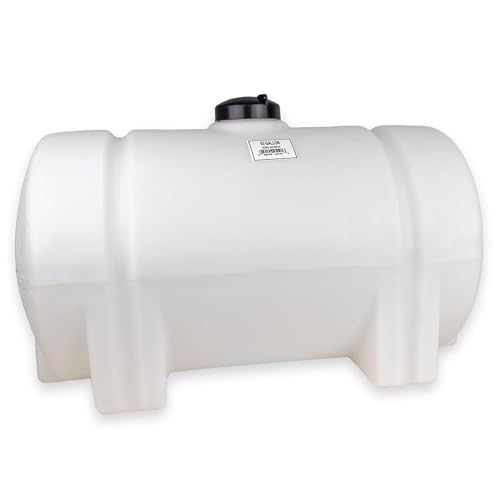 |
Norwesco 65 Gallon Horizontal Leg Utility Storage Tank,Norwesco | Also great | 65 gallon · horizontal leg · white | $366.99
Price as of 24 Oct 2026
|
View |
Use the table to match tank size to actual wash output, not just the headline gallon figure. Water weight alone adds 8.34 pounds per gallon, so the “big tank” choice can change axle load more than many buyers expect.
How we chose
We compared tanks on four things that matter in the field: capacity versus portability, mounting stability in a truck bed or trailer, outlet and fill hardware, and material fit for water storage and wash use. The goal is not the biggest tank on paper. It is the tank that fits the vehicle, the route, and the water job.
We also separated wash-water storage from final-rinse systems. A tank for soap and rinse water is not the same thing as a deionized or spot-free setup, and that difference changes what you should buy.
RomoTech 100-gallon tank: best for high-volume routes
The RomoTech 100-gallon horizontal square tank is the pick for crews that need the most wash water in one load and have the payload to carry it. Based on the published specs, the UV-stabilized poly body, molded gallon and liter marks, molded tie-down channels, and 3/4-inch NPT outlet make it the most truck-friendly option in this group.
The trade-off is weight. At 100 gallons, the water alone adds about 834 pounds before you count the tank itself, so this is a poor match for light half-ton payloads and a better match for trailers or trucks with real reserve capacity.
Best for: multi-car routes, trailer builds, and operators who want fewer refill stops. The horizontal square form also helps it sit lower than a tall vertical tank, which is useful when bed height is limited.
Drawback: the size can become a liability if the vehicle is not rated for the full load, and a larger volume can amplify slosh if the tank is not secured correctly or is run with too much empty space.
Norwesco 65-gallon tank: best low-profile option
The Norwesco 65-gallon horizontal leg tank is the practical middle choice for mobile washing. Its low-profile design helps it fit under height limits, the molded legs add a stable base, and the 5-inch lid plus 3/4-inch fitting cover the basic fill-and-drain job without much drama.
This format makes sense when you want a rigid tank that does not sit too high in a trailer or bed. At 65 gallons, the water load is about 542 pounds, which is still substantial, but it is easier to manage than a 100-gallon tank for many solo operators.
Best for: solo detailers, small trailer setups, and anyone trying to balance daily range with a more realistic payload target. The low stance is a real advantage on rough roads because it leaves less mass up high.
Drawback: the product details do not call out molded gallon markings or a built-in outlet the way some competing tanks do, so buyers should confirm the exact drain and outlet setup before planning plumbing around it.
Emergency Water Tanks 40-gallon tank: best budget portable tank
The Emergency Water Tanks 40-gallon portable utility tank is the easiest entry point for buyers who want usable wash volume without stepping into the weight of a larger rig. The integrated handles, tie-down points, and brass spigot make it a straightforward portable setup for light-duty work.
Forty gallons gives you about 334 pounds of water, which is manageable for many smaller vehicles and useful for day jobs with limited water demand. It is a sensible middle ground if you are not trying to support a full route from one fill.
Best for: budget-minded operators, occasional mobile work, and emergency-use buyers who need a general-purpose water reserve rather than a permanent tank system. The spigot also makes simple hose hookup easier than a bare storage drum.
Drawback: the listing is lighter on details about outlet size, venting, and drain hardware than the more purpose-built tanks, so it is less appealing if you need a highly controlled plumbing layout or frequent hard-road use.
Rodelna 65-gallon bladder: best for temporary storage
The Rodelna 65-gallon water bladder is the space-saving option when empty storage matters most. PVC bladder construction folds down when not in use, and the wide opening, 3/4-inch spigot, and overflow kit make it more practical than a bare collapsible bag.
This type fits temporary setups, seasonal use, and emergency storage where a rigid tank would be too bulky to leave in place. The full water load is still about 542 pounds, so “foldable” does not mean “light” once filled.
Best for: operators who need large water capacity but do not have a permanent mounting spot, as well as users who store the tank between jobs. It also works well when the vehicle or trailer setup changes often.
Drawback: PVC bladders depend more heavily on seam quality, surface protection, and careful filling than rigid tanks. They also need more attention to slosh control, puncture risk, and temperature tolerance, especially on rough roads or in heat.
What size tank do you need?
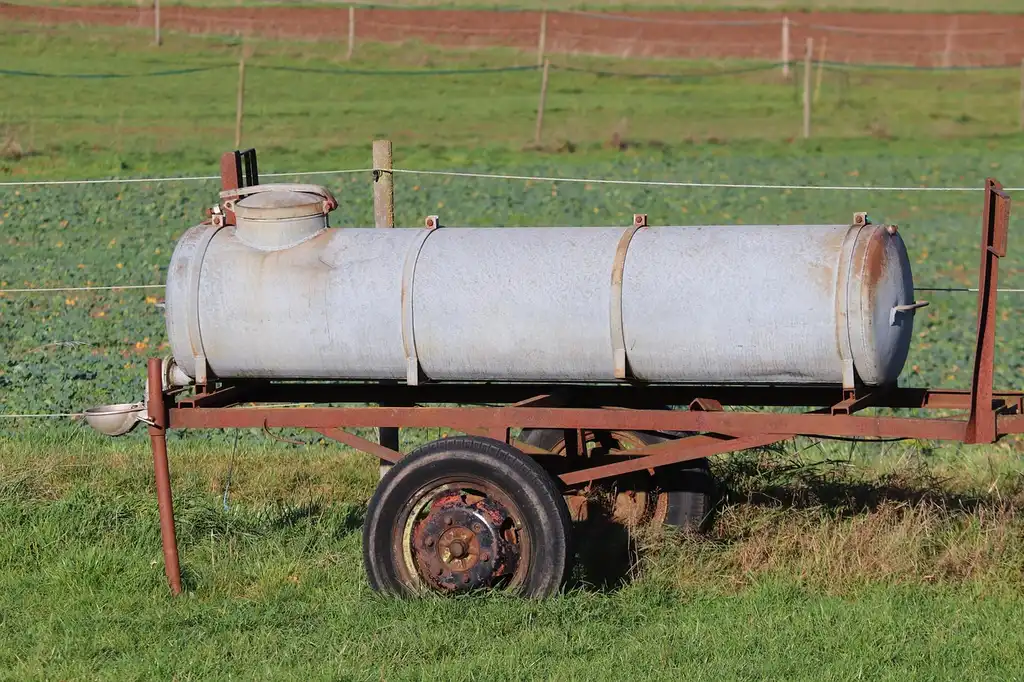
For most mobile car wash work, the right size comes down to how many vehicles you need to handle before refilling and how much payload your vehicle can spare. A small wash may need only a few gallons per car, but prep, wheels, and final rinse quickly increase usage.
As a rough planning guide, 5 gallons per car means a 40-gallon tank can support about 8 cars, a 65-gallon tank about 13 cars, and a 100-gallon tank about 20 cars. Real output depends on technique, but this gives you a usable starting point.
How much water one car wash typically uses
A single wash can vary a lot. If you are doing a careful exterior wash with a rinse bucket, wheel cleaning, and a final rinse, a 40-gallon tank is enough for short runs but not for a long route. If you also want reserve water for rinseless steps or a second vehicle, move up fast.
Say your route includes three compact cars and one crossover. A 40-gallon tank can work if you keep usage tight, but a 65-gallon tank gives you breathing room if one vehicle needs extra wheel work or a re-rinse.
How capacity changes refill frequency and job length
More gallons usually mean fewer refill stops, which is valuable if your route is spread out. The cost is payload. Bigger tanks also take up more floor space, and a nearly full tank puts a moving mass inside the vehicle that must be restrained properly.
That is why a tank choice should start with the route, not the catalog photo. A 100-gallon unit makes sense for high-volume trailer work. A 35- to 40-gallon unit is more reasonable for lighter rigs and shorter job windows.
How full-tank weight affects payload and vehicle choice
Payload math matters because water is heavy. At 8.34 pounds per gallon, a 50-gallon tank adds about 417 pounds of water, a 65-gallon tank about 542 pounds, and a 100-gallon tank about 834 pounds before hardware and mounting parts.
Suppose a half-ton truck already carries tools, chemicals, and a generator. The tank can push it into a bad payload position quickly. In that case, a smaller tank or a trailer-mounted setup is safer than forcing a huge tank into the bed.
Rigid low-profile tank: best for truck beds
A rigid low-profile tank is the best fit when you need a horizontal square reservoir that sits securely in a truck bed. The shape keeps the center of gravity lower than a tall vertical tank, and the flat base is easier to brace against the bed floor and bulkhead.
Look for molded tie-down channels, a vented cap, a large fill opening, visible level markings, and a real outlet you can plumb cleanly. A 3/4-inch NPT outlet is common on these tanks and is a practical size for general mobile wash use.
Best operator type: solo detailer or small crew working from a pickup, especially when the truck bed is the main transport space. The RomoTech 100-gallon tank is the most capacity-forward version in this category, while the Norwesco 65-gallon tank is the safer compromise for lighter payloads.
Rigid portable tank: best for trailer setups
A rigid portable tank makes sense when you want structure, handles, and easier tie-down management on a trailer. A domed or vertical profile can work well here because trailer decks often give you more mounting flexibility than a pickup bed, and the tank does not need to fit under a tonneau cover.
Check for bulkhead fittings, a vented cap, a large fill lid, and a drain path that lets the tank empty without tipping. If you need simple hose hookup, a spigot is convenient, but a properly sized outlet and valve are better for plumbing into a pump system.
Best operator type: trailer-based operators, mobile wash crews, and anyone who wants a more permanent plumbing layout. The advantage is stability and service access. The downside is that trailer-mounted rigs can still fail if the tank is only lightly strapped or if the fill opening is too small for repeated use.
Foldable bladder: best for temporary setups
A foldable bladder is the right answer when storage space is the limiting factor. PVC bladder construction lets the unit fold down when empty, which is useful for temporary jobs, seasonal businesses, and emergency reserve water storage.
Look closely at reinforced seams, overflow control, and temperature tolerance. Bladders are more sensitive to seam fatigue, cap or spigot leaks, and movement inside the load area. They also need careful placement because a soft-sided tank can shift if it is not restrained well.
Best operator type: emergency-use buyers, part-time detailers, and operators who need large water volume only some of the time. The Rodelna 65-gallon bladder is the clearest example here because it balances a large storage volume with easier empty storage.
Water tank decision matrix
| Pick | Capacity | Empty weight | Full water weight | Likely cars per fill | Mounting style | Best operator type |
|---|---|---|---|---|---|---|
| RomoTech 100-gallon horizontal square tank | 100 gallons | Not published in the provided specs | About 834 pounds of water | About 20 cars at 5 gallons each | Truck bed or trailer, tied into molded channels | High-volume route operator or trailer crew |
| Norwesco 65-gallon horizontal leg tank | 65 gallons | Not published in the provided specs | About 542 pounds of water | About 13 cars at 5 gallons each | Truck bed or trailer with a low-profile base | Solo detailer or small trailer setup |
| Emergency Water Tanks 40-gallon portable tank | 40 gallons | Not published in the provided specs | About 334 pounds of water | About 8 cars at 5 gallons each | Portable, with handles and tie-down points | Budget buyer or light-duty mobile washer |
| Rodelna 65-gallon bladder | 65 gallons | Not published in the provided specs | About 542 pounds of water | About 13 cars at 5 gallons each | Temporary setup, foldable storage | Emergency-use buyer or space-limited operator |
How do you choose between rigid and bladder tanks?
Rigid tanks win on structure, UV resistance, and day-to-day mounting confidence. Bladders win when storage space matters most and the tank will not live in the vehicle full time. The right choice depends on whether your main problem is hauling the water or storing the tank.
Rigid polyethylene tanks are easier to brace, cleaner to drain, and less vulnerable to seam fatigue. Bladders are more compact when empty, but they demand more care around punctures, heat, and slosh control.
Durability and UV resistance versus storage convenience
UV-stabilized polyethylene is the standard for a reason: it resists sun exposure and holds up well in fixed mounting. BPA-free construction matters when you want a food-grade or potable-style tank, though that does not automatically make it a spot-free rinse system.
PVC bladders trade that stiffness for foldability. They are useful, but they are not the best answer if the tank will sit outside, ride rough roads often, or stay installed year-round.
Failure points to check
Check seams, caps, fittings, and the mount. A loose cap can leak on rough roads. A weak outlet can make draining annoying. A tank that is not tied down well can shift and create a slosh cycle that stresses fittings and mounts.
A common first-timer mistake is buying enough gallons and ignoring the frame around them. If the tank is not anchored properly, the water load can move under braking or cornering, even when the tank itself is structurally sound.
When a bladder makes sense and when it does not
A bladder makes sense for temporary use, stored equipment, and tight garage space. It is less attractive when you need frequent fills, hard-road durability, or a setup that stays installed full time. In those cases, a rigid tank is the safer long-term answer.
Which one should you buy?
If payload margin is tight, start with the Norwesco 65-gallon tank or the Emergency Water Tanks 40-gallon tank. If you need the most wash water between refills and you have a trailer or a heavy-duty truck setup, the RomoTech 100-gallon tank is the strongest capacity play.
If storage space matters more than structure, the Rodelna 65-gallon bladder is the better fit. For a budget buy, the 40-gallon portable tank is the easiest entry point, but step up to a 65-gallon rigid tank if you expect multi-car days.
One more distinction matters: a potable or food-grade tank is fine for car washing, but it does not replace a deionized system. Use potable storage when water cleanliness matters. Use deionized water when you want spot-free final rinse performance and TDS reduction.
Frequently asked questions
What size water tank is best for a mobile car wash?
A 50- to 65-gallon tank is the best all-around choice for most mobile car wash setups. It gives enough volume for several cars without creating the payload burden of a 100-gallon unit. If you run a light vehicle or only do occasional jobs, 35 to 40 gallons can be enough.
Should I choose a rigid tank or a foldable water bladder?
Choose a rigid tank if you want better shape retention, easier mounting, and less worry about seam fatigue. Choose a foldable bladder if empty storage space is the priority and the tank will only be used part-time. For rough roads and permanent installs, rigid is usually the safer pick.
How much water do I need to wash one car?
There is no single number, but a practical planning figure is about 5 gallons per car for a disciplined mobile wash. That means a 40-gallon tank supports about 8 cars and a 65-gallon tank about 13 cars. Heavy wheel work or extra rinsing will reduce that count.
What material is best for a mobile water tank?
UV-stabilized polyethylene is the standard recommendation for rigid tanks because it is durable, rustproof, and chemical-resistant. BPA-free construction is a plus when water quality matters. PVC bladders are useful for foldability, but they need more care with seams, punctures, and heat exposure.
Can I use a potable water tank for car washing?
Yes. A potable or food-grade tank is fine for car washing, especially if you care about water cleanliness or want one tank that can double for general water storage. It does not automatically give you spot-free results, though, because deionized water is a separate system.
How do I mount a water tank in a truck or trailer?
Set the tank on a flat, stable surface and secure it with proper tie-downs or molded channels where available. Keep the load low, block movement at the base, and avoid loose fitment that lets the tank slide under braking. Trailer installs usually allow more stable mounting than pickup beds.
Products related to this article
Sponsored / affiliate links. As an Amazon Associate I earn from qualifying purchases. I may earn additional commission from eligible campaigns.