How to Damage Car Paint
Hey there! You probably love keeping your car looking shiny and new, right? I know I do. But sometimes, things happen that mess up that perfect paint job, and it’s frustrating. I’ve had my fair share of scratches and scuffs on my old sedan, and I’ve spent years figuring out what causes car paint damage.
Whether it’s a careless moment or something you didn’t even think about, damaging car paint is easier than you’d expect. I’ve learned a lot from my own mistakes, talking to auto shop pros, and digging into what harms that glossy finish. So, let’s sit down together, and I’ll walk you through all the ways car paint can get damaged. My goal is to help you avoid these pitfalls and keep your ride looking great.
This article is packed with practical info about how car paint gets damaged, why it happens, and what you can do to prevent it. It’s written for everyone—new drivers, car enthusiasts, or just folks who want their car to stay sharp. I’ll break it down in simple terms, so you can follow along easily. Let’s get started!
Why Car Paint Matters
I’ll be honest—when I got my first car, I didn’t think much about the paint. It was just there, making the car look nice. But car paint is more than just looks. It protects your vehicle from rust, corrosion, and even UV rays. Once the paint is damaged, your car’s metal body is exposed, and that’s when trouble starts. I learned this the hard way when a small scratch on my hood turned into a rusty patch after a rainy winter.
Paint damage also hits your wallet. A professional repaint can cost anywhere from $500 to $5,000, depending on the car and the damage. I got a quote for a full repaint once, and my jaw dropped. Plus, a damaged paint job can lower your car’s resale value. Buyers notice scratches and faded spots, and they’ll offer less. Knowing what damages paint helps you avoid these headaches.
Everyday Actions That Scratch Car Paint
Let’s start with the little things we do without thinking. I’ve scratched my car’s paint in ways I never expected. One time, I tossed my keys on the hood while unloading groceries, and boom—tiny scratches. Here are some common culprits:
- Brushing Against the Car: I used to lean against my car while chatting with friends, not realizing my jeans’ zipper or belt buckle was scraping the paint. Metal buttons or rough fabrics can leave marks.
- Using the Wrong Cleaning Tools: I once used a kitchen sponge to scrub bird droppings off my car. Big mistake. It left swirl marks. Sponges, rough rags, or dirty wash mitts can scratch the clear coat.
- Sliding Items On or Off: Ever slide a bag or box across your hood? I did that with a cardboard box, and it scratched the paint because of tiny dirt particles stuck to the bottom.
- Improper Washing: Washing your car with a dirty sponge or without rinsing first grinds dirt into the paint. I learned to rinse my car thoroughly before scrubbing.
These scratches might seem minor, but they add up. I now keep a soft microfiber cloth in my trunk for cleaning and avoid resting anything on my car.
Environmental Factors That Harm Paint
Mother Nature can be tough on car paint. I used to park my car under a tree, thinking it was safe from the sun. Turns out, that was a bad idea. Here’s what I found out about environmental damage:
- Bird Droppings: These are like paint’s worst enemy. I left a bird dropping on my car for a day, and it etched into the clear coat. The acid in droppings eats away at paint if you don’t clean it quickly.
- Tree Sap: That tree I parked under? It dripped sap onto my hood. It hardened and took paint off when I tried to scrape it. Sap is sticky and corrosive, especially in heat.
- Sun Exposure: UV rays fade paint over time. My black car started looking grayish after years of parking in direct sunlight. The clear coat breaks down, leaving the paint dull.
- Road Salt: Living in a snowy state, I noticed white spots on my car’s lower panels after winter. Road salt, used to melt ice, can corrode paint if not washed off.
- Acid Rain: In some areas, rainwater has pollutants that act like acid. I saw a faint etching on my car’s roof after a storm. Regular washing helps, but it’s sneaky damage.
Parking in a garage or using a car cover can help. I started washing my car more often in winter, and it’s saved my paint from salt damage.
Chemicals That Damage Car Paint
I was shocked to learn how many chemicals can ruin car paint. Some are things we use every day. Here’s what I’ve come across:
- Gasoline Spills: I spilled gas on my car while filling up at a station. It left a dull spot on the paint. Gasoline can strip the clear coat if not wiped off immediately.
- Bug Spray or Sunscreen: I sprayed bug spray near my car, and some got on the hood. It left a hazy mark. These products have chemicals that break down paint.
- Brake Fluid: A friend warned me about this one. Brake fluid is highly corrosive. If it spills on your car during a repair, it can eat through paint in minutes.
- Household Cleaners: I once used window cleaner on my car’s paint, thinking it was safe. It left streaks because of the ammonia. Only use car-specific cleaners.
- Road Tar: Driving on freshly paved roads got tar on my car’s bumper. It stuck like glue and damaged the paint when I tried scrubbing it off without a proper solvent.
I now carry a bottle of car-safe cleaner in my trunk for quick fixes. If you spill something, wipe it off gently with a damp microfiber cloth right away.
Improper Car Washing and Detailing Mistakes
Washing your car seems simple, but I messed it up plenty of times before learning the right way. Here are the mistakes I made and how they damaged the paint:
- Using Dish Soap: I used dish soap to save money, but it stripped the wax off my car, leaving the paint exposed. Car wash soap is gentler and protects the finish.
- Washing in Direct Sun: I washed my car on a hot day, and water spots baked onto the paint. The heat dries soap too fast, leaving marks.
- Not Rinsing First: If you scrub without rinsing, dirt gets trapped in your sponge, acting like sandpaper. I always rinse thoroughly now.
- Dry Wiping: I used to wipe dust off my car with a dry cloth. It scratched the paint because dust is abrasive. Always use water or a spray detailer.
- Cheap Wax or Polish: I bought a cheap wax once, and it left a hazy film. Low-quality products can damage the clear coat or leave residue.
I switched to the two-bucket wash method—one for soap, one for rinsing the mitt. It’s a game-changer for keeping paint scratch-free.
Physical Damage from Accidents or Objects
Sometimes, paint damage comes from things outside your control. I’ve had a few close calls that taught me to be more careful. Here’s what can happen:
- Shopping Carts: A cart rolled into my car in a parking lot, leaving a deep scratch. Loose carts or careless shoppers are a big risk.
- Branches or Debris: A windy day sent a branch scraping across my hood. Falling twigs or road debris can chip paint.
- Vandalism: I’ve heard stories of people finding key scratches on their cars. It’s heartbreaking, but it happens, especially in crowded areas.
- Minor Collisions: A bike bumped my car once, leaving a scuff. Even small impacts can chip or scratch paint.
I now park away from crowded areas and check for branches before parking under trees. It’s not foolproof, but it helps.
How Temperature Affects Car Paint
Temperature plays a bigger role than I thought. I noticed my car’s paint reacting differently in extreme weather. Here’s what I learned:
- Extreme Heat: Hot weather can fade paint and weaken the clear coat. I parked in the sun during a heatwave, and my car’s shine dulled.
- Freezing Cold: In winter, ice can stick to paint. I scraped ice off my car with a plastic scraper, but even that left tiny scratches.
- Thermal Shock: Going from hot to cold quickly, like washing a hot car with cold water, can crack the clear coat. I wait for my car to cool down now.
Using a car cover or parking in the shade helps in summer. In winter, I use a proper ice scraper and avoid chipping at frozen paint.
Table of Common Paint Damage Causes and Prevention
To make this easier, here’s a table summarizing what damages car paint and how to avoid it:
| Cause | How It Damages Paint | Prevention Tips |
|---|---|---|
| Bird Droppings | Clean immediately; use a car cover | Wash your car regularly in winter |
| Tree Sap | Sticky; corrodes clear coat | Wash off quickly; avoid parking under trees |
| UV Rays | Corroded paint causes rust | Use wax, park in shade or garage |
| Road Salt | Fades paint, weakens the clear coat | Strips the clear coat |
| Gasoline Spills | Wipe off immediately with a microfiber cloth | Use the two-bucket method, car-safe soap |
| Improper Washing | Scratches from dirt or harsh soap | Use two-bucket method, car-safe soap |
| Shopping Carts/Objects | Scratches or chips paint | Park in less crowded areas |
This table is my go-to cheat sheet for protecting my car’s paint. Keep it in mind when you’re out and about.
How to Spot Early Paint Damage
Catching damage early can save your paint job. I missed some signs on my car at first, but now I know what to look for:
- Swirl Marks: These look like faint, circular scratches. I saw them under sunlight after a bad wash. They’re from abrasive cleaning.
- Water Spots: Hard water leaves white, chalky marks. I noticed them on my hood after a rain. They can etch if left too long.
- Fading: If your car looks dull or uneven, UV rays might be the culprit. My black car started fading on the roof first.
- Etching: Bird droppings or sap can leave small pits. I found some in my trunk after a camping trip.
- Chips or Scratches: Small chips expose bare metal. I spotted one near my door handle from a key scrape.
Check your car in good lighting, like early morning sun. I walk around mine weekly to catch issues early.
How to Prevent Paint Damage
After all my mishaps, I’ve gotten serious about protecting my car’s paint. Here are tips I swear by:
- Wax Regularly: Wax adds a protective layer. I wax my car every three months, and it’s kept the shine intact.
- Use a Car Cover: If you can’t park in a garage, a cover shields against sun, sap, and droppings. I got one for $50, and it’s worth it.
- Wash Properly: Use the two-bucket method and microfiber mitts. I also rinse my car before and after washing.
- Park Smart: Avoid trees, crowded lots, or direct sun. I park at the far end of lots now, even if it means a longer walk.
- Clean Spills Fast: If something like gas or sap gets on your car, wipe it gently with a damp microfiber cloth right away.
- Use Ceramic Coating: I splurged on a ceramic coating last year. It’s like armor for your paint—repels dirt and makes cleaning easier.
These steps take effort, but they’ve saved me from costly repairs. My car still looks sharp after years of use.
Fixing Minor Paint Damage
Sometimes, damage happens despite your best efforts. I’ve fixed small scratches myself and learned what works. For minor scratches, try a scratch remover or polishing compound. I used one on a key mark, and it faded the scratch significantly. For deeper scratches, touch-up paint from your car’s manufacturer can help. I got a small bottle for $15 and filled in a chip on my bumper.
For water spots or etching, a clay bar kit works wonders. I cleaned my car’s hood, and it felt smooth as glass. If the damage is bad—like deep scratches or rust—take it to a pro. I got a deep scratch fixed at a shop for $200, and it was worth it to avoid rust.
When to Call a Professional
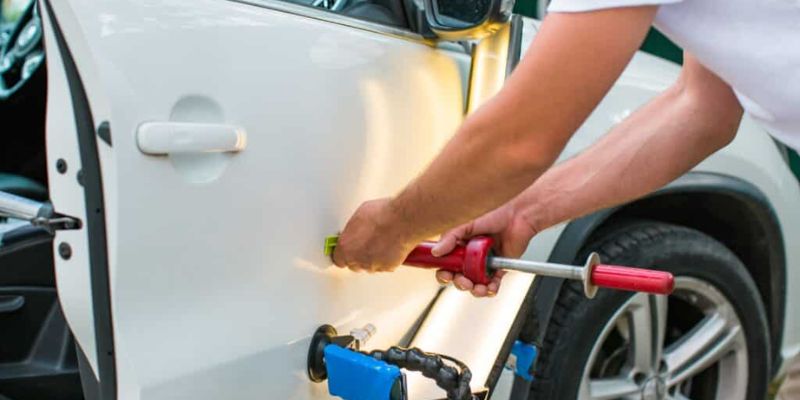
I’m all for DIY fixes, but some damage needs an expert. If you see rust, large scratches, or faded areas that don’t buff out, go to a body shop. I took my car to one when a branch gouged the paint, and they matched the color perfectly. Professional repairs can cost $100 to $1,000, depending on the job, but they prevent bigger issues like corrosion.
Emotional Toll of Paint Damage
I’ll admit, seeing a scratch on my car feels like a punch to the gut. It’s not just about money—it’s your pride and joy. I felt so bummed when my car got keyed in a parking lot. Talking to other car owners, I know I’m not alone. Take a deep breath, fix what you can, and remember it’s just a car. Keeping it in perspective helps.
Conclusion
So, how does car paint get damaged? It’s surprisingly easy—everything from bird droppings to bad washing habits can ruin that shiny finish. I’ve learned the hard way that everyday actions, environmental factors, and even chemicals can take a toll. But with a little care, you can prevent most damage. Wash your car properly, park smart, and clean spills fast. If damage happens, catch it early and fix it yourself or call a pro. Your car’s paint is its armor, and protecting it keeps your ride looking great and holding its value.
I hope this guide helps you avoid the mistakes I made and keeps your car sparkling. It’s not just about looks—it’s about taking pride in your vehicle and saving money in the long run. Drive safe, keep that paint shining, and enjoy the road!
FAQs
What’s the fastest way to damage car paint?
Bird droppings, tree sap, or gasoline spills can damage paint quickly. They’re acidic or corrosive and can etch the clear coat in hours if not cleaned.
Can I use household cleaners on my car?
No, avoid them. Dish soap or window cleaners can strip wax or leave streaks. Use car-specific soap to protect the paint.
How do I prevent scratches when washing my car?
Use the two-bucket method—one for soap, one for rinsing. Rinse the car first, and use a microfiber mitt to avoid grinding dirt into the paint.
Does sun exposure really fade car paint?
Yes, UV rays break down the clear coat and fade color over time. Wax regularly and park in shade or a garage to slow it down.
Can I fix minor scratches myself?
Yes, for light scratches, use a scratch remover or polishing compound. For deeper ones, try touch-up paint. Deep scratches need a professional.
How much does it cost to fix car paint damage?
Minor fixes like scratch repair can cost $100-$500. A full repaint might run $1,000-$5,000, depending on the car and damage.