How to Drive an Automatic Transmission Car: Simple Guide
Learning to drive an automatic transmission car is a significant step towards gaining independence and mastering a new skill. Unlike manual cars, automatics simplify the driving process by handling gear changes for you, making them ideal for beginners. This guide will walk you through everything you need to know, from understanding the gear shifter to executing smooth starts and stops — see our related guides, Can I Drive a Salvage Title Car in California? and Can I Drive a Motorcycle With a Car License? No, You Need an Endorsement.
Simply put, driving an automatic car involves understanding its gear selector, accelerator, and brake pedals. Focus on smooth pedal control, anticipating traffic, and practicing regularly in safe environments to build confidence and proficiency.
Key Takeaways
- Driving an automatic car eliminates the need for manual clutch and gear shifting, simplifying the driving experience.
- Familiarize yourself with the gear selector (P, R, N, D) and understand its function before starting the engine.
- Master smooth transitions between the accelerator and brake pedals to avoid jerky movements.
- Practice anticipating traffic and road conditions to enable smoother driving and better vehicle control.
- Regular practice in various conditions is crucial for building confidence and developing good driving habits.
Understanding Your Automatic Transmission Car
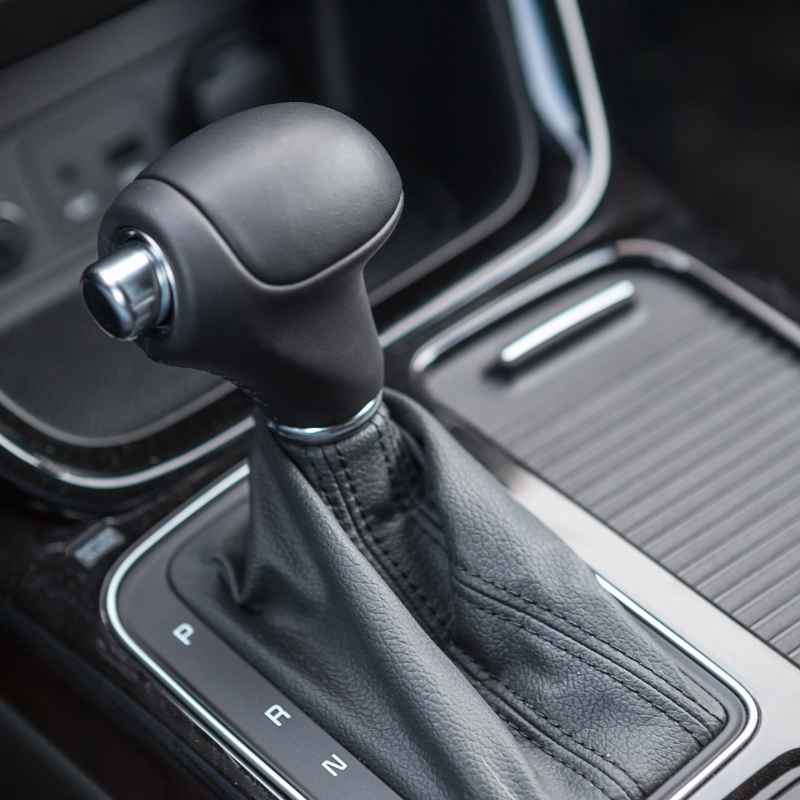
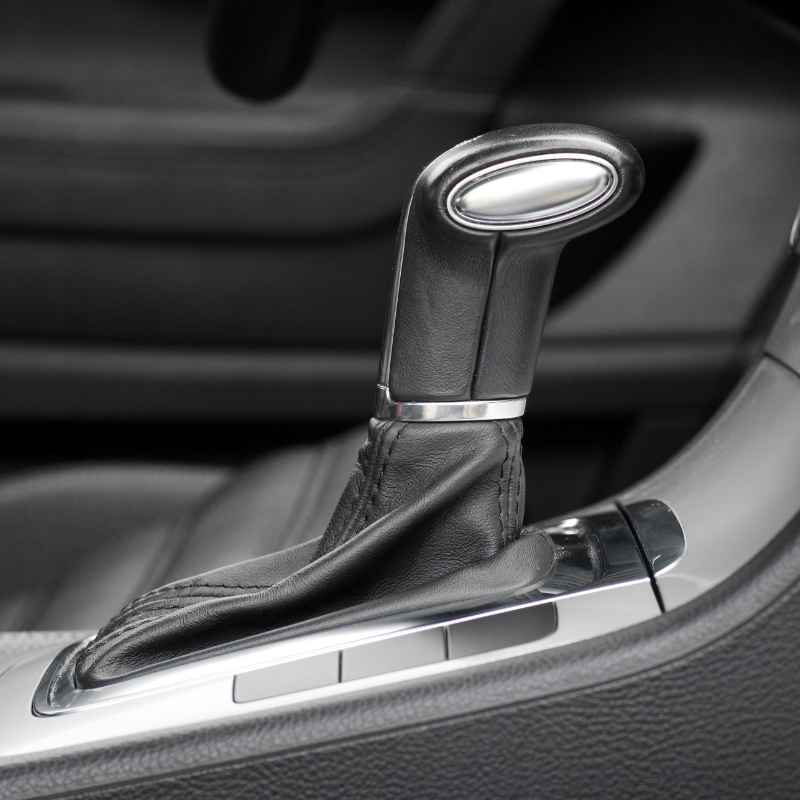
Before you even start the engine, it’s crucial to understand the fundamental components and controls of an automatic transmission vehicle. The most distinct feature is the gear selector, usually located on the center console or steering column. This lever controls the car’s transmission, determining whether it’s in Park, Reverse, Neutral, or Drive.
The absence of a clutch pedal is what defines an automatic. Instead, you’ll primarily use two pedals: the accelerator (gas pedal) on the right and the brake pedal on the left. Your feet will seamlessly move between these two pedals as you control speed and stop the vehicle.
Understanding this basic pedal coordination is the first step to confident driving.
- P (Park): Engages the parking brake, locking the transmission. Always use this when parked.
- R (Reverse): Engages the car to move backward.
- N (Neutral): Disengages the transmission from the engine, allowing the car to roll freely. Use sparingly, typically only when briefly stopped in traffic if absolutely necessary.
- D (Drive): The primary gear for moving forward. The car will automatically shift through its gears as you accelerate.
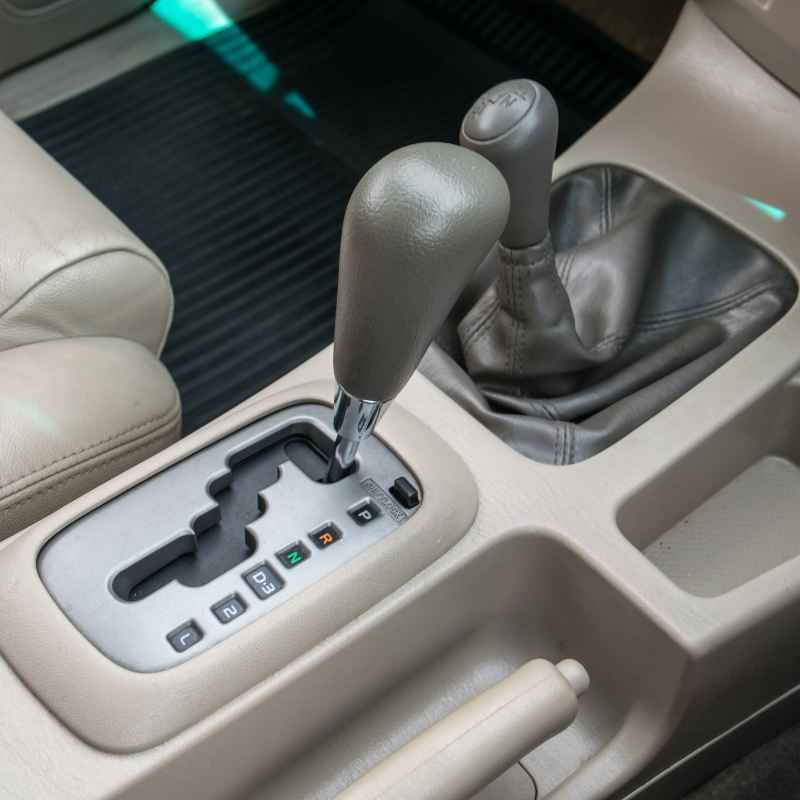
- L (Low) or Numbers (1, 2, 3): These gears are used for specific situations like climbing steep hills or descending them, providing more engine braking. They limit the highest gear the car will shift into.
- S (Sport) or M (Manual) Mode: Some modern automatics offer these modes, allowing for more spirited driving or manual gear selection via paddle shifters or the gear lever.
Getting Started: Your First Drive
Once you’re familiar with the gear selector and pedals, it’s time to start the engine and begin your journey. Ensure the gear selector is firmly in the ‘P’ (Park) position before turning the key or pressing the start button. Once the engine is running, release the parking brake.
To begin moving, press the brake pedal firmly with your right foot. While keeping the brake pedal depressed, move the gear selector from ‘P’ to ‘D’ (Drive). You’ll feel a slight ‘thunk’ as the transmission engages.
Slowly release the brake pedal; the car will begin to creep forward. Gently press the accelerator pedal to increase speed.
Pre-Drive Checks
- Adjust your seat and mirrors for optimal visibility and comfort.
- Ensure the parking brake is disengaged.
- Confirm the gear selector is in ‘P’ before starting the engine, and in ‘D’ before moving forward.
- Always keep your right foot over the brake pedal when initiating movement.
Smooth Acceleration and Braking
The key to a comfortable ride in an automatic is smooth pedal control. Avoid stomping on the accelerator or brake. Instead, apply gentle, progressive pressure.
When accelerating, gradually increase pressure on the gas pedal. When slowing down or stopping, smoothly lift your foot off the accelerator and then gently apply the brake pedal.
Anticipation is vital. Look ahead and anticipate what other drivers or pedestrians might do. This allows you to adjust your speed gradually rather than making sudden, abrupt movements.
Practicing these smooth transitions will make your driving experience, and that of your passengers, much more pleasant.
Tip: When stopped at a red light or in traffic, keep your right foot on the brake pedal. This prevents the car from creeping forward unintentionally.
Navigating Different Driving Scenarios
Automatic transmission cars are versatile, but different situations call for slightly different approaches to ensure safety and efficiency. Understanding these nuances will make you a more confident and competent driver.
When driving uphill, you might need slightly more acceleration than on a flat surface to maintain momentum. Conversely, going downhill requires careful braking control to avoid excessive speed. Many automatic cars have lower gear settings (L or numbered gears) that can assist with this by providing engine braking, reducing the reliance on your foot brake.
Driving Uphill
For inclines, ensure you are in ‘D’ or a lower gear if the hill is very steep. Apply a bit more pressure to the accelerator to overcome gravity. If you need to stop on a hill, hold the brake pedal firmly.
When ready to move, transition smoothly to the accelerator while releasing the brake. Some drivers find it easier to use the parking brake if they are concerned about rolling backward, but this requires practice.
Driving Downhill
On steep descents, you may want to shift out of ‘D’ into a lower gear (like ‘2’ or ‘L’ if available). This uses the engine to slow the car, reducing wear on your brakes and preventing them from overheating. You’ll still need to use your brake pedal, but you’ll be using it less intensely.
Parking Your Automatic Car
Parking is straightforward. When you’ve found your spot, press the brake pedal firmly. While holding the brake, move the gear selector to ‘P’ (Park).
Then, engage the parking brake before turning off the engine. This sequence is important for ensuring the vehicle is securely held in place.
| Scenario | Recommended Gear | Pedal Control |
|---|---|---|
| Normal Forward Driving | D (Drive) | Smooth acceleration and gentle braking. |
| Steep Uphill Climb | D or Lower Gear (2/1) | Slightly more acceleration needed; use brake to hold when stopped. |
| Steep Downhill Descent | Lower Gear (2/L) | Use engine braking; apply brakes as needed to control speed. |
| Parking | P (Park) | Engage parking brake after selecting P. |
This table outlines how to approach common driving scenarios with an automatic transmission, emphasizing gear selection and pedal use for optimal control and safety.
Common Mistakes to Avoid
Even with an automatic, beginners can make common errors that affect safety and vehicle wear. Being aware of these pitfalls can help you avoid them from the outset.
One of the most frequent mistakes is not fully engaging the parking brake when parking, especially on an incline. This puts unnecessary strain on the transmission. Another common issue is keeping your left foot on the brake pedal out of habit from driving a manual or while operating the gas pedal, which is incorrect and can lead to confusion or unintended acceleration.
Important: Never shift from Drive to Reverse or vice versa while the car is still moving forward or backward. Always come to a complete stop first.
- Confusing Pedals: Accidentally pressing the gas instead of the brake, or vice-versa. This highlights the need for focused attention and practice.
- Jerky Movements: Abrupt acceleration or braking, which can be uncomfortable for passengers and hard on the car’s components.
- Over-reliance on the Gear Selector: Thinking the gear selector does all the work and neglecting the importance of brake and accelerator control.
- Forgetting to Shift to Park: Turning off the engine without selecting ‘P’ can lead to the car rolling if not on a perfectly level surface.
- Not Using Engine Braking: Overusing the foot brake on long descents can cause overheating and reduce braking effectiveness.
- Shifting Gears While Moving: Incorrectly moving the selector between R and D while the car is in motion.
Tips for a Smoother Driving Experience
Beyond the basics, a few expert tips can significantly enhance your comfort and control when driving an automatic. These focus on refining your technique and becoming more attuned to the vehicle’s behavior.
Practice in quiet, safe areas like empty parking lots or quiet residential streets. This allows you to get a feel for the car’s responsiveness without the pressure of traffic. Experiment with how much pressure you need to apply to the accelerator to achieve different speeds.
Listen to your engine; it can often tell you when it’s working hard or when you can ease off.
- Scan Ahead: Always look as far down the road as possible. This allows you to anticipate traffic light changes, brake lights, and other hazards, giving you ample time to react smoothly.
- Gentle Inputs: Treat the accelerator and brake pedals like they’re made of glass. Subtle movements lead to a much smoother ride.
- Anticipate Stops: When you see a red light or slowing traffic, lift your foot off the accelerator early and let the car decelerate naturally before gently applying the brake.
- Engine Braking: Learn to use the lower gear settings on declines. This conserves your brakes and provides a more controlled descent.
- Know Your Car: Each automatic transmission can feel slightly different. Spend time getting to know how your specific car accelerates, brakes, and shifts.
- Maintain Distance: Always leave ample space between your car and the vehicle in front. This buffer zone is crucial for smooth braking and avoiding sudden stops.
Frequently Asked Questions
What is the purpose of the ‘N’ (Neutral) gear in an automatic?
Neutral disengages the transmission from the engine, allowing the car to roll freely without engine power. It’s typically used when the vehicle needs to be towed or in rare situations where you need to push the car. It is not meant for extended idling in traffic.
Can I use my left foot for the brake pedal in an automatic?
While technically possible, it is strongly discouraged for safety reasons. Using your left foot can lead to confusion, accidentally pressing both pedals, or unintended acceleration. It is best practice to use only your right foot for both the accelerator and brake pedals.
How do I know when to use lower gears (L, 1, 2, 3)?
Lower gears are primarily used for situations requiring more engine power or engine braking. This includes climbing very steep hills, descending steep hills to control speed, or when towing a heavy load. For everyday driving on flat roads, ‘D’ is almost always the correct gear.
Is driving an automatic car more fuel-efficient than a manual?
Historically, manuals were more fuel-efficient. However, modern automatic transmissions, especially those with more gears (like 8, 9, or 10-speed automatics) and continuously variable transmissions (CVTs), are often as efficient or even more fuel-efficient than their manual counterparts. This is due to their ability to keep the engine in its most efficient RPM range.
What does it mean if my automatic car is ‘slipping’?
Transmission ‘slipping’ means the engine revs up, but the car doesn’t accelerate as it should. This often indicates a problem with the transmission fluid, worn clutches, or other internal issues. If you experience slipping, it’s crucial to have your car inspected by a qualified mechanic immediately.
Final Thoughts
Mastering how to drive an automatic transmission car opens up a world of convenience and mobility. By understanding your vehicle’s controls, practicing smooth pedal work, and anticipating driving situations, you can become a confident and safe driver. Remember that consistent practice is key to developing good habits and enjoying the ease that an automatic transmission offers.
Sponsored / affiliate links. As an Amazon Associate I earn from qualifying purchases. I may earn additional commission from eligible campaigns.
Products related to this article