How to Dry Wet Car Carpet Fast & Effectively
Drying wet car carpet is crucial to prevent mold, mildew, and unpleasant odors that can ruin your vehicle’s interior. Whether it’s from a spilled drink, a leaky window, or rain, addressing moisture promptly is key to preserving your car’s condition and your comfort. This guide will walk you through the most effective methods to tackle damp car carpets, ensuring a dry and fresh cabin.
Simply put, act fast to absorb as much liquid as possible, use powerful drying tools, and ensure complete air circulation to prevent mold and restore your car carpet.
Key Takeaways
- Drying wet car carpet starts with immediate absorption of excess liquid.
- Utilize fans, dehumidifiers, and sunlight to speed up the drying process.
- Proper ventilation is essential to prevent residual moisture and odors.
- Consider professional help for severe water damage to avoid long-term issues.
What is Water Damage in Car Carpets?
Water damage in car carpets refers to the saturation of the fabric and padding beneath by any liquid, whether it’s clean water, rain, or spilled beverages. This moisture can quickly seep into the carpet’s backing and the car’s floor insulation, creating an environment ripe for microbial growth. Ignoring dampness allows mold and mildew spores to flourish, leading to structural damage and a persistent musty smell.
The consequences of prolonged water exposure extend beyond a simple inconvenience. Beyond the visible dampness and odor, water can degrade the carpet fibers, stain the upholstery, and even cause rust on the metal components of your car’s chassis. The electrical systems beneath the carpet are also vulnerable to short circuits and corrosion.
Understanding the potential risks associated with wet car carpets underscores the importance of prompt action. The goal is not just to dry the surface but to remove all moisture from the entire carpet system, including the underlayment and subfloor, to prevent any secondary damage.
- Moisture Absorption: Initial step to remove bulk liquid.
- Air Circulation: Crucial for evaporation.
- Dehumidification: Extracts moisture from the air.
- Heat Application: Accelerates drying but must be used carefully.
- Odor Removal: Tackles lingering smells.
- Mold Prevention: Ensuring complete dryness.
Immediate Steps for Drying Wet Car Carpet
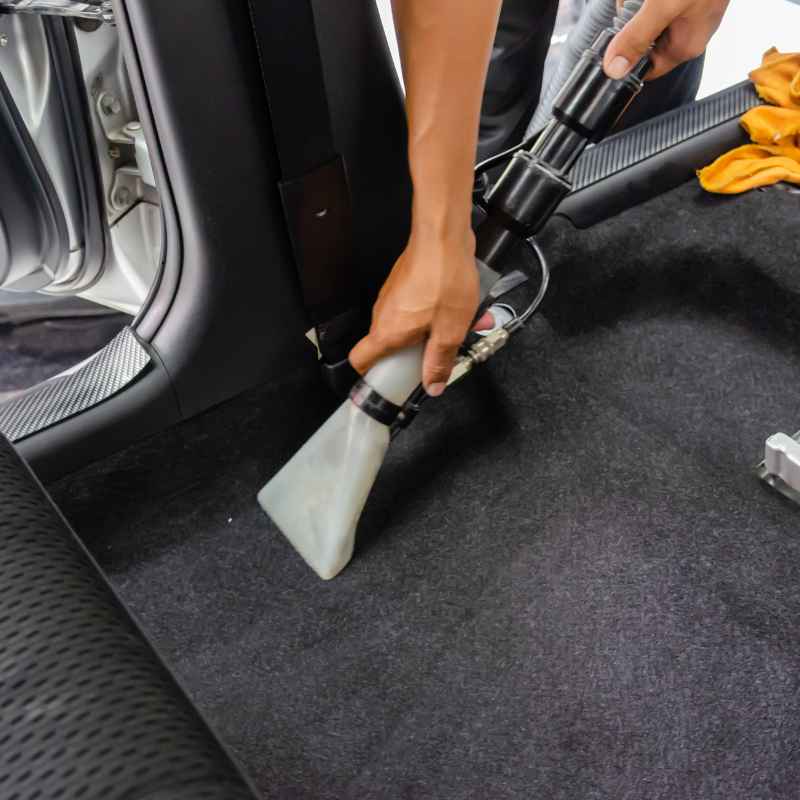
The very first action you should take when dealing with a wet car carpet is to remove as much liquid as possible, as quickly as possible. Time is your greatest enemy here; the longer the carpet stays wet, the more likely it is that mold and mildew will begin to form. This initial absorption phase is critical for minimizing damage and making the subsequent drying process much easier.
For minor spills, absorbent towels, paper towels, or even old rags can be surprisingly effective. Blot the area thoroughly, pressing down with considerable force to draw the liquid out of the fibers and into the absorbent material. Don’t rub, as this can spread the spill and push the moisture deeper into the carpet and padding.
Replace the towels frequently as they become saturated.
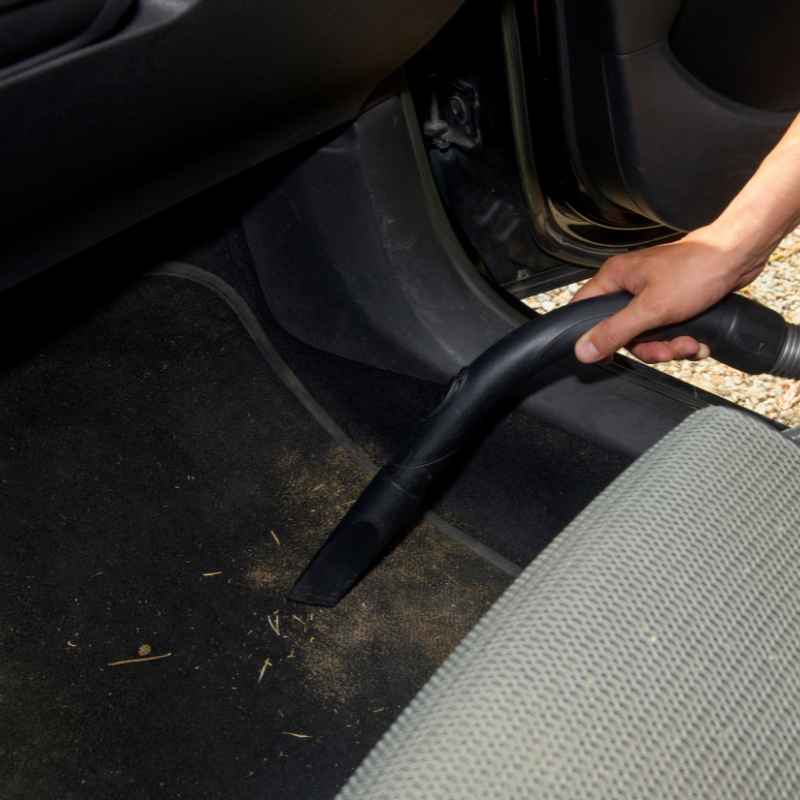
For larger volumes of water, such as from a significant spill or a leak, a wet-dry vacuum cleaner is your best friend. These powerful tools are designed to suck up water from carpets and hard surfaces, making a significant dent in the moisture level. Go over the wet areas multiple times with the wet-dry vac, tilting the nozzle to ensure you’re getting as much water out as possible from every angle.
- Blot Spills: Use absorbent towels to soak up liquid, pressing firmly.
- Use Wet-Dry Vac: Extract standing water efficiently.
- Remove Floor Mats: Take out any rubber or carpeted floor mats to dry them separately and improve air access to the car floor.
- Open Doors and Windows: Maximize ventilation immediately.
- Check Underneath: Inspect for moisture seeping into the underlayment.
- Transfer Wet Items: Remove any soaked items from the car.
Leveraging Household Items for Water Extraction
You don’t always need specialized equipment to start the drying process. Many common household items can be repurposed to help extract moisture from your car’s carpet. The key is to use materials that are highly absorbent and can be wrung out or replaced easily, allowing for continuous removal of water.
Old towels, blankets, and even large sponges are excellent for blotting up smaller spills or finishing areas that a wet-dry vacuum might miss. Lay them over the wet spots and press down firmly. For larger areas, you can layer multiple towels.
Remember to wring them out thoroughly outdoors or place them in a dryer, then bring them back to continue the absorption process.
If you have a lot of standing water, consider using buckets to collect the water from your wet-dry vacuum. This prevents you from having to empty the vacuum’s tank as frequently, allowing you to work more continuously. Squeegees, often used for windows, can also be used on the carpet surface to push water towards a central point where it can be vacuumed up or blotted.
- Old Towels/Rags: For blotting and pressing.
- Sponges: Absorb liquid and are easily wrung out.
- Buckets: For emptying wet-dry vacuums.
- Squeegees: To guide water towards collection points.
- Newspaper: Can be laid on damp areas overnight to absorb residual moisture.
| Method | Effectiveness | Best For |
|---|---|---|
| Blotting with Towels | Moderate | Small spills, finishing touches |
| Wet-Dry Vacuum | High | Large spills, standing water |
| Sponges | Moderate | Absorbing residual moisture |
Using a combination of these household items can significantly improve your ability to extract water, especially if specialized equipment isn’t immediately available.
How to Use Fans and Dehumidifiers for Car Carpet Drying
Once the bulk of the water is removed, the next critical phase is facilitating evaporation. This is where fans and dehumidifiers become indispensable tools for effectively drying wet car carpet. They work by increasing airflow over the wet surfaces and by removing moisture from the air, creating a more conducive environment for drying.
Positioning fans correctly is key. Aim them directly at the damp areas of the carpet. If possible, use multiple fans to cover a larger area.
Open car doors and windows to allow the moist air to escape. If you have access to a garage or a covered area, you can leave the doors open to continue this ventilation process for several hours, or even overnight.
A dehumidifier is particularly effective, especially in humid conditions where natural evaporation is slow. Place the dehumidifier inside the car with the doors and windows closed. It will actively pull moisture from the air and the carpet, collecting it in its internal reservoir.
Empty the reservoir as needed. Running a dehumidifier for several hours can drastically reduce drying time.
- Fan Placement: Aim directly at wet carpet sections.
- Multiple Fans: Increase coverage and speed.
- Ventilation: Open doors and windows to allow moist air to escape.
- Dehumidifier: Use indoors to actively remove moisture from the air.
- Car Doors: Keep them open as much as possible for air exchange.
- Monitor Humidity: Use a hygrometer if available to track progress.
Important: Ensure all electrical appliances like fans and dehumidifiers are placed safely and away from any potential water contact to avoid electrical hazards. Always use surge protectors for added safety.
Natural Sun Drying and Air Circulation Techniques
Leveraging natural elements like sunlight and fresh air can be a surprisingly effective and cost-free way to dry car carpets. This method works best on sunny, breezy days and requires a safe location where you can leave your car’s doors open for an extended period.
Park your car in direct sunlight. Open all the doors and windows to maximize air exposure to the interior. The sun’s warmth will help to heat the carpet, and the breeze will carry away the evaporated moisture.
If possible, prop the doors open slightly wider with safety supports, but ensure the car remains secure and protected from any potential hazards like rain or theft.
For stubborn damp spots, you can place absorbent materials like old towels or newspapers on the affected areas once the initial bulk of the water is gone. These materials will wick up residual moisture. Periodically checking and replacing them can speed up the process.
This method requires patience but is very effective for a thorough dry-out.
- Park in Sunlight: Choose a location with direct sun exposure.
- Open All Doors and Windows: Maximize airflow and sunlight penetration.
- Use Car Doors as Stands: Prop doors open for better ventilation if safe.
- Monitor Weather: Ensure no rain is expected.
- Check Carpet Regularly: Feel for dampness and adjust ventilation as needed.
- Use Absorbent Materials: Place towels or newspapers on remaining damp spots.
Warning: Be mindful of security when leaving your car doors open for extended periods. Ensure you are in a safe, private location. Also, direct, intense sunlight over long periods can sometimes fade certain carpet colors.
Dealing with Stubborn Odors and Mold Prevention
Even after the carpet feels dry to the touch, residual moisture in the padding or underlayment can lead to persistent musty odors and the dreaded growth of mold and mildew. Addressing these issues requires a proactive approach to ensure your car’s interior remains fresh and healthy.
Baking soda is a fantastic natural deodorizer. Sprinkle a generous amount of baking soda over the dry carpet, let it sit for several hours or overnight, and then vacuum it up thoroughly. This process can absorb and neutralize many lingering smells.
Activated charcoal, available in sachets, is another excellent option for absorbing odors.
For mold and mildew prevention, ensure that the carpet and padding are absolutely bone dry. If you suspect deep moisture, consider using a carpet cleaning machine with a powerful extraction function. For persistent mold issues, a solution of diluted white vinegar and water (50/50 ratio) can be sprayed lightly onto affected areas.
Vinegar is a natural disinfectant and mold killer. Test this solution on an inconspicuous area first to ensure it doesn’t damage the carpet color.
- Baking Soda: Sprinkle liberally, let sit, then vacuum.
- Activated Charcoal: Use sachets to absorb odors.
- White Vinegar Solution: Mix 50/50 with water for disinfection.
- Enzyme Cleaners: Effective for organic stains and odors.
- Carpet Extractor: Use to remove any remaining moisture from deep within.
- Ventilation: Continue airflow even after drying.
- Professional Inspection: For severe mold, consider professional remediation.
What is the Role of a Carpet Extractor in Drying?
A carpet extractor, often referred to as a carpet cleaner or steam cleaner, plays a crucial role in both deep cleaning and the drying process of car carpets, especially after significant water exposure. These machines are designed to inject water or cleaning solution deep into the carpet fibers and then powerfully extract the moisture and loosened dirt.
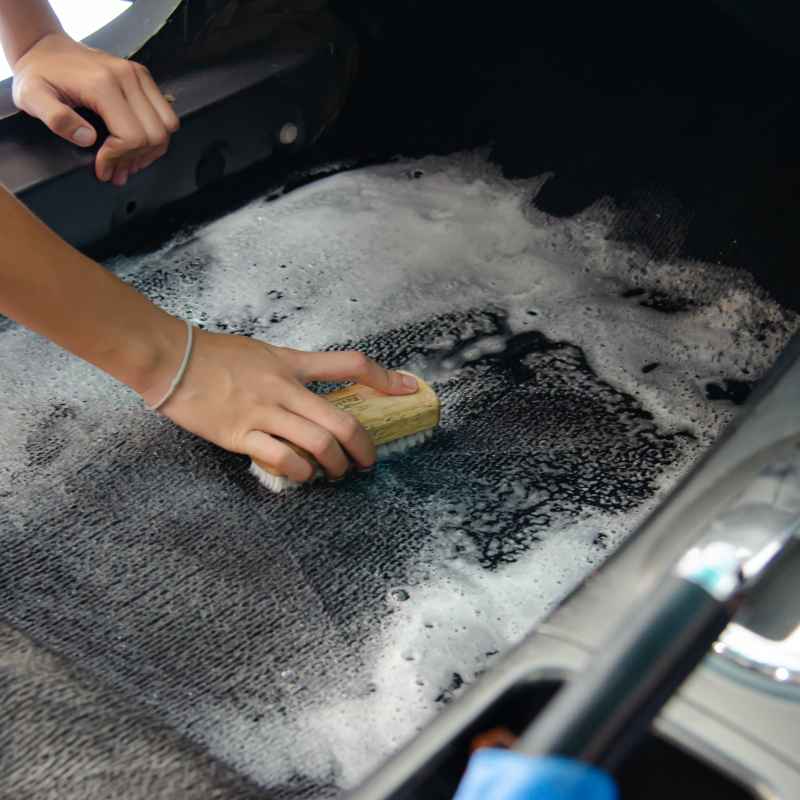
When dealing with a wet car carpet, using a carpet extractor can be incredibly effective. After you’ve removed the bulk of the water with a wet-dry vac, the extractor can be used with just plain water or a mild cleaning solution to rinse the carpet fibers and then suck out any remaining deep moisture. The powerful suction of these machines is far greater than what a household vacuum can achieve, making them ideal for thorough drying.
The key benefit of using an extractor is its ability to reach moisture that may be trapped in the carpet’s backing and padding. By thoroughly rinsing and then extracting, you remove not only water but also any dissolved contaminants that might contribute to odors or mold growth. For the best results, make multiple passes over the area with the extraction function to ensure as much moisture as possible is removed.
| Feature | Benefit for Wet Carpets | Considerations |
|---|---|---|
| Powerful Suction | Removes deep moisture efficiently. | Requires power source; can be heavy. |
| Water Injection | Rinses and loosens trapped moisture. | Use minimal water to avoid over-saturation. |
| Portability | Can be used directly in the car. | Smaller units may have less power. |
Utilizing a carpet extractor as part of your drying strategy significantly enhances the thoroughness of the process, ensuring a drier and healthier car interior.
When to Consider Professional Car Detailing
While many situations involving wet car carpets can be managed with DIY methods, there are times when calling in the professionals is the best course of action. Severe water saturation, the presence of hazardous materials, or extensive mold growth are prime examples where professional expertise is invaluable.
If your car has been submerged in floodwater, even if the water has receded, the carpet and padding are likely saturated with potentially contaminated water. Professional detailers have industrial-grade equipment, including high-powered extractors, air movers, and specialized drying units, that can tackle such extensive issues. They also have the knowledge to safely handle and neutralize contaminants.
Mold and mildew are not only unsightly and smelly but can also pose serious health risks. If you see visible mold growth, or if the musty odor is overpowering and persistent despite your drying efforts, a professional service can effectively remove and remediate the problem. They can also identify and address any underlying causes of leaks that may have led to the water damage.
- Floodwater Contamination: When your car has been in a flood.
- Extensive Mold Growth: Visible mold or strong, persistent odors.
- Electrical System Damage: If water has infiltrated electrical components.
- Deep Padding Saturation: When even aggressive drying methods fail.
- Valuable or Classic Cars: To ensure preservation and prevent damage.
- Time Constraints: When you lack the time for extensive DIY drying.
- DIY Failure: If your efforts haven’t resolved the issue.
Frequently Asked Questions
What is the fastest way to dry a car carpet?
The fastest way involves immediate absorption of excess water with towels or a wet-dry vac, followed by using powerful fans and a dehumidifier in a closed environment to accelerate evaporation and moisture removal from the air.
How long does it take to dry car carpet?
Drying time varies greatly depending on the extent of the wetness, humidity, and the methods used. Minor dampness might dry in a few hours with good airflow, while heavily saturated carpets could take 24-48 hours or longer, even with professional equipment.
Can I use a hairdryer to dry my car carpet?
While a hairdryer can help with very small, localized damp spots, it’s not effective for larger areas. Prolonged use can also damage the carpet fibers due to concentrated heat. Fans and dehumidifiers offer more efficient and safer drying for car interiors.
How do I get rid of the mildew smell from wet car carpet?
Start by ensuring the carpet is completely dry. Then, use baking soda sprinkled on the carpet and vacuumed up, or an enzyme cleaner specifically designed for pet odors and organic smells. In severe cases, a diluted vinegar spray can help, followed by continued ventilation.
What if my car carpet is soaked from rain due to a leak?
First, address the leak to prevent further water ingress. Then, follow the drying steps outlined: absorb excess water, use fans and a dehumidifier, ensure good air circulation, and consider using baking soda or a mild cleaning solution to combat odors. If the leak caused significant saturation, a professional inspection might be necessary to ensure no underlying structural damage occurred.
Final Thoughts
Effectively drying wet car carpet is a critical task that requires prompt action and the right techniques. By quickly absorbing excess moisture, utilizing powerful drying tools like fans and dehumidifiers, and ensuring thorough ventilation, you can prevent mold, mildew, and lasting odor issues. For severe cases or persistent problems, professional detailing services offer the most comprehensive solution.
Keeping your car’s interior dry not only maintains its value but also ensures a healthier and more pleasant driving experience.
Products related to this article
Sponsored / affiliate links. As an Amazon Associate I earn from qualifying purchases. I may earn additional commission from eligible campaigns.