How to Evacuate Car AC System: Essential Guide
Imagine driving on a scorching summer day. You depend on your car’s air conditioning to keep you cool.
But what if it suddenly stops working? What do you do? Knowing how to evacuate your car AC system can save you time and money. Whether you’re a DIY enthusiast or just want to understand the process, this guide is for you.
By mastering this skill, you can ensure your car stays comfortable no matter the weather. Dive into the steps, and soon you’ll be ready to handle your car’s AC like a pro. Keep reading to discover the secrets to a smooth and efficient evacuation process.
Credit: orionmotortech.com
Understanding The Car Ac System
The car AC system has many parts. Compressor moves the air. Condenser cools it down. Evaporator makes the air cold. Refrigerant is the special fluid inside. Receiver-drier takes out the water. Expansion valve controls the air flow. Each part has a job. Together, they make cold air.
Car AC can have problems. Weak airflow is common. Warm air means trouble. Strange noises are bad signs. Bad smells can come from the AC. Leaks show problems in the system. Ice buildup is not good. High pressure can happen inside. When these signs show up, fixing is needed.
Preparation For Evacuation
Clearing a car’s AC system is important for its health. Start by disconnecting the AC compressor. Next, attach the evacuation pump to the service port. Finally, run the pump to remove air and moisture. This ensures efficient cooling and prevents damage.
Regular maintenance keeps the system running smoothly.
Necessary Tools And Equipment
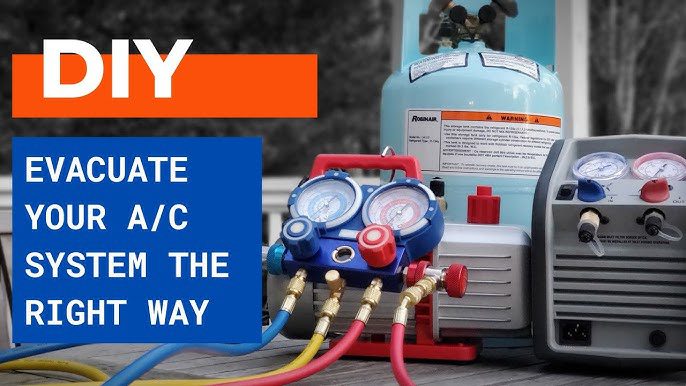
Ensure all essential toolsare ready. A vacuum pumpis vital for the task. Get gaugesto measure pressure. A set of wrenchesis necessary. You need a recovery machineto capture refrigerant. Gather these toolsbefore starting. It makes the job easier.
Safety Precautions
Safety is very important. Wear glovesto protect hands. Use gogglesto shield eyes. Ensure the work area is well-ventilated. Keep away from open flames. Fire can be dangerous. Check equipment for leaks. Leaks can be harmful. Follow all safety rulesto stay safe.
Evacuation Process Overview
Discharging your car’s AC system safely is important. First, connect the recovery machine. Ensure all connections are tight. The machine will extract the refrigerant. This is done to prevent leaks. Always wear safety goggles during this step.
Next, turn on the recovery machine. It will start collecting the refrigerant. The machine stops once the system is empty. Check the machine’s gauge to confirm. If empty, disconnect all hoses. Always follow safety guidelines.
Finally, store the refrigerant properly. Use approved containers only. This keeps the environment safe. Ensure no refrigerant is left in the system. Double-check all steps before finishing.
Recharging The Ac System
Always wear safety goggles and gloves. First, locate the low-pressure port. Connect the refrigerant can to the port. Open the valve to let the refrigerant flow. Ensure the car engine is running during this step. Keep the AC on the highest setting. Add refrigerant slowly to avoid overfilling. Check the gauge often to monitor the level. Stop when the gauge reads the right pressure. Safety is key in this process.
Use a leak detection kit to find leaks. Turn off the car engine first. Spray the detection liquid on AC joints and connections. Bubbles will form if there’s a leak. Listen for hissing sounds, too. Fix leaks before adding more refrigerant. This helps the AC work better. Fixing leaks saves money in the long run. Always follow safety steps when testing.
Maintenance Tips
Evacuating a car’s AC system involves careful steps to ensure proper maintenance. Start by turning off the car and using safety gear. Connect the AC service machine to remove refrigerant, ensuring all valves are closed afterward.
Regular Check-ups
Regular check-ups keep your car’s AC working well. Check filters for dust and dirt. Clean or change them often. Look at the AC belt for cracks or wear. A good belt helps the AC run smooth. Check coolant levels to ensure cool air. Low coolant means a problem. Listen for strange noises. They can signal an issue. Regular checks save money on repairs.
Signs Of Potential Problems
Warm air from vents is a bad sign. It means the AC isn’t cooling. Unusual noises can mean parts are loose. Strange smells suggest mold or leaks. Weak airflow is another warning. It shows blocked vents or filters. Water puddles inside the car mean a leak. Act fast if you see these signs. Fixing small problems early stops big problems later.

Credit: www.youtube.com
Frequently Asked Questions
How Do I Evacuate Car Ac System?
To evacuate your car AC system, use a vacuum pump to remove air and moisture. Connect it to the service port and run it for 30 minutes. Ensure the system reaches a vacuum level of 29 inches of mercury. Always follow safety guidelines and consult a professional if unsure.
Why Is Evacuating Ac System Important?
Evacuating your AC system removes air and moisture that can damage components. It ensures efficiency and prevents corrosion. Proper evacuation enhances cooling performance and prolongs system lifespan. Regular maintenance helps avoid costly repairs. Always prioritize safety when performing this procedure.
Can I Evacuate Ac System At Home?
Yes, you can evacuate your AC system at home with the right equipment. You’ll need a vacuum pump and manifold gauge set. Follow safety guidelines and manufacturer’s instructions carefully. If uncertain, consult a professional mechanic to avoid mistakes and ensure proper evacuation.
How Long Does Ac Evacuation Take?
AC evacuation typically takes around 30 to 45 minutes. The vacuum pump should run continuously during this period. Ensure the system reaches the required vacuum level. Always monitor the process closely for effective results. Professional assistance can expedite the procedure if needed.
Conclusion
Evacuating your car’s AC system is essential for maintenance. This process ensures efficient cooling and prevents damage. Use proper tools for safety. Follow steps carefully to avoid mistakes. Regularly check the system for leaks. Keep your AC system clean and functional.
This boosts comfort during drives. Remember, maintenance saves money in the long run. Your car’s AC will thank you with cool air. Stay informed and enjoy smoother journeys. Keep cool, drive happy.