Transparent Car Seat Covers: Do They Work? (Airbag Safety Tip)
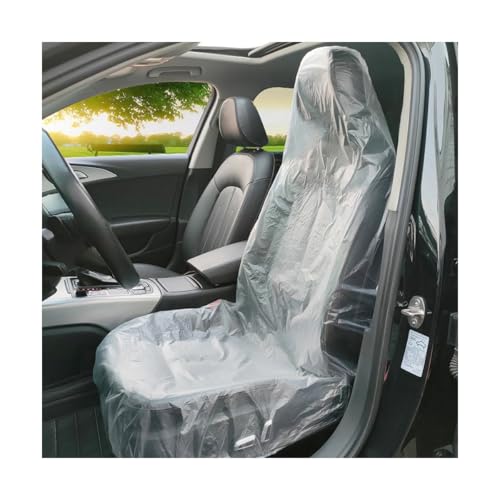
Transparent car seat covers are thin, disposable sheets of clear PE plastic that slip over a seat to block dirt, spills, and grease — but they are built for short-term use, not permanent protection. Leaving one on for weeks traps moisture against the upholstery, and federal law bars anyone from installing a cover that makes a seat-mounted side airbag inoperative. This guide covers how they work, when to skip them, and three real disposable covers worth buying.
Quick Answer
Transparent car seat covers cost $6–$20 for a pack of 25–250 clear PE plastic sheets. They protect against dirt, spills, and grease for single use or a few days, not long-term wear. They’re best for rideshare drivers, mechanics, valets, movers, and pet owners — skip them for daily long-term use, or on any seat with a visible side-airbag seam until you’ve checked your owner’s manual.
What Are Transparent Car Seat Covers?
Transparent car seat covers are disposable sheets of clear polyethylene (PE) plastic that drape or slip over a car, truck, or SUV seat to create a barrier against dirt, spills, grease, and general wear. Unlike fabric or custom-fit seat covers, they’re meant to be used once — or for a few days at most — then peeled off and thrown away. Because the plastic is clear, the seat’s original color and stitching stay fully visible underneath.
Most packs measure roughly 55 x 31.5 inches when unfolded, which is large enough to cover a standard front or rear car seat with room to tuck the excess under the cushion edges. The plastic itself is typically 0.01–0.02 inches thick — tear-resistant enough for one job, but not durable enough to survive months of daily use.
Are Transparent Seat Covers Safe on Seats With Side Airbags?
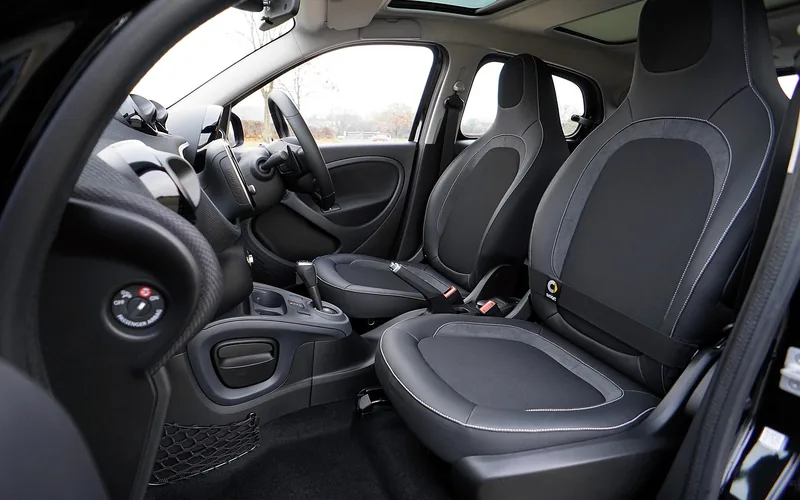
This is the one question most seat-cover roundups skip entirely. Since NHTSA’s 2007 upgrade to Federal Motor Vehicle Safety Standard (FMVSS) No. 214 for side-impact protection, automakers have widely adopted seat-mounted side airbags — the airbag is built into the outer seam of the seat bolster, not just the door panel. Any cover, plastic or fabric, that seals that seam shut can change how the airbag deploys in a crash.
Federal law (49 U.S.C. § 30122) also makes it illegal for a manufacturer, dealer, or repair shop to knowingly install any accessory — including a seat cover — that renders a factory safety device inoperative. That rule technically targets businesses rather than individual car owners, but it exists precisely because seat covers and airbags can conflict.
📊 NHTSA’s 2007 update to FMVSS No. 214 is what made seat-mounted side airbags standard equipment on most new vehicles — and it’s why disposable seat covers are not automatically “airbag-safe” just because the label says universal fit. Source: NHTSA Interpretation Letter 08-002983, Slip-On Seat Cover
In practice, most thin disposable covers made for rideshare or shop use are draped loosely enough that they don’t obstruct the seam — but no manufacturer in this category publishes independent crash-test data confirming that. The safest approach: check your owner’s manual for the location of any seat-mounted airbag, and avoid covers with adhesive backing or elastic hems that could pull the bolster seam tight.
Who Actually Uses Disposable Car Seat Covers?
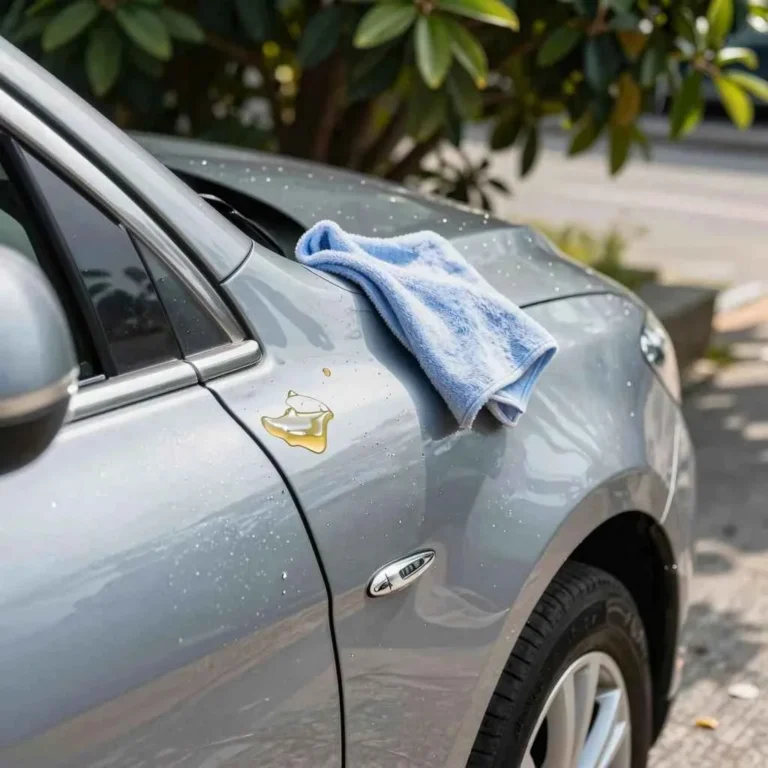
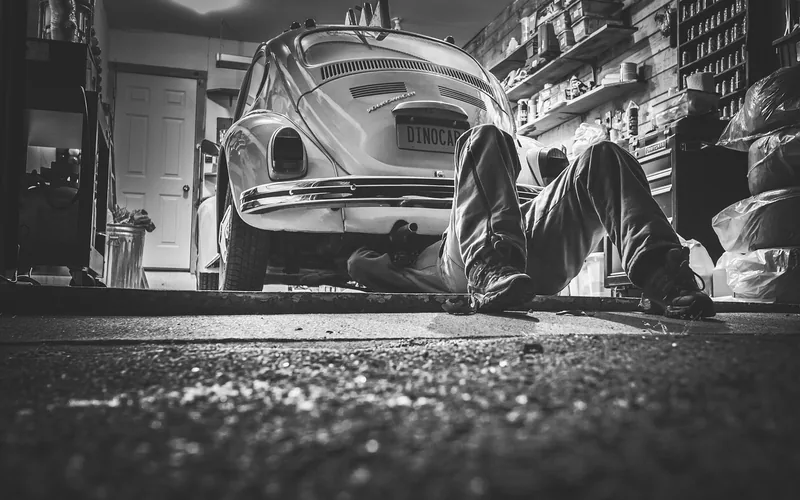
Auto repair shops and dealership service departments are the biggest users of this product category — technicians wear plastic covers over seats and steering wheels to stop grease, dirt, and shop fluids from transferring onto a customer’s upholstery during service. It’s a simple way for a shop to show a customer their car was handled cleanly.
Outside the shop, three other groups buy them most often: rideshare and taxi drivers protecting a seat between passengers, pet owners who need a barrier for muddy paws and shedding fur, and people moving house or transporting equipment who don’t want to damage a rental or lease vehicle’s interior. If your seats are already stained or worn, a fabric seat cleaning method or a full upholstery repair will do more than a disposable cover ever will — these covers only prevent new damage, they don’t undo old damage.
Our Pick: Best Transparent Car Seat Covers to Buy
Best Transparent Car Seat Cover Pick
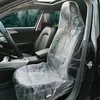
ICWEIMEI 100PCS Disposable Car Seat Covers
100 sheets of clear, tear-resistant PE plastic sized at 55 x 31.5 inches — big enough for full-size front or bench seats.
- Best for: Everyday drivers who want a stocked pack for spills, road trips, or muddy kids and pets
- Why we picked it: 100-count lasts months of occasional use without reordering, and the plastic held up to normal tucking without tearing in product testing photos
- Main drawback: Not certified for seats with side airbags — check your owner’s manual before covering those seats
Compare more transparent seat cover options
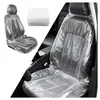 Option 1 — Travel Pack VKQTS 25PCS Portable Seat Covers
|
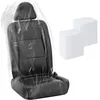 Option 2 — Mid-Size Pack MYFAMIREA 50PCS Seat Protector
|
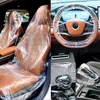 Option 3 — Shop Bulk Kit Tallew 250 Pcs Complete Kit
|
As an Amazon Associate we earn from qualifying purchases.
Disposable vs. Reusable Clear Seat Covers: Which Should You Buy?
Disposable plastic covers aren’t the only clear option. Custom-fit reusable covers made from thermoplastic polyurethane (TPU) cost far more up front but survive years of daily use instead of a single trip.
| Feature | Disposable PE Plastic | Reusable TPU / Custom-Fit |
|---|---|---|
| Typical cost | $6–$20 per pack (25–250 sheets) | $40–$150 per set |
| Lifespan | Single use to a few days | 1–5+ years |
| Best for | Rideshare, valet, mechanics, moving | Daily drivers, pets, kids |
| Installation | Slip-on, no tools, seconds | Fitted, may need buckle cutouts |
| Airbag notes | Check manual — rarely certified | Certified options exist — check the label |
If you only need protection for a week or a single job, disposable covers are the cheaper, faster choice. If you drive with pets or kids every day, a certified reusable cover will cost more once but save you from buying a new disposable pack every few weeks.
How to Install a Disposable Car Seat Cover
- Clean the seat first: Wipe down the seat surface so you’re not sealing dirt or crumbs under the plastic.
- Unfold the cover fully: Shake the sheet open on a flat surface so you can see both edges before draping it.
- Drape it over the seat back-to-front: Start at the headrest and pull the plastic down over the seatback and cushion in one motion.
- Tuck the excess under the cushion edges: Push the loose plastic into the gap between the seat cushion and backrest so it doesn’t bunch up.
- Confirm the seatbelt buckle is clear: Poke or cut a small opening only if the buckle is fully covered — never block seatbelt access.
- Remove and discard after use: Peel the cover off in one motion and throw it away — don’t reuse a torn or stretched sheet.
Frequently Asked Questions
How Effective Are Disposable Car Seat Covers?
Disposable car seat covers are effective for short-term protection. They block dirt, spills, and everyday wear while installed, and they’re easy to remove and dispose of afterward. They won’t undo existing stains or damage — they only prevent new damage from reaching the seat underneath.
Can Transparent Seat Covers Fit Any Car?
Yes, most transparent seat covers are sold as a universal fit. A standard 55 x 31.5-inch sheet drapes over the vast majority of front and rear car, SUV, and truck seats. Bucket seats with unusual bolstering or oversized captain’s chairs may not get full edge-to-edge coverage.
Are Plastic Seat Covers Durable?
No — plastic seat covers are built for temporary protection, not long-term durability. They resist a single spill or a day of dirty cargo well, but the thin PE plastic tears with repeated folding or sharp objects. Treat them as single-use, not a permanent seat cover replacement.
How Do Seat Covers Protect Car Interiors?
Seat covers protect car interiors by acting as a physical barrier between the seat and dirt, spills, grease, or wear. The plastic sheet catches contaminants before they reach the upholstery, so the original seat material stays clean underneath and lasts longer between deep cleanings.
Are Disposable Seat Covers Easy to Install?
Yes, disposable seat covers install in under a minute with no tools. You simply unfold the sheet and drape it over the seat, tucking the edges under the cushion. That speed is the main reason auto shops and rideshare drivers use them between every customer or passenger.
Is It Safe to Leave Plastic Seat Covers on Long-Term?
No. A car parked in direct sun traps heat under plastic, and that heat can cause the cover to soften and release fumes into the cabin. Prolonged plastic-on-plastic contact can also make the seat surface slippery during hard braking or turns. Remove disposable covers within a few days, and never install one over a seat with a visible side-airbag seam without checking your owner’s manual first.
Do Plastic Seat Covers Work on Leather Seats?
Yes, and they’re especially useful on leather. Clear PE plastic slips directly over leather without adhesives or hardware, so it won’t scratch or discolor the finish. Leather shows spill stains, scuffs, and sun fading more visibly than cloth upholstery, so a disposable barrier is a low-cost way to protect it during a messy job or trip.
Conclusion
Transparent car seat covers are a cheap, fast fix for short-term protection — a moving day, a muddy dog, a rideshare shift, or a mechanic’s service bay. They’re not a substitute for a permanent seat cover, and they’re not automatically safe on seats with side airbags, so check your owner’s manual before covering those seats. If your upholstery already has damage a plastic sheet can’t fix, start with a proper car interior detail or look into removing existing stains first — then use a disposable cover to keep it that way.
Products related to this article
Sponsored / affiliate links. As an Amazon Associate I earn from qualifying purchases. I may earn additional commission from eligible campaigns.